DbcultAccessing Vault...
7.2/10
Senior Film Conservator
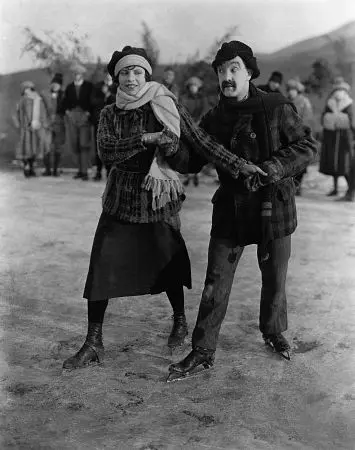
A definitive 7.2/10 rating for a film that redefined the boundaries of cult cinema. Jack Frost remains a cornerstone of transgressive art.
Stepping back into the cinematic annals of 1920, one encounters a peculiar, yet utterly captivating, charm in H.M. Walker's Jack Frost, a short silent comedy that, despite its brevity, delivers a surprisingly robust narrative wrapped in frigid humor. This isn't just a simple slapstick reel; it’s a microcosm of early 20th-century rural struggle, juxtaposing the biting reality of a harsh winter with the timeless human foibles of greed and resilience. The film’s stark setting—a snow-laden farm battling sub-zero temperatures—serves as more than just a picturesque backdrop; it’s an antagonist in itself, a relentless force that mirrors the human villains lurking in the shadows. We are immediately plunged into a world where warmth is a luxury, and survival is a daily negotiation, painting a vivid picture of the era's agricultural hardships and the sheer tenacity required to endure them. The visual language of the film, stripped of dialogue, forces a reliance on exaggerated physicality and expressive mime, a testament to the ingenuity of silent era filmmaking that still resonates today.
At its core, Jack Frost orbits around Snub, a diligent yet perpetually harried farmhand portrayed by the inimitable 'Snub' Pollard. His existence is a perpetual battle against the elements, a Sisyphean struggle to simply maintain a semblance of comfort in an environment designed to thwart it. We witness his hilariously futile efforts to stoke a dying fire, his desperate attempts to wrap himself in an absurd number of blankets, and his inevitable, comedic mishaps with icy surfaces. But the cold, while omnipresent and a source of much physical comedy, is merely one layer of his predicament. The true dramatic tension stems from a more insidious threat: a band of conniving rogues, led by the perpetually scowling Noah Young and the wonderfully expressive James Finlayson, who are bent on snatching the farm's deed. This seemingly straightforward premise, typical of many silent era shorts, quickly blossoms into a masterclass of physical comedy intertwined with genuine peril. The deed isn't just a piece of paper; it represents the very foundation of the farm's existence, the lifeline for its inhabitants, and Snub's solemn responsibility. This struggle for land ownership, often a subtext in more melodramatic features like The Fires of Youth or even the broader societal critiques found in Main Street, is distilled here into an immediate, visceral conflict, where the stakes feel surprisingly high for a comedy. It’s a testament to Walker’s keen understanding of dramatic pacing, even within the confines of a short film, that he manages to imbue this simple objective with such palpable urgency. The film thus becomes a charming yet poignant fable about defending one's meager holdings against both nature's indifference and humanity's darker impulses, a narrative that resonates with universal themes of perseverance and justice.
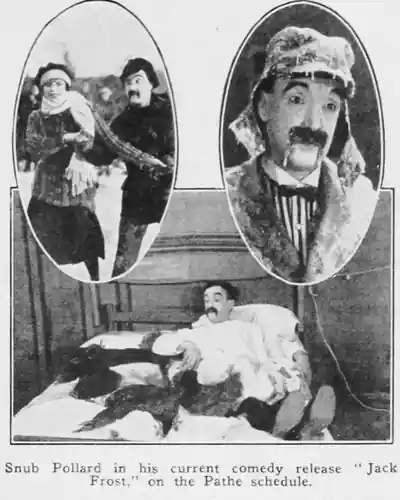
The performances are, as expected for the era, largely physical, yet profoundly expressive. 'Snub' Pollard, with his perpetually bewildered yet earnest demeanor, carries the film's emotional weight. His wide-eyed innocence and physical awkwardness make him an inherently sympathetic figure, a true underdog. His attempts to keep warm—from hilariously futile efforts to stoke a dying fire to wrapping himself in an absurd number of blankets—are not just gags; they are an empathetic portrayal of a man battling the relentless cold, a small individual against overwhelming forces. He embodies the 'everyman' hero, not through grand gestures, but through sheer, dogged persistence and a remarkable capacity for enduring misfortune with a comedic grace. Charley Chase, though perhaps not as central as Pollard in this particular short, brings his characteristic blend of charm and lightheartedness, often serving as a foil or a catalyst for further comedic chaos. His presence adds a layer of sophisticated slapstick that elevates the proceedings beyond mere pratfalls, introducing an element of suave, albeit often clumsy, intervention. Noah Young and James Finlayson, as the primary antagonists, are perfectly cast. Young's imposing physicality and Finlayson's famously exasperated expressions are comedic gold. They aren't just one-dimensional villains; their ineptitude and exaggerated villainy are integral to the film's humor, making them less menacing and more hilariously incompetent. Their schemes, though nefarious in intent, often unravel in spectacular fashion due to their own blunders, providing ample opportunity for laughter. One can draw parallels to the physical comedy duos in films like Girls or Short Orders, where the interplay between characters, regardless of their moral alignment, fuels the comedic engine. Their expressive faces and dynamic body language are a masterclass in silent film acting, conveying volumes without a single intertitle. Marie Mosquini, though with limited screen time, adds a touch of innocent vulnerability, providing a gentle counterpoint to the boisterous male antics and serving as a visual anchor for the emotional stakes. The ensemble works in perfect synchronicity, a testament to the collaborative spirit and honed instincts of early Hollywood comedy troupes, where each performer understood their role in the intricate dance of laughter.
H.M. Walker's writing, while credit for direction is often less clear-cut in this era of rapid production, clearly sets the stage for a visually driven narrative. The use of the snow-covered landscape isn't just incidental; it's a deliberate choice that informs every gag and every character's motivation. The stark white of the snow against the dark, rustic farm buildings creates a visually striking contrast, enhancing the feeling of isolation and struggle. The cinematography, uncredited but undoubtedly skilled, captures the physical comedy with precision, allowing the audience to fully appreciate the intricacies of each gag. There’s a wonderful economy of storytelling, where every frame serves a purpose, moving the plot forward or eliciting a laugh. Unlike some contemporaries who might lean heavily into exaggerated camera tricks or elaborate sets, Jack Frost relies on clear framing and well-choreographed physical action, a style that ensures the humor remains accessible and timeless. The visual gags, from characters slipping on treacherous ice to Snub’s desperate attempts to warm himself by any means necessary, are meticulously executed, showcasing a keen understanding of silent film's unique language. The pacing is relentless, moving from one comedic predicament to the next with an almost musical rhythm, a common trait in the best silent comedies. This deliberate visual storytelling is a hallmark of the era, much like the expressive visual narratives found in films such as The Hole in the Wall or even the charmingly chaotic animated shorts of Felix in the Swim, where character and plot are conveyed almost entirely without dialogue. The film's ability to maintain a high level of comedic invention without resorting to cheap tricks is truly commendable, marking it as a standout example of early silent comedy. The clever use of practical effects for the frigid environment adds another layer of immersive realism, grounding the fantastical slapstick in a tangible, if exaggerated, reality.
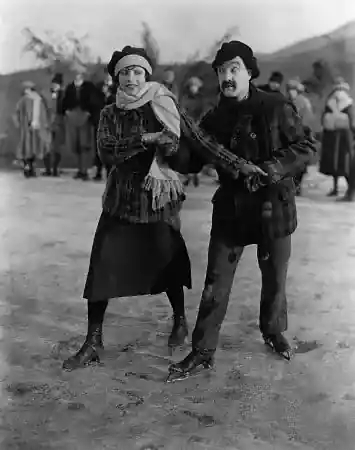
The comedic brilliance of Jack Frost lies not just in its individual gags, but in their synergistic orchestration. Each comedic beat builds upon the last, creating a crescendo of absurdity and laughter. Snub's initial shivering leads to inventive (and disastrous) attempts at fire-making, which in turn pave the way for confrontations with the rogues that are punctuated by slips, falls, and near-misses. The film capitalizes on the universal human experience of battling the elements and the relatable frustration of dealing with irritating adversaries. There's a particular joy in watching Finlayson's character contort his face in frustration, a signature move that would become iconic, as his plans are foiled by a combination of Snub's luck and his own gang's ineptitude. It's a comedy that doesn't rely on sophisticated wordplay but on universally understood physical predicaments and exaggerated reactions. The pacing is relentless, moving from one gag to the next with an almost musical rhythm, a common trait in the best silent comedies. This relentless energy is reminiscent of the chaotic yet charming structure found in films like Polly Ann, where the narrative serves as a scaffold for a series of delightful, interconnected comedic set pieces. The sheer inventiveness of the physical humor, from a character’s desperate leap onto a moving object only to tumble off, to the ingenious ways in which the deed is hidden and retrieved, showcases a profound understanding of how to elicit laughter through purely visual means. The film’s ability to sustain its comedic momentum without ever feeling repetitive or forced is a testament to its tight scripting and the performers’ impeccable timing.
While primarily a comedy, Jack Frost inadvertently offers a glimpse into the social fabric of its time. The stark portrayal of rural life, where survival is precarious and land ownership is paramount, speaks volumes about the economic realities faced by many. The fear of losing the farm, represented by the deed, resonates with the anxieties of a populace still deeply connected to agricultural livelihoods in the early 20th century. The rogues, though played for laughs, represent the ever
IMDb 5.6
1915
Community
Log in to comment.