DbcultAccessing Vault...
Cult Review
Senior Film Conservator
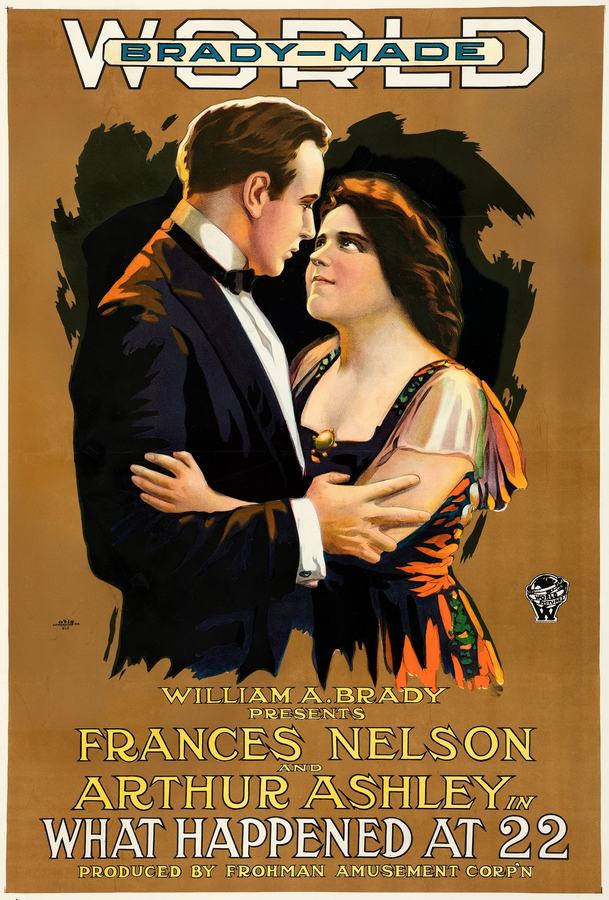
The year 1916 was a watershed moment for American cinema, a period where the primitive visual language of the nickelodeon began to coalesce into the sophisticated narrative structures we recognize today. What Happened at 22 is not merely a relic of this era; it is a pulsating, high-stakes exploration of urban anxiety and the fragility of the social contract. Unlike the gritty realism found in The Regeneration, this film opts for a more polished, almost theatrical suspense that anticipates the noir sensibilities of the 1940s.
At its core, the film examines the parasitic relationship between the 'Employment Agency'—a vital organ of the early 20th-century economy—and the vulnerable individuals it was meant to serve. The Hollister Agency, as depicted here, is a Gothic nightmare of capitalism. It is a place where human potential is bartered and where the figurehead, Hollister, provides a veneer of respectability to Wilson’s subterranean criminality. This dynamic mirrors the social critiques found in The Yellow Passport, focusing on the systemic exploitation of those seeking a foothold in the American dream.
Frances Nelson’s portrayal of Louise Lloyd is a masterclass in silent-era restraint. In an age where many performers relied on histrionic gestures to convey emotion, Nelson utilizes a subtle, internal logic. Her Louise is not a damsel in distress; she is a tactical observer. When she enters the orbit of the Knowlton family, she brings a sense of 'wonderful charm and sweetness,' but beneath that exterior lies a mind sharpened by the harsh realities of New York’s job market. Her performance invites comparison to the nuanced work seen in Blackbirds, where the female lead must navigate a world of deception with only her wits as armor.
The chemistry—or rather, the chilling lack thereof—between Nelson and Arthur Ashley’s Wilson provides the film’s primary engine. Wilson is a fascinating antagonist; he is not a mustache-twirling villain but a man of calculated risks. His obsession with Louise is framed as a transactional conquest. He doesn't just want her hand in marriage; he wants to break her spirit through poverty so that she has no choice but to accept him. This predatory courtship is a dark undercurrent that elevates the film above standard melodrama.
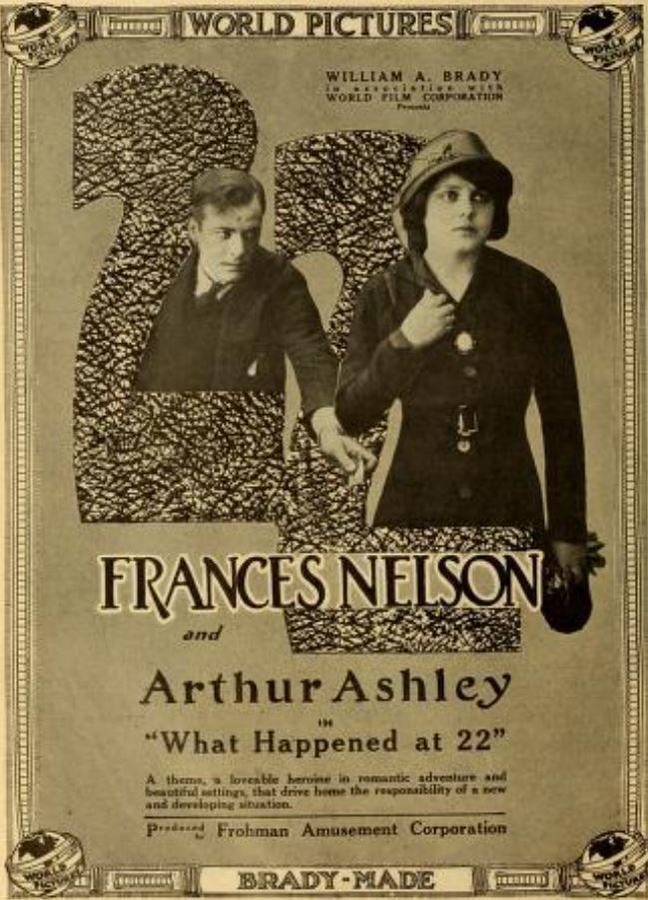
The plot’s pivot into the realm of the 'Toledo millionaire' and the $35,000 forgery is where the screenplay by Anthony Paul Kelly and Paul Wilstach truly shines. The use of a doppelgänger—the New York representative Hart—adds a layer of psychological complexity that was quite advanced for 1916. It touches on the 'uncanny' nature of identity in an increasingly anonymous urban society. This theme of mistaken identity and the fluidity of the self can be traced through cinematic history, echoing the existential dread of Hamlet (1911), where the ghost of the past haunts the present.
Wilson’s transition from a high-class swindler to a domestic valet in the Knowlton household is a stroke of narrative genius. It shifts the film from a sprawling crime epic into a claustrophobic chamber piece. The library, the site of the eventual 'murder' attempt, becomes a stage where the class distinctions between servant and master are blurred. Wilson’s hubris leads him to believe he can control the narrative from within, a fatal mistake that many a cinematic villain has made since.
The third act of What Happened at 22 is a masterfully choreographed sequence of suspense. The struggle in the library, the alteration of the will, and the subsequent framing of Frank Knowlton are executed with a rhythmic precision that belies the film's age. The conflict over the will—the desire for equality versus the rigid adherence to primogeniture—adds a layer of social commentary that resonates even today. Frank’s desire to increase his sister’s share marks him as the moral antithesis to Wilson’s greed.
However, the true highlight is the 'Blot' sequence. Louise’s intervention is a moment of pure cinematic catharsis. By invoking a non-existent finger mark and blot, she exploits Wilson’s guilt and paranoia. It is a psychological trap that requires no physical evidence, only the villain's own conscience to spring it. This 'gotcha' moment is as satisfying as any modern police procedural and showcases a sophisticated understanding of human psychology. It reminds one of the intricate plotting in Silence of the Dead, where the truth is buried beneath layers of artifice.
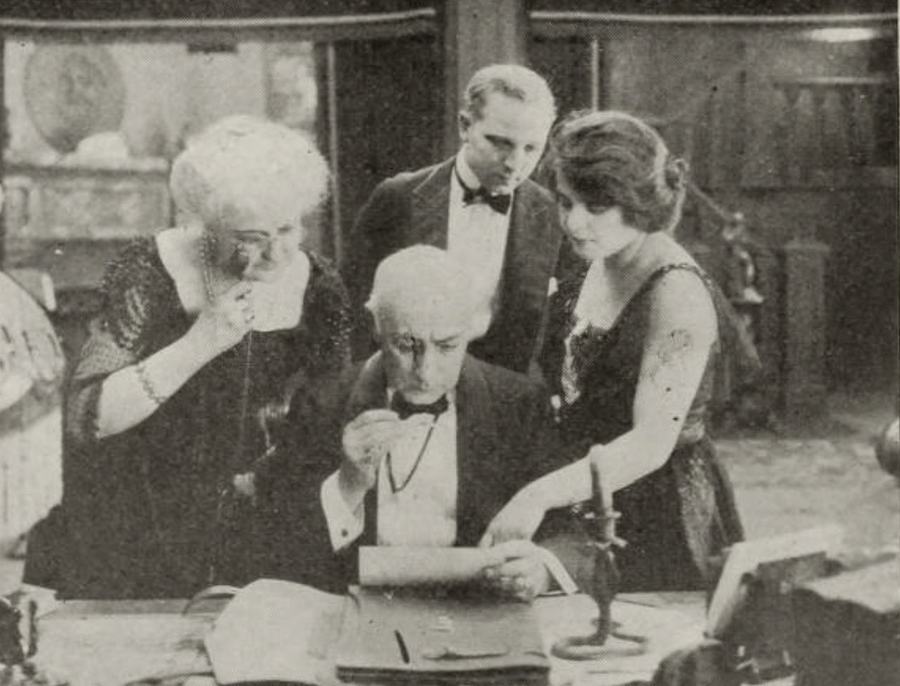
Visually, the film utilizes the deep shadows and opulent interiors typical of the World Film Corporation’s productions. The contrast between the sterile, professional atmosphere of the employment agency and the warm, cluttered luxury of the Knowlton estate serves to emphasize the moral chasm between the characters. While it may lack the avant-garde experimentation of Il fuoco, its visual storytelling is exceptionally clear and purposeful.
The pacing is remarkably brisk. Unlike other contemporary works such as The Romance of the Utah Pioneers, which can occasionally feel bogged down by historical exposition, 'What Happened at 22' maintains a singular focus on its central mystery. Every scene serves the progression of Wilson’s scheme or Louise’s eventual triumph. It is a lean, mean narrative machine that respects the audience's intelligence.
In conclusion, What Happened at 22 is a vital piece of the silent cinema puzzle. It bridges the gap between the simple 'chase films' of the early 1900s and the complex psychological thrillers that would follow. It treats themes of forgery, identity, and gender dynamics with a maturity that is often overlooked in discussions of 1910s film. While some might dismiss it as a forgotten B-movie of its time, its structural integrity and the strength of Frances Nelson’s performance suggest otherwise.
It stands as a testament to the power of the screenplay, proving that even without synchronized sound, a well-crafted plot can hold an audience in rapt attention. For those interested in the evolution of the crime genre, this film is essential viewing, sitting comfortably alongside other early benchmarks like Mr. Grex of Monte Carlo and Children of Eve. It is a reminder that while technology changes, the human fascination with deception, greed, and the ultimate triumph of justice remains eternal.
A rare gem of the silent era that deserves a modern restoration and a place in the pantheon of early American suspense.
IMDb 6.5
1921
Community
Log in to comment.