DbcultAccessing Vault...
Cult Review
Senior Film Conservator
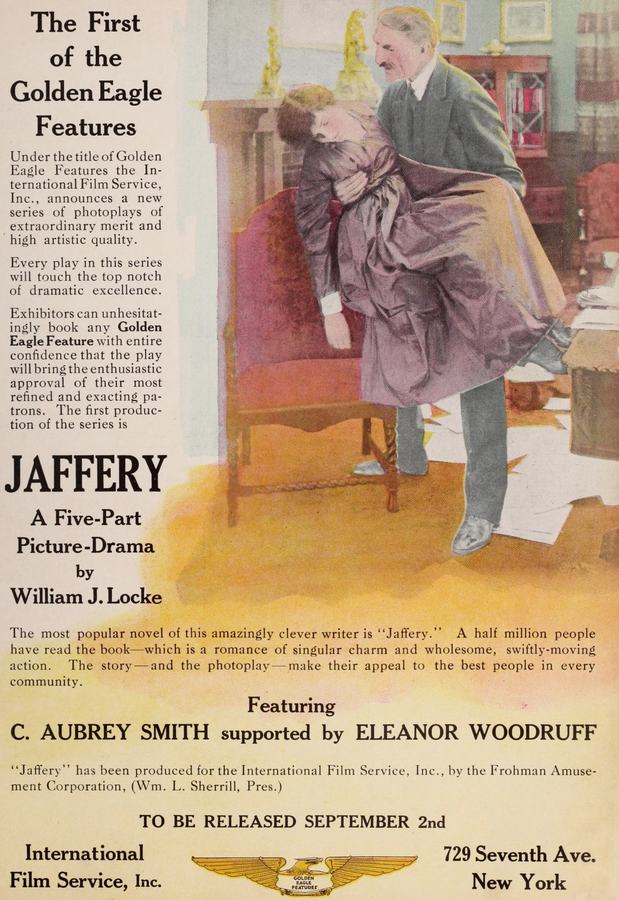
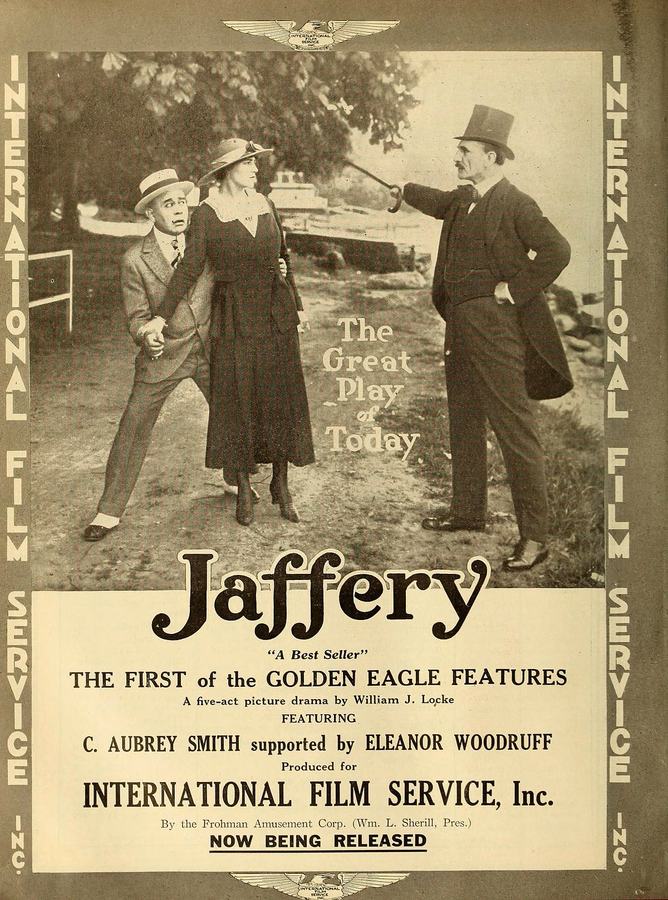
In the nascent years of the silent era, cinema was frequently a laboratory for the transmutation of popular literature into visual spectacle. Jaffery (1916), directed by George Irving and adapted from the William J. Locke novel, stands as a fascinating specimen of this period. It is a narrative that eschews the simplistic morality of contemporary melodramas, opting instead for a convoluted psychological study of intellectual theft, the burden of legacy, and the transformative power of cross-cultural encounter. While many films of 1916, such as The Story of the Kelly Gang, focused on visceral action, Jaffery delves into the interiority of the creative mind and the ethical rot that accompanies plagiarism.
The film’s inciting incident—the death of Tom Castleton—is handled with a somber restraint that highlights the opportunistic pivot of Adrian Boldero (played with a palpable, twitchy anxiety by Paul Doucet). Boldero is the quintessential 'short story writer' whose talent has hit a ceiling of mediocrity. When he is entrusted with Castleton’s manuscript, the temptation is not merely financial; it is existential. To remain a minor talent is to lose Doria (Eleanor Woodruff), a woman whose adoration is contingent upon the pedestal of genius. This dynamic of love-as-transaction mirrors the themes found in A Woman of Impulse, where the protagonist's worth is inextricably tied to their public persona.
"The 'literary lion of the hour' is a creature born of a corpse, fed on the ink of a dead man, and sustained by the silence of the few who know the truth."
As Boldero ascends to fame, the film meticulously documents his psychological disintegration. The manuscript is a ghost that haunts his every social interaction. The audience is invited to witness the physical toll of his conscience—a narrative choice that aligns the film more with the grim realism of The Fifth Commandment than with the lighthearted romps of the era. Boldero’s eventual death is not a shock; it is a clinical inevitability, the culmination of a soul that has hollowed itself out to provide a vessel for another man’s words.
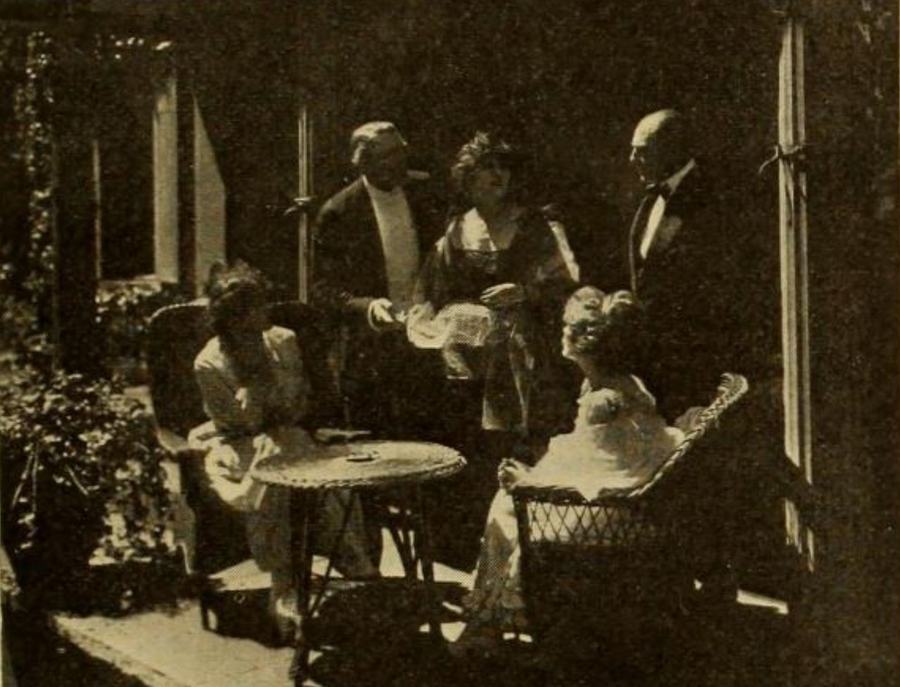
Contrasting the stuffy, deceptive hallways of London’s literary circles is the introduction of Jaffery Chayne (Eric Blind) and Liosha (Florence Deshon). Jaffery is the 'spectacular' one—a man of action, a traveler, a bridge between worlds. His return to London with the widow of an Albanian chieftain is a masterstroke of dramatic friction. Liosha is not merely a character; she is a force of nature, an 'autochthonous' spirit who refuses to be domesticated by the rigid social codes of the Freeth household. Her presence serves as a mirror, reflecting the artifice of the London intelligentsia.
Florence Deshon’s portrayal of Liosha is a revelation for 1916. While many silent actresses were directed toward a delicate, waif-like fragility, Deshon brings a feral intensity to the role. She is the antithesis of Doria. Where Doria loves an idealized, false version of a man, Liosha loves the real, rugged, and often oblivious Jaffery with a fierce, unyielding devotion. This clash of archetypes—the 'civilized' woman vs. the 'primitive' one—reminds one of the thematic tensions in Thais, where the spiritual and the carnal are in constant negotiation.
The second act of the film shifts the moral weight onto Jaffery’s shoulders. Upon discovering Boldero’s fraud, Jaffery faces a Herculean dilemma. To expose the truth is to destroy Doria’s world. In a gesture of quixotic nobility, Jaffery decides to sustain the lie. He doesn't just hide the evidence; he actively creates new 'proof' of Boldero’s genius by writing a second novel himself and attributing it to the deceased fraud. This is a fascinating subversion of the typical 'heroic' journey. Usually, the hero’s goal is to bring truth to light; here, the hero’s task is the construction of a protective falsehood.
This sequence allows the film to explore the mechanics of creative labor. We see Jaffery—the man of action—forced into the sedentary, agonizing work of the novelist. The irony is thick: the man who never sought literary fame becomes the most successful author of the group, yet he can never claim the credit. It is a form of martyrdom that feels strangely modern, echoing the sacrificial themes in Eternal Love. Jaffery’s sacrifice is not for the sake of Boldero’s memory, but for the preservation of Doria’s innocence. However, as the film suggests, innocence maintained through lies is a fragile and ultimately suffocating state.
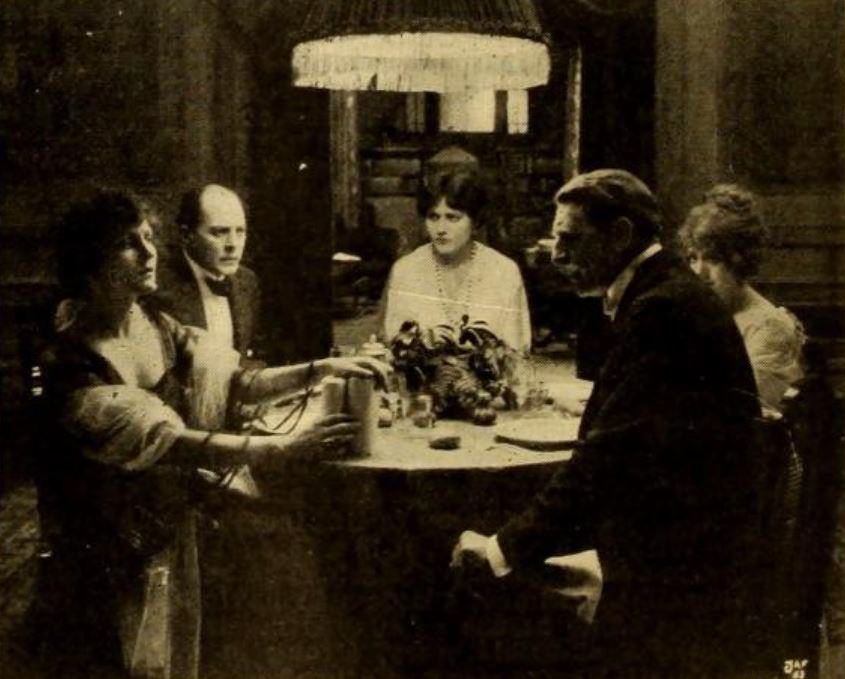
The resolution of Jaffery is surprisingly progressive. When Doria eventually discovers the truth—the 'perfidy' of her late husband and the immense sacrifice of Jaffery—she offers herself to him in a spirit of gratitude. In a standard melodrama, this would be the happy ending. But the film rejects this easy closure. Jaffery realizes that Doria’s offer is a transaction of debt, not an outpouring of love. Furthermore, he realizes that his own obsession with Doria was a pursuit of an ethereal ideal, whereas his bond with Liosha is forged in the fires of shared experience and raw honesty.
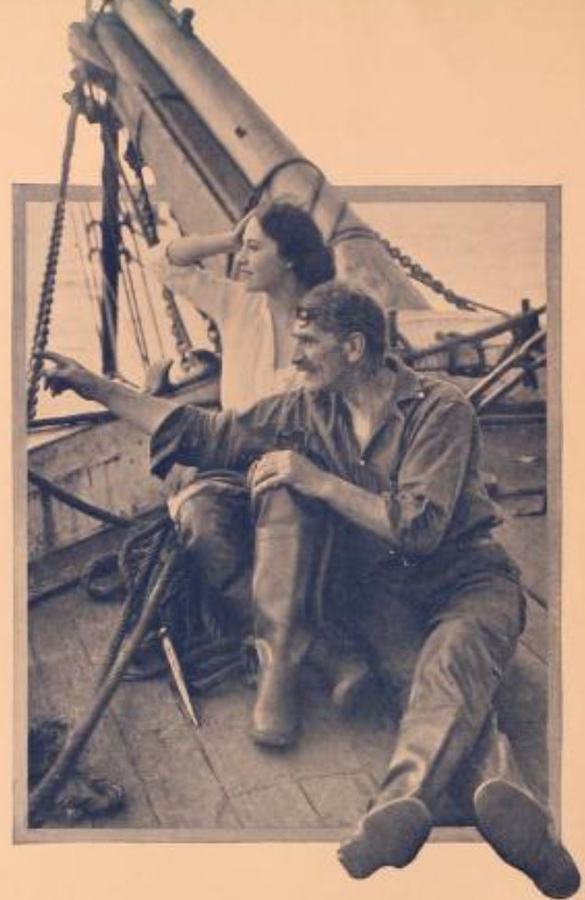
The final voyage, where Liosha begs to accompany Jaffery, signifies a break from the claustrophobic deceptions of London. It is a return to the 'spectacular' life that Jaffery was meant to lead. The strengthening of their love is depicted not through grand gestures, but through the mutual recognition of their true selves. This pivot away from the 'sophisticated' heroine toward the 'wild' one is a refreshing subversion of the tropes seen in films like Young Romance or Infatuation.
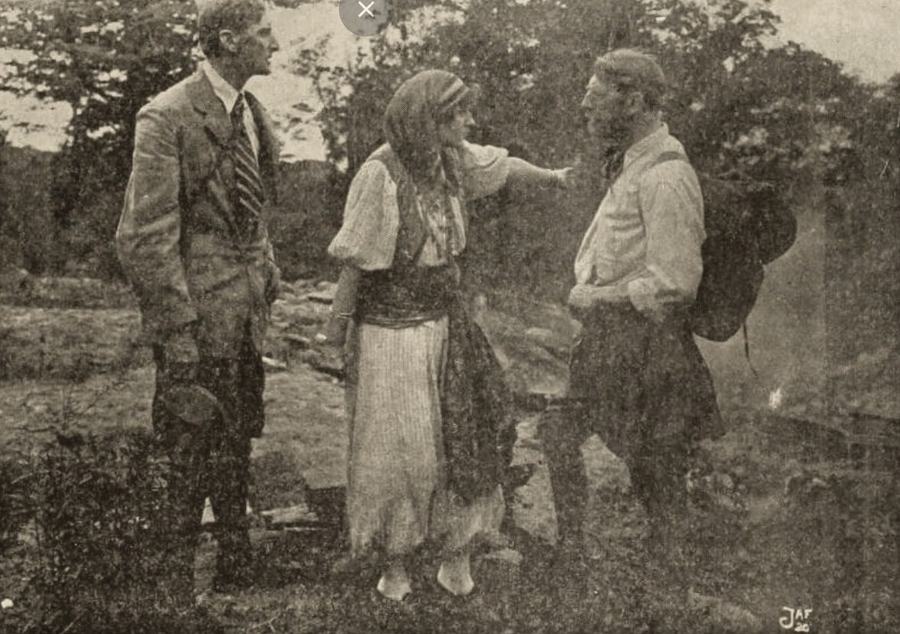
George Irving’s direction utilizes the limited cinematic vocabulary of 1916 to great effect. The use of interior spaces—the cluttered desks of the writers, the ornate drawing rooms of the Freeths—creates a sense of entrapment. These are rooms where secrets are kept and lives are carefully curated. In contrast, the scenes involving Jaffery’s expeditions (though often depicted through suggestion or brief exterior shots) feel expansive and liberated. The cinematography, while constrained by the technology of the era, manages to capture the subtle shifts in Boldero’s facial expressions as the weight of his guilt becomes unbearable.
The film’s pacing is deliberate, allowing the psychological tension to simmer. It avoids the frantic 'chase' sequences common in serials like The Eagle's Eye, focusing instead on the 'chase' of a man’s conscience. The intertitles are literate and occasionally poetic, reflecting the literary pedigree of the source material. It is a film that demands the viewer's attention to detail, as the plot hinges on the discovery of handwriting and the nuances of social etiquette.
Jaffery is a poignant reminder that even in the earliest days of narrative cinema, filmmakers were grappling with complex questions of identity and ethics. It stands alongside other nuanced dramas of the time, such as Syndig Kærlighed, in its refusal to offer easy answers. Is a lie told for love still a sin? Is the creator of a work more important than the work itself? These questions elevate the film from a mere period piece to a timeless meditation on the human condition.
For those interested in the evolution of the 'literary thriller' or the history of cross-cultural representation in silent film, Jaffery is an essential text. It may lack the bombast of Fires of Rebellion, but it possesses a quiet, intellectual intensity that resonates long after the final frame. It is a story about finding the courage to leave the ghosts of the past behind and embracing the vivid, messy reality of the present. While it shares some DNA with the marital complications of Let's Get a Divorce, Jaffery is ultimately a much darker, more profound exploration of the lies we tell ourselves to survive.
A sophisticated, multi-layered drama that challenges the tropes of its era.
IMDb 5.6
1931
Community
Log in to comment.