DbcultAccessing Vault...
Cult Review
Senior Film Conservator
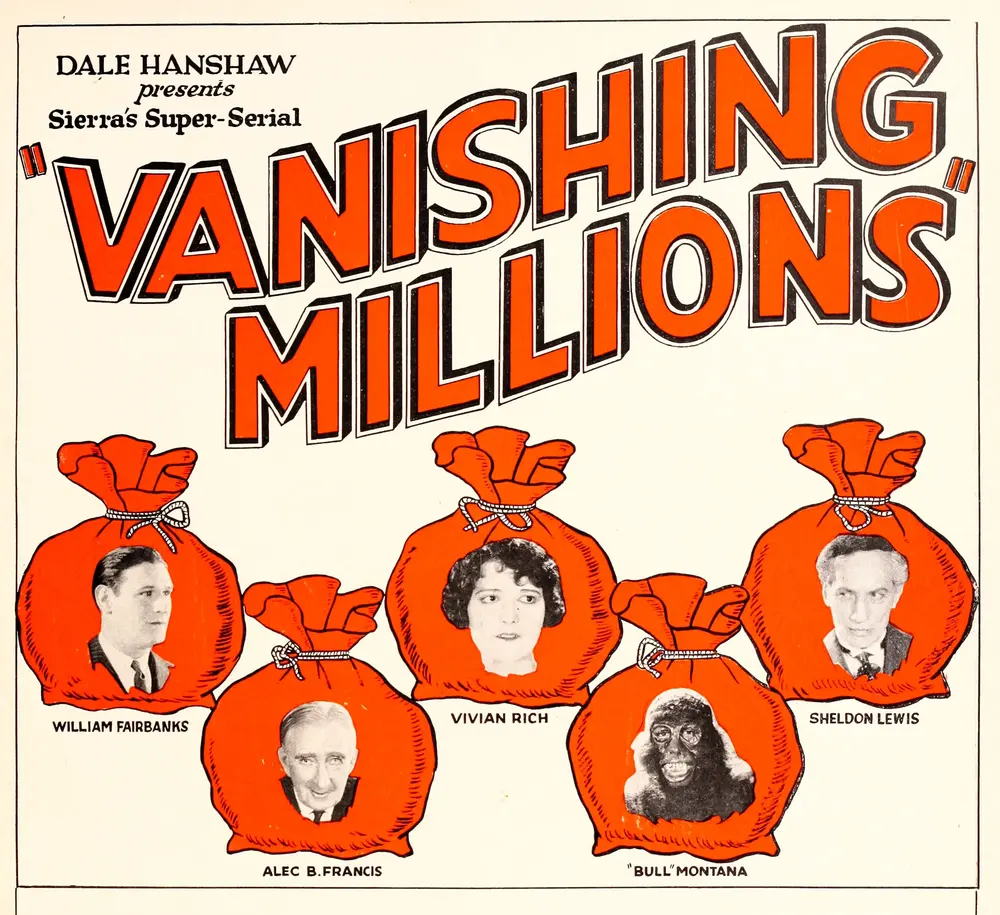
Is 'Vanishing Millions' worth watching today? Short answer: yes, but with significant caveats. This silent-era mystery, while undeniably a product of its time, offers a compelling glimpse into early cinematic storytelling and the enduring appeal of a good old-fashioned whodunit. It’s a film for those who appreciate the foundational artistry of cinema, who are willing to engage with a different pace and visual language.
However, it is decidedly NOT for viewers seeking modern pacing, complex dialogue, or the polished realism of contemporary thrillers. If you struggle with intertitles or find silent performances overly theatrical, 'Vanishing Millions' will likely test your patience. It demands an audience eager to connect with history, to see the roots of the genre rather than its current bloom.
The premise of 'Vanishing Millions' is elegantly simple, yet its execution is surprisingly intricate for its period. A vast sum of money disappears without a trace, throwing a prominent family into disarray and suspicion. The film then meticulously chronicles the efforts to uncover the truth, peeling back layers of deceit and hidden motives. It's a narrative that relies heavily on visual storytelling and the expressive power of its cast, a hallmark of the silent era.

What truly stands out, even a century later, is the film's commitment to building a palpable sense of tension. The stakes, though purely financial, feel deeply personal, impacting the characters' very social standing and personal integrity. This emotional core is what allows the film to transcend its age, connecting with universal themes of trust and betrayal.
The direction in 'Vanishing Millions' is a fascinating study in early cinematic language. The filmmaker, working within the constraints of the period, demonstrates a keen understanding of how to build suspense through visual cues. There's a particular sequence, for instance, involving the discovery of the empty vault, which relies almost entirely on the actors' reactions and tightly framed shots of the desolate space. It's a masterclass in implication over explicit revelation, a technique that many modern thrillers could learn from.
However, this deliberate approach also contributes to the film’s sometimes ponderous pacing. Scenes often linger, allowing the audience to absorb every gesture and intertitle. While this builds atmosphere, it can feel like a test of endurance for those accustomed to rapid-fire editing. A modern viewer might find themselves wishing for a more brisk progression of events, especially in the film’s expositional first act, which takes its time introducing the various players and their potential motives.

Compare this to the more adventurous narrative structure of a film like The Exiles, which, despite being from a similar period, often experimented with more dynamic scene transitions. 'Vanishing Millions' by contrast, feels more traditional, more focused on the theatricality of individual moments rather than the fluidity of the overall narrative arc. This isn't necessarily a flaw, but it is a defining characteristic that shapes the viewing experience.
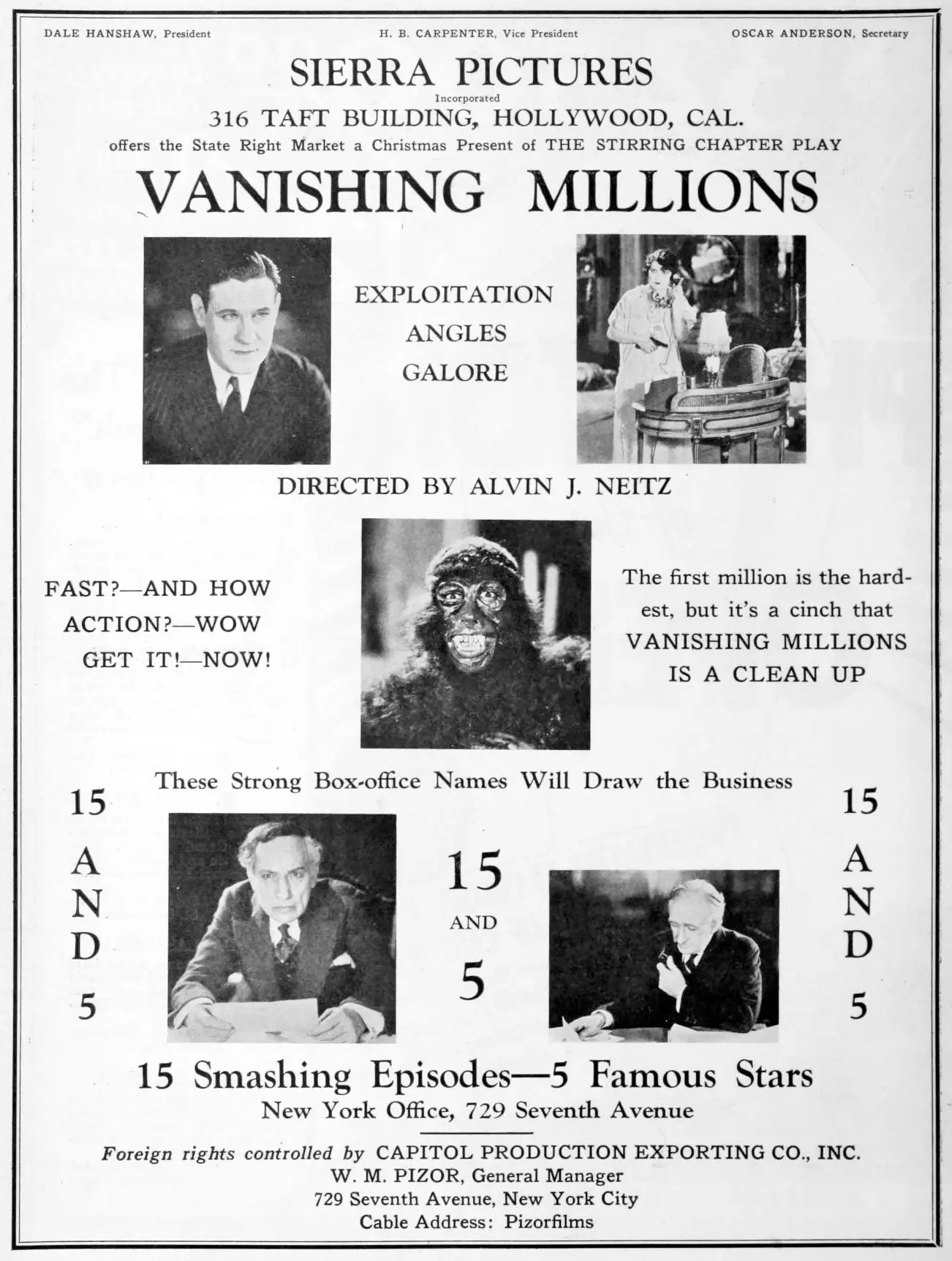
The ensemble cast of 'Vanishing Millions' delivers performances that are, by turns, captivating and occasionally over-the-top, a common trait of silent cinema. Edward Cecil, in a pivotal role, brings a gravitas that anchors the film. His portrayal of a man besieged by financial ruin and public suspicion is particularly nuanced. One specific moment sees his character silently receiving devastating news, his face a canvas of controlled despair, conveying more through a subtle quiver of the lip than any dialogue ever could.
Vivian Rich, often the emotional heart of many silent dramas, provides a counterpoint of vulnerability and strength. Her reactions to the unfolding mystery are expressive, sometimes bordering on operatic, yet always sincere. While some might find this level of emoting excessive, it was the lingua franca of the period, a necessary tool to convey complex internal states without spoken words.
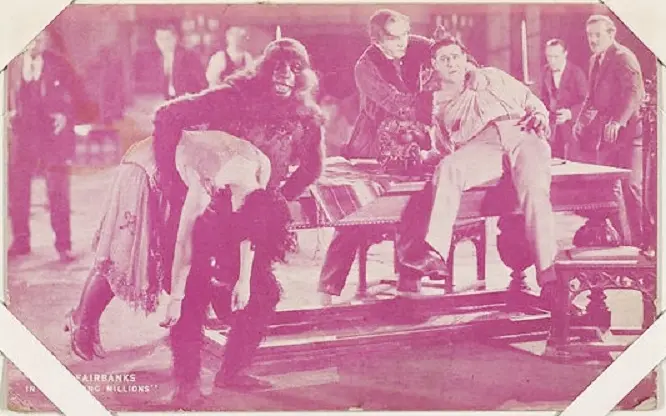
The supporting cast, including the formidable Bull Montana and the often-menacing Sheldon Lewis, effectively populates the world with distinct personalities. Montana, with his imposing physical presence, often serves as a silent, brooding threat, his very stillness creating unease. Lewis, on the other hand, excels in conveying insidious intent with minimal effort, a master of the villainous glance. These performances, while broad, are undeniably effective in their historical context.
The cinematography of 'Vanishing Millions' is surprisingly sophisticated in certain regards, even if it doesn't always push the boundaries of the art form. There's a commendable use of chiaroscuro in several key scenes, particularly those set in dimly lit offices or clandestine meeting places. The interplay of light and shadow isn't just aesthetic; it actively contributes to the film's pervasive sense of mystery and moral ambiguity.
Consider the scene where a character, suspected of foul play, is interrogated. The lighting isolates them, casting long, dramatic shadows that visually underscore their precarious position. This isn't just pretty; it’s narrative reinforcement. However, some of the outdoor sequences, while functional, lack the visual flair seen in other films of the era, such as the grand vistas in The Last Frontier, which often used natural light to breathtaking effect.

The film also makes effective use of close-ups, a technique still evolving at the time. These moments, focusing intently on an actor's face, allow for a direct connection with their emotional state, bypassing the need for excessive intertitles. It’s a smart choice that demonstrates an understanding of cinema’s unique ability to convey intimacy.
The tone of 'Vanishing Millions' is predominantly serious, even somber, befitting a story about financial ruin and potential crime. There are moments of dramatic intensity, particularly during confrontations and revelations, that are genuinely gripping. The film manages to maintain a consistent atmosphere of suspense, even when the pacing feels leisurely. It's a testament to the strong central premise and the commitment of the performers.
Thematic resonance is where 'Vanishing Millions' truly shines. It explores the corrupting influence of money, the fragile nature of reputation, and the lengths individuals will go to protect or acquire wealth. These themes are timeless, making the film surprisingly relevant even today. The commentary on societal expectations and the pressure to maintain appearances, despite internal turmoil, feels particularly sharp. It’s an unconventional observation that the silent era, often dismissed as simplistic, could be so astute in its social critiques.
It works. But it’s flawed. The film’s occasional dips into overt melodrama, while characteristic of the period, can sometimes dilute the more subtle dramatic beats. A scene of a character wringing their hands in despair, while visually striking, could have been more impactful with a slightly more restrained approach. This is a common criticism of silent films, and 'Vanishing Millions' is not entirely immune.
Absolutely, for the right audience. 'Vanishing Millions' is more than just a historical artifact; it's a foundational piece of the mystery genre. It provides valuable insight into how early filmmakers captivated audiences without the aid of sound, relying purely on visual storytelling, expressive performances, and compelling narratives. While it may require a shift in perspective for modern viewers, the rewards are there for those willing to embrace its unique charm.
It’s a film that demands patience but repays it with a fascinating look at the genesis of cinematic suspense. If you're someone who enjoys peeling back the layers of film history, understanding where our current storytelling tropes originated, then 'Vanishing Millions' offers a rich, if sometimes slow, journey.
‘Vanishing Millions’ is a crucial piece of cinematic history, a silent film that, despite its age, still manages to weave a compelling mystery. It’s a testament to the ingenuity of early filmmakers and the enduring power of a well-told story. While its pacing and stylistic conventions demand a certain level of commitment from the modern viewer, the rewards are an authentic glimpse into the origins of genre cinema and a surprisingly robust narrative. It’s not a film for everyone, but for those willing to step back in time, it offers a rich and rewarding experience. This silent gem deserves to be rediscovered, not just as an academic exercise, but as a genuinely engaging piece of storytelling that era’s entertainment. It’s not a flawless film, but its strengths in visual storytelling and thematic depth make it undeniably significant. For film buffs, it’s a must-see. For others, approach with an open mind and a historical lens, and you might just find its 'millions' worth the investment.

IMDb —
1924
Community
Log in to comment.