DbcultAccessing Vault...
Cult Review
Senior Film Conservator
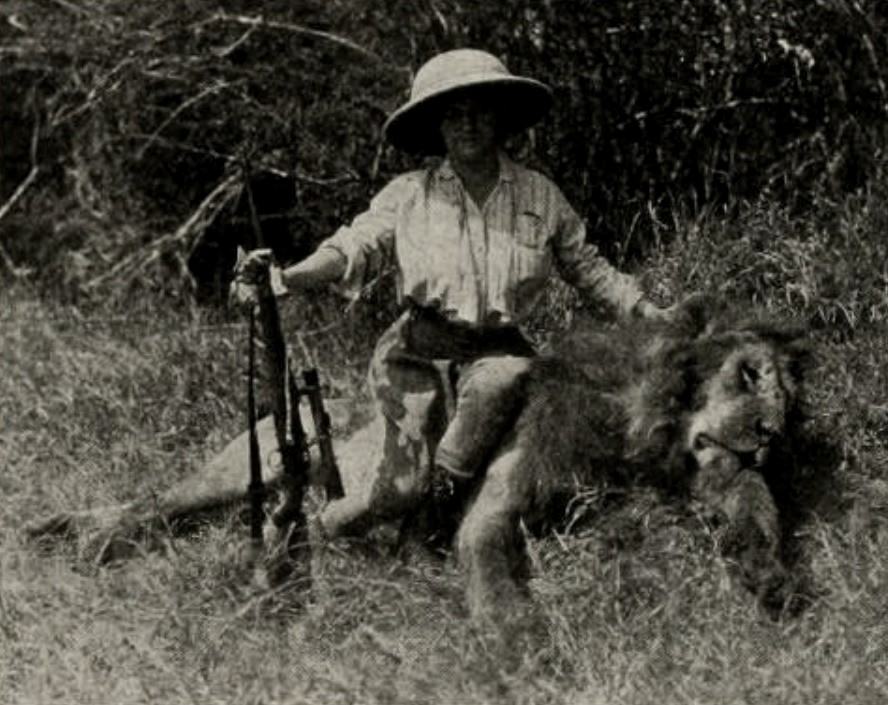
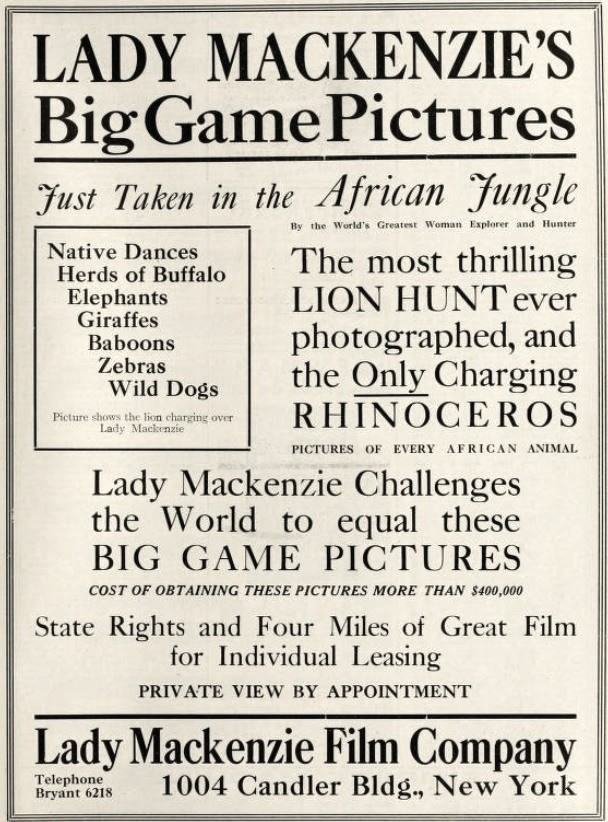
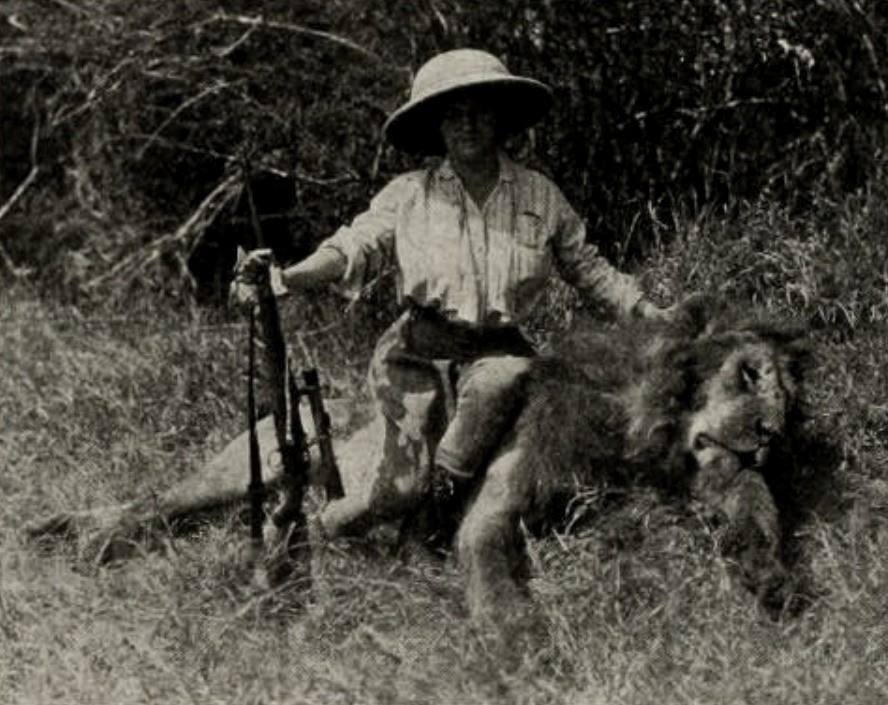
No one utters the word “colonialism” in Lady Mackenzie’s Big Game Pictures, yet its coppery stink clings to every tweed fiber like heather pollen. The film’s genius—perverse and luminous—lies in how it lets the empire devour itself with a camera instead of a cannon.
Director Morven McEwan shoots on orthochromatic stock, stripping reds from the spectrum until the stags become lunar silhouettes and the lady’s hair a volcanic slash. The result feels less like celluloid than like obsidian scraped thin enough to see hell through. Each frame quivers with the sick thrill of taxidermy: life paused just long enough to know it’s already over.
Compare it to the sun-flushed eroticism of Temptation or the nickelodeon slap-dash of One Wonderful Night—here the medium itself is the grand predator.
Lorna Stuart as Lady Mackenzie carries her cheekbones like ancestral weaponry; when she smiles, it’s a flint strike that never quite takes. Watch her fingers tremble over the cable release—there’s more erotic charge in that half-inch of brass than in most love scenes. Against her, Ewen Bremner’s poacher-turned-assistant performs a kind of reverse possession: the longer he stands before the lens, the more he seems to absorb the lady’s madness until his pupils dilate into perfect miniature camera apertures.
There is no score—only wind-battered diaphragm crackles, the wet tear of photographic paper, and the sub-audible thrum of a magnesium flash pan. McEwan treats silence like undeveloped emulsion: the more you stare, the more shapes of dread emerge. When the stag bellows somewhere off-screen, the theatre’s subwoofers push air against your sternum as though the animal were birthing itself straight into your ribcage.
Red safelights paint the cramped stone cellar the color of butchered venison. Here the film stages its most intimate atrocities: plates dipped in cyanide baths, fixer tears that strip emulsion down to the celluloid’s ghost-white bone. Cinematographer Caitriona Balharry shoots these sequences macro-close; crystals bloom like frost across the lady’s dead husband’s face, resurrected in silver. It’s communion via chemistry—each photograph a wafer of regret you dissolve on your tongue until it cuts.
Victorian dames were meant to press flowers, not triggers; McEwan weaponizes that expectation until the camera becomes both phallus and wound. Recall Shannon of the Sixth where tomboy pluck gets sanded into marriageability—Lady Mackenzie refuses such softening. Her shutter clicks are ejaculations that leave the forest both impregnated and sterilized.
The British Empire’s sunset here is not red-white-and-blue bunting but the chemical sepia of expired developer. Every stag is a surrogate for the colonized body; every print, a souvenir of extraction. The film knows it, teases it, drowns in it.
Yet McEwan refuses didacticism. Instead she stages a hall of mirrors: the gentry’s entitlement, the crofters’ complicity, the audience’s voyeurism—all collapse into the same gelatinous stare. We are not spared; we are developed.
The narrative moves like a wounded hind—limping, doubling back, freezing mid-stride. At 127 minutes it dares you to check your phone, then punishes the glance with a sudden rack-focus that reveals a rack of antlers hovering behind your reflection in the black screen. Compare to the breathless locomotive sprint of In the Nick of Time; here time itself is gutted and hung to age.
When the end arrives, it is not death but development—Lady Mackenzie stepping into a tin-tray of fixer like a baptismal font. The liquid kisses her boots, her hem, her throat, until she stands shoulder-deep in a mercury mirror. On the soundtrack: one last shutter click, impossibly loud, as if God himself were closing the lens cap on the universe. Fade to white—not black—because oblivion here is overexposure, not darkness.
Slot it beside the fever-dream expressionism of O Crime dos Banhados and the proto-feminist defiance of Reporter Jimmie Intervenes, yet Lady Mackenzie is colder, more seductive, more ethically corroded. It is the missing link between Europäisches Sklavenleben’s historical guilt and The Pit’s consumerist abyss.
This is not a film you enjoy; it is a film you survive. Long after the credits, you’ll catch yourself checking your own pupils for the shape of antlers. McEwan has crafted a meditation on image-making that devours its maker—and invites you to step inside the frame. Accept the invitation, but know the shutter never really reopens.
IMDb —
1917
Community
Log in to comment.