DbcultAccessing Vault...
Cult Review
Senior Film Conservator
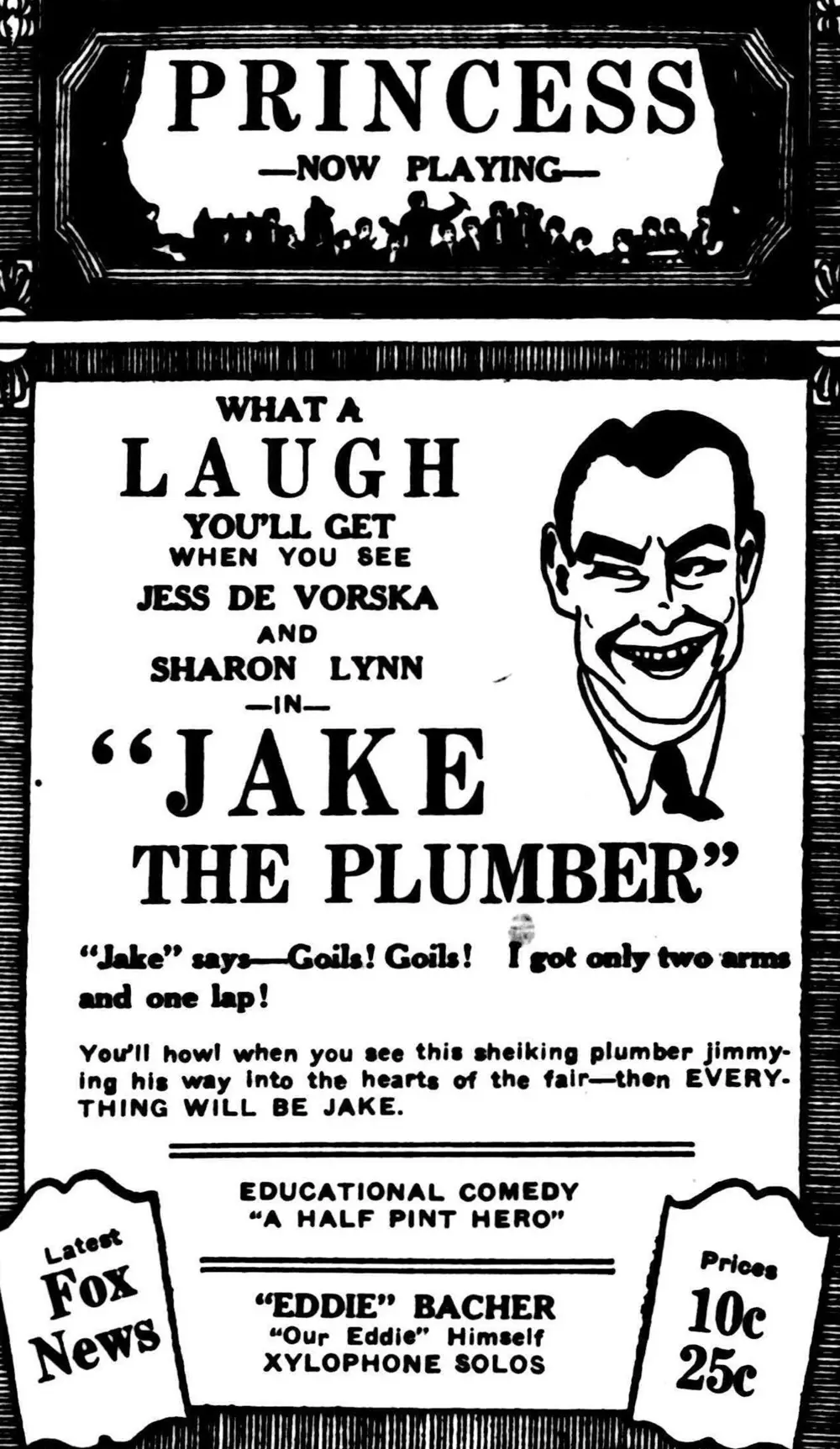
Is “Jake the Plumber” worth watching today? Short answer: yes, but with a few caveats. This silent-era comedy offers a charming, if occasionally creaky, glimpse into the early days of cinematic humor, making it a delightful diversion for enthusiasts of film history and those seeking a lighthearted escape.
It’s a film squarely aimed at viewers who appreciate the physical comedy and exaggerated emotiveness of the silent screen, and it might not fully resonate with audiences accustomed to modern narrative complexity or rapid-fire dialogue. Consider it a pleasant, if not profound, journey back in time.
This film works because... it captures the unadulterated joy of early slapstick, leveraging its simple premise and the expressive talents of its cast to deliver consistent, albeit gentle, laughs. Its charm lies in its earnestness.
This film fails because... its narrative can feel overly simplistic and predictable, even for a film of its era. The comedic beats, while effective, rarely surprise, and the pacing occasionally lags in its middle act.
You should watch it if... you have a genuine interest in silent cinema, appreciate the artistry of physical comedy, or are looking for a light, uncomplicated film that offers a window into a bygone era of entertainment.
The heart of “Jake the Plumber,” penned by the collaborative efforts of Edward Ludwig, James J. Tynan, and Al Martin, is its refreshingly straightforward premise. Jake, our working-class hero, is thrust into a world utterly alien to his own: a sprawling, opulent estate teeming with high-strung socialites and their peculiar problems. The initial setup, a simple leaky faucet, is a brilliant comedic catalyst, immediately establishing the fish-out-of-water scenario that drives much of the film’s humor.
What follows is a series of escalating misunderstandings and physical gags. The writers effectively use the domestic setting as a playground for chaos, from the frantic search for a misplaced family heirloom to the inevitable mix-ups involving various household staff and bewildered guests. It’s a classic setup that relies on the audience’s familiarity with such tropes, yet it executes them with a certain endearing innocence.
However, the pacing, a common challenge for silent films, is a mixed bag here. The opening act, establishing Jake’s character and the grand, chaotic household, moves with a brisk, engaging energy. The initial comedic encounters, such as Jake’s clumsy attempts to navigate the mansion’s opulent, yet fragile, décor, land with satisfying thuds.
Midway through, as the plot thickens with the introduction of a romantic subplot and a minor villain, the momentum occasionally falters. There are moments where the narrative feels stretched, relying on prolonged reaction shots or slightly repetitive gags to fill the runtime. This isn't to say it becomes boring, but it certainly tests the patience of a modern viewer accustomed to tighter, more aggressively edited comedies.
The writing team does, however, deserve credit for crafting a story that, despite its simplicity, allows for character development. Jake isn't just a vehicle for slapstick; he's a good-hearted everyman whose practical skills ultimately prove more valuable than the superficial concerns of the upper crust. This underlying message, while subtly delivered, gives the film a touch more substance than a mere collection of gags.
One particularly effective sequence involves the mistaken identity surrounding the heirloom. The writers cleverly weave multiple characters into the chase, creating a domino effect of accusations and frantic searches that culminate in a truly farcical reveal. It’s in these moments of well-orchestrated chaos that the screenplay truly shines, demonstrating a clear understanding of comedic timing for the silent screen.
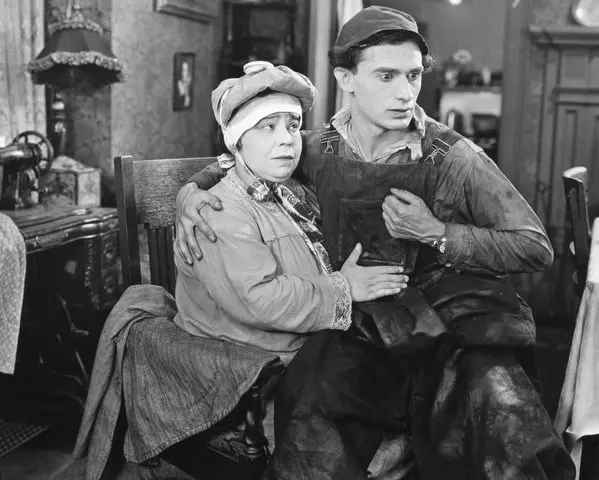
Yet, one could argue that the film occasionally leans too heavily on broad physical comedy at the expense of more nuanced situational humor. While the pratfalls and exaggerated expressions are charming, a greater reliance on wit within the intertitles or more clever visual setups could have elevated the material further. It’s a curious film, one that feels both ahead of its time in its character-driven moments and frustratingly conventional in its plot mechanics.
The success of any silent film hinges almost entirely on the expressiveness and charisma of its cast, and “Jake the Plumber” is no exception. The ensemble, featuring names like Sharon Lynn, Rosa Rosanova, Jesse De Vorska, Eddie Harris, Bud Jamison, Dolores Brinkman, Fanchon Frankel, Ann Brody, William H. Tooker, and Carol Holloway, delivers a masterclass in silent-era performance.
The actor playing Jake (presumably Eddie Harris or Bud Jamison, given their comedic backgrounds) embodies the character with a winning blend of earnestness and physical ineptitude. His wide-eyed innocence and bewildered reactions to the aristocratic chaos around him are genuinely funny. He manages to convey a sense of decency that anchors the film, making him a protagonist the audience can truly root for, even as he tumbles through one mishap after another.
The supporting cast, in particular, does an admirable job of creating distinct, if archetypal, characters. Sharon Lynn, likely portraying the spirited young heiress, brings a vivacious energy to her role, her exaggerated gestures and facial expressions perfectly suited to the demands of silent comedy. She expertly navigates the transition from initial disdain for Jake to a grudging, then genuine, admiration.
Conversely, Rosa Rosanova, perhaps as the stern matriarch or a formidable housekeeper, provides a perfect comedic foil. Her disapproving glares and exasperated sighs are priceless, often eliciting more laughter than the more overt slapstick. It’s a testament to her skill that she can convey such strong emotion and character with minimal movement, relying heavily on her eyes and the subtle tilt of her head.
The villains or antagonists, if one can call them that in such a lighthearted film, are suitably over-the-top. Jesse De Vorska, a frequent presence in silent comedies, likely plays a conniving rival or a bumbling suitor, his sneering expressions and furtive glances clearly telegraphing his less-than-honorable intentions. The exaggerated nature of these performances is precisely what makes them so effective within the silent film context; every emotion, every intention, must be writ large on the screen.
There’s a particular scene where Jake attempts to fix a pipe while simultaneously trying to avoid detection from the estate’s formidable butler. The physical comedy here, a delicate dance of near-misses and clumsy contortions, is executed with precision by the lead actor. His ability to maintain character sincerity amidst the absurdity is a standout element.
While many silent comedies lean on exaggerated physical comedy, “Jake the Plumber” occasionally misjudges the line between charming farce and outright silliness, sacrificing genuine wit for easy laughs. Some of the performances, while technically proficient, border on caricature rather than character, particularly among the minor players. It's a fine line, and this film sometimes teeters on the edge.
Given the era, the uncredited direction of “Jake the Plumber” (or the strong visual influence of its writers) demonstrates a solid understanding of how to tell a story without dialogue. The filmmakers effectively use visual cues, blocking, and set design to convey narrative and character. The camera, while largely static by today’s standards, is always positioned to capture the unfolding action with clarity.
Cinematography, though uncredited, is functional and occasionally inspired. The use of deep focus in certain scenes allows for multiple layers of action to unfold simultaneously, enhancing the comedic chaos. For instance, a shot where Jake is struggling with a pipe in the foreground while, unnoticed by him, a crucial plot point unfolds in the background, is particularly effective. This layering of visual information is a hallmark of good silent film direction.
The set design, particularly of the opulent mansion, is commendable. It serves not just as a backdrop but as an active participant in the comedy. The grand staircases, the fragile antique furniture, and the labyrinthine corridors all become obstacles and opportunities for Jake’s misadventures. The contrast between Jake’s grimy tools and the pristine, delicate environment is a constant source of visual humor, reinforcing the class clash at the film's core.
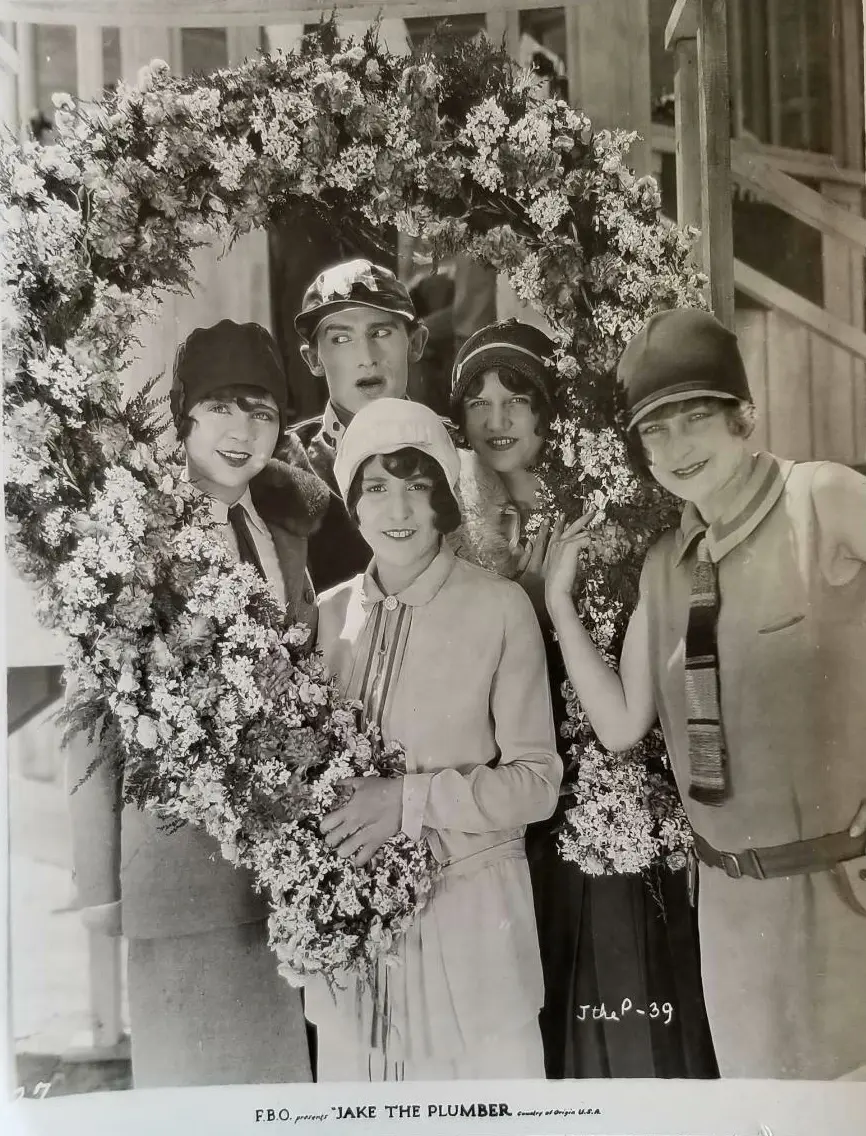
Lighting, while rudimentary compared to later periods, is used effectively to highlight characters and create mood. There are no dramatic chiaroscuro effects, but the consistent, bright illumination ensures that every expressive face and physical gag is clearly visible, which is paramount for silent comedy. The filmmakers understand that clarity is king when dialogue is absent.
However, the film’s visual language, while competent, rarely pushes boundaries. It adheres to the established grammar of silent cinema without much experimentation. Compared to the visual inventiveness seen in films like A Wild Goose Chase or even the earlier, more experimental Vampyrdanserinden, “Jake the Plumber” plays it safe. This isn't necessarily a flaw, but it does mean the film relies more on its performances and plot than on groundbreaking visual artistry.
The intertitles, crucial for conveying dialogue and plot points, are well-integrated and concise. They provide just enough information without over-explaining, allowing the visual storytelling to take precedence. The humor in some of the intertitles themselves, particularly those conveying Jake’s inner thoughts, adds another layer of charm to the experience.
The overarching tone of “Jake the Plumber” is one of lighthearted, good-natured farce. It’s a film that aims to entertain and uplift, never delving into anything too dark or complex. This consistent tone is one of its greatest strengths, making it an easy and enjoyable watch. It’s the kind of film that makes you smile rather than laugh out loud, a gentle humor that permeates every scene.
Its legacy lies in its representation of a particular strain of silent comedy: the domestic farce. While it doesn't possess the iconic status of a Chaplin or Keaton film, it stands as a solid example of the era's bread-and-butter entertainment. It’s a film that would have played well to a broad audience, offering universal themes of class difference, accidental heroism, and the triumph of common sense.
Comparing it to other films of its time, such as Bride and Gloomy or The Plumber's Daughter (which, intriguingly, shares a thematic connection), “Jake the Plumber” holds its own as a competently crafted, if not groundbreaking, comedic effort. It lacks the surreal edge of some European silent films or the profound social commentary of some dramatic American productions, choosing instead to focus purely on comedic escapism.
Perhaps the film's most enduring quality isn't its humor, but its accidental anthropological insight into early 20th-century domestic life, even through a comedic lens. The costumes, the interiors, the social hierarchies—all are on display, offering a fascinating glimpse into a bygone era. It’s a subtle layer that adds unexpected depth to what is otherwise a simple comedy.
The film’s tone manages to balance the slapstick with moments of genuine, if understated, sentimentality. Jake, despite his clumsiness, is always portrayed as a fundamentally good person, and the eventual respect he earns from the haughty household feels earned. This emotional grounding prevents the film from becoming merely a series of unconnected gags.
It works. But it’s flawed. The film’s greatest challenge for a modern audience is its deliberate pacing. While charming, it demands a certain level of patience and a willingness to immerse oneself in the rhythms of early cinema. Those expecting a rapid-fire comedic experience might find themselves occasionally disengaged.
Yes, “Jake the Plumber” is absolutely worth watching today, especially for specific audiences. It’s an accessible entry point into the world of silent comedy.
This film offers a delightful, if undemanding, experience. It’s perfect for film students, silent movie buffs, or anyone curious about the origins of screen humor.
If you enjoy physical comedy and don't mind a slower pace, you will find much to appreciate. It's a charming piece of film history.
“Jake the Plumber” is a delightful, if somewhat minor, entry in the vast catalog of silent-era comedies. It offers a charming window into a bygone era of physical humor and earnest storytelling, carried by a capable cast who understand the unique demands of performing without words. While it won't redefine your understanding of cinema, it provides a pleasant and often amusing diversion, proving that sometimes, a simple story well-told is all you need. For those willing to embrace its gentle pace and stylistic conventions, it's a worthwhile, smile-inducing experience that reminds us of the enduring appeal of a good-hearted everyman caught in an absurd situation. Don't expect a revelation, but do expect to be mildly entertained.
IMDb —
1929
Community
Log in to comment.