DbcultAccessing Vault...
6.8/10
Senior Film Conservator
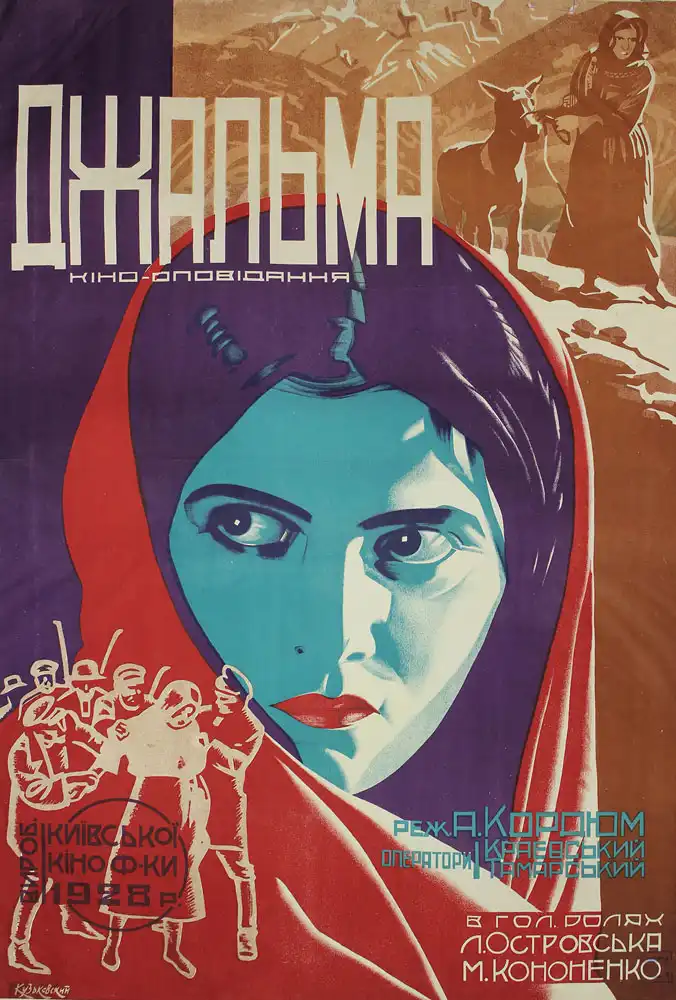
A definitive 6.8/10 rating for a film that redefined the boundaries of cult cinema. Jalma remains a cornerstone of transgressive art.
If you have about an hour and want to see a movie that feels like it was dug out of a time capsule buried in the mud, Jalma is worth your time. It is a silent film from 1928, so you have to be okay with some flickering and the occasional missing frame.
It’s perfect for people who like stories about outsiders trying to fit in. If you only watch movies for explosions or clear audio, you’re probably going to hate this one.
The story starts in the middle of a civil war in the Caucasus. Everything looks dusty and cold.
Our main guy, Nikolai, gets hurt pretty bad. Enter Dzhalma, a Chechen girl who finds him and decides to nurse him back to health instead of leaving him there.
Lydia Ostrovskaya-Kurdyum plays Dzhalma, and her face does about 90% of the work in this movie. She has this way of looking at Nikolai that makes you believe they actually like each other, despite the language barrier.
There is a scene where she is helping him walk, and you can see the actual strain on her arms. It doesn't look like movie-acting; it looks like she is genuinely trying to keep this grown man from falling over in the dirt.
The war stuff is fine, but the movie gets much more interesting once they leave the mountains. They head back to Nikolai’s village in Ukraine, thinking the hard part is over.
Narrator: The hard part was not over.
The moment they walk into the village, the vibe shifts. You know that feeling when you walk into a room and everyone stops talking? That is the entire second half of this movie.
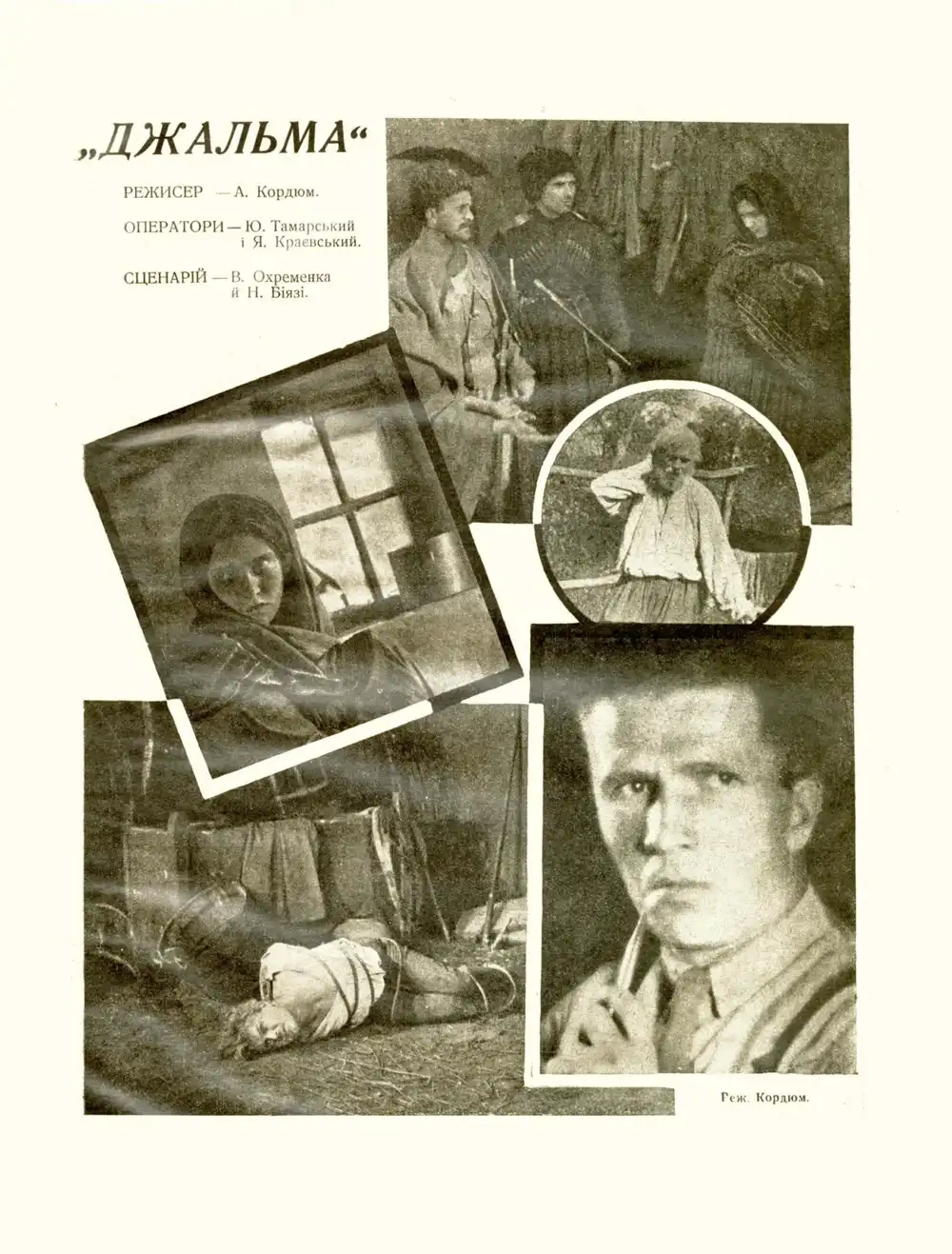
The elders in the village are terrifying. They have these deep, craggy wrinkles and they just stare. They don't see a girl who saved their friend; they just see a "non-Christian soul."
One old woman in the background of a group shot gives a look of such pure disgust that I actually winced. It reminded me a bit of the tension in Chained to the Past, where nobody can just let the past be the past.
The film doesn't try to make the villagers look like cartoon villains. They just look like people who are scared of anything they don't understand.
It’s kind of depressing how little has changed since 1928 in that regard. The way the village "elders" huddle up to gossip feels like a prehistoric version of a nasty Facebook group.
"She is not of our faith, Nikolai. She does not belong."
That line (in the title cards, obviously) basically sums up the whole conflict. It’s simple, but it cuts deep because you can feel Dzhalma’s isolation growing in every scene.
There is a sequence near the end where the camera lingers on Dzhalma’s face as she realizes her new home isn't going to be a home at all. The shot goes on a little too long, but in a way that makes you feel her discomfort.
I’ve seen other silent films like The Wolf that deal with harsh nature, but Jalma is more about the harshness of neighbors. It’s a bit of a heavy watch, honestly.
The print I watched was a bit grainy, and some of the transitions felt like someone accidentally snipped a few seconds of film. But that adds to the charm, I think. It feels raw.
Don't expect a big, happy Hollywood ending where everyone learns a lesson and dances. This isn't that kind of movie. It’s more of a "life is complicated and people can be mean" kind of story.
If you’re a fan of Soviet-era filmmaking or just want to see a really strong performance from a silent film actress, give it a look. It’s a sad little gem that deserves more eyes on it.
IMDb —
1931
Community
Log in to comment.