DbcultAccessing Vault...
4.5/10
Senior Film Conservator
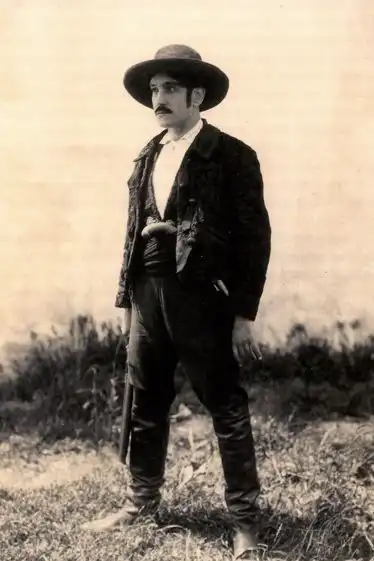
A definitive 4.5/10 rating for a film that redefined the boundaries of cult cinema. José do Telhado remains a cornerstone of transgressive art.
So, is José do Telhado worth your time today? Honestly, if you're into the real old stuff, early cinema, or Portuguese history, then absolutely. If you’re looking for a fast-paced thriller or something super modern, you'll probably find this a bit of a slog. It’s definitely for the patient viewer, someone who appreciates the rhythm of a different era. 🕰️
The film tells the story of José do Telhado, a kind of local folk hero in a Portugal that was just *really* tumultuous in the 19th century. The police were kinda tied up with this big civil war between the royals, conservatives versus liberals, so there was a lot of chaos. José steps in, robbing from the rich and giving to the poor. Classic Robin Hood stuff, but with a distinct Lusitanian flavour. 🇵🇹
What struck me first was just how earnest it all felt. Manuel Baptista plays José, and he brings this sort of quiet intensity to the role. He’s not overtly theatrical in the way some actors from that period could be, which was a pleasant surprise. His expressions often do most of the talking. 🤔
There's a scene, early on, where José first decides to truly act on behalf of the common folk. You see him watching a family struggling, just *really* struggling, and the camera just holds on his face for a good long moment. It’s a simple shot, but it communicates so much about his dawning resolve. It’s not flashy, just effective. ✨
The pacing, well, it’s not exactly breakneck. You get a lot of establishing shots of the countryside, and they are quite beautiful in their own way. They kinda give you a sense of the vastness, the space these characters inhabit. But sometimes, they do linger a bit too long, like a scenic postcard you can’t quite flip. 🖼️
I found myself really drawn into the period details, or what they presented as period details. The costumes, especially for the more affluent characters, were quite elaborate. The poor, on the other hand, looked genuinely threadbare. It wasn't just a costume department decision; it felt like a statement. 👖
There are these crowd scenes, often with villagers gathered, and you get this wonderful mix of faces. Some look genuinely worried, others just curious. It’s not always perfectly choreographed, but that makes it feel more real, like they just grabbed whoever was available. You can almost feel the community spirit, or the fear, depending on the shot. 🧑🤝🧑
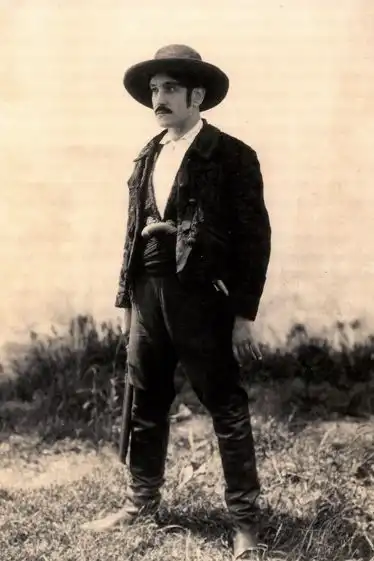
One small thing that caught my eye: there’s this specific kind of hat José wears sometimes. It’s not fancy, just practical. But it becomes this symbol, almost, of his presence. You see that hat pop up, and you know he’s around, watching, planning. It’s a nice visual shortcut. 🎩
The action sequences, when they happen, are pretty straightforward. No huge stunts or anything, but they get the point across. It’s more about the tension building up to the robbery, or the escape, than the actual fight itself. You almost expect a bit more bravado, but it plays it a little understated.
Rafael Alves, who plays one of the more… shall we say, less enthusiastic members of the gang, has some moments. He’s often just kinda *there*, looking a bit confused, which adds a touch of accidental humor. It’s not a big role, but his expressions often caught my eye. 👀
The film does a good job of showing the contrast between the rich and the poor without beating you over the head with it. One scene shows a grand feast at a manor, all opulent and overflowing, then immediately cuts to a family sharing a single piece of bread. It’s simple editing, but boy, does it land. 🍞
You can tell this was made at a time when cinema was still figuring itself out. Some shots are framed a bit oddly, like the camera was placed just a little too far back, or too high. But it gives it a certain charm, like watching a really old home movie with a story to tell. It’s a glimpse into filmmaking history. 🎞️
The way the townspeople look at José, sometimes with outright awe, other times with this sort of weary hope. It’s a powerful mix. And then there are these moments of almost *too much* silence, where the film just lets the scene breathe, for better or worse. Sometimes it’s impactful, other times you just wonder if someone forgot their cue.
The ending felt a little... abrupt. Like they had to wrap things up quick. It wasn't dissatisfying, but it definitely left me wanting a bit more resolution, or maybe a clearer sense of the long-term impact of José's actions. Still, it fits the folk tale vibe, I suppose. Some stories just *end*. 🔚
Overall, José do Telhado is a curious watch. It’s not a masterpiece you’ll tell everyone about, but it's got heart and a real sense of its time and place. It makes you think
IMDb 6
1928
Community
Log in to comment.