DbcultAccessing Vault...
Cult Review
Senior Film Conservator
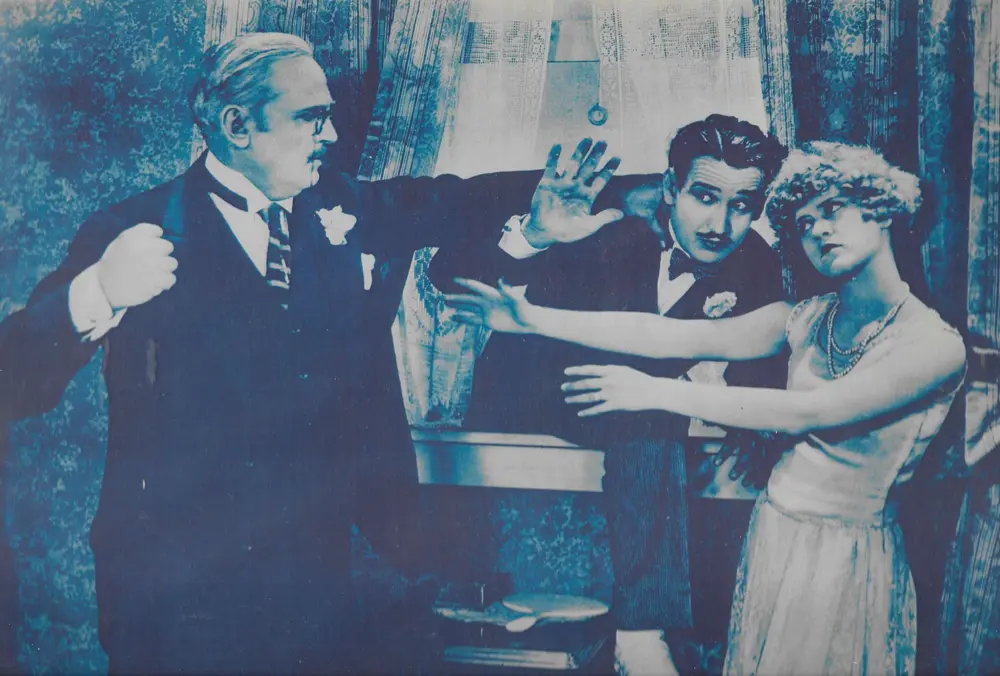
Jane’s Hubby is not a lost classic. It is a functional, somewhat tedious example of the domestic comedies that saturated the market in the early 1920s. If you are looking for the wit of Keaton or the pathos of Chaplin, you will be disappointed. This is a film for those who want to see the assembly-line production of silent shorts—films made quickly to fill a slot in a theater program and forgotten by the time the audience reached the street. Most modern viewers will find the gender dynamics grating and the slapstick repetitive.
For the casual movie fan, the answer is a firm no. The pacing is sluggish for a short, and the humor relies entirely on the audience finding a man being intimidated by his wife inherently hilarious. However, for historians of the medium, it offers a look at the mid-tier comedy industry of 1923. It sits somewhere below the charm of A Game of Wits and lacks the kinetic energy of The Dangerous Dub.
1) This film works because Charles King has a specific, nervous physicality that fills the frame even when the script is empty.
2) This film fails because the gags are telegraphed minutes before they happen, draining the humor of any surprise.
3) You should watch it if you are a completionist of silent-era shorts or researching the evolution of the domestic sitcom.
The central conflict of Jane’s Hubby is the domestic power struggle. Charles King plays the husband with a permanent slouch and a look of impending doom. He is the prototype for decades of sitcom fathers to follow—well-meaning but fundamentally incompetent. Thelma Daniels, as Jane, has very little to do other than look disappointed. There is no chemistry here, only a series of transactional irritations.
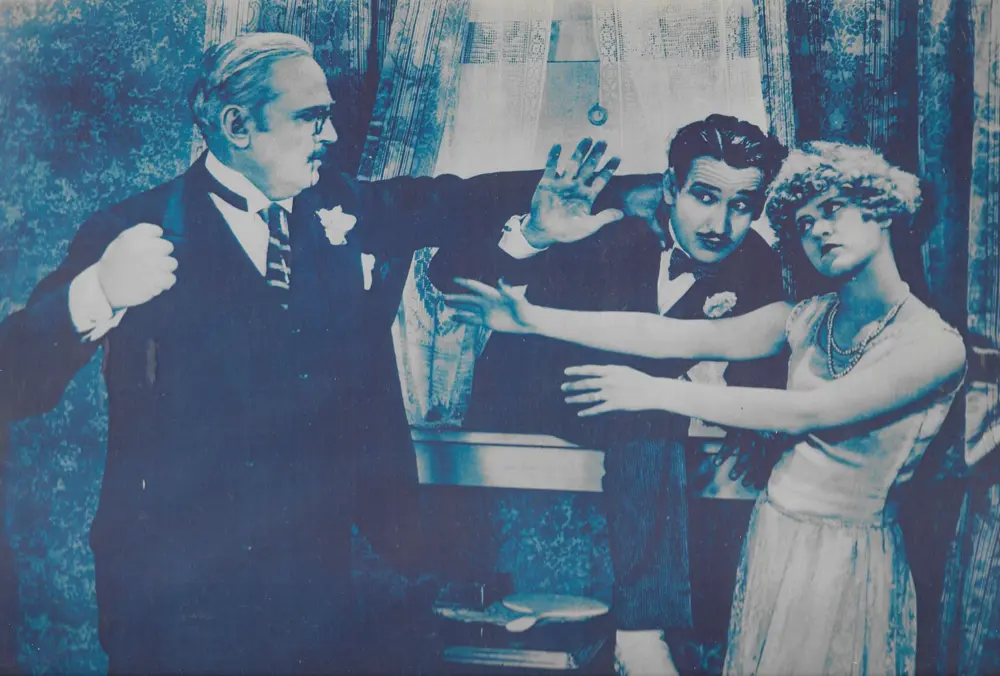
In one specific scene, the husband attempts to fix a leaking pipe while Jane watches with crossed arms. The outcome is predictable: a face full of water, a ruined suit, and a mocking look from the wife. It’s a sequence that has been done better in dozens of other films from the same period. The direction by Roy Evans is static; he places the camera at eye level and lets the actors move within a flat, stagelike space. There is no creative use of the frame, making the whole production feel cheap and hurried.
By 1923, silent film was becoming a sophisticated art form, but you wouldn't know it from watching this. The editing is basic, lacking the rhythmic snap required for effective comedy. When a gag occurs—like the husband tripping over a rug—the camera lingers a second too long, killing the timing. It lacks the visual flair seen in contemporary features like The French Doll.
The film feels longer than its runtime. This is the ultimate sin for a comedy short. Because the stakes are so low and the characters are so thin, there is no reason to care if the husband succeeds or fails. He is a punching bag, and eventually, watching a punching bag gets boring. The film doesn't even have the decency to be weird; it’s just aggressively average.
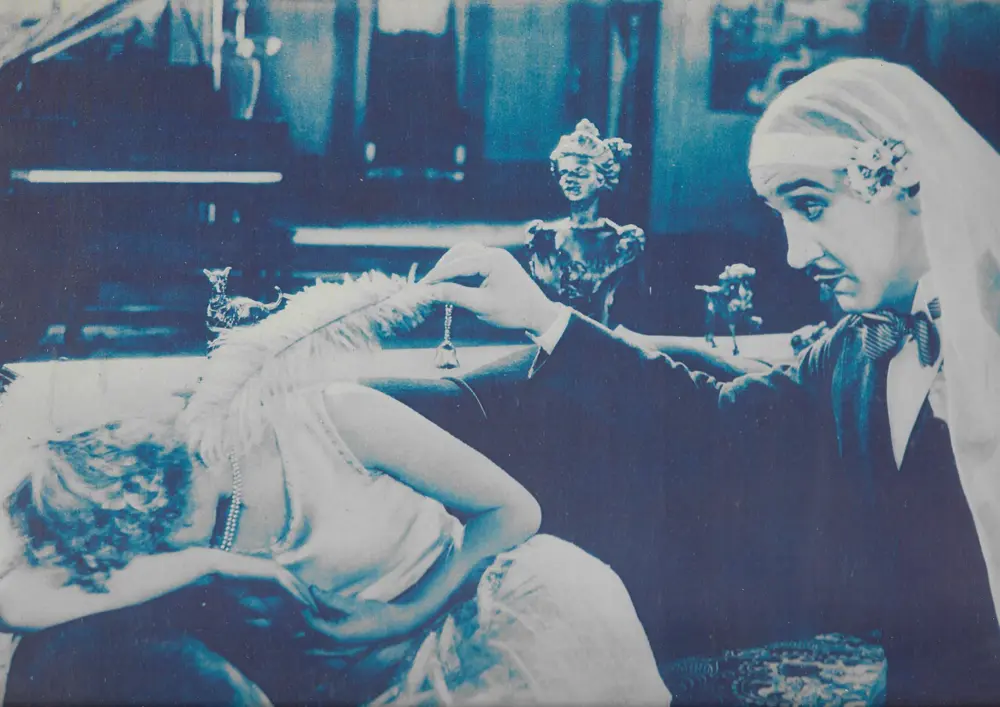
Pros:
The set design offers a decent look at a 1920s middle-class interior. Charles King works hard to extract humor from a lifeless script. It is mercifully short.
Cons:
The gender politics are prehistoric. The direction is uninspired. The gags are recycled from better films like Just a Good Guy. It is fundamentally forgettable.
Jane’s Hubby is a ghost of a film. It exists because the industry needed content, not because Roy Evans had a story to tell. It’s a stiff, repetitive piece of work that serves as a reminder that not everything from the silent era was a work of genius. Most of it was just work. You can skip this one without missing a thing.
IMDb —
1926
Community
Log in to comment.