DbcultAccessing Vault...
Cult Review
Senior Film Conservator
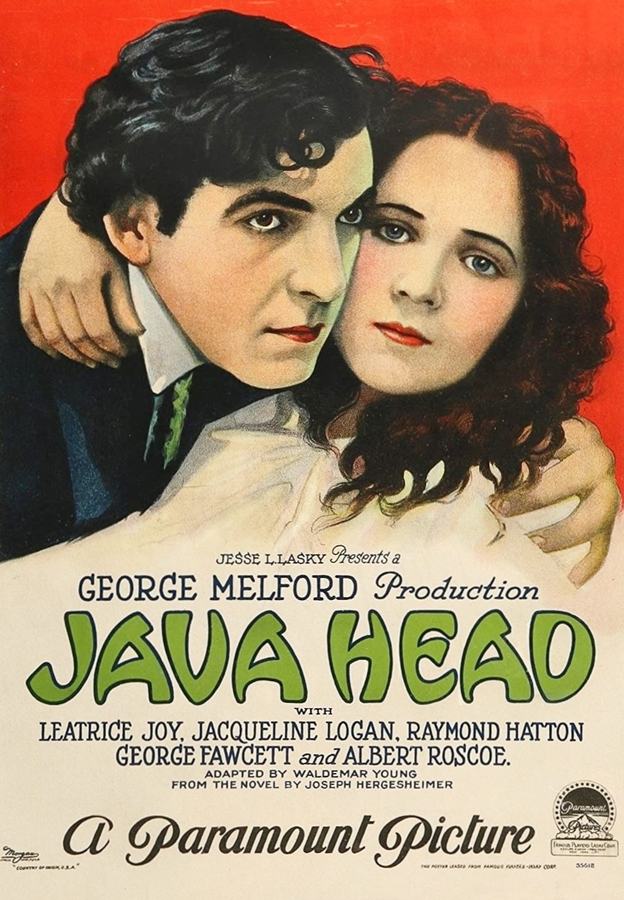
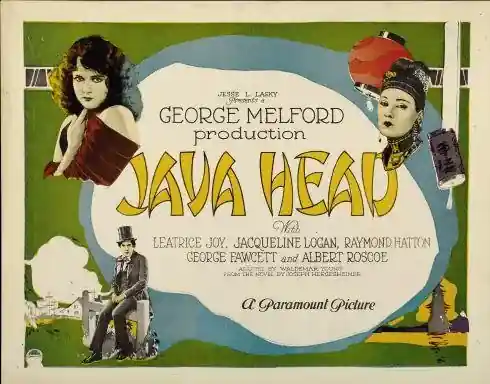
Stepping into the flickering glow of early 20th-century cinema, one often encounters narratives that, despite their antiquated technical trappings, resonate with timeless human dilemmas. Among these, the 1923 silent film Java Head stands as a particularly fascinating, if sometimes problematic, artifact. Directed by George Melford, and adapted from Joseph Hergesheimer's popular novel by Waldemar Young, this cinematic endeavor plunges headfirst into a maelstrom of cultural clash, familial duty, and the often-unbearable weight of societal expectation. It’s a compelling journey that begins in the staid, puritanical confines of Salem, Massachusetts, and ventures into the exotic, bustling tapestry of Shanghai, only to return with an unexpected, disruptive force that shatters the tranquility of a privileged, yet deeply fractured, American family.
At its heart, Java Head is a story of escape and entrapment, of love lost and found, and the profound reverberations of choices made under duress. Our protagonist, Gerrit Ammidon, portrayed with a brooding intensity by George Stevens, is introduced as a man beleaguered by circumstances beyond his control. His affection for Nettie Vollar, played with poignant vulnerability by Jacqueline Logan, is a tender blossom stifled by the thorny thicket of a bitter, long-standing feud between their respective grandfathers. This familial animosity, a relic of bygone grievances, casts a long, oppressive shadow over the young lovers, rendering their union an impossibility within the rigid social framework of Salem.
Driven by despair and a yearning for liberation from this suffocating environment, Gerrit, a captain in the family's venerable shipping enterprise, embarks on a voyage to China. This journey is more than a physical displacement; it is a desperate attempt to sever ties with a past that refuses to release its grip, a quest for existential breathing room. Yet, fate, as it often does in such grand melodramas, has a particularly dramatic twist in store for him. In the vibrant, chaotic streets of Shanghai, Gerrit’s path collides with that of Taou Yuen, a Manchu princess, brought to life with captivating grace and tragic dignity by Leatrice Joy. He intervenes decisively, rescuing her from a brutal assault by a gang of street thugs, an act of chivalry that inadvertently ensnares him in a predicament far more complex than any family feud.
Taou Yuen, a symbol of ancient nobility adrift in a changing world, faces a dire sentence under Manchu custom: death, unless she secures a husband. In a confluence of cultural imperative and personal responsibility, Gerrit finds himself compelled to offer his hand in marriage. This decision, born of honor and a nascent sense of duty, sets in motion the central dramatic thrust of the film. Their return to Java Head, the Ammidon ancestral home, is not a homecoming of quiet triumph, but rather the ignition of a social and emotional powder keg. The arrival of an 'Oriental' princess in the meticulously ordered, deeply conservative world of 19th-century Salem unleashes a torrent of prejudice, misunderstanding, and unexpected consequences that ripple through every facet of the Ammidon family's existence.

Java Head, at its core, is a profound exploration of cultural collision. The film masterfully, if sometimes stereotypically, contrasts the ancient, ornate traditions of the East, embodied by Taou Yuen, with the rigid, almost puritanical sensibilities of New England society. Taou Yuen’s every gesture, her elaborate attire, her serene composure, becomes a stark counterpoint to the hushed gossip and barely concealed disdain of Salem’s elite. Leatrice Joy’s performance is critical here; she conveys Taou Yuen’s isolation and dignity with a remarkable stillness, her expressions often a subtle ballet of pride, confusion, and profound sorrow. The film asks us to consider the immense burden placed upon an individual forced to navigate such disparate worlds, to reconcile an ancient heritage with an alien present.
Beyond the overt cultural clash, the film delves into the complexities of identity and belonging. Gerrit, in marrying Taou Yuen, finds himself an outsider in his own home, his act of compassion viewed with suspicion and scorn. He is torn between his lingering affection for Nettie and his newfound responsibilities towards his Manchu wife. This internal conflict is a powerful undercurrent, highlighting the societal pressures that often dictate personal happiness. The very name of the estate, Java Head, a nod to the family’s maritime history and connections to the East, becomes ironically symbolic. It represents both the source of their wealth and the nexus where foreign influences, once distant and profitable, now intrude upon the domestic sphere, demanding recognition and challenging established norms.
The film also subtly critiques the hypocrisy and xenophobia inherent in the insular community of Salem. While the Ammidons’ wealth is derived from trade with distant lands, their acceptance of the people from those lands is virtually nonexistent. Taou Yuen is seen as an exotic curiosity, an object of fascination and judgment, rather than a human being with her own rich history and emotional landscape. This portrayal, while perhaps reflecting the prevailing attitudes of the time, offers a valuable historical lens through which to examine evolving perceptions of 'the other' in Western society. The emotional landscape is further complicated by the presence of other characters, such as Frederick Strong as the stern Ammidon patriarch and Helen Lindroth, whose reactions to Taou Yuen range from bewildered curiosity to outright hostility, painting a vivid picture of a society grappling with change.
As a silent film, Java Head relies heavily on visual storytelling, exaggerated expressions, and the power of its cast to convey intricate emotional states without spoken dialogue. Leatrice Joy, in particular, delivers a performance of remarkable subtlety and depth. Her Taou Yuen is not merely a caricature of an 'Oriental princess' but a woman of profound inner strength and quiet suffering. Joy’s use of her eyes and delicate gestures speaks volumes, communicating her alienation and dignity with an ethereal grace. Her performance stands out as a testament to the power of silent acting, transcending potential stereotypes to carve out a genuinely sympathetic character.

George Stevens as Gerrit navigates a challenging role, portraying a man caught between conflicting loyalties. His initial despair, his decisive action in Shanghai, and his subsequent struggle to reconcile his past love with his present duty are conveyed through a blend of stoicism and understated anguish. Jacqueline Logan’s Nettie Vollar, too, is more than a spurned lover; she embodies the quiet resilience of a woman whose life has been shaped by forces beyond her control. The supporting cast, including Violet Axzelle, Mimi Sherwood, and Raymond Hatton, contribute to the tapestry of Salem society, each character adding a brushstroke to the overall portrait of a community in turmoil.
George Melford’s direction is competent, effectively utilizing the visual grammar of the silent era. The contrast between the vibrant, almost frantic energy of the Shanghai scenes and the somber, restrained atmosphere of Salem is well-executed. Cinematography plays a crucial role in establishing mood and character. The exotic costumes of Taou Yuen, meticulously rendered, serve as a visual shorthand for her otherness, while the austere New England attire reinforces the rigid conventions she challenges. The use of intertitles, while a necessary convention of the time, are generally succinct, allowing the performances and visual narrative to carry the bulk of the storytelling burden. While perhaps not as groundbreaking as some of its contemporaries, the film's visual language effectively communicates its ambitious themes.
Released in 1923, Java Head emerged during a particularly fertile period for silent cinema, an era where filmmakers were pushing the boundaries of narrative complexity and visual spectacle. The film reflects a broader fascination in Western culture with 'Orientalism,' a phenomenon that often romanticized and exoticized the East, sometimes at the expense of authentic representation. While the film attempts to imbue Taou Yuen with dignity, it cannot entirely escape the prevailing cultural tropes of its time. This makes Java Head a valuable historical document, offering insights into societal attitudes and cinematic portrayals of race and culture in the early 20th century.
Comparing Java Head to other films of its era helps contextualize its narrative ambition. For instance, while a film like Sherlock Holmes (1922) focused on intricate detective work and character study, Java Head aimed for a grander, more melodramatic sweep, exploring personal drama against a backdrop of global cultural exchange. Similarly, films like The Mountain Woman or Kissing Cup's Race, while dealing with strong female protagonists and societal challenges, often rooted their conflicts in more localized, familiar settings. Java Head distinguishes itself by explicitly bringing a foreign culture into direct, domestic confrontation with American sensibilities, a narrative device that was both daring and potentially controversial for its time.
The very concept of forbidden love or societal constraints, as seen in Sealed Lips or The Question, finds a unique expression in Java Head. Here, the 'forbidden' isn't just about class or family feud, but about an entire cultural chasm. This amplifies the stakes, making Gerrit's predicament more profound and Taou Yuen's isolation more palpable. The film, in its dramatic flourishes and tragic undertones, shares a lineage with other grand narratives of personal sacrifice against a backdrop of larger societal forces, reminiscent of the emotional intensity one might find in a European production like Le Paradis Perdu, despite their vastly different settings and contexts.
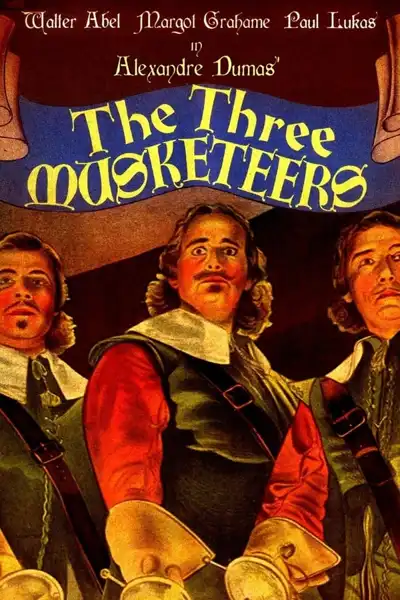
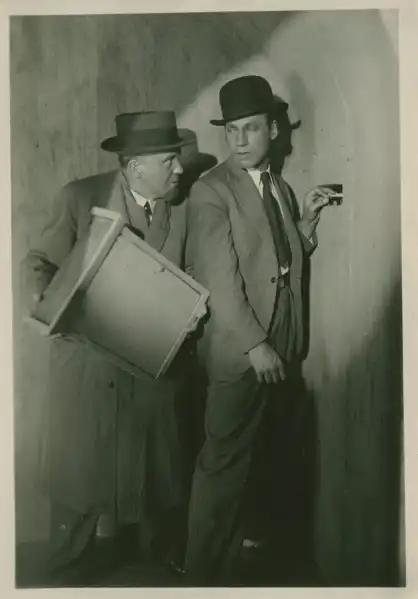
While Java Head may not possess the experimental verve of a Kino-pravda no. 3 or the comedic lightness of Bobby als Filmschauspieler, its enduring power lies in its ambitious attempt to tackle complex themes of cultural identity, prejudice, and the often-unforeseen consequences of personal choices. The film's writers, Waldemar Young and Joseph Hergesheimer, crafted a narrative that, for its time, was remarkably daring in its premise, even if its execution occasionally succumbed to the prevalent stereotypes. The performances, particularly that of Leatrice Joy, elevate the material beyond mere melodrama, imbuing the characters with a humanity that allows their struggles to resonate even today.
The 'unexpected consequences' promised by the plot summary indeed unfold with a tragic inevitability, culminating in a poignant resolution that underscores the difficulty of bridging vast cultural divides and the destructive power of societal intolerance. Java Head serves as a compelling reminder of the silent era's capacity for intricate storytelling and its willingness to engage with challenging social issues, even if through a lens that now appears antiquated. It is a film that invites contemporary audiences to look beyond its silent facade and appreciate its historical significance, its dramatic intensity, and the powerful, albeit sometimes flawed, portrayal of a world struggling to reconcile tradition with the inexorable march of change. It's a journey worth taking for any cinephile interested in the rich tapestry of early American cinema and its often-complex relationship with global identity.
IMDb —
1934
Community
Log in to comment.