DbcultAccessing Vault...
Cult Review
Senior Film Conservator
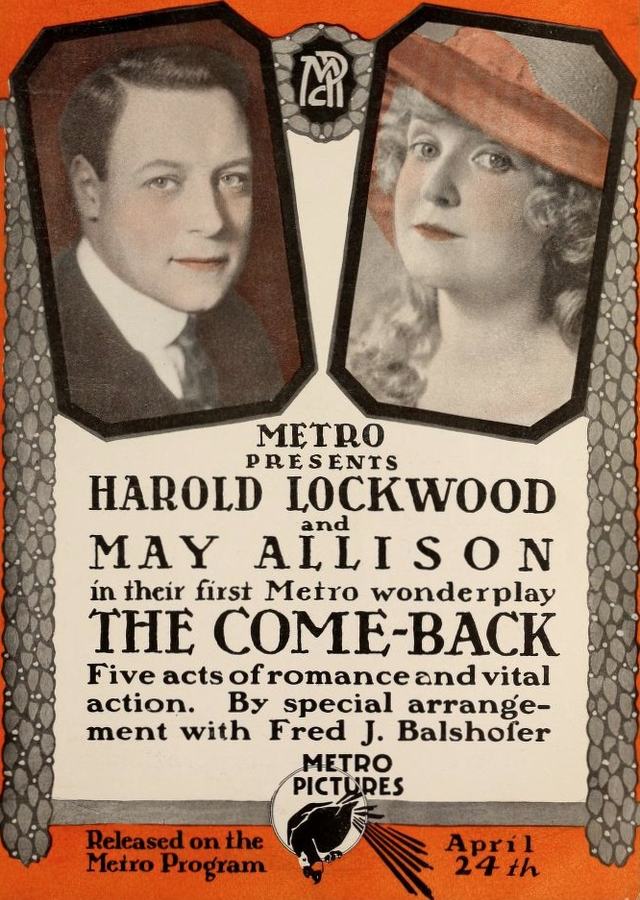
In the annals of early cinema, where narratives often served as moral compasses and reflections of societal ideals, The Come-Back (1915) emerges as a compelling, if somewhat archetypal, drama. This silent film, directed by Fred J. Balshofer, unfurls a tale as old as time: the prodigal son's arduous journey from urban decadence to rugged self-discovery. It’s a narrative steeped in the contrasts of city and wilderness, wealth and genuine worth, offering a poignant look at the transformative power of hardship and the enduring allure of honest labor. While many films of its era grappled with similar themes, The Come-Back distinguishes itself with its earnest portrayal of character evolution and its vivid, if melodramatic, depiction of moral corruption and eventual triumph.
Our protagonist, Burt Ridgeway, portrayed with a captivating blend of youthful naiveté and eventual resolve by Harold Lockwood, begins his cinematic journey firmly ensconced in the lap of luxury. As the scion of a powerful lumber king, Randall Ridgeway, Burt is initially depicted as a creature of comfort, largely oblivious to the rigors that underpin his family’s vast fortune. His father's concerns about crooked dealings in a northern Maine lumber camp spark a flicker of ambition in Burt, a desire to prove his capability. However, this nascent yearning for purpose is quickly overshadowed by the gravitational pull of the city's more superficial pleasures. We witness Burt's swift entanglement with Lotus de Valois, a professional dancer whose allure is as potent as it is ultimately superficial, and her calculating chaperon. This dalliance plunges him into a financial quagmire, a situation exacerbated by his father’s well-intentioned, yet perhaps misguided, attempt to instill fiscal responsibility. Randall Ridgeway offers his son a substantial sum, promising further rewards for every thousand dollars Burt manages to accrue. This 'test,' intended to foster business acumen, instead fuels Burt’s indulgence, leading him to squander a fortune on trinkets like a lavish lavaliere for Lotus. It’s a classic setup, reminiscent of a cautionary fable, where the path to self-improvement is paved with temptation and misguided parental efforts.
The film deftly establishes the moral decay infiltrating Burt’s urban existence. The lavish parties, the intoxicating presence of Lotus, and the ever-present shadow of his father’s wealth create a stark contrast with the rugged honesty of the lumber industry. This period of Burt's life is a fascinating exploration of the dangers of unchecked privilege, where genuine ambition is suffocated by immediate gratification. His father's growing disillusionment reaches a boiling point when Burt confesses his near-total financial ruin, compounded by an intoxicated confrontation that sees him disowned and banished from the family home. This pivotal moment, a classic narrative device, serves as the catalyst for Burt’s true journey. The expulsion from his gilded cage is not merely a punishment but a forced awakening, stripping him of his comfortable identity and compelling him towards a path of authentic self-discovery. It’s a narrative beat that resonates deeply, echoing timeless tales of exile and transformation, where true character is forged in the crucible of adversity.
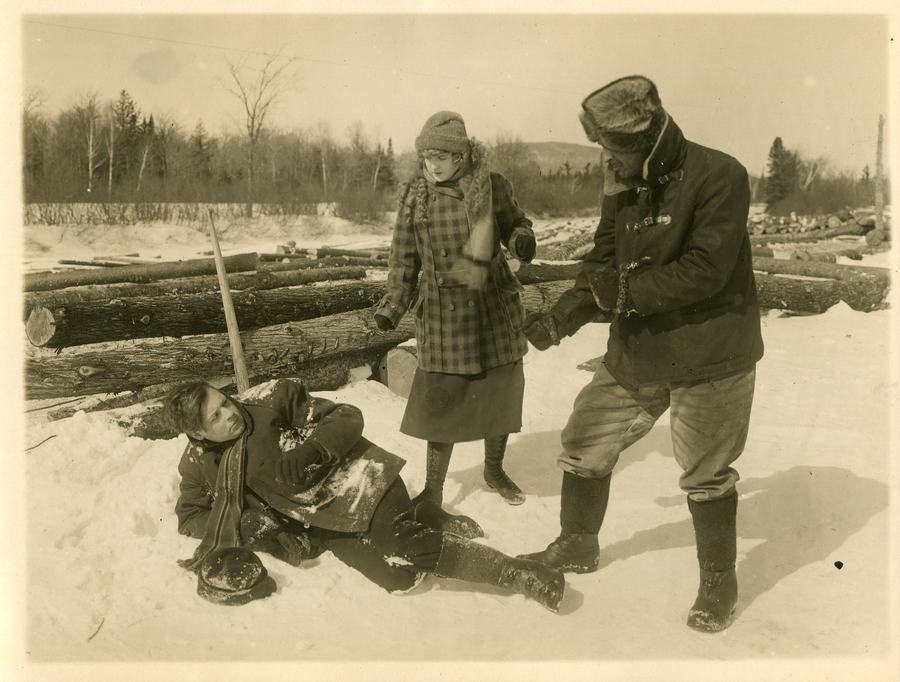
Burt's journey to the northern Maine lumber camp is not merely a change of scenery; it is a spiritual pilgrimage. The harsh, unyielding landscape becomes his new school, its demanding environment a stark instructor. Here, the effete city dweller is confronted with the raw, physical reality of existence, a world where strength, resilience, and ingenuity are paramount. His initial encounter with this brutal new reality is nothing short of humiliating. He meets Patta Heberton, a spirited 'girl of the woods' and the ward of the villainous Mac Heberton, whose natural charm immediately draws him in. However, their burgeoning connection is violently interrupted by 'Bully Bill,' a formidable camp foreman, brought to vivid, intimidating life by Mitchell Lewis. 'Bully Bill,' a man defined by his brute force and possessive jealousy, swiftly dispatches the dissipated Burt in a one-sided brawl, leaving him knocked cold and utterly shamed. This beating, however, is not a defeat but a crucial turning point. It shatters Burt's remaining illusions of urban superiority and ignites a fierce determination to prove his worth, not through inherited wealth, but through earned strength.
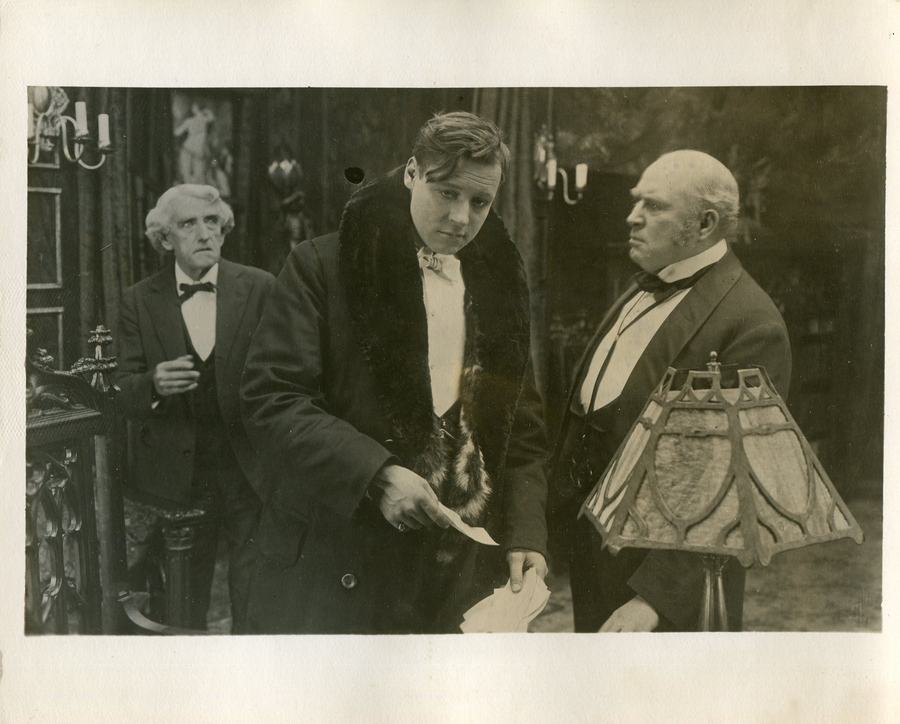
The subsequent montage of Burt's transformation is a powerful testament to the film's thematic core. He sheds the trappings of his former life, abandoning cigarettes and whiskey, and dedicates himself to rigorous physical training in the open air. This period of self-improvement is meticulously depicted, illustrating the gradual hardening of his body and the strengthening of his resolve. The film emphasizes the dignity of manual labor and the purity of a life lived close to nature. His 'come-back' is not just about physical prowess but about a complete moral and spiritual regeneration. This narrative arc, where a privileged individual finds redemption through arduous physical and moral trials in a natural setting, is a recurring motif in cinema, often found in films like Half a Hero, though perhaps less dramatically brutal in its initial setup. The contrast between Burt's initial weakness and his eventual triumph is deeply satisfying, particularly when he exacts his symbolic revenge on 'Bully Bill' during a holiday sports event. This second encounter is no longer a mismatch; Burt, now hardened and skilled, dispatches the bully with ease, earning not just the admiration of the crowd but, surprisingly, the lasting friendship of his former antagonist. It’s a potent symbol of his growth, demonstrating that true strength lies not in dominance, but in self-mastery and earned respect.
Beyond Burt's personal transformation, The Come-Back weaves in a compelling subplot of corporate malfeasance. The film cleverly uses a chance occurrence – a draft of wind carrying a check out of Mac Heberton’s office window – to propel the narrative forward. This seemingly minor event leads Burt to uncover the depth of Heberton’s fraudulent activities, systematically cheating his father out of thousands of dollars. The confrontation with the spineless bookkeeper, coerced by Heberton into maintaining a double set of books, is a moment of high tension. Burt, now radiating an authority born of integrity, threatens the terrified man, revealing his true identity as Ridgeway’s son. This scene is a powerful demonstration of Burt’s newfound leadership and moral courage, a far cry from the indecisive youth who once struggled with financial responsibility. The bookkeeper, finally pushed to his breaking point, confesses Heberton's elaborate scheme, a confession that almost costs Burt his life as the villainous Heberton, axe in hand, attempts a desperate, murderous ambush. It is 'Bully Bill,' the once-antagonist now loyal friend, who intervenes, staying Heberton’s hand and solidifying the theme of unexpected alliances forged through shared experience.
The investigation further reveals Heberton's deeper villainy: he has not only embezzled from Randall Ridgeway but has also kept Patta, his own ward, in ignorance of her rightful inheritance. A will left by Patta's grandfather names her the sole beneficiary of his estate upon her eighteenth birthday, a fact Heberton has diligently concealed to enrich himself. This revelation adds another layer of emotional complexity to the narrative, intertwining the personal quest for justice with the burgeoning romance between Burt and Patta. May Allison, as Patta Heberton, imbues the character with a quiet strength and natural charm, making her a fitting counterpart to Burt’s journey of self-discovery. Her presence in the rugged wilderness provides a moral anchor for Burt, a tangible symbol of the values he is learning to embrace. The film subtly suggests that his love for Patta is intrinsically linked to his newfound integrity, a love that blossoms in the authentic environment of the woods, far removed from the artificiality of his past urban dalliances. The resolution of this plotline sees Heberton arrested, justice served, and Patta’s rightful inheritance secured, neatly tying together the threads of financial corruption and personal betrayal.
Harold Lockwood, as Burt Ridgeway, carries the film with a commendable performance, effectively conveying the character’s arc from callow youth to resolute man. His facial expressions and body language, crucial in the silent era, clearly articulate his internal struggles and eventual triumph. May Allison, as Patta, provides a strong, empathetic presence, her portrayal of the 'girl of the woods' feeling authentic and grounded. Mitchell Lewis, as 'Bully Bill,' is a standout, embodying the raw physicality and eventual transformation of his character with memorable intensity. His shift from menacing antagonist to loyal ally is one of the film’s most engaging character developments, adding depth beyond simple villainy. The supporting cast, including Lester Cuneo, George Henry, Howard Truesdale, Bert Starkey, and Clarissa Selwynne, contribute to a believable, if somewhat theatrical, ensemble.
Fred J. Balshofer, as both writer and director, crafts a narrative that, while adhering to many silent film conventions, possesses a certain timeless appeal. The pacing is deliberate, allowing for character development and thematic exploration, a characteristic shared with other dramas of the period like The Masqueraders, which also focused on intricate human relationships and moral dilemmas. The cinematography, typical of its time, relies on clear, often static shots, but effectively captures the contrast between the opulent city and the rugged wilderness. The use of intertitles is effective in conveying dialogue and crucial plot points, though the visual storytelling itself is strong enough to carry much of the emotional weight. The film’s strength lies in its ability to translate a complex moral journey into compelling visual drama, relying on the actors' expressive performances and the clarity of its narrative structure.
The Come-Back is more than just a simple adventure story; it is a meditation on the nature of masculinity, the corrupting influence of unchecked wealth, and the redemptive power of honest labor and self-reliance. It champions the virtues of the wilderness over the perceived vices of the city, a common trope in American cinema and literature of the era. Burt’s journey embodies the ideal of the 'new man' – one who sheds the softness of privilege to embrace the strength forged through hardship. This theme of moral and physical regeneration in a frontier setting is a powerful and enduring one, resonating with audiences seeking narratives of personal growth and triumph over adversity. It speaks to a desire for authenticity, a yearning for a life of purpose beyond mere accumulation.
The film’s resolution, with Burt returning home a changed man, having brought justice to the corrupt Heberton and found love with Patta, is deeply satisfying. His father's 'joy beyond expression' is not just for his son's return, but for the profound transformation he has undergone. Burt's vivid description of Patta and her impending arrival in New York as his life's partner seals the narrative with a triumphant affirmation of love and partnership built on mutual respect and shared values. It’s a classic Hollywood ending, perhaps, but one that feels earned through the trials and tribulations Burt endures. In its exploration of corruption, redemption, and the search for genuine worth, The Come-Back stands as a testament to the enduring power of silent cinema to tell compelling stories that continue to resonate with audiences today, reminding us that true character is often forged not in comfort, but in the crucible of challenge. The film, much like its protagonist, earns its title, delivering a powerful message of hope and the possibility of profound personal transformation.
While not as widely remembered as some of its contemporaries, The Come-Back offers a fascinating glimpse into the moral storytelling prevalent in early 20th-century American cinema. Its thematic resonance regarding the corrupting influence of wealth and the redemptive qualities of hard work and integrity remains surprisingly relevant. For those interested in the evolution of narrative film and the enduring power of archetypal stories, this silent drama provides a rich and engaging experience. It’s a film that, despite its age, speaks to universal human experiences of falling, rising, and ultimately, finding one's true self amidst life's inevitable challenges.
A powerful testament to the enduring human spirit.

IMDb —
1927
Community
Log in to comment.