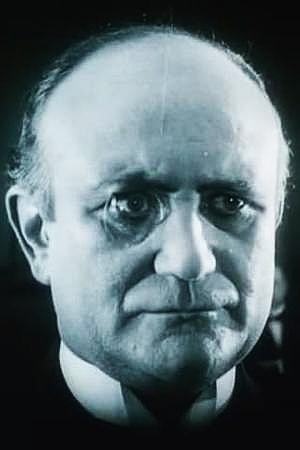
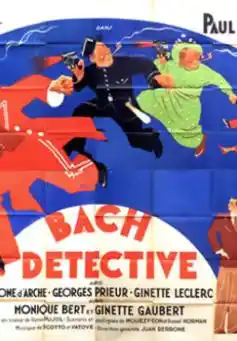
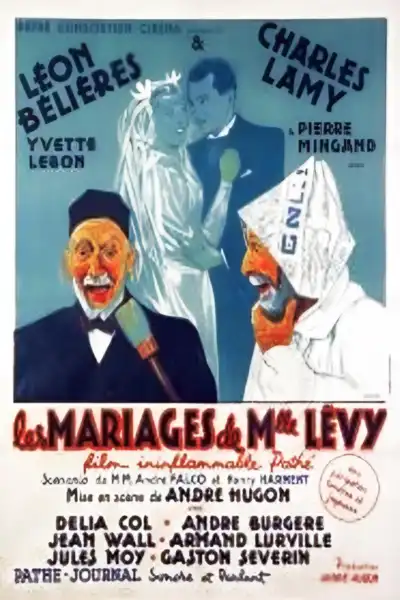
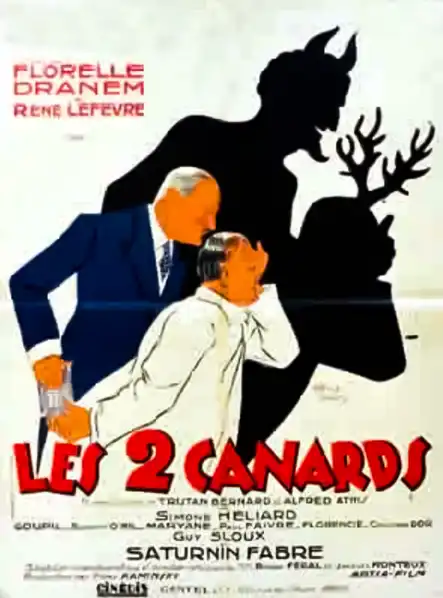
Philibert Bretonneau signs novels which are actually written by Moluchet, his secretary, secretly in love with Bretonneau's charming wife, Pauline..
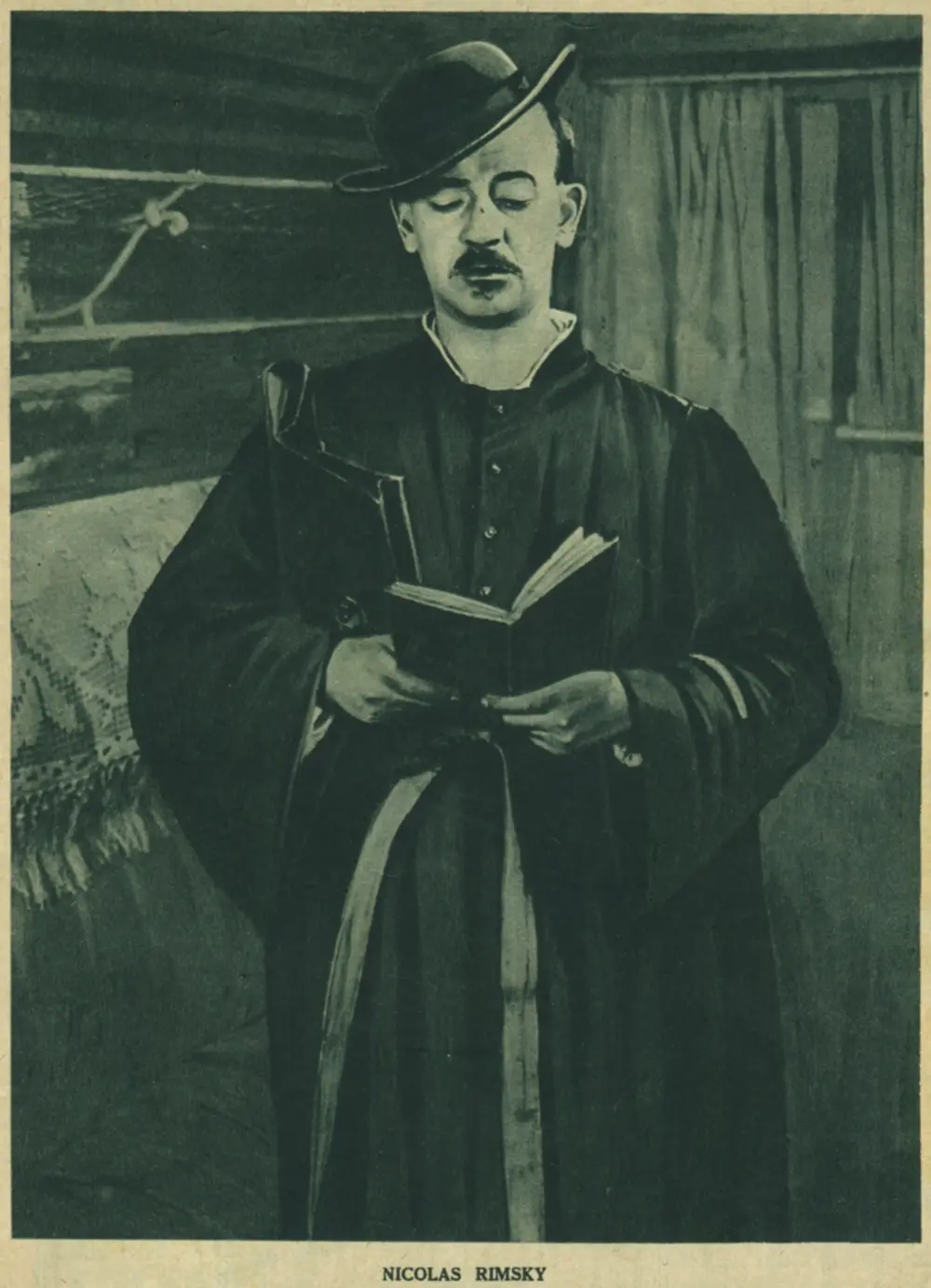
Is Jim la houlette, roi des voleurs still a relevant watch in the modern era? Short answer: yes, but only if you appreciate the specific eccentricity of 1920s French farce and can tolerate a narrative that prioritizes slapstick over logic.This film is for the dedicated silent cinema enthusiast who wants to see the earl...
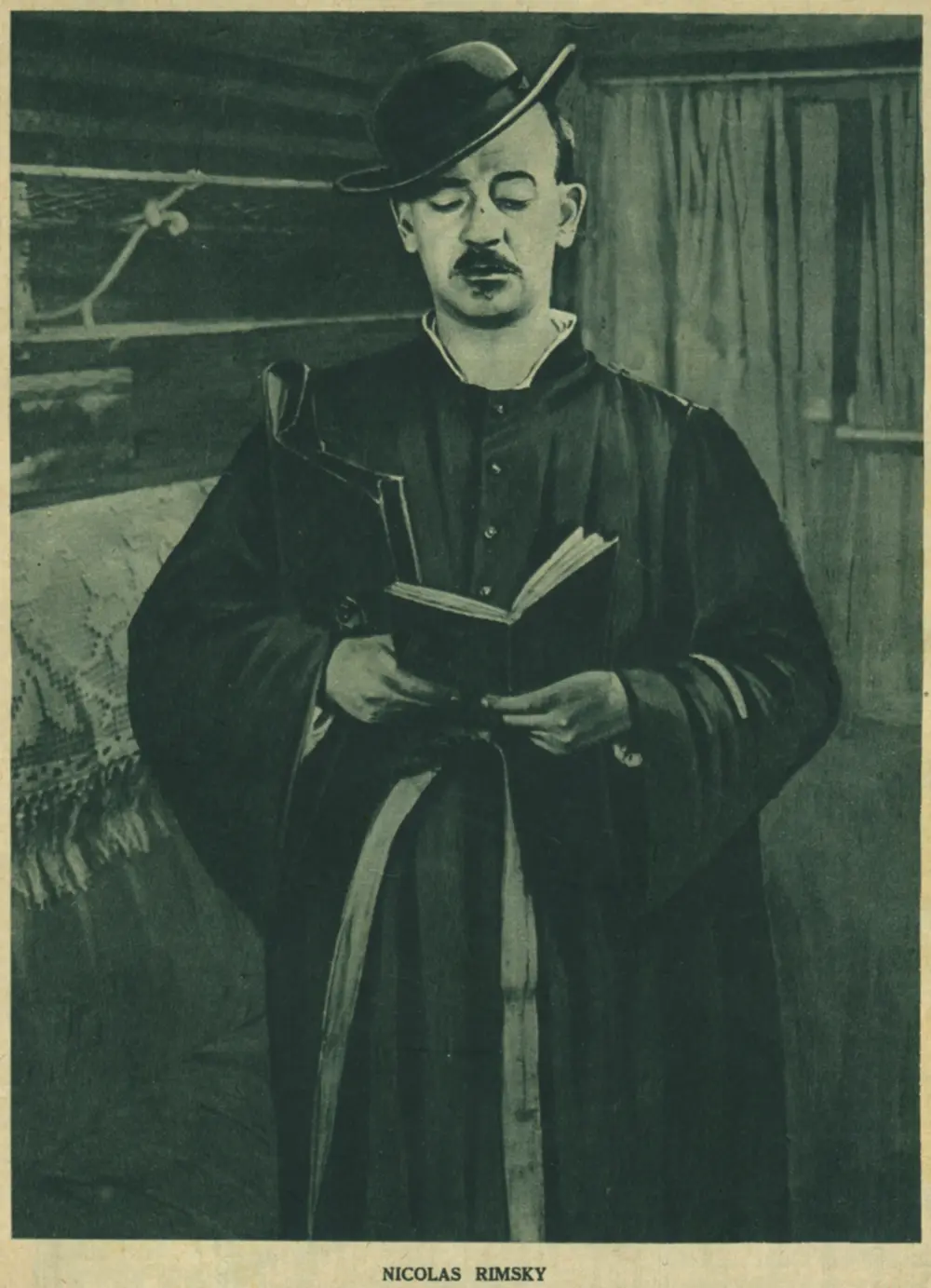
production_art
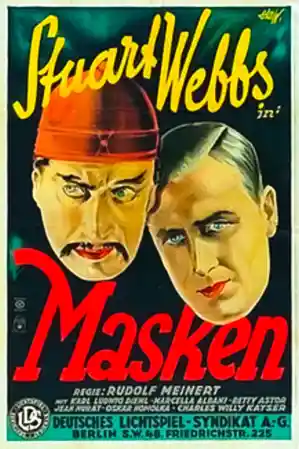
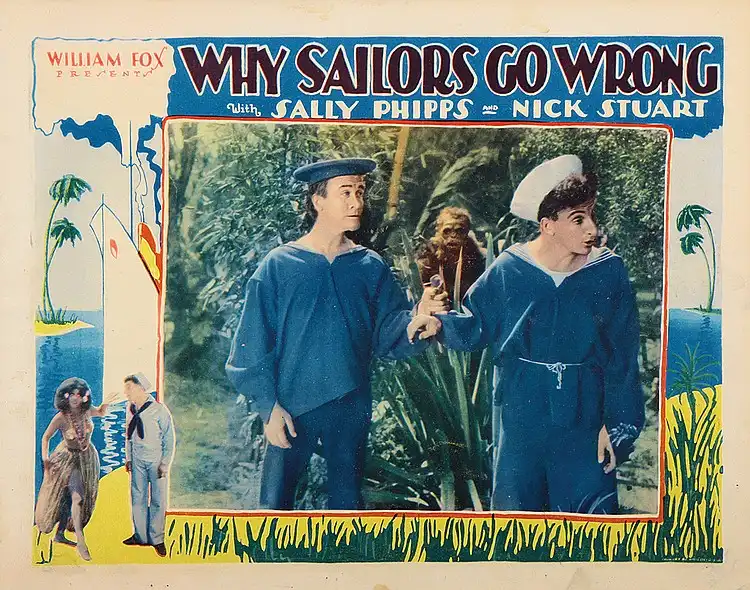
Comparing the cinematic DNA and archive impact of two defining moments in cult history.
Pierre Colombier
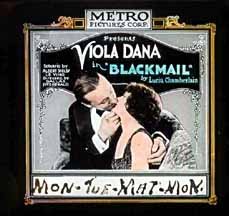
Dallas M. Fitzgerald
Community
Log in to comment.
"Is Jim la houlette, roi des voleurs still a relevant watch in the modern era? Short answer: yes, but only if you appreciate the specific eccentricity of 1920s French farce and can tolerate a narrative that prioritizes slapstick over logic.This film is for the dedicated silent cinema enthusiast who wants to see the early evolution of the 'imposter' trope. It is absolutely not for anyone who requires high-octane action or a plot that holds up to rigorous scrutiny.Critical Evaluation: The Direct Ve..."

Nicolas Rimsky
Jean Guitton, Raoul Ploquin, Michel Linsky
France
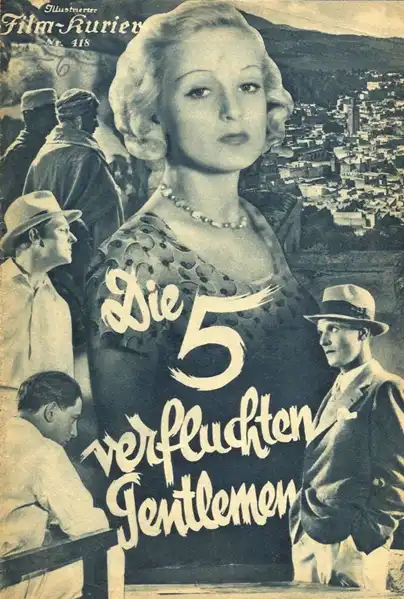
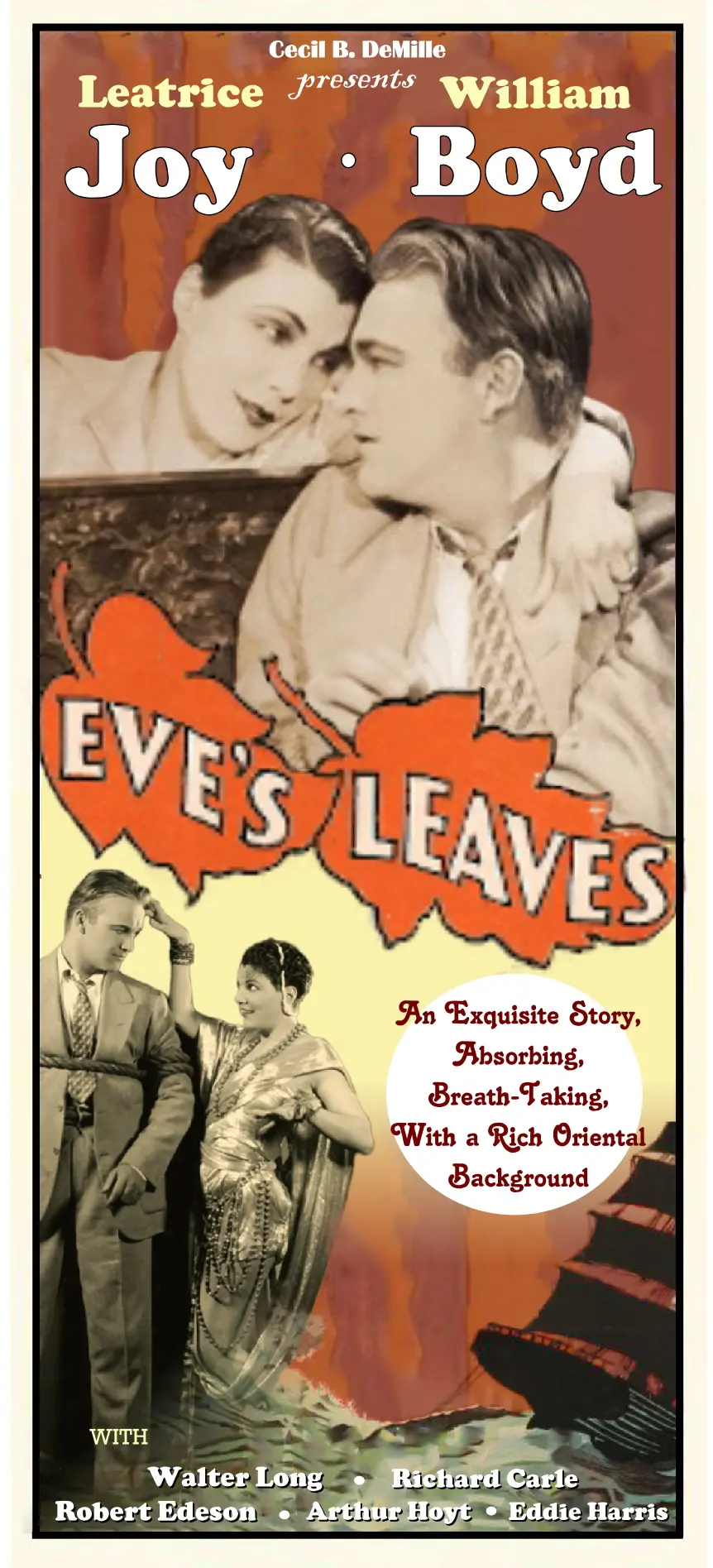
Deep dive into the cult classic
Discover similar cinematic experiences
A Directorial Spotlight on Pierre Colombier