DbcultAccessing Vault...
Cult Review
Senior Film Conservator
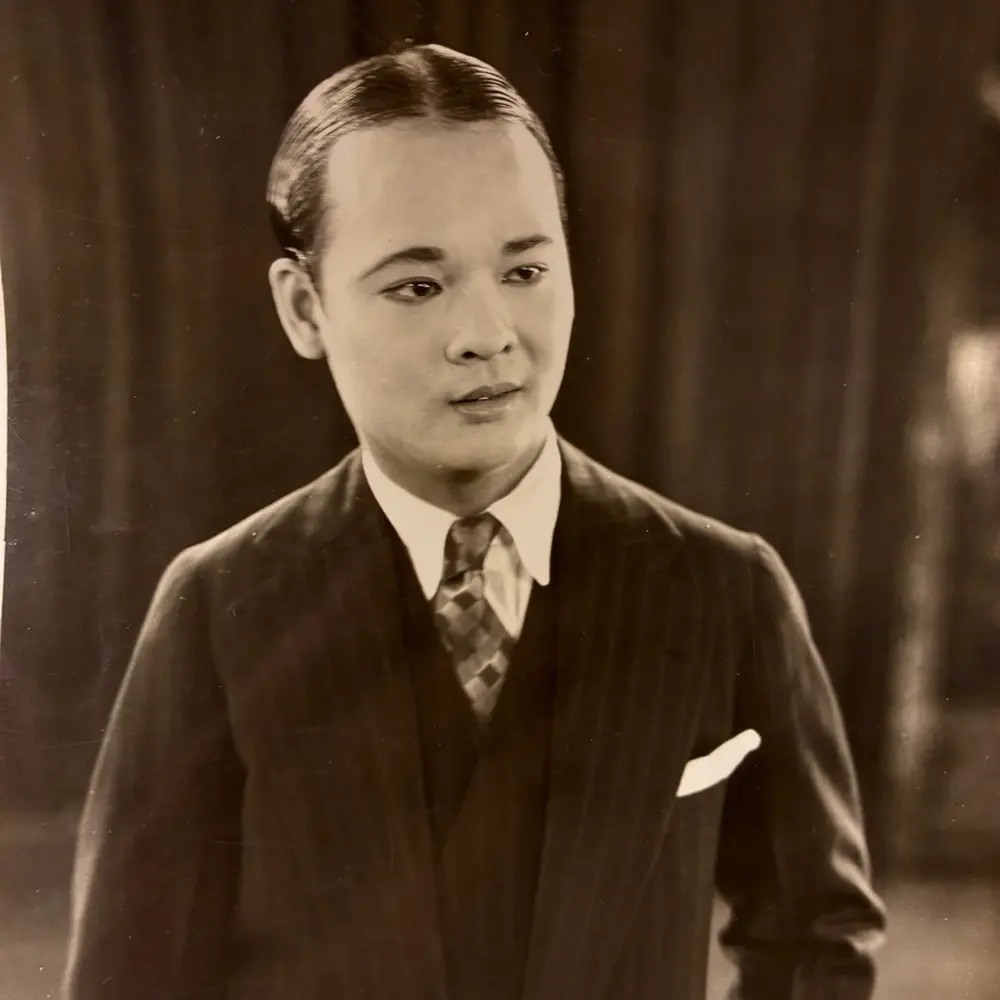
This film is a curiosity that barely qualifies as cinema. It works because Joe Wong is a genuinely talented musician whose skill on the violin transcends the primitive recording technology of 1929. It fails because the static, uninspired direction of Bryan Foy offers nothing to look at, treating the camera like a bored spectator in the fifth row. You should watch it if you are a scholar of the Vitaphone era or the history of Asian-American performers; you should avoid it if you expect a movie with actual production value.
For the average viewer, the answer is no. This is a technical exercise from the dawn of sound, and it feels like one. However, for those interested in how vaudeville stars were packaged for the screen, Wong provides a fascinating study. He isn't just a novelty act; he is a proficient performer trapped in a medium that hadn't yet learned how to move. Unlike the more polished features of the same year, such as The French Doll, this short is stripped of glamour and narrative, leaving only the performer and the microphone.
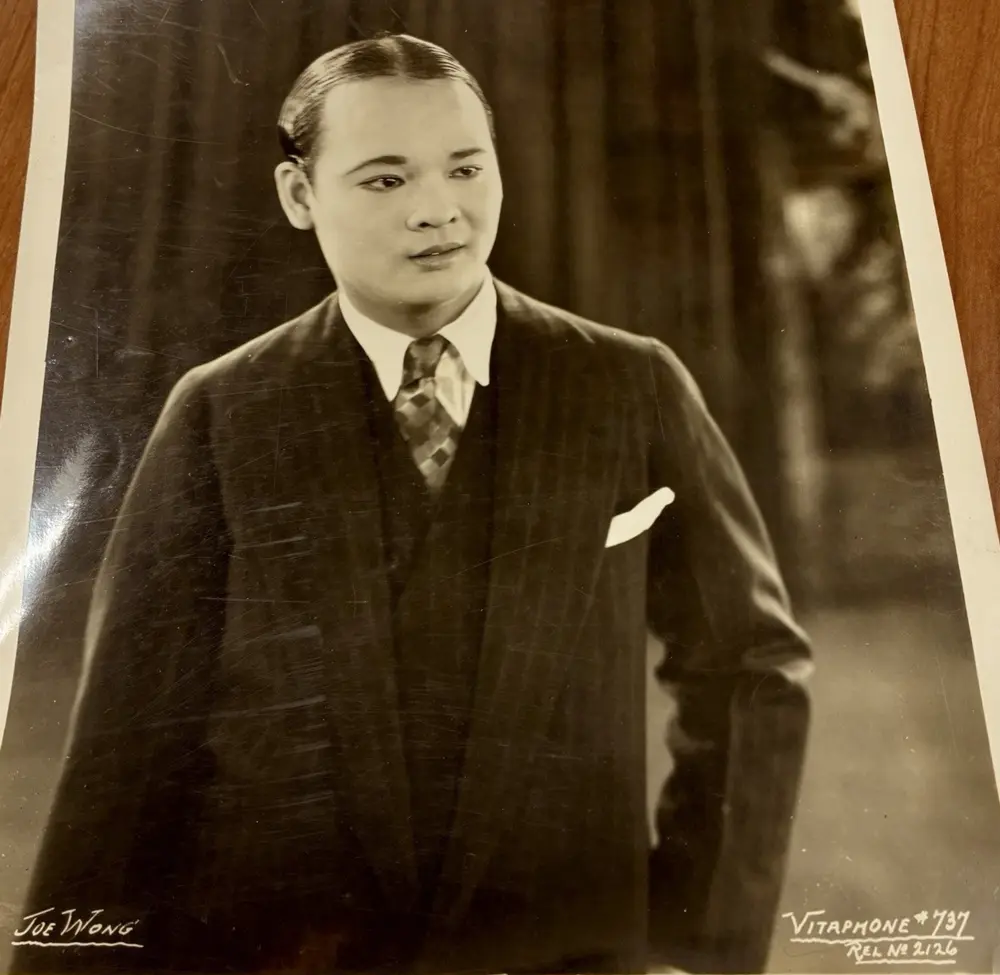
Bryan Foy was known for churning out these shorts, and his lack of imagination is on full display here. The camera never moves. There are no close-ups to capture Wong's expressions, and no edits to provide rhythm. It is a flat, one-dimensional experience. This rigidity was common in early talkies, where the fear of losing synchronization with the sound disc dictated a theatrical, wide-angle approach. While a film like Jack and Jill might rely on silent-era visual cues, Wong’s short is entirely dependent on the novelty of hearing a voice come from a screen.
The audio quality is predictably thin. Wong’s jazz vocals have that pinched, nasal quality typical of the period's recording equipment. Yet, when he picks up the violin, the film briefly finds its pulse. There is an aggressive competence in his playing that cuts through the hiss of the track. It is the only moment where the film feels like it has a reason to exist beyond being a technical demo.
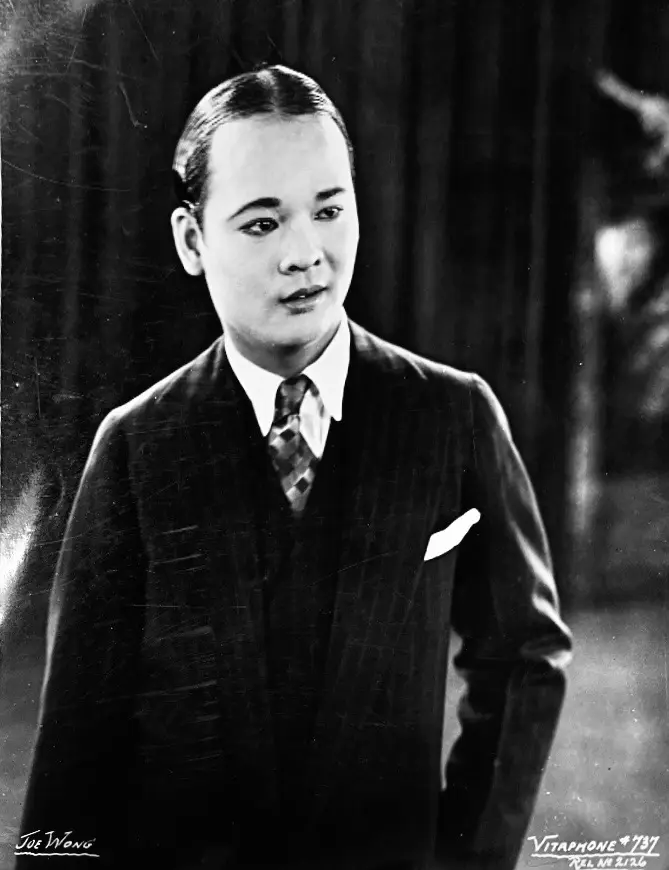
The industry in 1929 was obsessed with labels. Billed as the "Chinese Jazz Boy," Wong was clearly being sold as an exotic outlier in the jazz world. Despite this, his performance is remarkably standard for the era—he isn't playing into heavy caricatures, but rather performing the same songbook as his white contemporaries. This creates a strange tension. The film wants him to be a novelty, but his talent makes him feel like a professional who is simply doing his job. It lacks the thematic weight of a film like Israël, but it offers a more honest look at the working life of a minority performer than most scripted features of the time.
Wong’s violin work is the only thing that saves this from being a total slog. He plays with a ferocity that the camera is too timid to capture.
Pros:
The performance is a rare document of an Asian-American jazz artist in the 1920s. It avoids some of the more egregious racial pantomime seen in other shorts of the era. The musicality is genuine.
Cons:
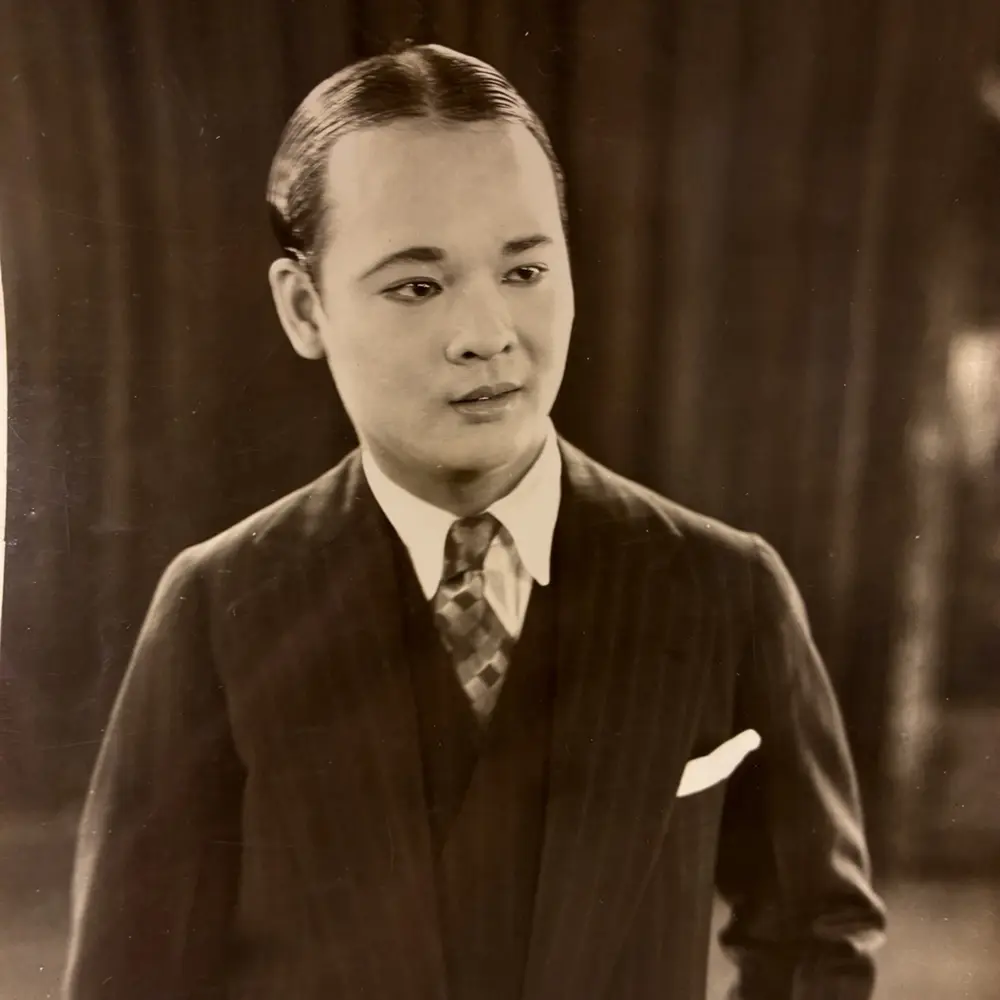
The production is lazy. The background is a generic stage flat. The audio sync is often slightly off, which is distracting. It’s essentially a filmed rehearsal with no artistic flair.
Joe Wong, the Chinese Jazz Boy is a dry, technical artifact. While Wong himself is a capable and energetic presence, the film around him is a vacuum. It possesses none of the charm found in contemporary silent-to-sound transitions like A Game of Wits. It is a piece of evidence, not a piece of art. If you want to see a man play the violin in a suit for nine minutes, this is your film. Otherwise, it is a footnote that can be safely skipped by anyone who isn't writing a thesis on 1929 Vitaphone discs.
IMDb 6.8
1920
Community
Log in to comment.