DbcultAccessing Vault...
5.1/10
Senior Film Conservator
A definitive 5.1/10 rating for a film that redefined the boundaries of cult cinema. The Detectress remains a cornerstone of transgressive art.
Stepping back into the nascent days of cinema, when the silver screen flickered with a magic born of movement and expression rather than dialogue, one occasionally stumbles upon a true, unvarnished delight. Such is the case with The Detectress, a 1919 silent comedy that, despite its age, still possesses a vibrant, infectious energy. This isn't merely a historical curiosity; it's a testament to the timeless appeal of well-executed physical comedy and a cleverly woven narrative thread, however deceptively simple it may appear on the surface. For those accustomed to the intricate plots of contemporary thrillers, or even the grand historical epics like Veritas vincit, The Detectress offers a refreshing palate cleanser, a reminder that sometimes, the greatest cinematic pleasures are found in the most unassuming packages.
At the heart of The Detectress is the incomparable Gale Henry, whose performance as the aspiring sleuth Lizzie is nothing short of captivating. Henry, a formidable comedic talent of the silent era, brings a unique blend of wide-eyed earnestness and clumsy determination to her character. She embodies Lizzie with such conviction that even her most absurd predicaments feel genuinely earned. Her physical comedy is precise, her facial expressions exquisitely timed to convey a spectrum of emotions from intense concentration to bewildered frustration. One cannot help but draw parallels to other comedic luminaries of the period, though Henry carves out a niche all her own. Her ability to command the screen without uttering a single word is a masterclass in non-verbal communication, a skill that often feels lost in today's dialogue-heavy productions. She doesn't just act; she performs, every gesture, every tilt of the head, a deliberate brushstroke in her comedic portrait.
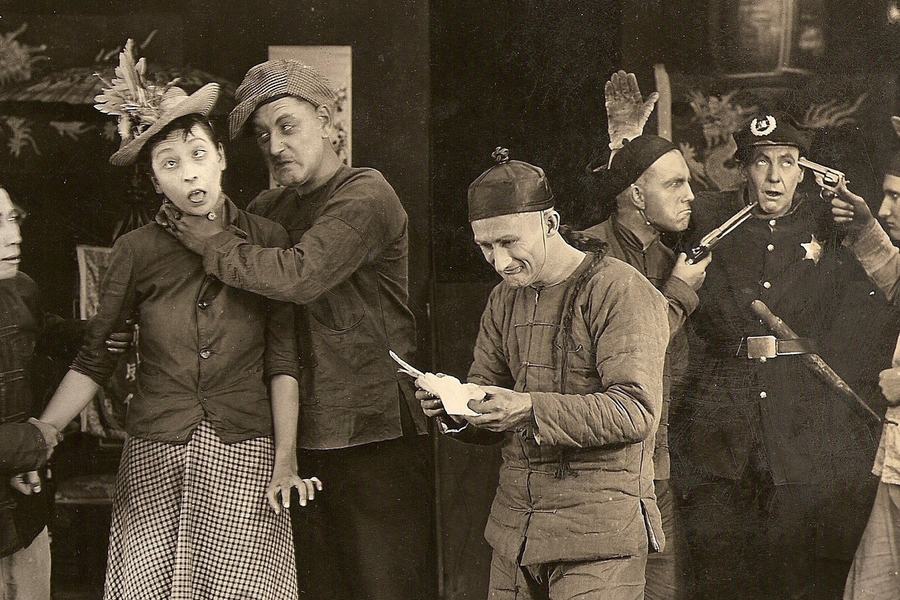
The film’s central premise, a delightful piece of dramatic irony, hinges entirely on Lizzie’s obliviousness. Tasked with retrieving stolen papers, she plunges headlong into the bustling, exotic milieu of Chinatown, a setting that, in early cinema, often served as a stage for intrigue and mystery. Yet, the true 'mystery' is far simpler and closer at hand. Henry's portrayal of Lizzie's unwavering belief in the external chase, even as the solution resides literally within her grasp, is what elevates this film from a simple gag to a charming character study. It's a comedic testament to the human tendency to overcomplicate, to seek grand adventure when the answer lies in plain sight. This thematic subtlety, nestled within a slapstick framework, is what gives The Detectress its lasting resonance, distinguishing it from more straightforward farces like Double Trouble, which often relied on external chaos for its humor.
The choice of Chinatown as the primary setting is a fascinating one, reflecting the era's fascination with and often exoticized view of non-Western cultures. While today's sensibilities might question some of the cultural portrayals, in the context of its time, it provides a visually rich and dynamic backdrop for Lizzie's misadventures. The crowded streets, the intricate architecture, the unfamiliar customs – all contribute to Lizzie's sense of being out of her depth, amplifying the comedic effect of her earnest, yet ultimately futile, search. It's a world distinct from the more conventional domestic settings seen in films like Cheerful Givers or The Old Maid's Baby, injecting an element of urban adventure that feels both grand and intimate. The film utilizes this environment not just as scenery, but as an active participant in the comedy, with its bustling activity often contributing to Lizzie's confusion and near misses.
While Gale Henry undeniably carries the film, the supporting cast, including Eddie Baker, Milburn Morante, Hap Ward, and Richard C. Currier, contribute to the overall comedic tapestry. Their reactions to Lizzie’s antics, often a mix of bemusement and exasperation, serve to ground her outlandish behavior in a semblance of reality. These are not merely foils; they are essential components of the comedic ecosystem, providing the straight men and women against whom Lizzie’s eccentricities truly shine. The collaborative nature of early filmmaking, where individual credits were often less prominent, means that much of the ingenious staging and visual gags can be attributed to an uncredited collective effort. This highlights a crucial aspect of early cinema: the artistry often emerged from a communal pool of talent, a stark contrast to the singular auteur vision sometimes celebrated in more modern works like The Master Passion, where a strong directorial hand is more evident.
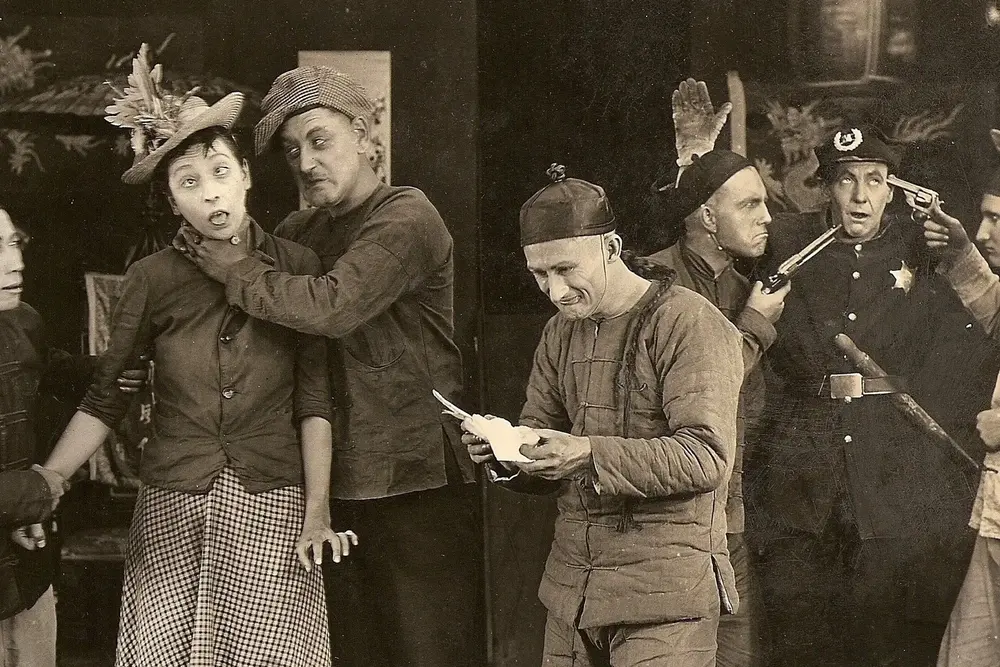
What truly distinguishes The Detectress is its masterful deployment of visual gags. In an era before synchronized sound, filmmakers had to rely solely on images, intertitles, and the performers' artistry to convey narrative and emotion. This film excels in this regard. Every frame is meticulously composed to maximize comedic impact, from Lizzie’s exaggerated movements to the subtle reactions of those around her. The pacing is brisk, a rapid succession of comedic beats that keeps the audience engaged and amused. There’s a particular ingenuity in how the film builds suspense and then deflates it with a perfectly timed visual punchline. It’s a testament to the sophistication of silent film comedy, proving that laughter transcends spoken language. The narrative, while simple, is elegantly constructed, leading Lizzie through a series of increasingly elaborate scenarios that all, ironically, bring her closer to the truth she already possesses. This kind of structural wit, where the journey itself is the punchline, is a hallmark of truly clever comedic writing, akin to the self-referential humor found in some of today's more avant-garde works, though delivered with a charming, almost innocent directness.
Released at a time when cinema was rapidly evolving, The Detectress stands as a charming example of the burgeoning art form's capacity for lighthearted entertainment. It predates the more complex character studies of later decades, yet it lays foundational groundwork for comedic tropes that would endure for generations. The idea of a protagonist unwittingly holding the solution to their own problem is a classic comedic device, and The Detectress executes it with admirable clarity and humor. It reminds us that even in the early days, filmmakers were adept at exploring human foibles and finding humor in the everyday absurdities of life. Comparing it to the profound introspection of a film like Male and Female or the dramatic tension of The Transgressor, one recognizes the sheer breadth of cinematic expression emerging from this period. The Detectress doesn't aim for grand statements; its ambition is simply to entertain, and in that, it succeeds magnificently.
The film also provides a fascinating glimpse into the cultural attitudes and visual language of its time. The portrayal of Chinatown, while perhaps stereotypical by modern standards, was likely intended to evoke a sense of exoticism and adventure for contemporary audiences. It’s a valuable artifact for understanding how different cultures were represented on screen and how these representations contributed to the narrative. The sheer vivacity of the setting, captured through early cinematic techniques, adds a layer of documentary-like authenticity to the fantastical plot. Unlike the more allegorical or religiously themed films such as Tepeyac or Mohini Bhasmasur, The Detectress remains firmly rooted in the observational humor of human error, a universal theme that transcends cultural specificities.
Ultimately, The Detectress is more than just a series of comedic mishaps; it's a subtle commentary on perception and reality. Lizzie's intense focus on the external world, her unwavering belief that the 'stolen' papers must be found 'out there,' prevents her from seeing what is already hers. This theme of self-deception, of looking for answers everywhere but within, resonates deeply. It’s a comedic parallel to the more dramatic explorations of internal conflict found in films like Confession or The Moth and the Flame, albeit presented with a much lighter touch. The revelation, when it finally comes, isn’t a grand, earth-shattering moment but a quiet, almost embarrassing realization, which only enhances the film's charm. It's a gentle reminder that sometimes, the greatest mysteries we face are the ones we inadvertently create for ourselves. This timeless message, delivered through the exquisite comedic timing of Gale Henry, ensures that The Detectress remains a delightful and surprisingly insightful piece of cinematic history.
In a world often saturated with complex narratives and high-stakes drama, there's something incredibly refreshing about a film that finds its humor and its heart in such a simple, yet profoundly human, predicament. The Detectress, with its vibrant performances and clever construction, serves as a delightful time capsule, preserving a particular brand of comedic genius from an era long past. It’s a film that deserves to be rediscovered, celebrated not just for its historical significance, but for its enduring capacity to evoke genuine laughter and a knowing smile. It certainly stands apart from the starker realism of films like Die Ratte, offering instead a buoyant, optimistic take on human fallibility. If you're seeking a dose of classic charm and an earnest chuckle, give The Detectress a watch; it's a small film with a big heart, and a wonderfully witty punchline tucked away in its pocket.
IMDb 6.5
1923
Community
Log in to comment.