DbcultAccessing Vault...
Cult Review
Senior Film Conservator
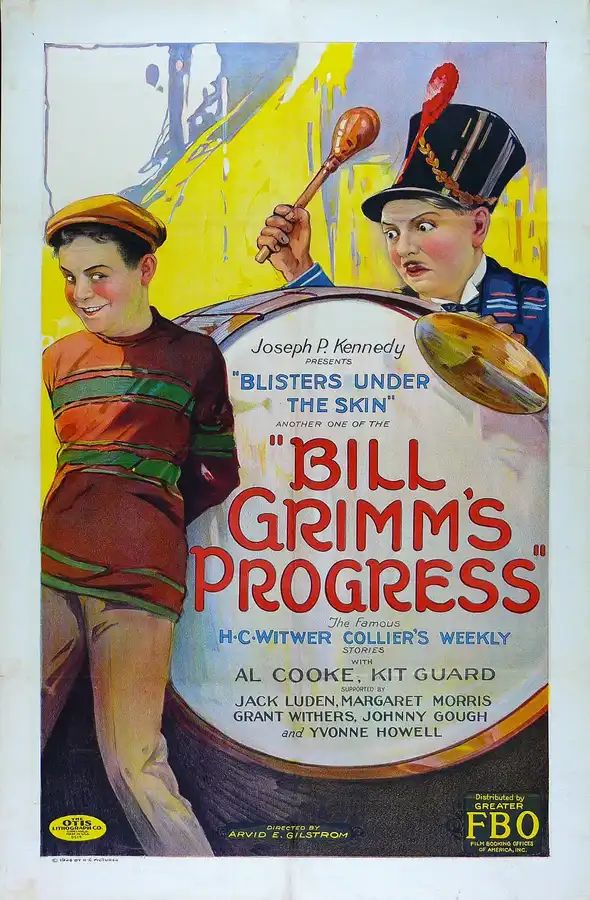
Short answer: yes, but with significant caveats. Blisters Under the Skin is a fascinating, if sometimes grueling, cinematic artifact that offers a window into the raw emotional storytelling of the silent era. It’s a film that demands patience and a willingness to engage with its particular brand of melodrama, but rewards those who do with moments of genuine pathos.
This film is absolutely for anyone with a keen interest in silent cinema, early feminist narratives, or those who appreciate character-driven dramas centered on resilience. It’s a powerful experience for viewers who can overlook the technical limitations of its time and embrace its unique narrative rhythm. However, if you’re accustomed to fast-paced modern storytelling, require crisp dialogue, or are easily deterred by a somber tone, this might not be the entry point into silent film you’re looking for. Its deliberate pacing and the intensity of its emotional landscape can be challenging for contemporary audiences.
Blisters Under the Skin, a silent film from the creative minds of H.C. Witwer and Beatrice Van, is a stark, compelling drama that, even a century later, manages to prick at the conscience. It’s a narrative steeped in the kind of human struggle that feels timeless, set against a backdrop that emphasizes isolation and the relentless march of fate. While it may not be a household name like some of its contemporaries, its quiet power and the sheer force of Margaret Morris’s performance make it a film deserving of renewed attention, particularly for those willing to look beyond the surface of early cinema.
The film’s central conceit, that of hidden pain and the enduring spirit, is expertly woven into the fabric of its protagonist, Elara. Her odyssey is not merely physical; it is a profound internal battle against despair, betrayal, and the crushing weight of responsibility. This isn't a story of grand gestures or sweeping romance; it's a testament to the everyday heroism found in simply putting one foot in front of the other, even when every fiber of your being screams for rest.
This film works because of Margaret Morris’s utterly captivating central performance, which anchors the raw emotional core of the narrative. It fails because its pacing can feel punishingly slow in its second act, testing the endurance of even the most dedicated viewer. You should watch it if you appreciate a challenging, character-driven silent drama with a powerful, albeit bleak, message about human resilience.
The narrative thrust of Blisters Under the Skin is deceptively simple: a young woman, Elara, embarks on a desperate quest to find aid for her ailing sibling. Yet, within this straightforward premise lies a complex exploration of human endurance. The writers, Witwer and Van, forgo easy answers, opting instead for a portrayal of suffering that feels deeply authentic. Elara’s journey is not just a physical traversal of rugged terrain; it's a psychological crucible where her faith, hope, and very spirit are tested.
The film’s title itself is a brilliant metaphor, suggesting the invisible, internal wounds that accumulate from hardship. We witness Elara’s physical decline – the exhaustion, the hunger, the relentless sun – but it’s the quiet moments of despair, the flicker of doubt in her eyes, that truly convey the ‘blisters under the skin.’ This is a story about how trauma leaves its mark, not always visibly, but profoundly, shaping the individual long after the immediate crisis has passed.
The encounter with Al Cooke’s character, a seemingly benevolent stranger who turns out to be a deceitful opportunist, serves as a pivotal turning point. It shatters Elara’s fragile trust, forcing her to confront the harsh reality that even in her most vulnerable state, she cannot rely on the kindness of others. This betrayal is not just a plot device; it’s a thematic reinforcement of the film’s bleak worldview, suggesting that resilience often comes at the cost of profound disillusionment.
It’s impossible to discuss Blisters Under the Skin without singling out Margaret Morris’s tour-de-force performance. As Elara, Morris delivers a masterclass in silent film acting, conveying a universe of emotion through subtle gestures, expressive eyes, and a physicality that speaks volumes. Her portrayal of Elara is not overtly dramatic in the theatrical sense; instead, it’s a nuanced, deeply internal performance that resonates with raw authenticity.
Consider the scene where Elara, having been betrayed, collapses by a dry riverbed. There are no histrionics, no exaggerated cries. Instead, Morris conveys utter defeat through the slump of her shoulders, the slow, deliberate closing of her eyes, and a single tear tracing a path through the dust on her cheek. It’s a moment of quiet despair that feels agonizingly real, a stark contrast to the broader strokes often seen in silent melodramas. This is not just acting; it's an inhabitation of character, a profound understanding of human suffering.
Morris’s ability to sustain this intensity throughout the film is remarkable. She carries the emotional weight of the narrative almost single-handedly, making Elara’s plight feel deeply personal and immediate. It’s a performance that solidifies her as one of the unsung talents of the silent era, capable of conveying complex emotional states without a single spoken word. Her work here is a testament to the power of non-verbal communication in cinema, proving that sometimes, the most profound stories are told in silence.
The direction, though uncredited in some records, demonstrates a clear vision for the film’s tone and aesthetic. The filmmakers lean heavily into the vast, indifferent landscapes, using them not just as a backdrop but as an active participant in Elara’s struggle. The wide shots of Elara, a tiny figure against an immense, arid expanse, immediately establish her vulnerability and the overwhelming odds stacked against her. This directorial choice effectively amplifies the sense of isolation and the sheer scale of her challenge.
The cinematography, while perhaps not groundbreaking for its time, is effective in its stark realism. There’s a deliberate lack of romanticism in the portrayal of the frontier; it’s depicted as a place of harsh beauty and brutal indifference. The camera often lingers on the details of Elara’s suffering – her cracked lips, her blistered feet (implied, naturally, given the title), the dust clinging to her tattered clothes. These close-ups are not gratuitous; they serve to ground the emotional narrative in a tangible, physical reality, making her struggle all the more visceral.
One particularly effective sequence involves a montage of Elara’s desperate attempts to find water. The quick cuts between her digging, the barren earth, and her increasingly desperate expression build a palpable sense of urgency and hopelessness. It’s a simple but powerful piece of visual storytelling that drives home the crushing reality of her predicament. The filmmakers understand that the environment itself can be a character, and here, it is an antagonist as formidable as any human villain.
The pacing of Blisters Under the Skin is undeniably deliberate, almost languid in its progression, particularly through the central journey sequences. This slow burn is both its greatest strength and its most significant hurdle for modern viewers. It allows the audience to truly immerse themselves in Elara’s arduous trek, feeling the weight of each step, the passage of time, and the gradual erosion of her spirit. This isn't a film that rushes to its conclusions; it invites contemplation.
However, this deliberate pace can, at times, border on tedious. There are stretches, particularly after the betrayal, where the narrative momentum flags, relying almost entirely on Morris’s ability to hold the screen with her quiet suffering. While her performance is stellar, the lack of external plot developments during these periods can test the patience of even dedicated silent film enthusiasts. It's a choice that prioritizes emotional realism over narrative dynamism.
The tone is consistently somber, bordering on bleak. While there are fleeting moments of hope, they are quickly overshadowed by renewed hardship. This unwavering commitment to a realistic portrayal of suffering gives the film its potent emotional punch. It never shies away from the harsh realities of its world, offering a raw, unflinching look at survival. This refusal to sugarcoat the narrative is, in my opinion, a brave and commendable choice, setting it apart from more overtly sentimental melodramas of the era, such as Remember.
One surprising observation I made while watching Blisters Under the Skin is how much it anticipates the stark realism found in later cinematic movements, particularly Italian Neorealism, despite being a silent film from the 1920s. Its focus on the struggles of ordinary people, the harshness of their environment, and the unvarnished depiction of suffering feels remarkably ahead of its time. It’s a testament to the power of simple, honest storytelling, eschewing the theatricality often associated with the silent era.
Blisters Under the Skin is not an easy watch, nor is it a film that will appeal to everyone. Its power lies in its unflinching portrayal of human suffering and resilience, anchored by a truly exceptional performance from Margaret Morris. While its slow, deliberate pacing and consistently somber tone might deter some, those who commit to its unique rhythm will find a deeply affecting and surprisingly modern silent drama. It’s a film that reminds us that some wounds are invisible, but no less profound. For its artistic integrity, its powerful central performance, and its enduring thematic relevance, it earns a solid recommendation for the discerning cinephile. It’s a film that leaves its own kind of mark, a quiet ache that lingers long after the final fade to black, much like the unseen blisters it so poignantly depicts. A challenging yet rewarding experience, truly a testament to the enduring power of early cinema.

IMDb 5.9
1920
Community
Log in to comment.