DbcultAccessing Vault...
7.8/10
Senior Film Conservator
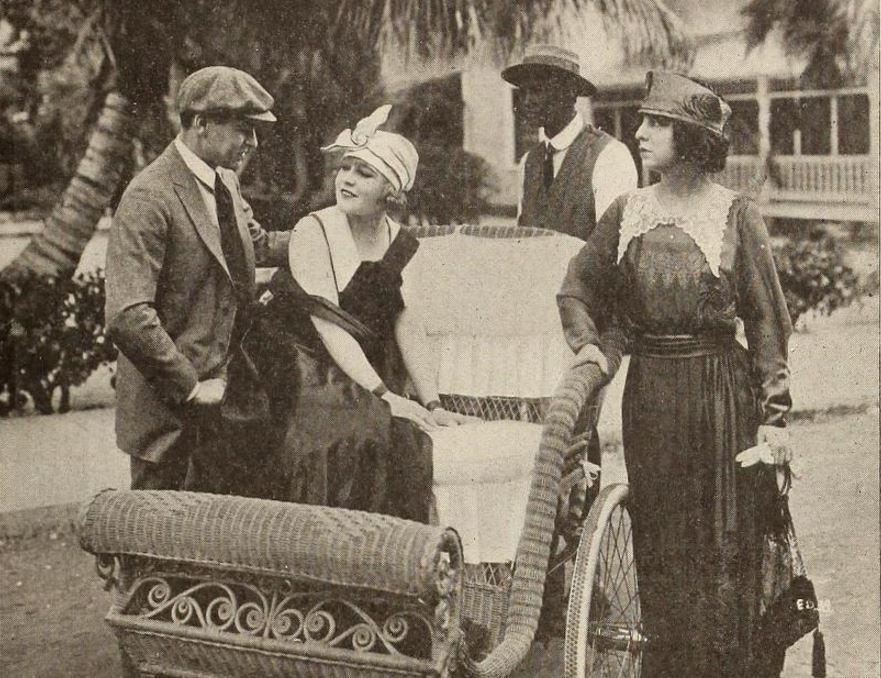
A definitive 7.8/10 rating for a film that redefined the boundaries of cult cinema. Journey's End remains a cornerstone of transgressive art.
Ah, the early days of cinema! A time when narratives, though often simpler in their technical execution, frequently grappled with themes that remain startlingly modern. Case in point: Journey's End, a fascinating relic from 1918, which plunges headfirst into the tumultuous waters of marital discord and the rather avant-garde concept of a 'freedom contract.' It's a film that, even through the lens of a century, speaks volumes about trust, jealousy, and the sometimes-absurd lengths to which human hearts will go to find their way back home.
Our story unfurls with Aline Marsden, portrayed with what one can only imagine as a captivating blend of wounded pride and steely resolve by Ethel Clayton. Aline discovers her husband, Phil, is engaging in a rather public flirtation with Bernice De Armond, a musical-comedy actress, a role that likely demanded a certain vivaciousness. Instead of succumbing to the expected histrionics, Aline, bolstered by her sagacious uncle, Pop Moore (Jack Drumier, no doubt lending a paternal gravitas), orchestrates a truly audacious solution. They compel Phil to sign a document, a veritable declaration of independence, granting each spouse complete marital freedom for three months. This isn't just a plot device; it's a profound statement on the societal expectations of marriage at the turn of the century, a challenge to the 'eternal law' of wedded bliss that often confined individuals. One might even draw a parallel to the bold thematic explorations seen in films like The Eternal Law, though Journey's End tackles its 'law' with a much lighter, albeit still dramatic, touch.
The ink barely dry on this revolutionary contract, Aline, accompanied by Pop and her sister Jess Alden (Muriel Ostriche, whose character will later find her own romantic entanglement), decamps for the sun-drenched climes of Palm Beach, Florida. Phil, meanwhile, remains in the colder North, presumably reveling in his temporary bachelorhood with Bernice. This geographical separation isn't merely a change of scenery; it's a symbolic schism, allowing both parties to test the boundaries of their newfound liberty. The narrative deftly explores the contrasting experiences of freedom: for Aline, it's an opportunity for self-discovery and perhaps a calculated retaliation; for Phil, initially, it's an indulgence that quickly sours. Frank Mayo, as Phil, must have navigated this arc with considerable skill, moving from casual infidelity to a growing weariness, a journey from superficiality to genuine yearning.
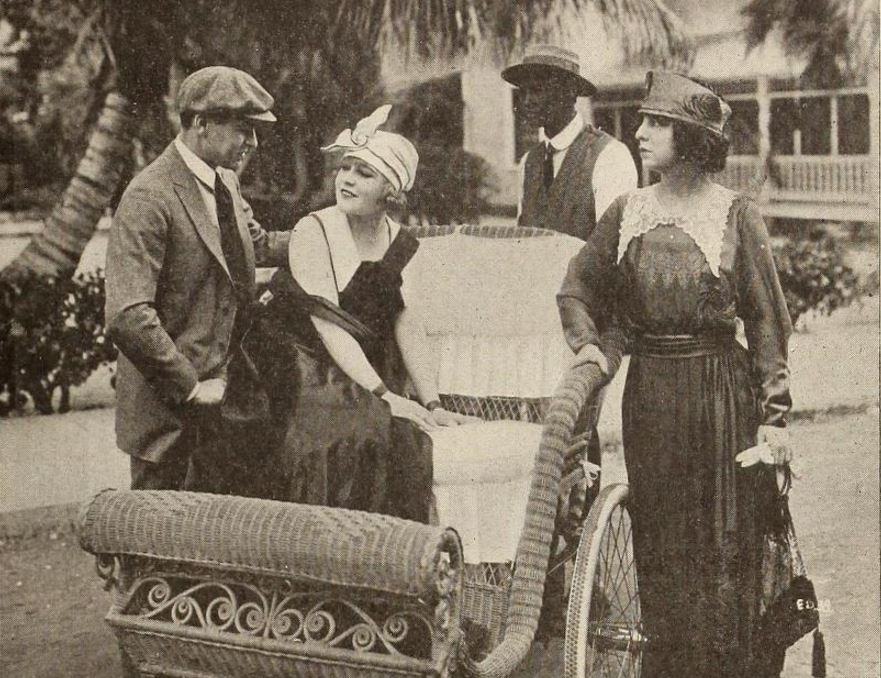
In Florida, Aline embraces her freedom with a spirited flirtation, engaging with Wayne Annis (John Bowers), a familiar face from Phil's college days. This isn't just a casual dalliance; it's a strategic move, a subtle power play designed to reassert her own desirability and perhaps, deep down, to provoke a reaction from Phil. And provoke it does. When Phil, now thoroughly disenchanted with Bernice and presumably with the emptiness of unconstrained 'freedom,' makes his way to Palm Beach, he's met with a reception as chilly as the northern air he left behind. The tables have turned, and the audience, I imagine, would have relished this moment of poetic justice. The writing by Roy S. Sensabaugh here shows a keen understanding of human psychology, anticipating the cyclical nature of desire and regret.
The plot thickens with the emergence of an unexpected romantic subplot: Wayne, the erstwhile flirtation target, finds himself genuinely falling for Jess, Aline's sister. This adds another layer of complexity to the already intricate web of relationships. It's a testament to the script's ability to juggle multiple emotional threads without losing focus on the central marital drama. With this new personal stake, Wayne agrees to collaborate with Pop Moore, the ever-resourceful uncle, on a mission to reconcile Aline and Phil. Their strategy? The classic, albeit dangerous, tactic of arousing Phil's jealousy. This is where the film ventures into the realm of high-stakes romantic comedy, a genre that thrives on misdirection and emotional manipulation for a greater, often heartwarming, end.
The plan, as many such plans in cinema do, works perhaps too well. Phil, witnessing Aline's apparent closeness with Wayne, is consumed by an incandescent rage, nearly resorting to violence against his old friend. This dramatic climax, where the 'freedom' contract nearly leads to tragedy, underscores the inherent risks of such emotional gambits. It's a powerful moment that transcends the lighthearted flirtations, reminding us of the raw, primal emotions that underpin even the most sophisticated societal arrangements. The performances of Frank Mayo and John Bowers in this scene would have been crucial, conveying the intensity of Phil's jealousy and Wayne's vulnerability. One could compare the sudden, impulsive nature of this near-tragedy to the thematic quick judgments seen in Snap Judgment, where hasty decisions lead to unforeseen consequences.
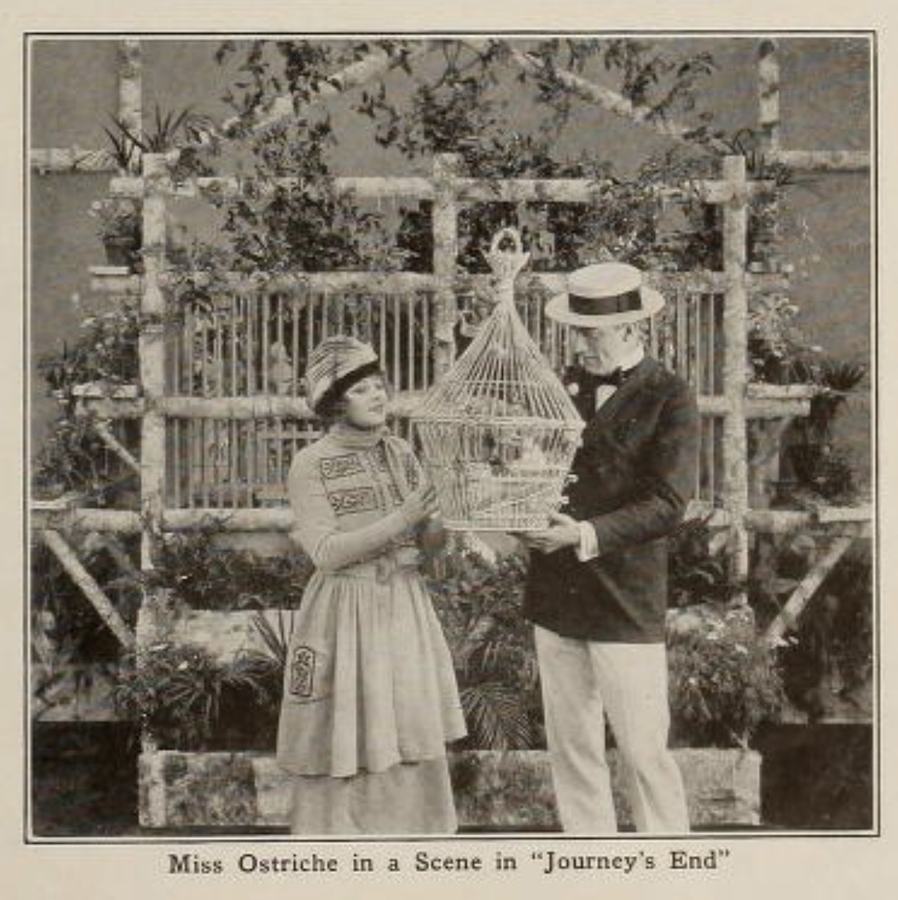
Yet, in the grand tradition of romantic narratives, reason and affection ultimately prevail. The friendship between Phil and Wayne is, miraculously, preserved, a testament to the enduring bonds forged in youth. Aline and Phil, having navigated the treacherous landscape of their 'freedom' experiment, are finally reunited, their bond presumably strengthened by the crucible of jealousy and separation. It's a reconciliation that feels earned, a journey's end not just for the marital contract, but for the characters' personal growth. And in a delightful coda, Wayne seizes his moment, professing his sincere love for Jess, bringing a second, equally satisfying, romantic conclusion to the fore. The film, therefore, doesn't just resolve a crisis; it orchestrates a double happy ending, leaving the audience with a sense of completeness.
The cast, including Jeanne Loew, Victor Kennard, and Louise Vale in supporting roles, would have contributed to the rich tapestry of this early cinematic offering. While their specific characters aren't detailed in the plot, their presence suggests a larger social milieu, providing context and depth to the main drama. In an era when cinema was still finding its voice, Journey's End stands out for its bold premise and its exploration of complex human emotions. It’s not merely a historical curiosity; it's a testament to the enduring power of storytelling, demonstrating that even a century ago, filmmakers were keenly aware of the intricacies of the human heart.
What's particularly compelling about Journey's End is its surprisingly progressive outlook on marital dynamics for its time. The 'freedom contract' isn't just a plot device; it's a radical proposition that challenges the very foundation of traditional marriage. It forces the characters, and by extension the audience, to consider whether absolute freedom truly leads to happiness, or if the boundaries and commitments of a relationship are, paradoxically, what provide true fulfillment. This philosophical underpinning elevates the film beyond a simple romantic comedy, imbuing it with a thought-provoking quality that resonates even today. The film asks: what happens when the 'gates of doom' are opened on a relationship, and both parties are allowed to wander freely? Does it lead to destruction, or a deeper understanding?
The evolution of Phil's character, from a man casually flirting to one consumed by jealousy and ultimately seeking reconciliation, is central to the film's success. It showcases a journey from superficiality to genuine emotional investment. Aline's arc is equally compelling; she moves from a position of hurt and strategic retaliation to one of renewed love, having asserted her independence and tested the limits of her husband's affection. The entire narrative functions as a grand experiment, a social commentary thinly veiled as a romantic drama. It's a compelling study of human nature under duress, and a reminder that sometimes, it takes stepping away from what we have to truly appreciate its value. This film, though old, speaks to the timeless struggle of balancing personal liberty with relational commitment. It's a journey well worth taking.
IMDb 6.2
1935
Community
Log in to comment.