DbcultAccessing Vault...
5.6/10
Senior Film Conservator
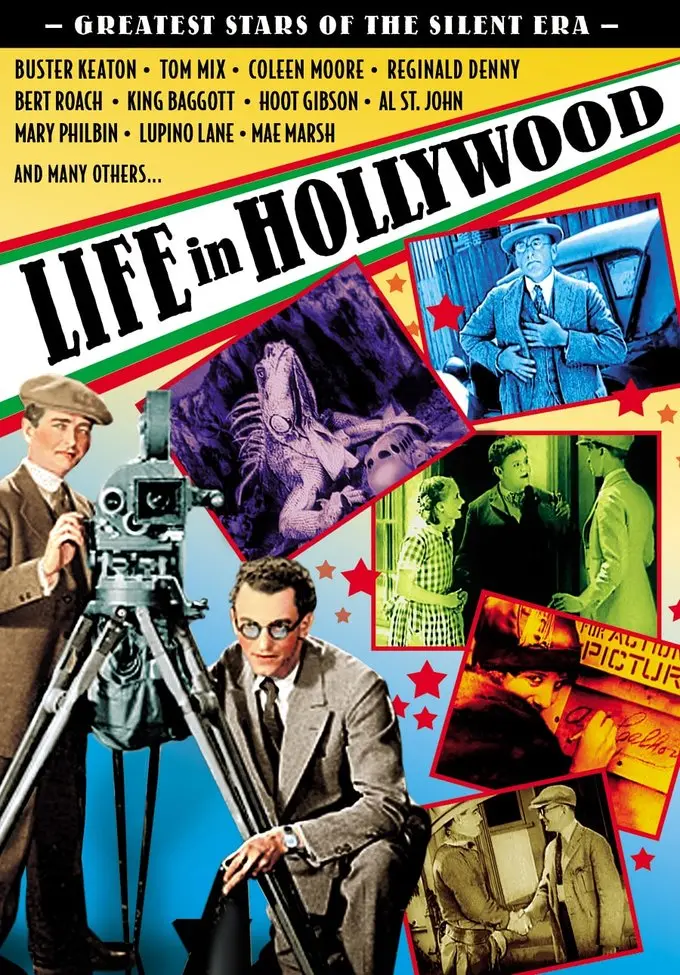
A definitive 5.6/10 rating for a film that redefined the boundaries of cult cinema. Life in Hollywood No. 2 remains a cornerstone of transgressive art.
Is Life in Hollywood No. 2 a film you should seek out in the digital age? Short answer: only if you are a dedicated film historian; for everyone else, it is a curios curiosity that lacks the narrative pulse of modern cinema. It is a film for the archivists, the researchers, and those who find beauty in the flicker of 100-year-old celluloid, but it is certainly not for the casual viewer looking for a Friday night thrill.
This film works because it offers an unfiltered, almost accidental documentary of an industry in its infancy. This film fails because it completely ignores the basic tenets of storytelling, opting for a disjointed sequence of events over a cohesive plot. You should watch it if you want to see the physical reality of the silent era, away from the polished drama of features like Parisette.
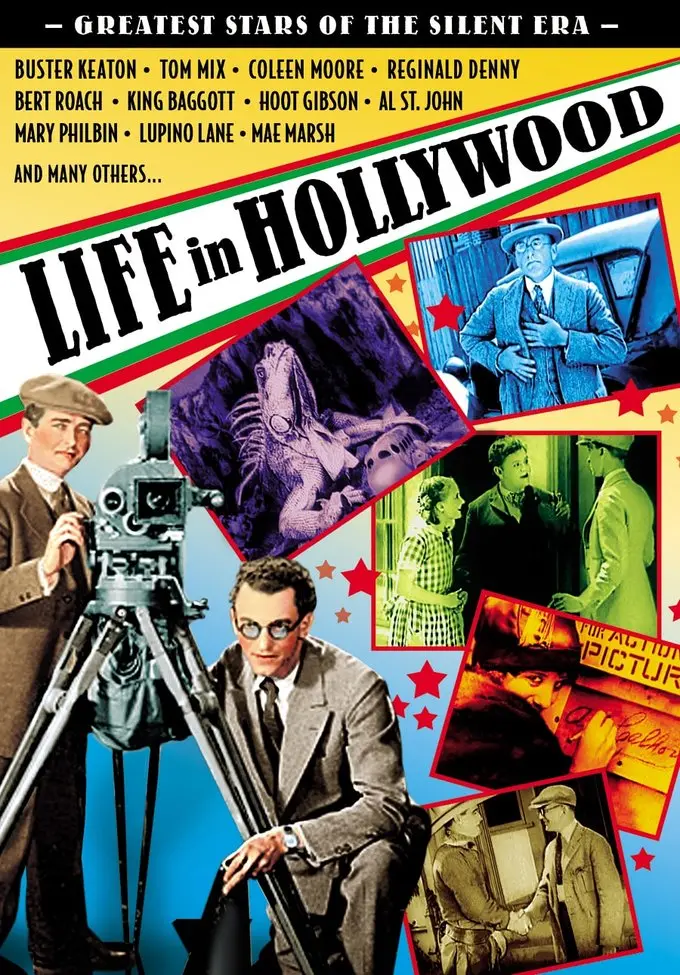
Life in Hollywood No. 2 is a fascinating example of Hollywood’s early obsession with itself. Long before the meta-narratives of the modern era, studios were already realizing that the public was just as interested in the 'how' as they were in the 'what.' This film doesn't just show actors; it shows the machinery. It shows the dust. It shows the exhaustion.
Compare this to the high-stakes drama of Downfall. While that film uses the medium to explore the collapse of power, Life in Hollywood No. 2 uses it to explore the construction of power. It is an industrial film disguised as entertainment. The direction is functional, bordering on clinical. There is no attempt at the atmospheric dread found in The Grip of Evil.
The cinematography is static, yet revealing. Because the cameras of the time were heavy and often hand-cranked, the shots have a rhythmic, almost mechanical quality. You can feel the presence of the cameraman in every frame. It lacks the fluid, artistic experimentation seen in A Tokio Siren, but it gains a sense of grounded reality because of its limitations.
Life in Hollywood No. 2 is worth watching if you view it as a primary historical document rather than a piece of entertainment. It provides a rare look at the 1920s studio environment that scripted films often hide. However, if you require a plot, character arcs, or emotional resolution, you will likely find it tedious and repetitive.
There is a specific scene where a starlet is being prepped for a shot. The lighting is harsh, and the makeup looks like a mask. In today's 4K world, we forget how much 'work' went into looking 'natural' in silent film. This film highlights that artifice. It’s honest in its dishonesty.
The pacing is the film's biggest hurdle. It meanders. Unlike the tight, focused energy of Control Yourself, this short subject feels like it’s checking off a list. 'Here is the set. Here is the lunch break. Here is the director.' It’s a sequence of facts, not a sequence of emotions. It feels more like a corporate orientation video than a cinematic journey.
However, there is a certain charm in its simplicity. Watching the actors interact when they think the 'real' camera isn't rolling (even though it is) provides a layer of human vulnerability. It reminds me of the raw human elements in Los chicos de la escuela, where the reality of the performers often bleeds through the roles they are playing.
When we look at other films of the era, like The Living Image, or the Lady of Petrograd, we see a push toward high art and complex symbolism. Life in Hollywood No. 2 is the antithesis of that. It is blue-collar filmmaking. It is about the sweat behind the screen.
It lacks the dark, psychological depth of I Have Killed or the haunting atmosphere of Ikeru Shikabane. Instead, it offers a sunny, somewhat sanitized version of the industry. It’s a promotional tool, yet because of its age, it has accidentally become a piece of truth. Time has a way of turning propaganda into history.
The direction here is almost invisible. The filmmaker acts more as a curator than a creator. They are choosing what to show us of the 'real' Hollywood, but even those choices are staged. It’s a double-layered deception. It reminds me of the instructional tone in How Not to Dress, where the camera is used to lecture rather than to evoke.
Pros:
Cons:
One of the more surprising observations in Life in Hollywood No. 2 is the sheer number of people required to make a 'simple' silent scene. We often think of these films as primitive, but the logistics were immense. The film shows the hierarchy of the set—the director at the top, and the nameless laborers at the bottom.
This social dynamic is far more interesting than the film's intended 'glamour.' It shows the industry as a factory. This is not the romanticized version of the arts we see in Savage Love. This is work. It’s heavy lifting, loud instructions, and repetitive takes. It’s boring, and the film is brave (or perhaps just lazy) enough to show that boredom.
The film also touches on the domesticity of the stars. Seeing them eat or rest between takes brings them down to earth. It’s a stark contrast to the domestic struggles portrayed in Pots-and-Pans Peggy. In Hollywood No. 2, the domesticity is a performance; in the latter, it is the prison of the plot.
Life in Hollywood No. 2 is a ghost. It is a flickering remnant of a world that no longer exists. It isn't a 'good' movie by any modern standard. It lacks the tension of No Man's Woman and the visual poetry of Strandhugg på Kavringen. It is dry. It is fragmented.
But it is also essential. We cannot understand where cinema is going if we don't look at where it started—not just the stories it told, but the way those stories were physically built. It is a film for the curious mind, not the emotional heart. Watch it as a documentary, and you will find value. Watch it as a movie, and you will find only boredom.
"A fascinating, if occasionally tedious, look at the bones of the dream factory. It’s cinema as a museum exhibit."
Ultimately, Life in Hollywood No. 2 is a reminder that Hollywood has always been its own biggest fan. The artifice hasn't changed; only the technology has. The greasepaint is now CGI, but the desire to show the world 'how the magic happens' remains identical. It is a cynical, beautiful, and utterly necessary piece of film history.
IMDb 6.9
1934
Community
Log in to comment.