DbcultAccessing Vault...
Cult Review
Senior Film Conservator
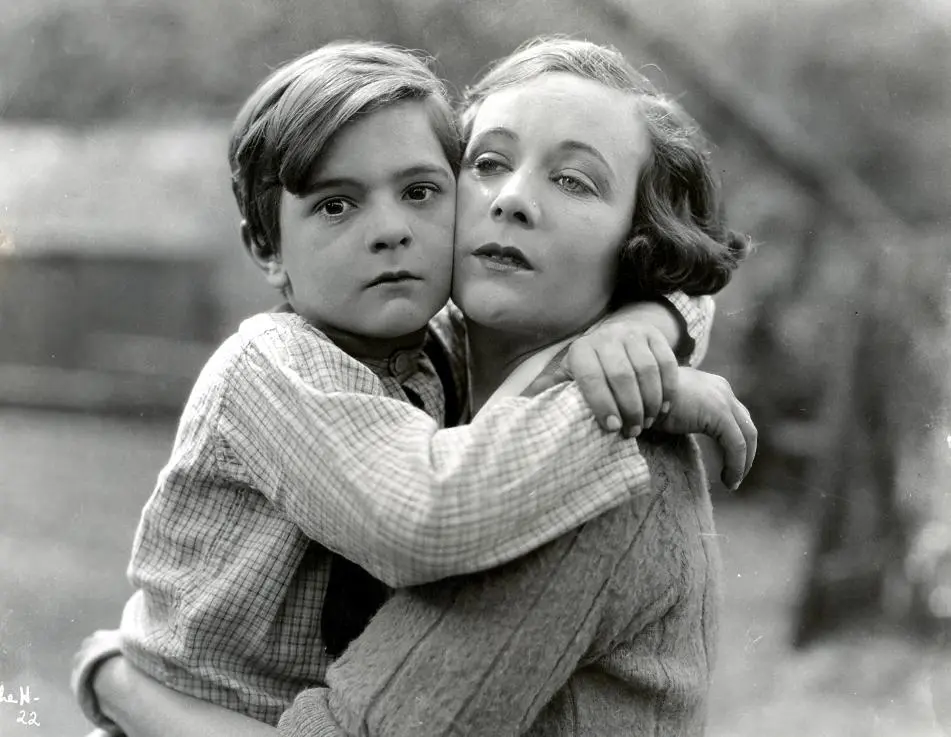
Is Judgment of the Hills a forgotten masterpiece of the silent era? Short answer: No, but it is a visceral, deeply uncomfortable character study that feels decades ahead of its time in its treatment of trauma. This film is for the cinephile who values raw, physical acting and historical depictions of mental health; it is absolutely not for those who find the slow, rhythmic pacing of 1920s melodrama tedious.
This film works because it refuses to romanticize the 'mountain man' archetype, choosing instead to focus on the devastating impact of war on a small, isolated community. This film fails because its secondary characters are often reduced to caricatures of rural ignorance, which can occasionally undercut the central drama. You should watch it if you want to see a young Frankie Darro deliver a performance that puts many modern child actors to shame.
The 1927 landscape of cinema was often preoccupied with grand spectacles or slapstick comedy, yet Judgment of the Hills occupies a much darker corner of the frame. It is a film about silence—the silence of the hills, the silence of a man who cannot explain his fear, and the silence of a community that prefers condemnation over conversation. Unlike the more polished narratives found in The Scarlet Oath, this film feels unwashed and lived-in.
Dorothy Yost’s screenplay is the backbone here. She understands that the 'judgment' mentioned in the title isn't a legal one, but a social execution. When Orville Caldwell’s character flinches at a sudden noise or retreats into a flask of moonshine, the camera doesn't just observe him; it lingers until the viewer feels the same itch of discomfort that the townsfolk do. It is a brutal way to frame a protagonist.
The pacing is deliberate. It doesn't rush to the conflict. Instead, it builds a sense of dread through repetitive imagery: the long shadows of the trees, the judgmental glares of the elders, and the frantic attempts of the younger brother to hide his sibling’s failings. It works. But it’s flawed. The middle act drags as it circles the same thematic drain, yet the emotional payoff remains potent.
If there is one reason to seek out this film today, it is Frankie Darro. At a time when many child actors were directed to be 'precious' or 'cute,' Darro is a jagged edge. He moves with a kinetic energy that feels out of place in the static, wide shots of the Appalachian valley. In one specific scene, where he discovers his brother passed out near a creek, Darro doesn't cry. He rages. He shakes his brother with a desperate, terrifying strength that makes you forget you are watching a silent film.
This performance provides a stark contrast to the more theatrical style seen in Painted People. Darro is the emotional anchor. Without his fierce belief in his brother’s inherent goodness, the film would collapse into a bleak exercise in nihilism. He represents the audience's hope, and he carries that burden with an intensity that is frankly exhausting to watch.
The chemistry between Darro and Caldwell is the film’s greatest asset. Caldwell plays the veteran with a hollowed-out expression that suggests he left his soul in the trenches of Europe. When he looks at Darro, you see a flicker of the man he used to be, and it is that flicker that keeps the engine of the plot moving. It is a masterclass in reactionary acting that doesn't require a single title card to explain.
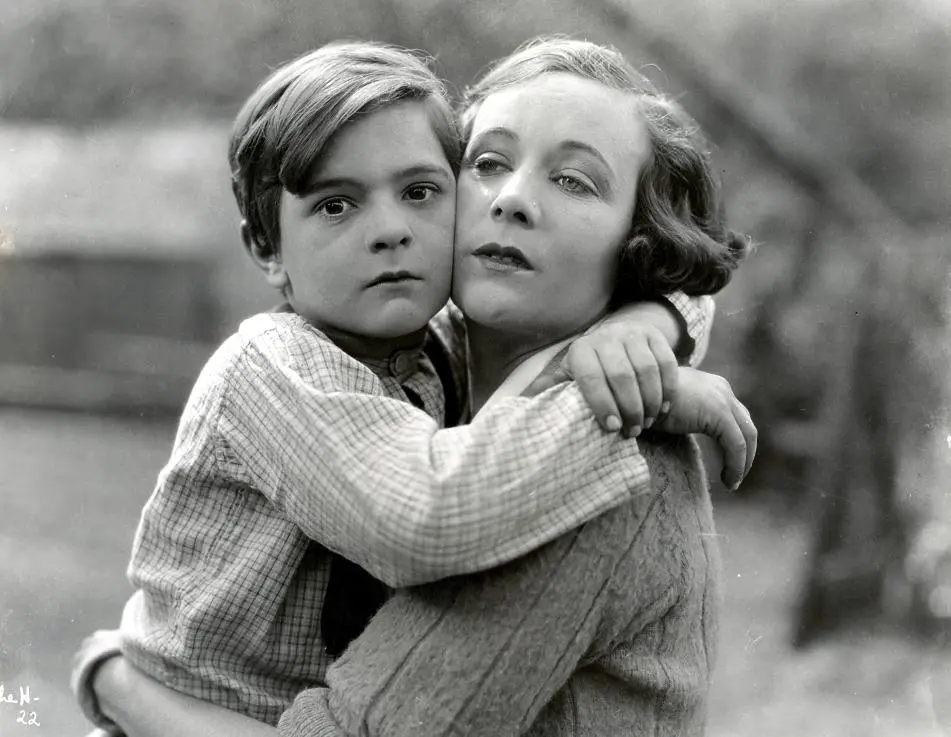
The visual language of Judgment of the Hills is surprisingly sophisticated. The director uses the natural topography of the hills to create a sense of claustrophobia. Even in wide-open spaces, the characters are framed by towering trees or rocky outcroppings, suggesting that there is no escape from the community’s watchful eye. It lacks the stylized flair of Sahara, but replaces it with a gritty realism that serves the story better.
Lighting is used sparingly but effectively. The interior of the family cabin is often bathed in deep shadows, with light only hitting the faces of the brothers during moments of rare honesty. This chiaroscuro effect emphasizes the 'hidden' nature of the brother’s trauma. He is literally and figuratively living in the dark. Compare this to the bright, almost clinical lighting of Help Wanted, and you see how lighting can become a character in itself.
One particular shot stands out: a silhouette of the older brother standing on a ridge, looking down at the town that hates him. The scale of the mountain makes him look like an ant. It is a visual metaphor for his insignificance in the face of tradition and collective prejudice. It is a haunting image that stays with you long after the reel ends.
Yes, Judgment of the Hills is worth watching for anyone interested in the evolution of the 'war veteran' narrative in American cinema. It provides a rare, contemporary look at how the 1920s viewed what we now call PTSD. While it lacks the high-budget polish of some of its contemporaries, its emotional honesty is undeniable.
However, be prepared for the technical limitations of 1927. The print quality in surviving versions is often grainy, and the title cards can be a bit heavy-handed with regional dialect. If you can look past the surface-level age, you will find a story that is surprisingly relevant to modern discussions about mental health and the cost of service.
Pros:
Cons:
Judgment of the Hills is a difficult, demanding piece of silent cinema. It doesn't offer easy answers or a particularly comfortable viewing experience. Instead, it offers a window into a world where the only thing more dangerous than the war you left behind is the home you returned to. It is a film about the burden of love and the high price of redemption. While it may not have the name recognition of other 1927 releases, it possesses a grit and a soul that many of its more famous peers lack. It is a minor classic that deserves a modern audience, if only to witness the incredible talent of a young Frankie Darro. It is a film that reminds us that the hills have eyes, and they are often very, very cold.
IMDb —
1917
Community
Log in to comment.