DbcultAccessing Vault...
Cult Review
Senior Film Conservator
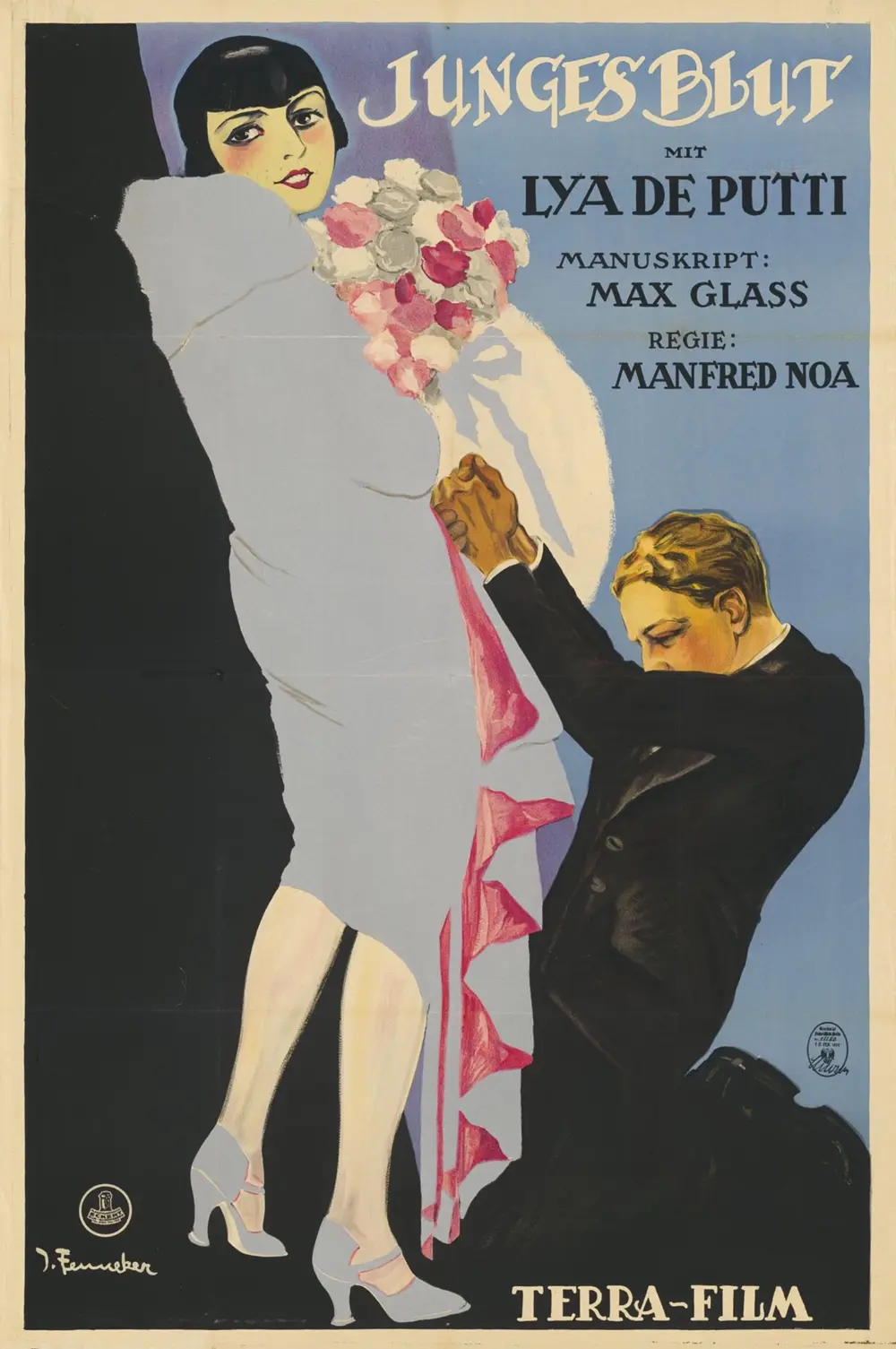
Is Max Glass's 1922 silent drama, Junges Blut, a forgotten gem truly worth revisiting today? Short answer: yes, but with significant caveats. This film offers a fascinating, albeit often stark, window into early German cinema and the timeless perils of youthful infatuation colliding with big-city cynicism. It is undoubtedly a film for cinephiles, historians, and those with a deep appreciation for the silent era's unique storytelling cadence, but it will certainly not appeal to viewers accustomed to modern narrative speeds and overt emotional exposition.
The film navigates a raw emotional landscape that feels both universal and distinctly of its time. Its power lies in its ability to strip away the noise and focus on the visceral, often destructive, nature of human desire. However, its deliberate pacing and reliance on visual metaphor might test the patience of a casual audience.
"Junges Blut" plunges us into the world of Walter (Walter Slezak), a fresh-faced student whose innocence is swiftly corroded by the intoxicating glamour of the city. He arrives, presumably for important exams, but quickly finds his true education in the dazzling, deceptive world of urban nightlife. This immediate immersion into a world of bright lights and shadowed corners sets a compelling stage, one where moral lines blur with every passing night.
His gaze, and indeed the film's, is soon fixed upon Grita (Lya De Putti), a prima donna whose allure is as undeniable as her ambition. Grita, a woman of the world, sees Walter not as a soulmate, but perhaps as a fleeting admirer, a stepping stone, or simply another face in her adoring crowd. This fundamental mismatch in expectations forms the tragic core of the narrative.
Walter’s love, initially pure and fervent, quickly morphs into a desperate, all-consuming obsession as Grita’s disinterest becomes painfully clear. The city, once a symbol of opportunity, now becomes a labyrinth of his own despair. This emotional descent is portrayed with a stark simplicity that, for its era, is remarkably effective. The climax, with Walter confronting Grita, gun in hand, is a chilling testament to love curdled into violence, a dark echo of countless tales that followed.
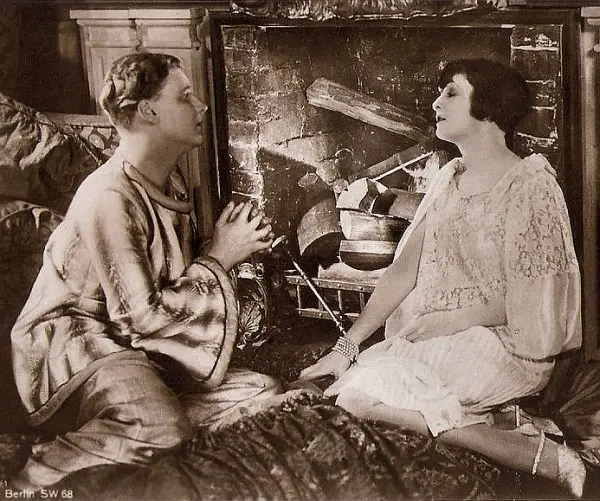
In a silent film, the burden of narrative and emotion falls squarely on the shoulders of the actors and the visual language crafted by the director. Junges Blut largely succeeds here, largely due to its central performances, particularly from Lya De Putti and Walter Slezak.
Lya De Putti as Grita is a revelation. She embodies the 'prima donna' with an intoxicating blend of charm, detachment, and subtle manipulation. Her eyes, often shadowed or dramatically lit, convey a world-weariness that contrasts sharply with Walter's naivete. De Putti does not play Grita as a villain, but rather as a pragmatist, a woman who understands the transactional nature of her world. One particular scene where she dismisses Walter with a casual wave, her focus already elsewhere, speaks volumes about her character's priorities and the stark reality of his position.
Walter Slezak, in one of his earlier roles, delivers a performance of raw, escalating desperation. His transformation from wide-eyed student to tormented lover is palpable. We witness his initial joy, his dawning despair, and finally, his dangerous fixation. Slezak’s physical performance, his slumped shoulders, his frantic gestures, and the haunted look in his eyes, are all crucial in conveying Walter's psychological unraveling. It's a performance that, at times, borders on the theatrical, but always remains anchored in the character's profound emotional turmoil.
Max Glass's direction is competent, if not groundbreaking, for the era. He understands the power of contrast: the opulent, bustling city versus Walter's increasingly isolated existence. The use of close-ups, particularly on the faces of De Putti and Slezak, is effective in drawing the audience into their internal struggles. The cinematography, while not as overtly expressionistic as some contemporaries like Die Hexe, still uses light and shadow to great effect, particularly in the night scenes, where the glamour of the cabaret has a sinister undercurrent.
The pacing of Junges Blut is characteristic of early silent cinema – deliberate, allowing moments to linger and emotions to build without the aid of spoken dialogue. This can be a double-edged sword. For those attuned to it, the slow burn allows for a deeper immersion into Walter's psychological state. For others, it might feel sluggish, particularly during scenes that rely heavily on intertitles to convey exposition rather than pure visual storytelling.
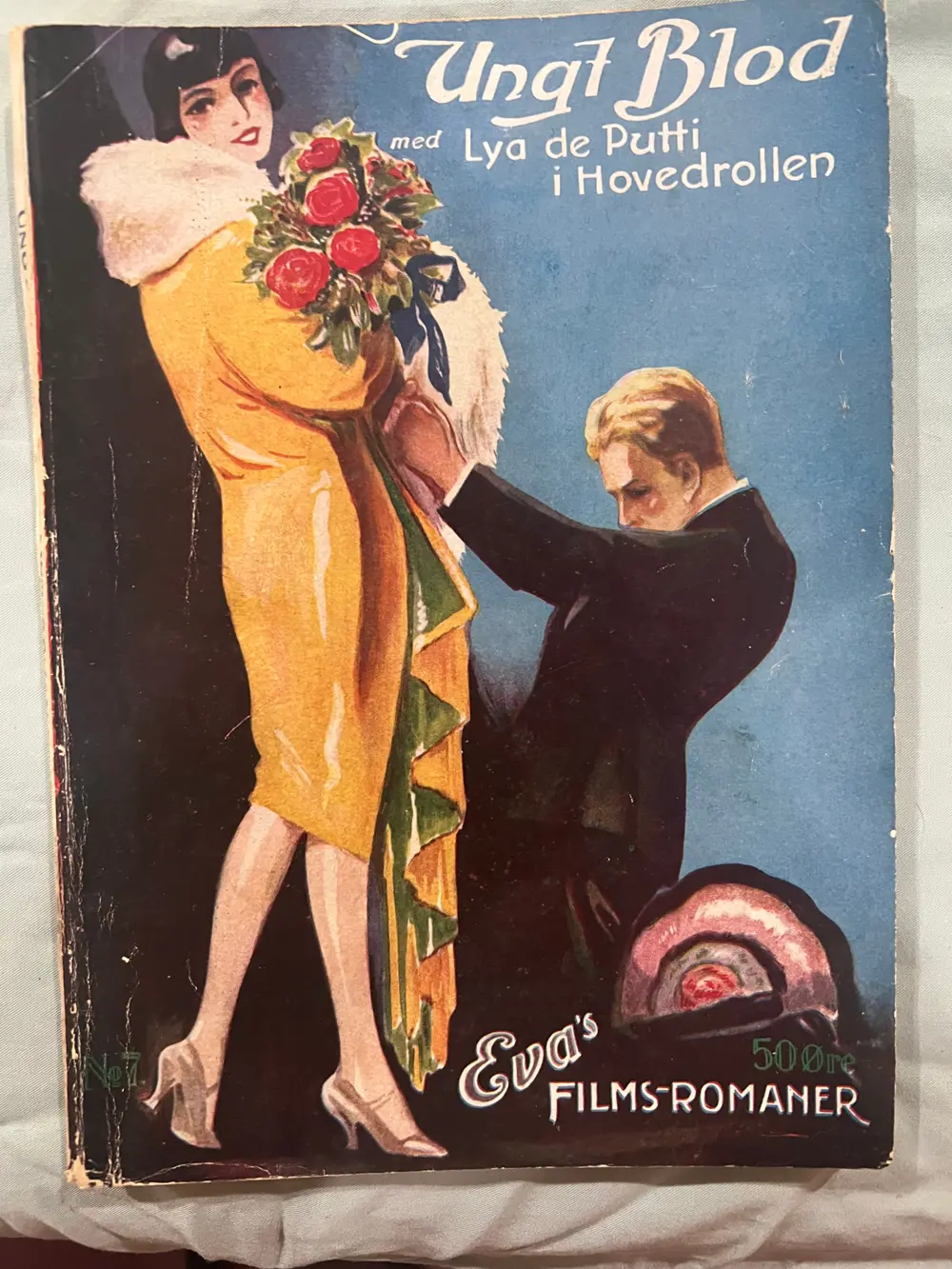
The tone is undeniably melancholic, veering into the tragic. There’s a pervasive sense of impending doom once Walter falls for Grita. The film never suggests a happy ending is possible, instead meticulously documenting the steps toward an inevitable heartbreak. This unwavering commitment to its tragic vision is, in itself, a strength. It's a bleak film. But it’s honest.
Thematic resonance is where Junges Blut truly shines. It explores the dangerous allure of the modern city, a common trope in German cinema of the period, but here it's specifically tied to the corruption of innocence. Walter represents the 'junges Blut' – young blood – easily spilled, easily led astray. The film also delves into class distinctions and the power dynamics inherent in love and desire. Grita, the successful performer, holds all the power over the naive student, a dynamic that feels remarkably contemporary.
One surprising observation is how the film subtly critiques the very notion of 'romantic love' when it's untethered from reality. Walter's love is less about Grita and more about an idealized fantasy he projects onto her, a common pitfall of youthful infatuation that the film brutally exposes.
Yes, Junges Blut is worth watching for specific audiences. It offers a compelling, if somewhat dated, exploration of themes that remain relevant. The performances, especially De Putti's, are captivating. The film's visual language, while not revolutionary, effectively conveys its emotional weight. It's a strong example of early German dramatic filmmaking. However, its slow pace and reliance on silent film conventions mean it requires a degree of patience and an appreciation for cinematic history.
Junges Blut is more than just a historical artifact; it is a potent, if somewhat flawed, dramatic experience. It works. But it’s flawed. Max Glass delivers a compelling, if occasionally ponderous, examination of youthful folly and the devastating consequences of unbridled passion. Lya De Putti's performance alone is reason enough to seek it out, offering a glimpse into the star power that defined early cinema. While it certainly isn't a film for everyone, those who commit to its deliberate pace will find a rich, emotionally charged narrative that speaks to the timeless anguish of unrequited love and the dangers lurking beneath the glittering surface of urban life. It's a reminder that some stories of the heart, however old, never truly lose their sting.
IMDb 5.1
1926
Community
Log in to comment.