body {background-color: #000000; color: #FFFFFF; font-family: 'Georgia', serif; line-height: 1.6;}.heading {color: #C2410C; font-size: 24px; font-weight: bold; margin-top: 30px;}.subheading {color: #0E7490; font-size: 20px; margin-top: 20px;}.highlight {color: #EAB308; font-style: italic;}.quote {color: #C2410C; font-s...
still_frame
Comparing the cinematic DNA and archive impact of two defining moments in cult history.
Franz Eckstein
Franz Eckstein
Community
Log in to comment.
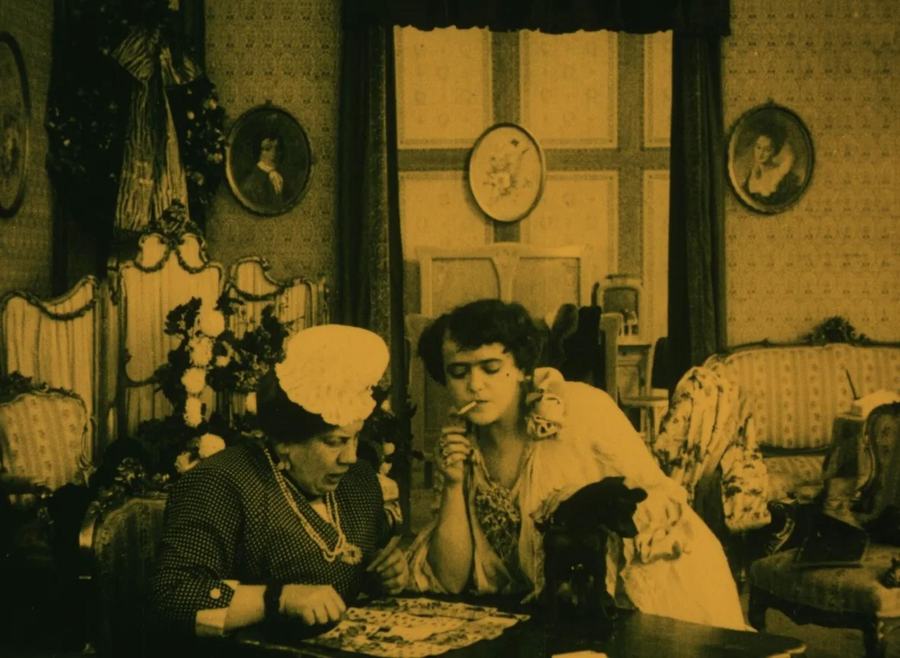
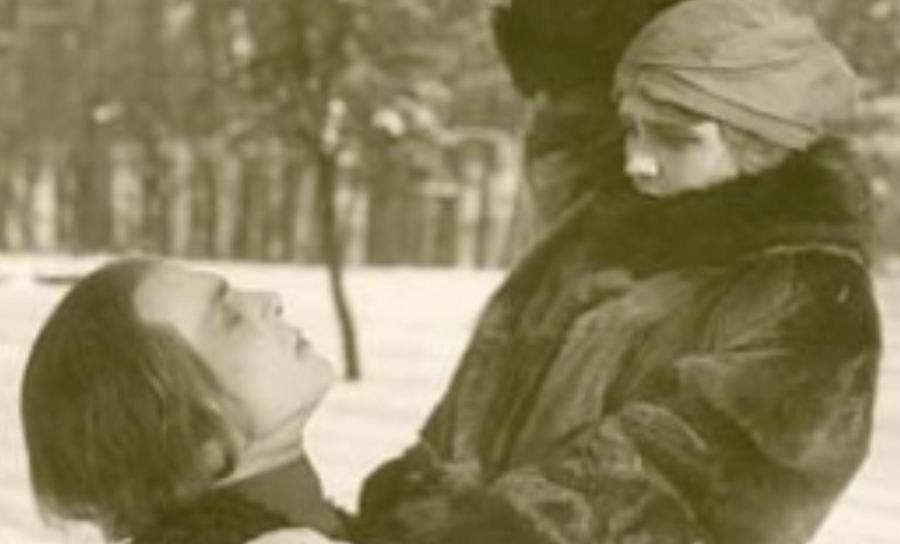
"body {background-color: #000000; color: #FFFFFF; font-family: 'Georgia', serif; line-height: 1.6;}.heading {color: #C2410C; font-size: 24px; font-weight: bold; margin-top: 30px;}.subheading {color: #0E7490; font-size: 20px; margin-top: 20px;}.highlight {color: #EAB308; font-style: italic;}.quote {color: #C2410C; font-style: italic; margin-left: 20px;}Die Hexe (1914): A Haunting Silent Film on Witchcraft, Society, and the Power of NarrativeRosa Porten’s Die Hexe is a film that lingers in the mind..."
Rosa Porten
Germany