DbcultAccessing Vault...
Cult Review
Senior Film Conservator
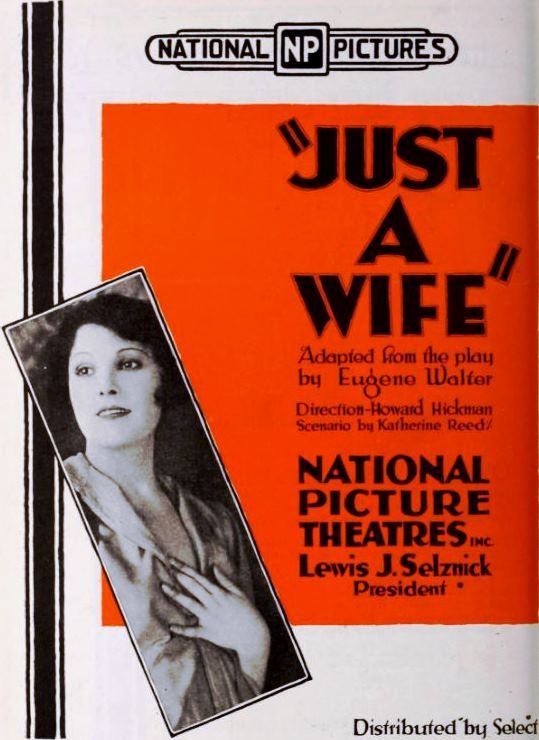
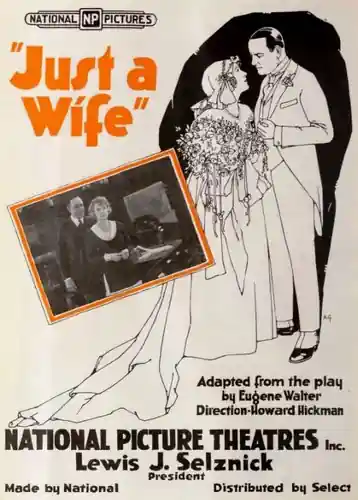
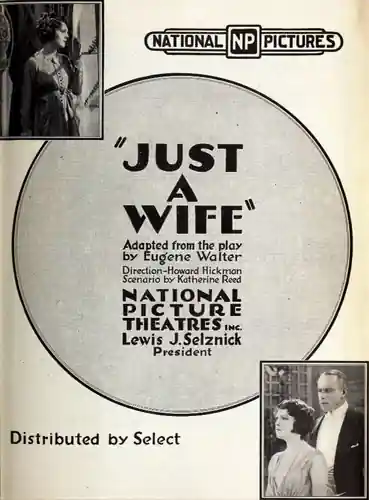
The year 1920 was a peculiar crossroads for American cinema. The industry was vibrating with the transition from the crude melodramas of the previous decade into a more sophisticated, psychologically dense form of storytelling. In the midst of this evolution, Just a Wife emerged as a fascinating, if somewhat cynical, exploration of the domestic contract. It is a film that doesn't just ask if love can grow from convenience; it asks if a marriage built on a lie can survive the crushing weight of reality. When we look back at the filmography of the era, particularly works like The Two Edged Sword, we see a recurring obsession with the fragility of the social mask. Just a Wife takes this obsession and anchors it in the dirt of a railroad camp and the silk of a New York drawing room.
Richard Emerson, played with a stoic, almost industrial rigidity by Roy Stewart, is the quintessential figure of early 20th-century ambition. He represents the man who views the world as a series of problems to be solved with capital or leverage. His marriage to Mary Ashby isn't a union of souls; it’s a strategic merger. The script, penned by Katherine S. Reed and Eugene Walter, doesn't shy away from the ugliness of this premise. Emerson needs Mary’s social standing to facilitate his business dealings in the East, but more importantly, he needs a wife to act as a shield against the scandalous rumors surrounding his relationship with Eleanor Lathrop (Kathlyn Williams). It’s a move that mirrors the calculated risks seen in Grafters, where the line between business and personal morality is perpetually blurred.
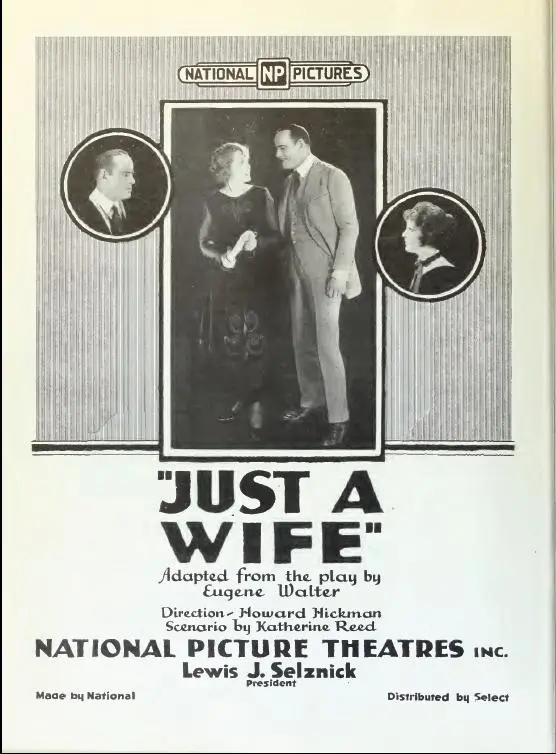
What makes Emerson such a compelling character is his eventual realization that success, when achieved through the erasure of human connection, is a hollow victory. He spends years in the West, building railroads and conquering the wilderness, only to find that his empire is built on sand. The film uses the contrast between the rugged Western landscapes and the refined Eastern interiors to highlight Emerson's internal schism. He is a man who can tame a frontier but cannot navigate the complexities of his own heart. This thematic resonance is something we often see in the era's dramas, such as The Americano, though here the focus is much more intimate and devastating.
Leatrice Joy delivers a performance that is nothing short of luminous. In the opening acts, she portrays Mary with a weary, aristocratic detachment. She is a woman who has accepted her fate as a commodity. However, as the narrative progresses and the years of separation take their toll, Joy allows a profound vulnerability to seep through the cracks of her character's composure. Her Mary isn't just a victim of her circumstances; she is a woman who undergoes a radical emotional awakening. She begins to realize that the luxury she traded her life for is a gilded cage. Unlike the characters in Some Bride, who often navigate marital strife with a lighter touch, Joy’s Mary carries the heavy, somber weight of a woman who has discovered her own capacity for love too late.
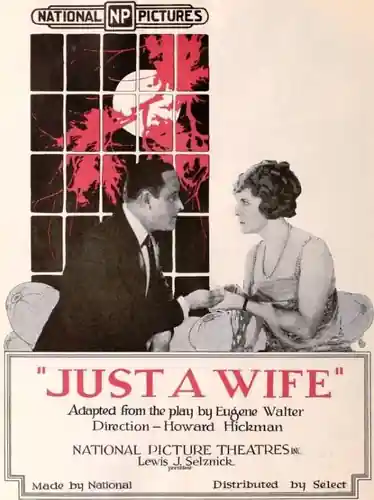
The transformation of Mary from a passive participant in a business deal to a fierce defender of her home is the emotional spine of the film. When Emerson returns on their third anniversary, Joy’s portrayal of hope and trepidation is masterfully subtle. She prepares a dinner that is more than just a meal; it is an offering, an attempt to bridge the vast chasm that has grown between them. The way she occupies the space of her elegant home suggests a woman who has finally claimed her territory, not through deed or title, but through emotional investment.
The introduction of Eleanor Lathrop as the 'other woman' is where Just a Wife transcends the typical melodrama. Eleanor isn't a mere temptress; she is Emerson’s intellectual equal, a woman who has stood by him in the trenches of his work. Kathlyn Williams plays Eleanor with a sharp, piercing intelligence that makes her a formidable antagonist. She represents the modern, working woman—a figure often viewed with suspicion in 1920 cinema, much like the themes explored in Little Lost Sister or The Yellow Traffic.
The confrontation between Mary and Eleanor is the film's piece de resistance. It isn't a physical duel, but a battle of wills and philosophies. Eleanor argues that her years of shared labor and intellectual companionship give her a greater claim to Emerson than a legal document. Mary, conversely, stands on the sanctity of the home and the burgeoning love she has nurtured in isolation. It’s a fascinating debate that likely resonated deeply with audiences of the time, who were grappling with the changing roles of women in the post-war world. The tension in this scene is palpable, directed with a restraint that allows the actors' expressions to carry the full weight of the drama.
While the director's name often fades into the background of silent era discussions, the visual storytelling in Just a Wife is remarkably effective. The use of lighting to distinguish the cold, transactional nature of the early scenes from the warm, hopeful glow of the anniversary dinner is a testament to the era's burgeoning technical prowess. The railroad camp scenes, likely influenced by the gritty realism found in films like The Blood of His Fathers, provide a stark contrast to the opulence of New York society. These sequences aren't just filler; they serve to ground Emerson’s character in the reality of labor and ambition.
The pacing of the film is deliberate, allowing the sense of time passing to settle over the audience. We feel the weight of the three years of separation. This isn't a story that rushes to its conclusion; it understands that the most significant changes in the human heart happen slowly, in the quiet moments of reflection. The film’s ability to maintain this tension without the aid of dialogue is a reminder of the unique power of silent cinema. Every gesture, every lingering look, and every intertitle is calibrated to deepen our understanding of the characters' internal states.
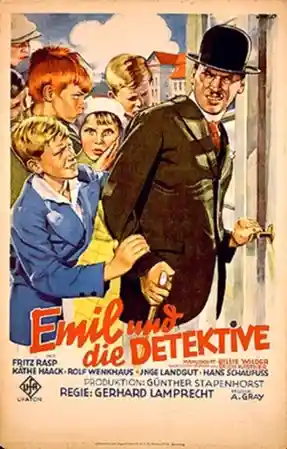
To fully appreciate Just a Wife, one must view it within the broader context of international cinema of the time. While American films were leaning into these domestic dramas, European cinema was exploring different facets of the human condition. For instance, the haunting atmosphere of Az utolsó éjszaka or the existential questions in Ikarus, der fliegende Mensch offer a different perspective on the themes of ambition and loss. Even the more grounded, everyday narratives like Reilly's Wash Day or the political undertones of Chlen parlamenta highlight the diverse range of stories being told. Just a Wife, however, remains distinctly American in its focus on the intersection of wealth, social status, and the pioneering spirit.
The film also invites comparison to Hans hustrus förflutna, which similarly deals with the shadows of the past encroaching on a marriage. In Just a Wife, the 'past' is not a secret sin, but a secret arrangement—a contract that everyone knows about but no one acknowledges. This transparency makes the eventual reconciliation all the more poignant, as it requires both Mary and Emerson to dismantle the very foundation upon which their lives were built.
The climax of the film, where Mary emerges victorious in her 'possession' of Emerson, might feel traditional to modern audiences, but in 1920, it was a complex statement on the power of the domestic sphere. Mary doesn't win through trickery or force; she wins by offering Emerson something that his money and his mistress could not: a sense of belonging and a shared future rooted in genuine affection. The victory is as much Emerson’s as it is hers, as he finally sheds the armor of the opportunist and accepts the vulnerability of being a husband.
The final scenes are handled with a surprising amount of grace. The reconciliation isn't a grand, cinematic explosion of emotion, but a quiet, mutual understanding. It’s a recognition that they have both been 'just' a wife or 'just' a husband, and that they are now ready to be more. This nuanced ending elevates the film above its melodramatic roots and places it among the more thoughtful works of the period. It leaves the viewer pondering the true cost of ambition and the enduring value of a union that, despite its cynical beginnings, finds its way to the light.
In the end, Just a Wife is a remarkable artifact of its time. It captures a society in flux, where the old rules of marriage were being challenged by new economic realities and changing gender dynamics. With stellar performances from Leatrice Joy and Kathlyn Williams, and a script that dares to explore the darker corners of the human heart, it remains a compelling watch for anyone interested in the history of cinema. It’s a film that reminds us that while you can buy a wedding, you cannot buy a marriage.

IMDb —
1930
Community
Log in to comment.