DbcultAccessing Vault...
Cult Review
Senior Film Conservator
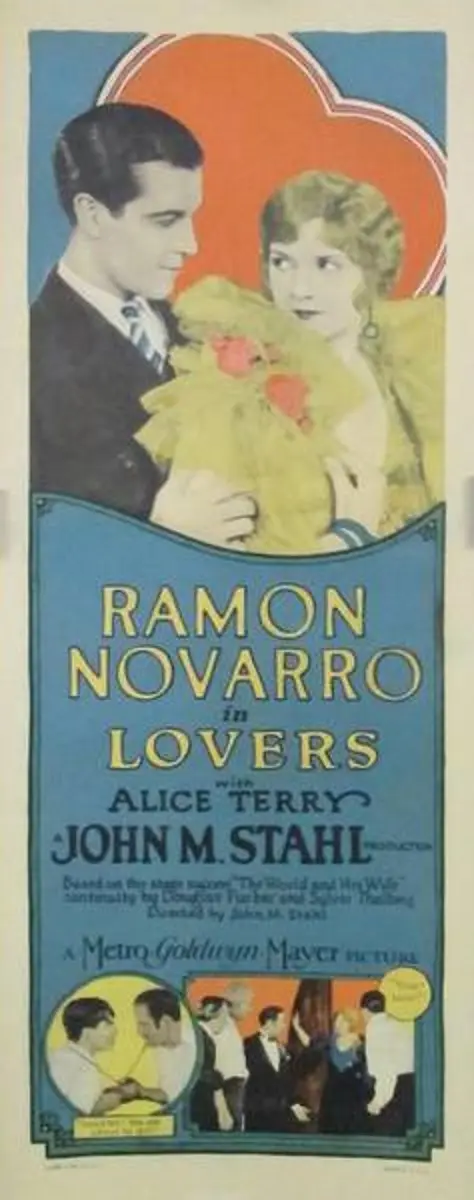
Is the silent film ‘Lovers?’ a forgotten gem deserving of revival, or is it a historical curiosity best left to archives? Short answer: yes, but with significant caveats that demand a discerning eye from its audience. This isn't a film for everyone, but for those willing to engage with its particular language, it offers a compelling, if somewhat dated, look into the anxieties of its era.
It's a film that will undoubtedly appeal to aficionados of classic silent cinema, particularly those who appreciate character-driven dramas steeped in social commentary. However, if your cinematic palate leans towards fast-paced narratives, explicit dialogue, or modern storytelling conventions, ‘Lovers?’ might test your patience. It demands a certain kind of engagement, a willingness to read between the lines and appreciate the artistry of non-verbal storytelling.
This film works because of its keen observation of societal gossip and its destructive power, a theme that, regrettably, remains evergreen. It fails because it occasionally succumbs to the melodramatic excesses common to its era, diluting its more nuanced themes with broad strokes. You should watch it if you appreciate historical context, subtle performances, and a story that prioritizes emotional tension over plot fireworks, understanding that its pace and style are firmly rooted in the 1920s.
At its core, ‘Lovers?’ is a study in social pressure and the suffocating grip of reputation. The narrative centers on José, a young man residing under the tutelage of Don Julian, a distinguished diplomat whose recent marriage to the much younger Felicia becomes the catalyst for an unfolding drama. The film cleverly uses this age-gap marriage, not as a romantic conflict in itself, but as a spark to ignite the ever-present tinderbox of Madrid society.
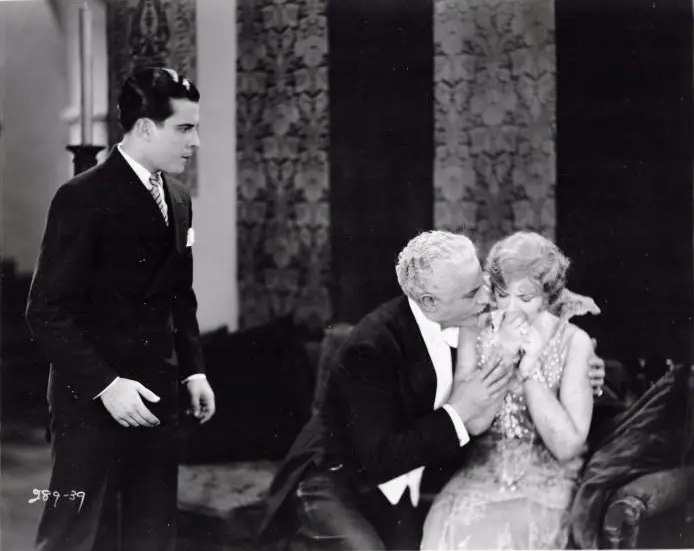
The plot, rather than relying on overt action, thrives on the subtle machinations of gossip. The scandal isn't about what characters do, but what society perceives them to be doing, or worse, what it imagines. This creates a palpable sense of dread, a creeping unease that permeates the lavish ballrooms and hushed drawing-rooms of the Spanish capital. The film thus transforms the city itself into a character—a judgmental, all-seeing entity.
It’s a fascinating premise, one that allows the film to explore themes of innocence, suspicion, and the devastating consequences of a reputation tarnished by rumor alone. The tension is built not through physical threats, but through the psychological warfare waged by an unforgiving society, making the stakes feel incredibly personal and emotionally resonant, even a century later.
The cast of ‘Lovers?’, including names like Holmes Herbert, Alice Terry, and a young Ramon Novarro, are tasked with conveying complex emotions without the aid of spoken dialogue. This demands a unique blend of theatricality and nuanced expression, a balance that is often the hallmark, and sometimes the downfall, of silent film acting.
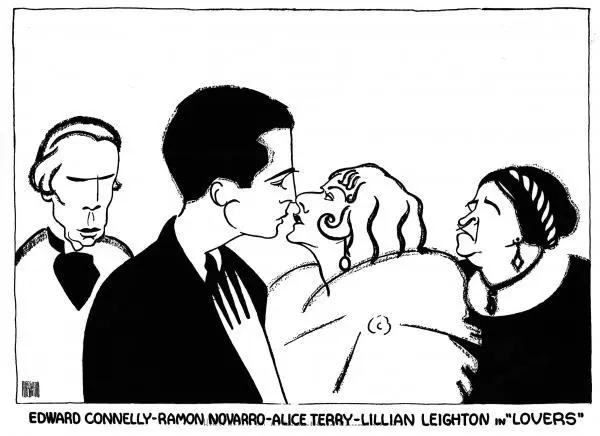
Holmes Herbert, as the dignified Don Julian, delivers a performance that is impressively restrained. His portrayal of a man caught between his societal standing and the whispers surrounding his domestic life is conveyed through a subtle tension in his posture and a quiet weariness in his eyes. There's a particular scene where he simply listens to a guest's veiled comments, his face betraying only the slightest flicker of pain, a masterclass in understated suffering.
Alice Terry, playing the youthful Felicia, navigates the treacherous waters of innocence and burgeoning awareness with grace. Her expressions often shift from serene naivete to a dawning comprehension of the scandal swirling around her. I would argue that her ability to convey vulnerability without resorting to histrionics is one of the film's strongest assets, particularly in a period where overacting was often the norm. Her performance, in my estimation, elevates the material beyond mere melodrama.
Ramon Novarro, as José, brings a youthful intensity to the screen. His performance is perhaps the most outwardly emotional, reflecting the character's age and impetuousness. There are moments where his frustration with the societal constraints and the injustice of the rumors practically leaps off the screen, particularly in a sequence where he paces agitatedly, his hands clenched, conveying a profound sense of powerlessness. This raw energy provides a crucial counterpoint to the more reserved performances of Herbert and Terry, ensuring the emotional spectrum of the film feels complete.
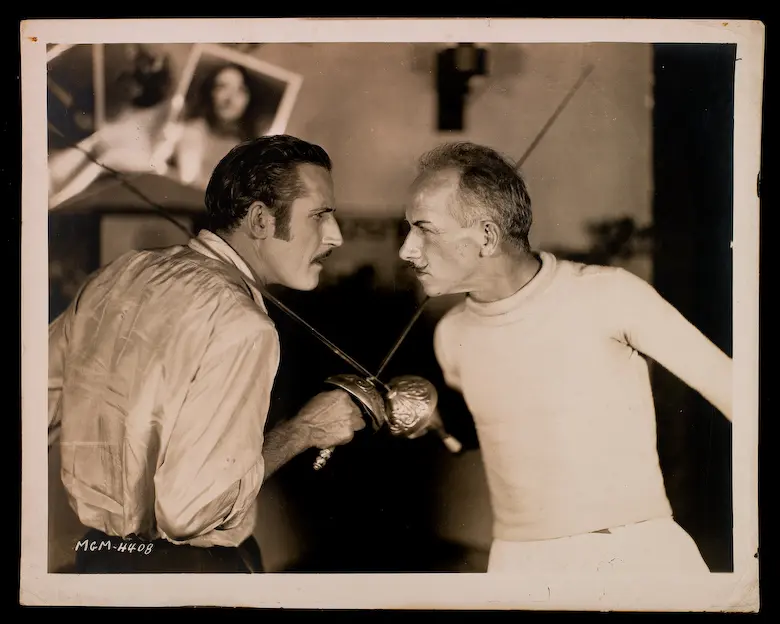
The ensemble cast, including George K. Arthur and John Miljan, effectively creates the gossiping backdrop of Madrid society. Their collective performance, often expressed through exaggerated whispers, knowing glances, and pointed smiles, perfectly embodies the insidious nature of the societal judgment that drives the plot. It’s a collective villain, almost, manifesting through a myriad of small, human cruelties.
The director, whose name is unfortunately not provided in the prompt, faced the significant challenge of translating an intricate web of social tension and unspoken desire into a purely visual medium. The success of ‘Lovers?’ hinges on its ability to communicate the corrosive effects of gossip without a single spoken word, relying instead on visual cues, character blocking, and intertitles.
The film excels in its use of close-ups to highlight facial expressions, ensuring that the audience catches every subtle shift in emotion – a raised eyebrow, a downturned mouth, a fleeting look of despair. These intimate shots are crucial for building empathy and understanding the internal struggles of the characters, particularly in scenes of quiet contemplation or veiled confrontation.
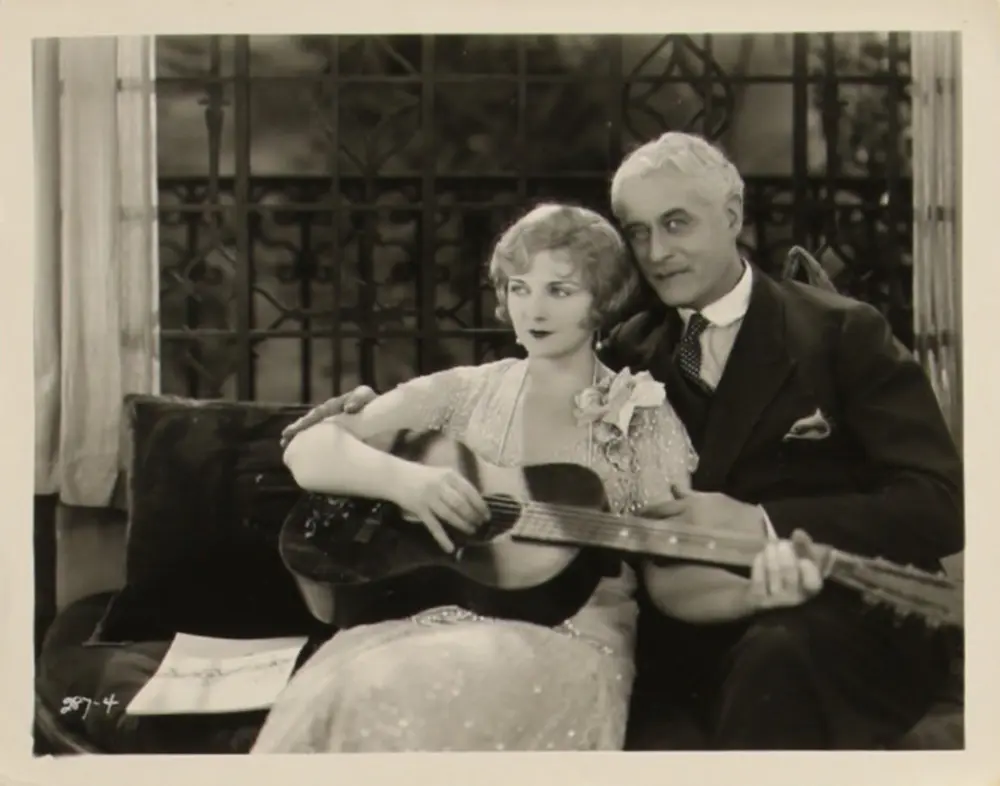
Furthermore, the director skillfully employs wider shots to establish the social context. Scenes in grand ballrooms, for instance, are often framed to show characters isolated amidst a crowd, or to emphasize the judgmental gazes of the onlookers. This visual juxtaposition effectively conveys the theme of individual vulnerability against the overwhelming force of collective opinion. A particularly striking shot involves a character walking through a crowded salon, the camera tracking their movement, while various background figures pause their conversations, turning their heads to watch – a powerful visual metaphor for being under constant scrutiny.
My unconventional observation here is the director’s daring choice to sometimes withhold explicit reactions from certain characters, particularly Don Julian. Instead of showing him explode in anger or despair, we often see him internalize the pain, his back to the camera, or his face obscured by shadow. This subtle approach, while potentially frustrating for some viewers seeking overt drama, actually deepens the psychological realism, suggesting a man too proud or too weary to display his true feelings publicly. It’s a risky move that, in my opinion, largely pays off.
The visual aesthetic of ‘Lovers?’ plays a crucial role in establishing its tone and themes. The cinematography, while perhaps not groundbreaking for its era, is undeniably effective in creating a sense of both grandeur and confinement. The use of lighting is particularly noteworthy; often, characters are bathed in soft, elegant light in their private moments, only to be cast in harsher, more revealing light when exposed to public scrutiny.
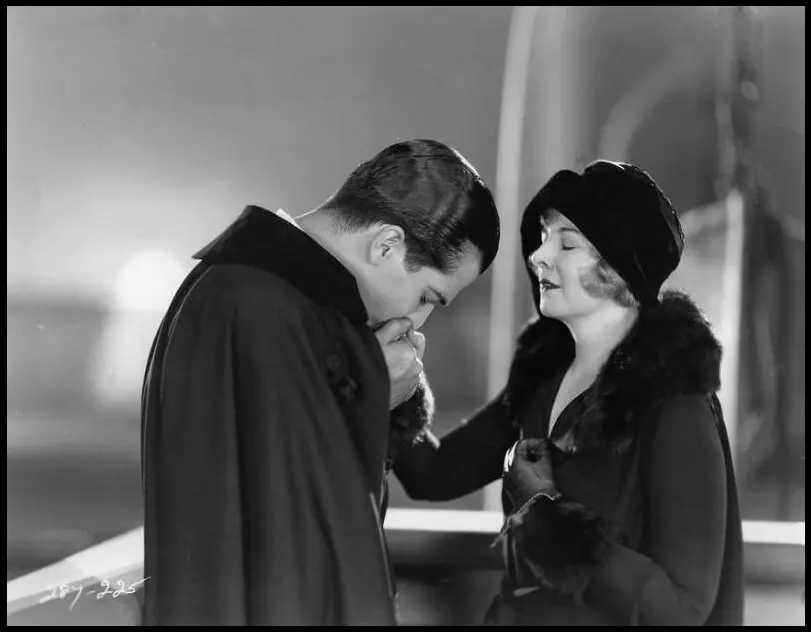
The art direction vividly brings 1920s Madrid society to life. The sets are lavish, depicting opulent drawing-rooms, elegant ballrooms, and stately homes, all adorned with period-appropriate furniture and décor. This meticulous attention to detail not only grounds the film historically but also serves a thematic purpose: these beautiful, expensive settings become a gilded cage for the characters, a place where wealth and status provide no protection from the venom of gossip.
Costuming also plays a subtle yet significant role. Felicia’s dresses, often light and airy, underscore her youth and perceived innocence, while Don Julian’s more formal attire emphasizes his position and the weight of his responsibilities. The contrast in their clothing often visually reinforces the generational and social gap that fuels the scandal. The film, in many ways, is a testament to the power of visual storytelling in an era before sound, where every element on screen had to convey meaning.
The pacing of ‘Lovers?’ is deliberately slow, allowing the tension to build gradually, much like the slow creep of gossip itself. This is not a film that rushes its revelations; instead, it savors the unfolding of social drama, letting the audience absorb the atmosphere and the subtle shifts in character dynamics. For a modern audience accustomed to quicker cuts and faster plot developments, this might feel sluggish, but it is entirely in keeping with the narrative's focus on psychological rather than physical action.
The tone is predominantly one of simmering tension and melancholic drama. There are moments of fleeting joy or polite social interaction, but these are always underscored by the looming threat of exposure and judgment. The film manages to maintain this delicate balance, never quite tipping into outright tragedy until its climax, but always hinting at the potential for emotional devastation. It’s a tone that is both elegant and unsettling, drawing the viewer into a world where appearances are everything and a whispered word can destroy a life.
It works. But it’s flawed. The reliance on intertitles, while necessary, occasionally breaks the immersive quality of the visual storytelling, a common challenge for silent films. However, the emotional impact remains largely intact due to the strong performances and focused direction.
Absolutely, but with a clear understanding of what you're getting into. ‘Lovers?’ is a valuable piece of cinematic history that tackles timeless themes of reputation, societal judgment, and the fragility of innocence. It demands patience and an appreciation for the unique artistry of the silent era. If you are intrigued by the psychological drama of social scandal and enjoy deciphering emotions through gesture and expression, then this film offers a rewarding experience. However, if you're new to silent films or prefer more contemporary narrative styles, it might be a challenging watch. It’s not a film that will cater to every taste, but its merits are undeniable for the right audience.
‘Lovers?’ is a compelling, if imperfect, relic from the silent era. It’s a film that bravely tackles complex social themes—reputation, judgment, and the suffocating nature of high society—with a visual language that, at its best, is profoundly expressive. While its pacing and occasional forays into theatrical melodrama might not appeal to every viewer, its strengths lie in its astute character studies and its enduring relevance. It offers a fascinating window into a bygone era of filmmaking, reminding us that the anxieties of human interaction, particularly the fear of social ostracism, are timeless.
For those willing to invest their time and attention, ‘Lovers?’ provides a rich, albeit challenging, cinematic experience. It’s a film that sparks conversation, not just about its narrative, but about the evolution of storytelling itself. It stands shoulder-to-shoulder with other character-driven silent dramas like Ingeborg Holm in its commitment to psychological depth. While it might not achieve the universal acclaim of some of its contemporaries, it undeniably holds a significant place in the tapestry of early cinema, and frankly, deserves a fresh look from discerning audiences today.
IMDb 6.5
1925
Community
Log in to comment.