DbcultAccessing Vault...
Cult Review
Senior Film Conservator
The year 1925, nestled firmly within the Roaring Twenties, was a period of profound societal shifts, rapid industrialization, and burgeoning modernity. It was also an era when the silver screen, still largely silent, captured the public imagination with tales that, despite their lack of synchronized dialogue, spoke volumes about the human condition. ‘Just a Woman’, directed by a keen eye for domestic turmoil, emerges from this rich cinematic tapestry as a poignant and remarkably prescient exploration of ambition, trust, and the insidious corrosive power of newfound wealth. It's a film that, even a century later, continues to dissect the delicate architecture of a marriage, revealing how easily it can crumble under the weight of suspicion and unchecked desire.
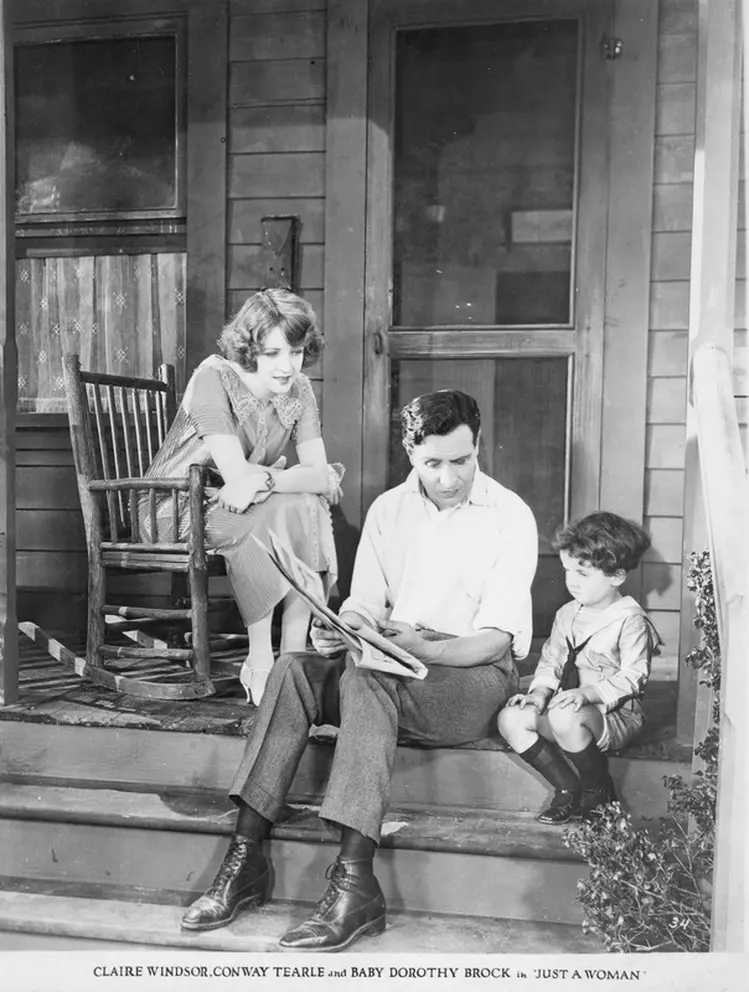
At its core, this cinematic artifact, penned by Eugene Walter and Jack Cunningham, presents a narrative that feels both deeply specific to its time and alarmingly universal. We are introduced to Robert, a steelworker whose honest toil defines his existence. He is a man rooted in the tangible, the sweat and grime of industry