DbcultAccessing Vault...
Cult Review
Senior Film Conservator
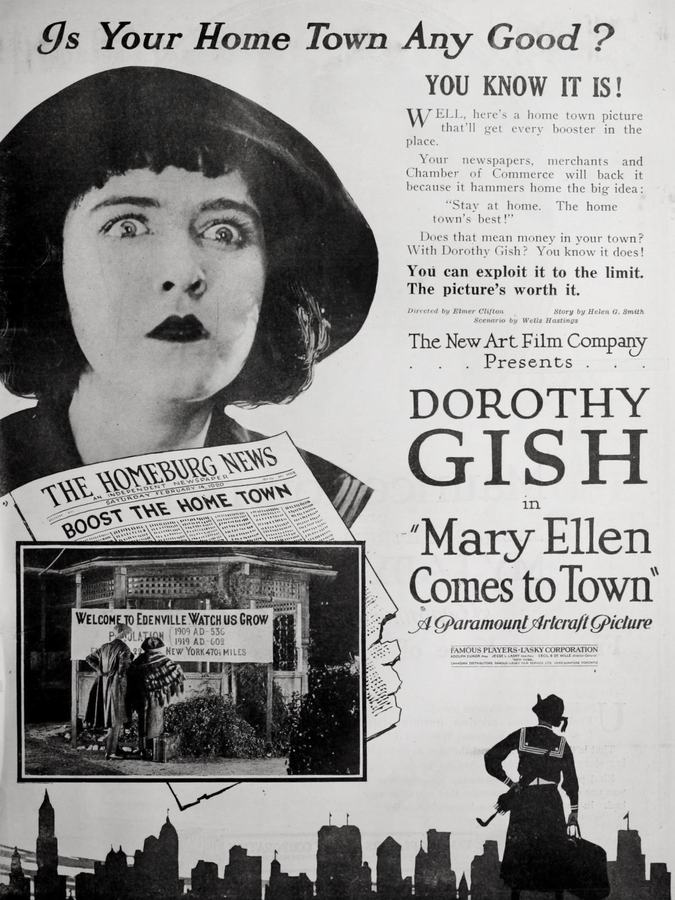
The film Mary Ellen Comes to Town is a masterful exploration of the human condition, delving into the complexities of innocence, deception, and the resilience of the human spirit. Through the protagonist's journey, the filmmakers skillfully weave a narrative that is both a commentary on the societal ills of the time and a deeply personal exploration of one woman's struggle to maintain her integrity in the face of overwhelming adversity.
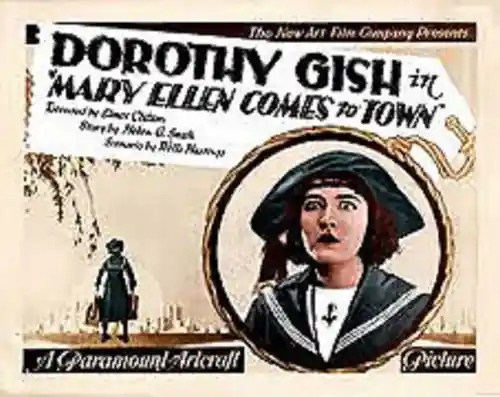
The cinematography is noteworthy, with a keen use of lighting and shadows to create a sense of depth and dimensionality, drawing the viewer into the world of the film. The cityscape, with its towering skyscrapers and bustling streets, is juxtaposed with the tranquil, idyllic landscapes of the countryside, serving as a visual metaphor for the clash between the old and the new, the pure and the corrupt. This dichotomy is further underscored by the dark orange hues that permeate the city scenes, symbolizing the passion and energy of urban life, while the yellow tones that dominate the country sequences represent the warmth and simplicity of rural existence.
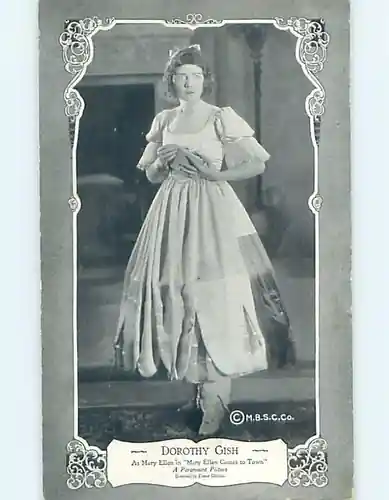
The performances are equally impressive, with Rhea Haines delivering a standout portrayal of Mary Ellen, imbuing the character with a sense of vulnerability and determination that is both captivating and heartbreaking. The supporting cast, including Kate Bruce and Bert Appling, add depth and nuance to the narrative, their characters serving as foils to Mary Ellen's innocence and good intentions. The sea blue eyes of the protagonist seem to hold a deep sadness, a sense of longing for a life untainted by the cynicism and greed that surrounds her.
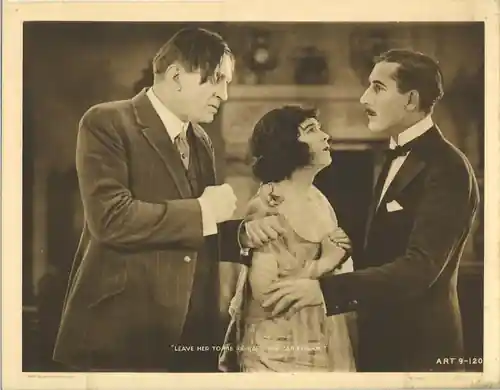
In comparison to other films of the era, such as Napoleon and Koroleva ekrana, Mary Ellen Comes to Town stands out for its thoughtful pacing and nuanced character development. While films like He Loved Like He Lied and En hustru till låns rely on more overt melodrama and sensationalism, Mary Ellen Comes to Town prefers a more understated approach, allowing the viewer to infer and interpret the emotions and motivations of the characters. This subtlety is reminiscent of films like Kindling and The Closed Road, which also explore themes of social commentary and personal struggle.
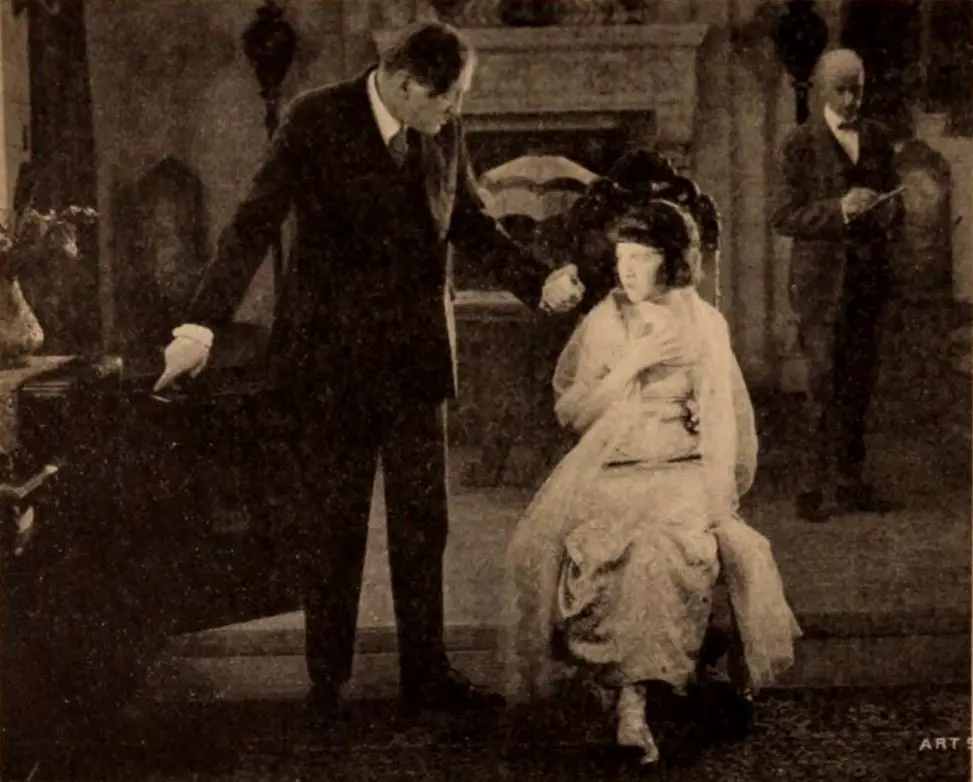
The themes of deception and exploitation that permeate Mary Ellen Comes to Town are echoed in films like Tell Your Wife Everything and A Girl at Bay, which also feature female protagonists navigating treacherous social landscapes. However, Mary Ellen Comes to Town distinguishes itself through its thoughtful exploration of the complexities of human relationships and the ways in which individuals can both harm and help one another. The film's use of dark orange and yellow hues to symbolize the contrasts between city and country life is a powerful visual metaphor that adds depth and nuance to the narrative.
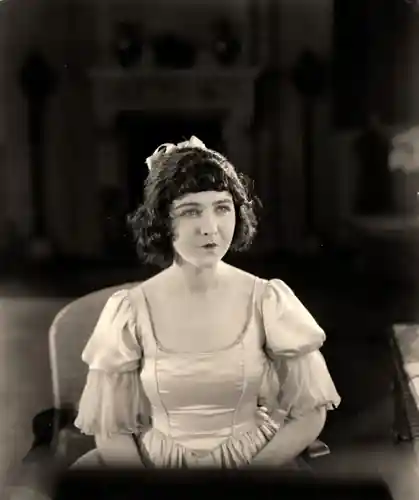
Ultimately, Mary Ellen Comes to Town is a film that will resonate with viewers who appreciate thoughtful, character-driven storytelling and are interested in exploring the social and cultural context of the early 20th century. While it may not be as well-known as some of its contemporaries, such as Her Triumph or All 'Fur' Her, it is a hidden gem that rewards close attention and reflection. As the sea blue eyes of Mary Ellen seem to suggest, there is a deep sadness and longing that underlies the human experience, a sense of disconnection and fragmentation that can only be overcome through empathy, compassion, and understanding.
In conclusion, Mary Ellen Comes to Town is a masterful film that explores the complexities of human relationships and the social and cultural context of the early 20th century. With its thoughtful pacing, nuanced character development, and powerful visual metaphors, it is a must-see for fans of classic cinema and anyone interested in exploring the human condition. The film's use of dark orange, yellow, and sea blue hues adds a depth and nuance to the narrative that is unparalleled in films of its era, making it a true classic that will continue to resonate with viewers for generations to come.
The influence of Mary Ellen Comes to Town can be seen in later films such as Rose Bernd and The Amateur Liar, which also explore themes of social commentary and personal struggle. The film's use of visual metaphors and nuanced character development has also been influential in the development of later cinematic styles, such as the dark orange and yellow hues that dominate the city sequences, which have become a hallmark of urban dramas. The sea blue eyes of Mary Ellen have also become an iconic image in cinema, symbolizing the deep sadness and longing that underlies the human experience.
In addition to its influence on later films, Mary Ellen Comes to Town has also been recognized for its historical significance, providing a unique window into the social and cultural context of the early 20th century. The film's portrayal of the city as a place of corruption and exploitation, while the countryside is depicted as a haven of innocence and purity, is a powerful commentary on the societal ills of the time. The film's use of dark orange and yellow hues to symbolize the contrasts between city and country life is a powerful visual metaphor that adds depth and nuance to the narrative.
The legacy of Mary Ellen Comes to Town can be seen in the many films that have followed in its footsteps, exploring themes of social commentary and personal struggle. The film's influence can be seen in films such as Sudden Jim and The Buzzard's Shadow, which also feature female protagonists navigating treacherous social landscapes. The film's use of visual metaphors and nuanced character development has also been influential in the development of later cinematic styles, making it a true classic that will continue to resonate with viewers for generations to come.
IMDb 6.3
1924
Community
Log in to comment.