DbcultAccessing Vault...
Cult Review
Senior Film Conservator
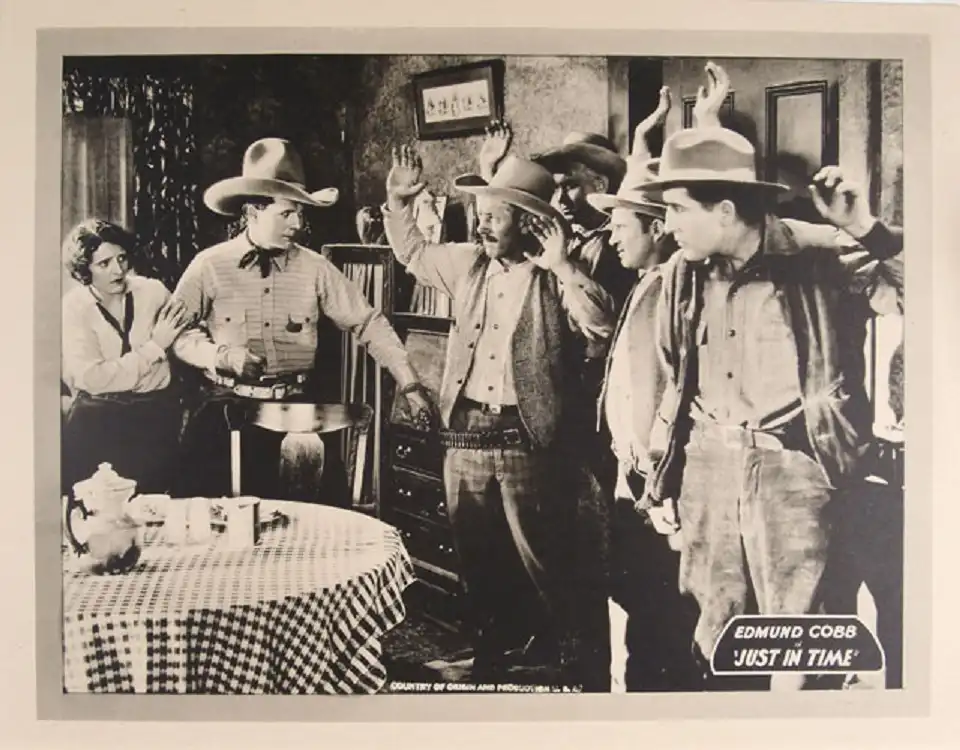
For most people clicking this link, let's be real: Just in Time, a film from 1929, isn't going to be your next Friday night binge. And that’s totally okay. But if you’re a genuine film history buff, someone who gets a kick out of seeing the foundational bits, the start of it all, then settle in. You might just find something oddly compelling here. Everyone else, honestly, you'll probably find it a bit of a slog. It’s a very different kind of storytelling.
The premise, as far as I can gather, is pretty much what it says on the tin: someone arrives just when they're needed most. Maybe to save the day, maybe to deliver a crucial message, you know, that kind of thing. It’s wonderfully direct, no real frills.
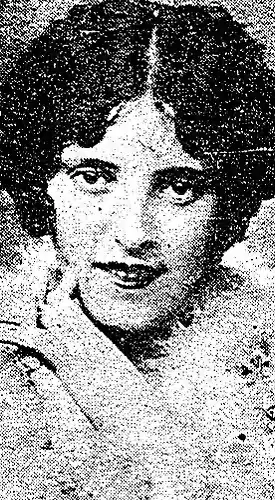
Watching Just in Time, you're immediately hit with the pacing of the era. Things move, but they also take their sweet time. There’s a scene where Regina Doyle's character, I think her name is Mary, just stands there, her eyes doing a lot of work. You can really feel her trying to convey a whole paragraph of emotion with just a slight tilt of her head. 🧐
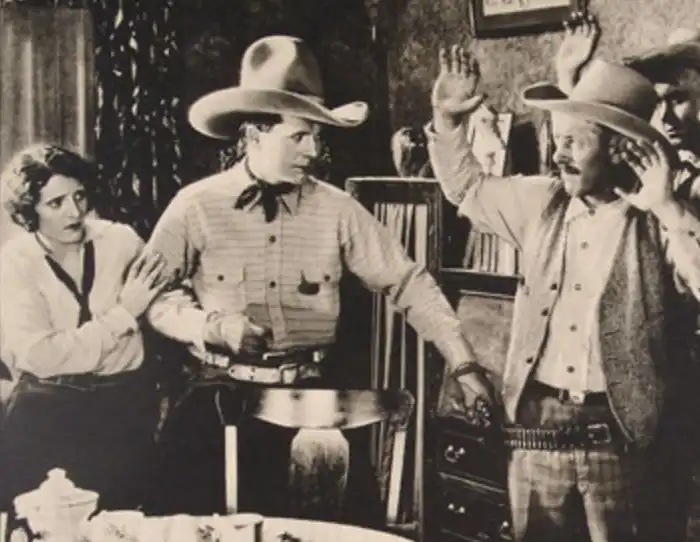
Wilbur Mack, playing what seems like the slightly flustered hero, has this nervous energy about him. It's not a subtle performance by today's standards, but it's *effective* for what it is. Every gesture is a bit bigger, almost theatrical, which makes sense for the period.
One small thing that stuck with me was the way they used close-ups. They don't just happen; they feel very deliberate. Like, when someone gets really important news, the camera just pushes in, slowly. You don't get that quick-cut urgency we see now. It’s a moment, you know?
The sets are simple, often just a room or a street corner, but they feel lived-in enough. You’re not getting grand sweeping vistas, but then again, why would you expect that? It’s about the immediate drama, the people in the room.
There's a particular shot of Edmund Cobb's character looking off-screen. It lasts maybe three seconds too long, and you start to wonder what he's thinking. Is he just waiting for his cue, or is it supposed to be this profound internal moment? It's hard to tell, but it makes you pay attention. It’s kind of endearing, actually.
And the title cards! Oh, the title cards. They're part of the charm, really. The fonts, the way they punctuate the action. It's almost like a narrator whispering in your ear, but in big, bold letters. You read them, then you watch the actors react to what you just read. It's a rhythm all its own.
I guess what I’m saying is, this isn't a movie you analyze for its complex themes or groundbreaking cinematography. It's a moment in time, a snapshot. It’s watching the very bones of storytelling getting laid down. And sometimes, that’s just enough.
You probably won't be talking about it for weeks, but it leaves a faint impression. A little nod to the past. 👍
IMDb 7.5
1937
Community
Log in to comment.