DbcultAccessing Vault...
Cult Review
Senior Film Conservator
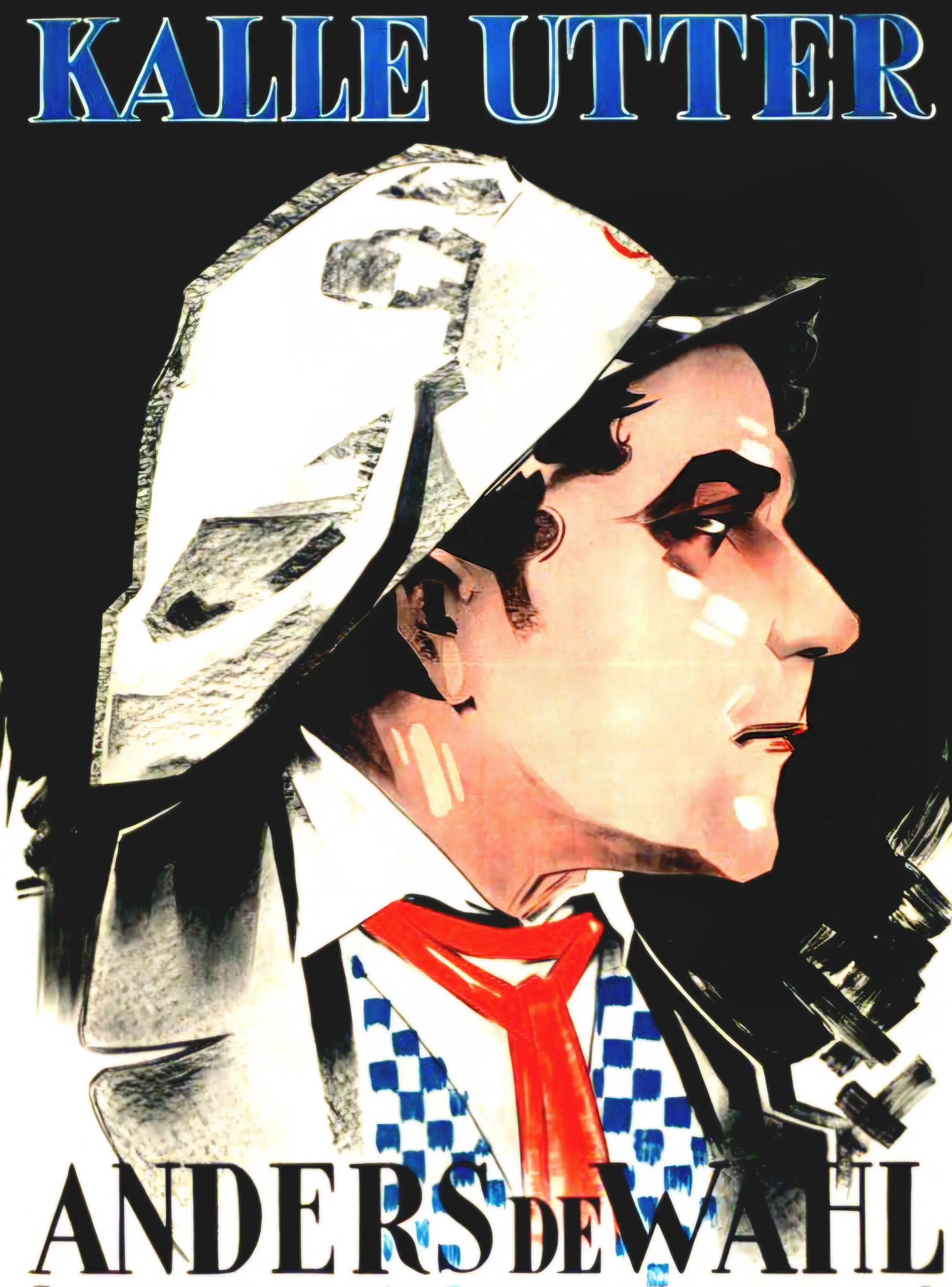
In the atmospheric backdrop of 19th-century Uppsala, Kalle Utter unfolds as a tale of spiritual inquiry and existential questioning. The film, a masterwork by Hjalmar Bergman and August Blanche, encapsulates the tumultuous journey of a young theologian grappling with the intersections of faith, knowledge, and identity.
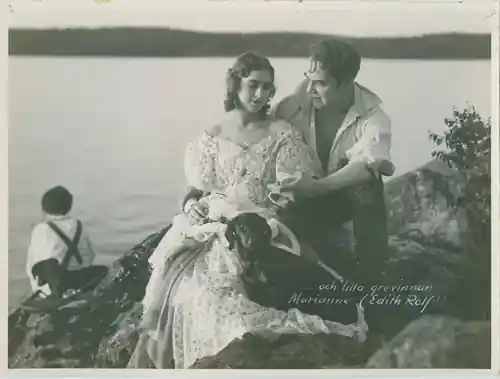
At the heart of the narrative stands Karin Swanström as Kalle Utter, a character whose intellectual curiosity and moral quandaries resonate deeply. The supporting cast, including Linnéa Hillberg, Edit Rolf, and Eric Gustafson, bring depth and nuance to their roles, painting a vivid portrait of a society teetering between tradition and modernity.
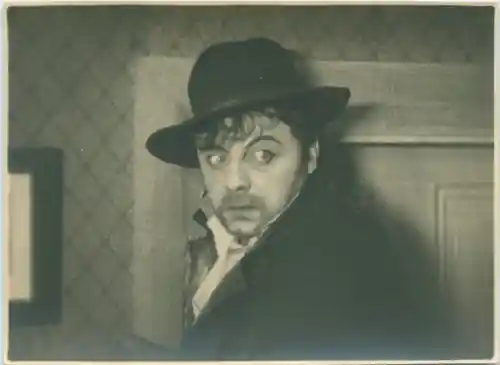
The film's setting, Uppsala University, serves as both a sanctuary and a battleground for Kalle. Here, he encounters a pantheon of influential thinkers and scholars, each offering their perspectives on the nature of faith and the role of the divine in the secular world. These intellectual sparring partners include characters played by John Ekman, Nils Aréhn, and Julia Cæsar, whose interactions with Kalle are both enlightening and challenging.
The narrative is a tapestry of philosophical debates, personal revelations, and societal upheaval. Kalle's journey is one of self-discovery, as he navigates the complexities of his faith and the expectations placed upon him by his peers and family. The film's exploration of these themes is both profound and deeply human, making it a compelling watch for those interested in historical dramas that also delve into the human condition.
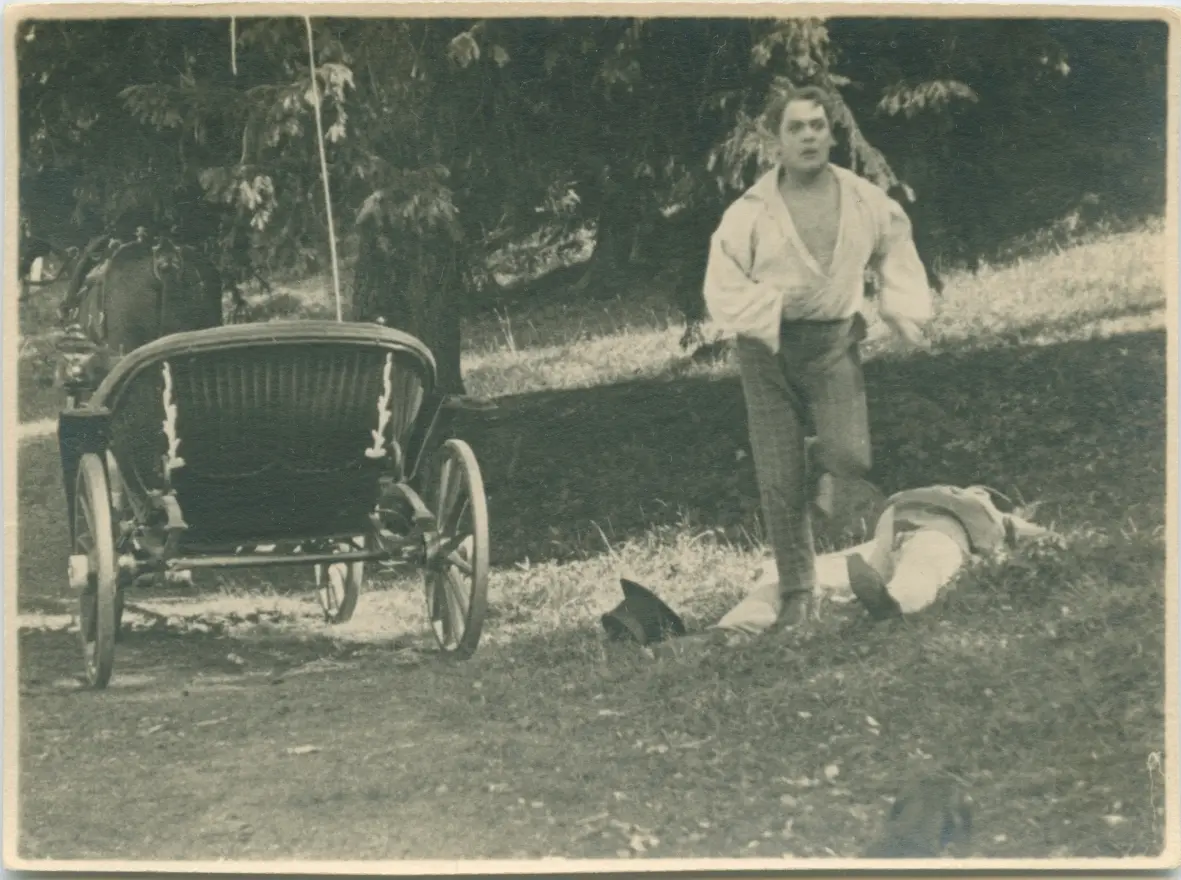
The cinematography is a standout feature, capturing the architectural grandeur of Uppsala's academic spaces and the quaint, almost mystical atmosphere of the university town. The visual aesthetic is a blend of historical accuracy and artistic flair, creating a setting that feels both familiar and otherworldly. The use of light and shadow, particularly in scenes set within the university's lecture halls and library, adds layers of meaning to the narrative, enhancing the viewer's immersion.
The sound design plays a crucial role in the film's ambiance, with subtle references to the era's music and the hushed tones of scholarly discourse. The score, while not overpowering, complements the visual aesthetic, evoking a sense of time and place. The sound effects, such as the gentle creaking of old wooden floors and the rustling of parchment, contribute to the film's rich sensory experience.
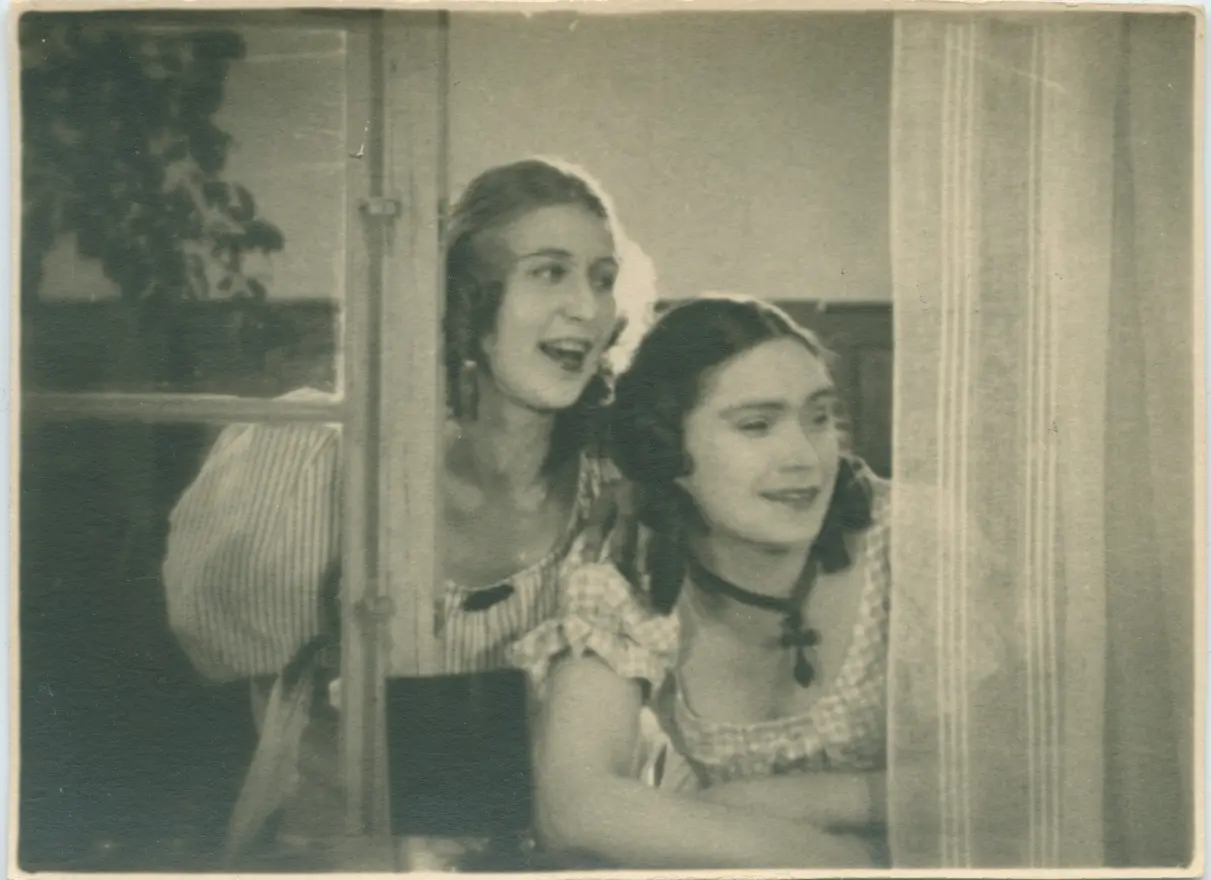
One cannot discuss Kalle Utter without acknowledging its place within the landscape of Swedish cinema. The film shares thematic and stylistic similarities with other classics such as The Writing on the Wall and Ashes of Hope, both of which explore the interplay between personal and societal narratives. However, Kalle Utter stands out for its more intimate and introspective focus, delving deeply into the psyche of its protagonist.
The writing, as penned by Hjalmar Bergman and August Blanche, is a marvel of literary craftsmanship. The dialogue is sharp, thought-provoking, and genuinely reflective of the era. The script balances historical authenticity with emotional depth, ensuring that the characters feel both of their time and timeless in their struggles. The script's attention to detail is evident in the way it captures the nuances of academic discourse and the subtleties of personal relationships.
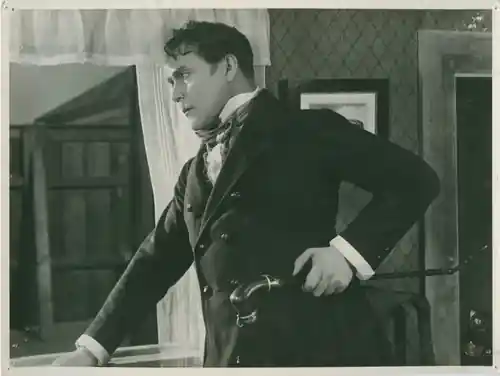
From a technical standpoint, Kalle Utter is a testament to the filmmakers' commitment to authenticity. The meticulous research that went into recreating 19th-century Uppsala is evident in the set design, costuming, and attention to period-specific details. The film's dedication to historical accuracy is further underlined by its casting of actors who bring a sense of lived experience to their roles. This commitment to realism enhances the film's immersion and emotional impact.
The performances are uniformly strong, with Swanström's portrayal of Kalle Utter being particularly notable. Her nuanced performance captures the character's intellectual rigour and emotional vulnerability, making Kalle a relatable figure despite the historical context. The supporting cast, including Hillberg, Rolf, and Gustafson, offer performances that are equally compelling, each bringing a depth of character that enriches the overall narrative.
While Kalle Utter is a film that rewards close attention, it is also accessible to general audiences. The pacing is deliberate but never stilted, allowing the film's themes to unfold naturally. The narrative's structure, while complex, is well-paced, ensuring that the emotional and intellectual journey of the protagonist remains engaging throughout.
One of the film's strengths lies in its ability to tackle heavy themes with a sense of humor and humanity. The characters' intellectual sparring is as much about personal growth as it is about academic debate. This blend of intellectual rigor and emotional resonance makes the film a rewarding experience for viewers seeking both a historical drama and a character-driven narrative.
In conclusion, Kalle Utter is a film that stands out for its rich historical tapestry, nuanced character development, and thoughtful exploration of philosophical and personal questions. It is a must-watch for fans of Swedish cinema and anyone interested in dramas that delve deep into the complexities of the human spirit. The film's blend of intellectual rigor and emotional depth makes it a standout in its genre, ensuring that its impact lingers long after the credits roll.
IMDb —
1924
Community
Log in to comment.