DbcultAccessing Vault...
Cult Review
Senior Film Conservator
Emerging from the silent era's vibrant tapestry, The Curse of Iku (1918) stands as a compelling testament to the power of early cinema to weave narratives of profound human emotion against sweeping backdrops of cultural collision. This film, a fascinating relic from a bygone epoch, plunges its audience into a world where rigid tradition clashes violently with the irresistible force of forbidden love. It is a cinematic experience that, even a century later, retains a potent resonance, speaking volumes about the universal struggles of duty versus desire, and the often-tragic consequences of defying established order.
The narrative commences with a visceral jolt: Allan Carroll, an American sailor portrayed with compelling earnestness by Frank Borzage, finds himself at the mercy of the unforgiving sea. Shipwrecked off the enigmatic coast of 19th-century Japan, his very survival is a challenge to the isolationist policies of the era. The initial moments establish a palpable tension, as Carroll's alien presence in this secluded land immediately marks him as an outsider, a threat to the carefully maintained equilibrium. His rescue by the kind-hearted Yori is not merely an act of compassion; it is a profound transgression against the local ruler's absolute decree. This immediate juxtaposition of life-saving humanity and life-threatening law sets the stage for the intricate moral dilemmas that will define the film.
Prince Iku, a figure of formidable authority and unyielding conviction, has unequivocally declared that all foreigners 'trespassing' on Japanese soil are to be summarily executed. This edict, born of a desire to preserve cultural purity and national sovereignty, casts a long, menacing shadow over the entire narrative. The news of a foreign sailor having washed ashore and subsequently being harbored by villagers reaches the Prince's ears, igniting his resolve to enforce his will. His decision to dispatch his sister, Omi San, to investigate is a pivotal plot point, introducing the character who will ultimately become the fulcrum of the unfolding tragedy.
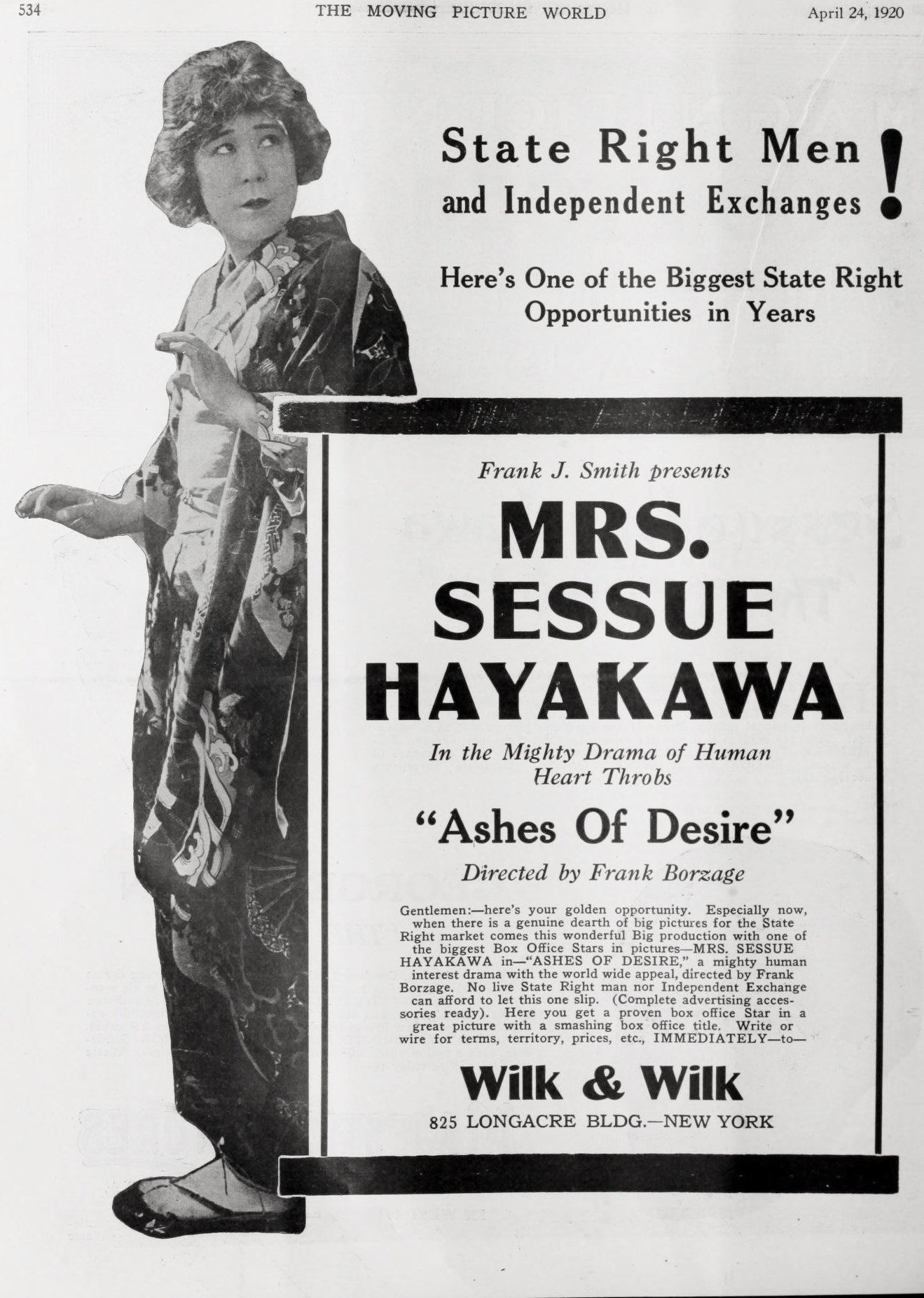
Omi San, brought to life with exquisite grace and emotional depth by Tsuru Aoki, is initially presented as an instrument of her brother's will, a dutiful extension of his authority. Yet, upon encountering Allan Carroll, a profound transformation begins. The film masterfully portrays the genesis of their forbidden romance, allowing the audience to witness the subtle shifts in Omi San's demeanor, the burgeoning conflict between her loyalty to her family and her burgeoning affection for the stranger. Aoki's performance, relying on the nuanced gestures and expressions characteristic of silent film, conveys a spectrum of emotion, from initial suspicion to undeniable enchantment. Her choice not to expose Carroll, but instead to protect him and, ultimately, to fall in love with him, forms the beating heart of the story. This development is not merely a romantic interlude; it is an act of profound rebellion, a direct challenge to the very foundations of Prince Iku's rule and Omi San's own identity.
The burgeoning relationship between Omi San and Allan Carroll is a powerful exploration of love's ability to transcend cultural divides and societal prohibitions. It speaks to a universal truth: that human connection, in its purest form, often disregards the artificial boundaries erected by fear and prejudice. Their clandestine meetings, fraught with peril and imbued with a desperate urgency, resonate with a tragic beauty. The film's direction, even in its early cinematic language, understands the visual poetry inherent in their stolen moments, contrasting the tender intimacy of their encounters with the ever-present threat of discovery. This central romantic conflict is arguably the most potent element of the film, providing both its emotional core and its driving dramatic tension.
The fragile peace established by Omi San's defiance is, predictably, unsustainable. Prince Iku, portrayed by Kisaburô Kurihara with an imposing gravitas, is not a figure to be trifled with. His discovery of their secret affair precipitates the film's climactic conflict. The capture of both Allan and Yori is an act of brutal efficiency, a stark reminder of Iku's absolute power and his unwavering commitment to his decrees. Yori's fate, intertwined with Carroll's due to his initial act of kindness, amplifies the tragedy, highlighting the ripple effect of defiance and the severe repercussions for those who dare to assist the 'enemy.'
The Prince's intention to execute both Allan and Yori is not merely an act of punishment but a reaffirmation of his authority and a symbolic cleansing of foreign influence. The impending execution creates an unbearable tension, forcing Omi San into an impossible position. Her loyalty to her brother, her family, and her culture is now irrevocably pitted against her profound love for Allan. This is where the film truly earns its title, as the 'curse' is not a supernatural affliction but the tragic, inexorable consequence of a clash between irreconcilable forces: love and duty, individual desire and societal law, foreign presence and nationalistic fervor. The ensuing complications, as the plot description tantalizingly suggests, are a masterful unraveling of these tensions, leading to a dramatic crescendo that leaves a lasting impression.
The enduring appeal of The Curse of Iku is inextricably linked to the compelling performances of its lead actors. Frank Borzage, a name synonymous with silent film romance and later, a celebrated director, imbues Allan Carroll with a sincerity and vulnerability that makes his predicament deeply empathetic. His portrayal captures the essence of a man adrift, both literally and figuratively, in a world that is simultaneously beautiful and dangerously hostile. His expressions, his body language, all speak to the inner turmoil of a man caught between survival and profound affection.
Tsuru Aoki, however, is arguably the film's luminous core. As Omi San, she navigates the complex emotional landscape of a woman torn between filial duty and passionate love with astonishing grace. Her expressive eyes and delicate gestures convey a depth of feeling that transcends the lack of spoken dialogue. It is through her silent suffering and her courageous defiance that the film truly finds its emotional resonance. Aoki’s performance here, much like her work in other early films, solidified her status as a pioneering actress who brought a nuanced understanding of character to the nascent art form. Her ability to convey internal struggle through external stillness is a masterclass in silent film acting. One might draw a parallel to the intense emotional conflict explored in films like Loyalty, where characters frequently grapple with profound ethical dilemmas and personal sacrifice, often portrayed through equally compelling non-verbal communication.
Kisaburô Kurihara, as Prince Iku, provides the necessary antagonist, not as a mustache-twirling villain, but as a figure of stern, unbending principle. His performance lends credibility to the severity of the situation, making Iku's decrees feel genuinely threatening rather than merely theatrical. The interplay between these three central figures forms a dynamic triangle of love, loyalty, and rigid authority, driving the narrative forward with an almost relentless momentum.
The screenplay, crafted by Sam Small Jr., demonstrates a keen understanding of dramatic structure and character development, particularly impressive given the constraints and conventions of early cinema. Small Jr. manages to build a narrative that is both epic in scope (the clash of cultures) and intimate in its focus (the forbidden romance). The pacing, though perhaps deliberate by modern standards, allows for the emotional beats to land with considerable impact, giving the audience time to absorb the gravity of each choice and consequence. The script's elegance lies in its ability to communicate complex themes without relying on exposition-heavy dialogue, a hallmark of excellent silent film writing.
Beyond the performances, The Curse of Iku is a fascinating artifact for its cinematic techniques. While the sophisticated camera movements and editing of later decades were yet to be fully realized, the film utilizes the available tools to great effect. The use of intertitles is judicious, providing essential plot points and character thoughts without overwhelming the visual narrative. The cinematography, though perhaps simplistic by today's standards, effectively captures the exoticism of the Japanese setting and the emotional intensity of the close-ups. The stark contrasts between light and shadow, often employed to heighten dramatic effect, are particularly noteworthy, adding a layer of visual symbolism to the unfolding events.
This film, like many from its era, offers a unique window into the cultural perceptions and anxieties of the time. The theme of xenophobia, the fear and suspicion of the 'other,' is not merely a plot device but a reflection of real-world isolationist sentiments that were prevalent in many parts of the world. The film, therefore, functions as both a romantic drama and a historical document, offering insights into the complex dynamics of cross-cultural encounters during a period of significant global change. The perilous nature of Allan's presence, the very 'curse' of his foreignness, resonates with the anxieties depicted in other films exploring societal boundaries and the struggle for acceptance, such as The Man Inside, which often delved into characters grappling with their place in a rigid social order.
The enduring legacy of The Curse of Iku lies in its ability to transcend its historical context and speak to timeless human experiences. The struggle for love against insurmountable odds, the pain of divided loyalties, and the harsh realities of power and justice are themes that remain as relevant today as they were over a century ago. While modern audiences might require a slight adjustment to the silent film format, the emotional core of the story is undeniable and profoundly moving. It reminds us that fundamental human emotions and conflicts have always been at the heart of storytelling, regardless of the medium or technological advancements.
At its heart, The Curse of Iku is a narrative about choices and their often-unforeseen, devastating consequences. Yori's choice to save Allan, Omi San's choice to love him, and Prince Iku's choice to enforce his law – each decision ripples outwards, creating a cascade of events that culminates in a poignant climax. The film doesn't shy away from the harsh realities of its premise; it understands that in a world governed by such rigid codes, acts of defiance, no matter how pure their intent, often invite severe retribution. This exploration of moral agency within a restrictive framework is a sophisticated theme for a film of its time, elevating it beyond a simple romance or adventure tale.
The film's concluding 'complications' are a masterstroke of dramatic tension, refusing to offer easy answers or simplistic resolutions. It forces the audience to confront the difficult truths about sacrifice, the price of freedom, and the tragic beauty of love that dares to challenge the status quo. In this regard, it shares a thematic kinship with other dramas of the era that explored societal expectations and personal desires, such as Should a Woman Divorce?, though the contexts are vastly different, the underlying struggle against established norms is a common thread.
Ultimately, The Curse of Iku is more than just a historical curiosity; it is a powerful piece of cinematic art that continues to resonate with its exploration of universal human themes. It's a testament to the pioneering spirit of early filmmakers like Sam Small Jr. in crafting compelling narratives and to the magnetic presence of actors like Frank Borzage and Tsuru Aoki, whose performances transcended the limitations of their medium. For anyone interested in the evolution of film, the complexities of cross-cultural relationships, or simply a deeply moving story of forbidden love, this silent classic offers a rich and rewarding experience. It reminds us that even without spoken words, the human heart can communicate volumes, and the echoes of its struggles can reverberate through time, a truly captivating and enduring 'curse' indeed.
IMDb 6.5
1937
Community
Log in to comment.