DbcultAccessing Vault...
6.1/10
Senior Film Conservator
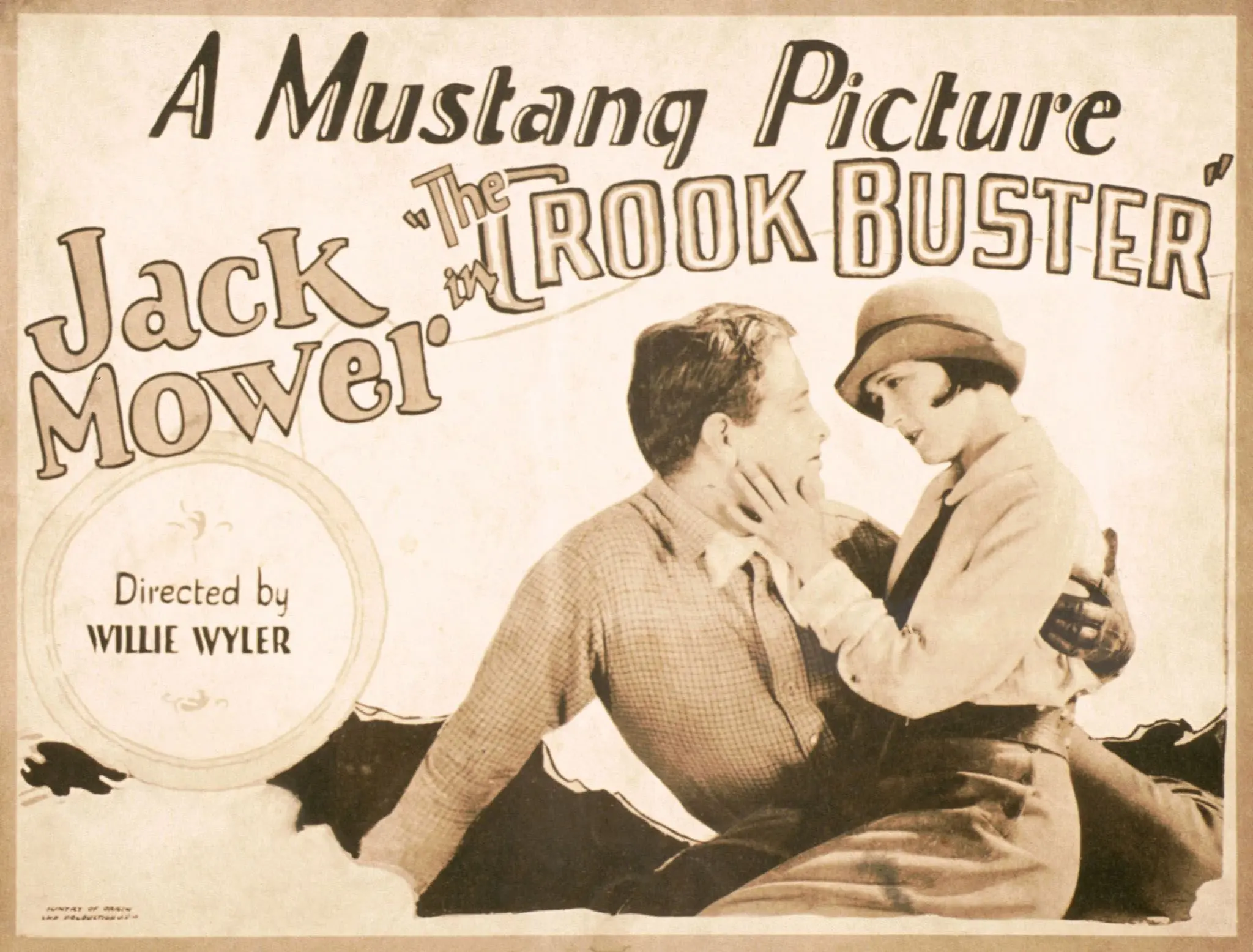
A definitive 6.1/10 rating for a film that redefined the boundaries of cult cinema. The Crook Buster remains a cornerstone of transgressive art.
Stepping back into the annals of cinematic history, one often stumbles upon forgotten gems, or in this particular case, the foundational pebble upon which a monumental career was built. William Wyler’s directorial debut, the silent short The Crook Buster, is precisely that: a fascinating, embryonic glimpse into the mind of a filmmaker who would eventually helm some of Hollywood’s most enduring classics. It’s a testament to the adage that even the grandest journeys begin with a single, often unassuming, step. For an art critic, dissecting such a piece isn't just about the narrative, but about the very genesis of a vision, the first hesitant strokes on a canvas that would later bear masterpieces.
The film, a succinct exploration of urban justice penned by Leigh Jason, thrusts us into a world where the lines between right and wrong, though starkly drawn, are constantly challenged by the exigencies of a burgeoning modern city. Jack Mower, a familiar face from the silent era, embodies the central figure, a lone operative dedicated to rooting out crime. His portrayal, even in this early work, carries a certain stoic gravitas, a quiet determination that resonates deeply. Mower’s character isn't a flamboyant hero; he's the methodical, almost anonymous, force for good, a man whose efficacy lies in his unwavering resolve rather than any grandstanding. This approach to heroism feels remarkably modern, eschewing the more exaggerated theatricality often found in contemporary shorts. It's less about a cape and more about a keen eye and a persistent spirit.
While the plot details are sparse, Wyler manages to construct a compelling, if brief, narrative arc that belies the film’s humble origins. We are introduced to Mower’s character, a vigilant detective, perhaps, or a private investigator with an unshakeable moral compass. His routine patrols, a meticulous observation of the city's underbelly, are soon disrupted by a more pressing concern: the emergence of a particularly insidious criminal element. This 'crook,' rather than a singular antagonist, manifests as a pervasive threat, a shadowy network preying on the city's unsuspecting inhabitants. The genius here, even in its simplicity, is how Wyler establishes a sense of tension and vulnerability without relying on overt exposition. The visual language speaks volumes.
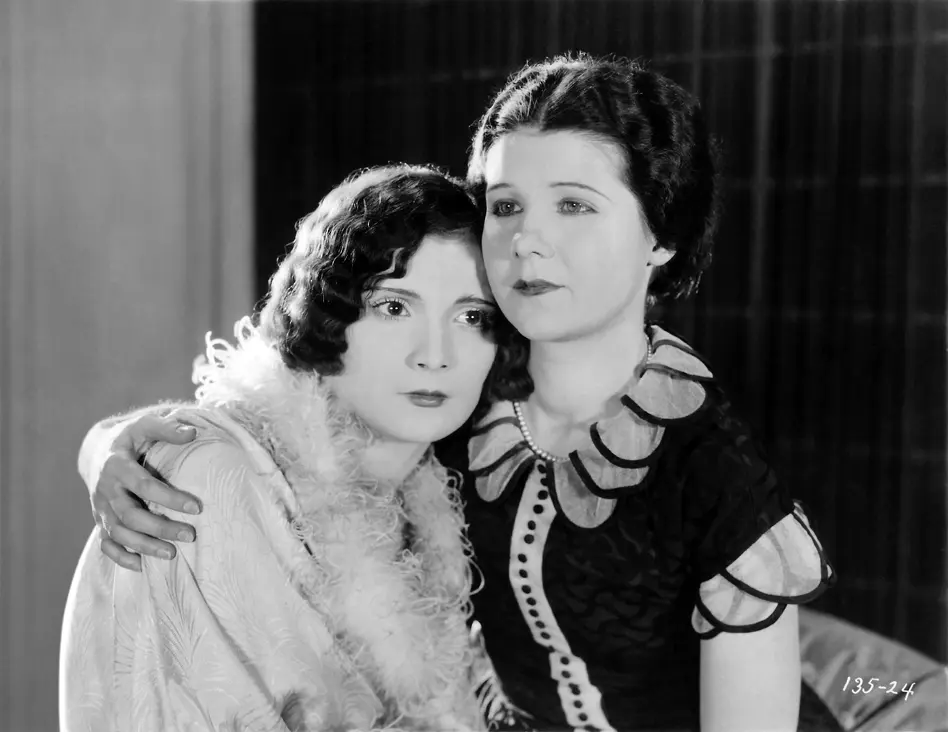
The catalyst for Mower’s more direct intervention arrives in the form of Janet Gaynor’s character. Gaynor, who would soon rise to unparalleled stardom, here delivers a performance that, while brief, hints at the profound emotional depth she would later command. She portrays a young woman, seemingly innocent and caught in the crosshairs of this criminal enterprise. Perhaps she witnesses a crime, or is herself targeted, becoming a pawn in a larger game. Wyler uses her presence to humanize the stakes, transforming an abstract fight against 'crime' into a personal crusade to protect the vulnerable. The scenes involving Gaynor, though few, are imbued with a delicate fragility, an almost ethereal quality that contrasts sharply with the gritty urban backdrop. This early collaboration between Wyler and Gaynor, though nascent, is a fascinating precursor to the more complex character studies they would both later contribute to cinema.
The 'crook' of the title is not a single, easily identifiable villain, but rather a representation of the systemic corruption that Mower’s character is determined to dismantle. The narrative unfolds through a series of chases and confrontations, executed with a surprising economy of motion and expression. Wyler’s early directorial hand is evident in the way he frames these sequences, using clever cuts and dynamic camera angles (for the time) to heighten the sense of urgency. One can almost see the blueprint for his later, more intricate suspense sequences, albeit in a rudimentary form. The climax, though swift, delivers a satisfying resolution, reaffirming the triumph of vigilance over villainy, a common trope of the era, yet handled with Wyler's nascent touch of realism.
Jack Mower, while not possessing the household name recognition of some of his contemporaries, delivers a performance here that anchors the entire short. His portrayal of the 'crook buster' is one of quiet competence. He doesn't rely on grand gestures or exaggerated facial expressions, a common pitfall in silent cinema. Instead, Mower conveys resolve through his posture, his deliberate movements, and the intensity in his eyes. There's a grounded quality to his acting that makes his character instantly believable. In an era where much of the acting was still tethered to stage conventions, Mower’s nuanced approach stands out, hinting at the shift towards more naturalistic performances that would eventually define the talkie era. One could draw parallels to the understated masculinity seen in other strong, silent types of the period, though Mower brings a unique, almost weary, sincerity to his role.
Janet Gaynor, on the other hand, is a revelation, even in this limited capacity. Her screen presence is undeniable, a delicate blend of vulnerability and nascent strength. As the imperiled young woman, she doesn't merely react; she imbues her character with an inner life that transcends the simple 'damsel in distress' archetype. Her expressions, though silent, speak volumes, conveying fear, hope, and a quiet resilience. It’s easy to see why she would so quickly become one of Hollywood's most beloved stars, earning the very first Academy Award for Best Actress just a few years later. Her ability to project emotion without dialogue is particularly striking. While her role here is not as developed as in The Willow Tree or her iconic performance in The Belle of Kenosha, the foundational elements of her captivating screen persona are unmistakably present. Wyler, even in his debut, clearly recognized and utilized her inherent magnetism, showcasing a keen eye for talent that would serve him throughout his career.
The interplay between Mower's stoicism and Gaynor's emotive vulnerability creates a dynamic core for the film, even within its brief runtime. Their scenes together, though fleeting, suggest a nascent chemistry, a mutual understanding that elevates the simple premise. It's a testament to their individual talents that they manage to forge such a tangible connection with so little dialogue and so few minutes of screen time. This ability to convey complex relationships through purely visual means was a hallmark of the best silent films, and The Crook Buster, in its own small way, contributes to that legacy.
What truly elevates The Crook Buster beyond a mere curio is the directorial hand of William Wyler. Even in this early, uncredited work, one can discern the nascent stylistic choices that would define his later masterpieces. Wyler’s command of the frame, his intuitive understanding of how to use light and shadow to create mood, is surprisingly sophisticated for a debut. The film employs a stark chiaroscuro effect in many of its urban scenes, the deep blacks and bright whites not just for aesthetic appeal, but to visually underscore the moral dichotomies at play. This meticulous attention to visual composition would become a hallmark of his filmmaking, a characteristic that set him apart from many of his contemporaries.
The pacing of The Crook Buster is another remarkable aspect. Despite being a short, it never feels rushed or haphazard. Wyler allows moments to breathe, building suspense through lingering shots and strategic cuts. There's a deliberate rhythm to the editing that propels the narrative forward without sacrificing clarity or emotional impact. This controlled tempo is a stark contrast to some of the more frenetic, less disciplined editing styles prevalent in other shorts of the era, such as the often chaotic energy of Two Little Imps or the rapid-fire gags of All Dolled Up. Wyler, even then, understood the power of measured storytelling.
One can also observe Wyler's early penchant for character-driven narratives. While the plot is straightforward, the film prioritizes the emotional journeys and motivations of its protagonists. The 'crook buster' isn't just a plot device; he's a man with a mission, driven by a palpable sense of duty. Similarly, Gaynor’s character isn’t just a passive victim; she embodies a resilience that makes her plight more engaging. This focus on the inner lives of his characters would be a defining characteristic of Wyler's celebrated career, from the complex moral dilemmas of Atonement to the poignant human drama of his later works. The Crook Buster, in its own modest way, lays the groundwork for this profound cinematic empathy.
It’s fascinating to consider how this brief silent film foreshadows the meticulous attention to detail and realism that would become Wyler's signature. He wasn't content with merely telling a story; he sought to imbue it with a sense of authenticity, even within the stylized confines of silent cinema. The urban settings, though likely studio constructs, feel lived-in and tangible, adding a layer of verisimilitude to the proceedings. This dedication to crafting believable worlds, regardless of genre or budget, is a clear thread connecting this early short to his monumental achievements decades later. The film’s understated effectiveness makes it a valuable document for anyone studying the evolution of directorial craft, especially for those curious about the formative years of a true cinematic giant.
Ultimately, The Crook Buster serves as more than just a historical curiosity; it’s a vital piece of cinematic archaeology. It allows us to trace the very first imprints of a director who would go on to shape the landscape of American cinema. While it may lack the grand scale or thematic complexity of later Wyler films, it possesses an undeniable charm and a surprising level of craftsmanship for a debut. It reminds us that even the most celebrated artists began somewhere, often in humble circumstances, honing their skills and discovering their voice through trial and error. This short, though often overlooked, is a testament to the persistent spirit of innovation that defined the silent era.
Comparing it to other early works, one might note its straightforward narrative against the more experimental approaches seen in some European shorts like Blutschande, or its focused intensity versus the comedic antics of a film like Should William Tell?. Wyler’s film, even at this nascent stage, leans towards a grounded, almost documentary-like approach to its fictional premise, suggesting a director more interested in the raw mechanics of storytelling than in abstract artistry or broad humor. This directness is part of its enduring appeal, allowing the audience to connect immediately with the characters and their predicament.
The legacy of The Crook Buster, while not as overtly celebrated as Wyler's later triumphs, lies in its foundational significance. It's the first brushstroke of a master painter, the initial chord struck by a virtuoso musician. For cinephiles and film historians alike, it offers an invaluable opportunity to witness the embryonic stages of a legendary career. It shows us not just what Wyler was capable of, but the raw potential that simmered beneath the surface, waiting for more complex narratives and larger canvases to truly explode. It's a quiet declaration of intent, a promise of the cinematic wonders that were yet to come. This film, brief as it is, deserves its place in the spotlight, not just as a historical artifact, but as a compelling example of early cinematic storytelling and the undeniable emergence of a singular directorial voice. It underscores the profound impact a single individual can have, even from the very first flicker of projected light on a screen.
IMDb —
1925
Community
Log in to comment.