DbcultAccessing Vault...
Cult Review
Senior Film Conservator
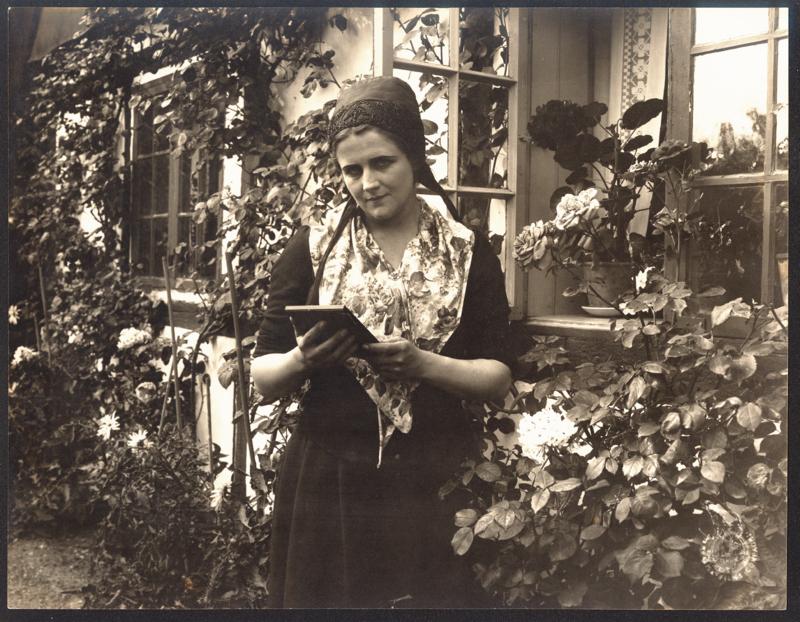
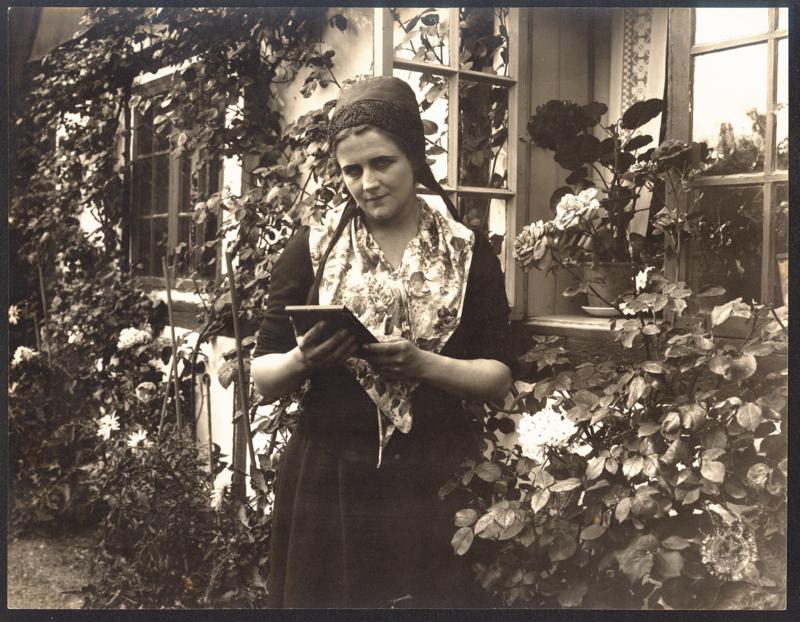
In the vast, often overlooked annals of early cinema, certain films emerge not just as historical artifacts but as vibrant, pulsing narratives that transcend the limitations of their era. 'Katastrofen i Kattegat' is precisely such a marvel, a Danish silent film that, despite its vintage, speaks with an arresting clarity about human nature, love, and the indomitable, often cruel, forces of the natural world. It's a cinematic tempest, a swirling vortex of melodrama and raw emotion, anchored by performances that resonate long after the final frame flickers into darkness. This isn't merely a film; it's an experience, a journey into a bygone era of storytelling where gestures, gazes, and the sheer power of visual composition carried the weight of every uttered word.
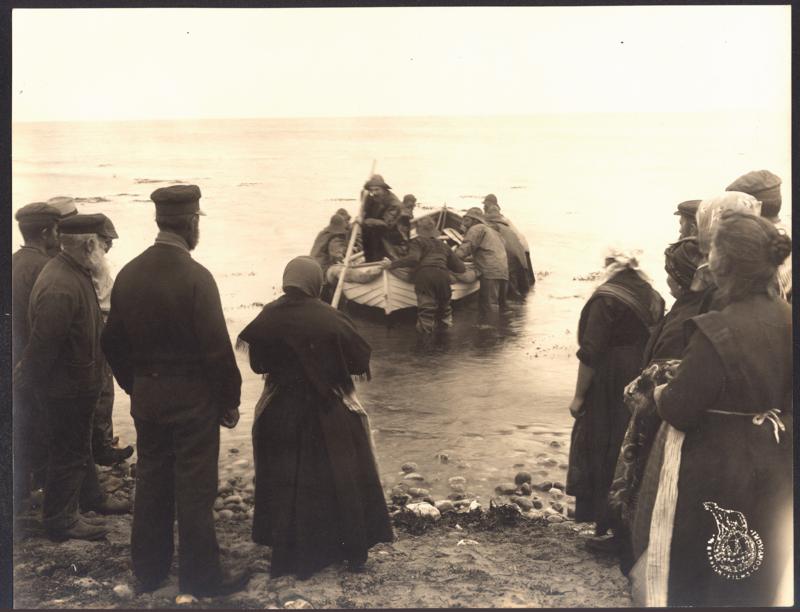
From its very title, 'The Catastrophe in Kattegat', the film signals its dramatic intent, promising a narrative steeped in the perilous beauty of the sea. And indeed, the Kattegat, that treacherous stretch of water connecting the North and Baltic Seas, becomes far more than a mere backdrop; it is a character in itself, shaping destinies, testing allegiances, and ultimately serving as the crucible in which true character is forged. The film brilliantly captures the essence of a fishing community, where life is inextricably linked to the whims of the ocean, where every sunrise brings both hope and the specter of disaster. It's a world where human passions burn fiercely, mirroring the storms that brew offshore, and where the stark choices made under pressure reveal the very core of one's being.
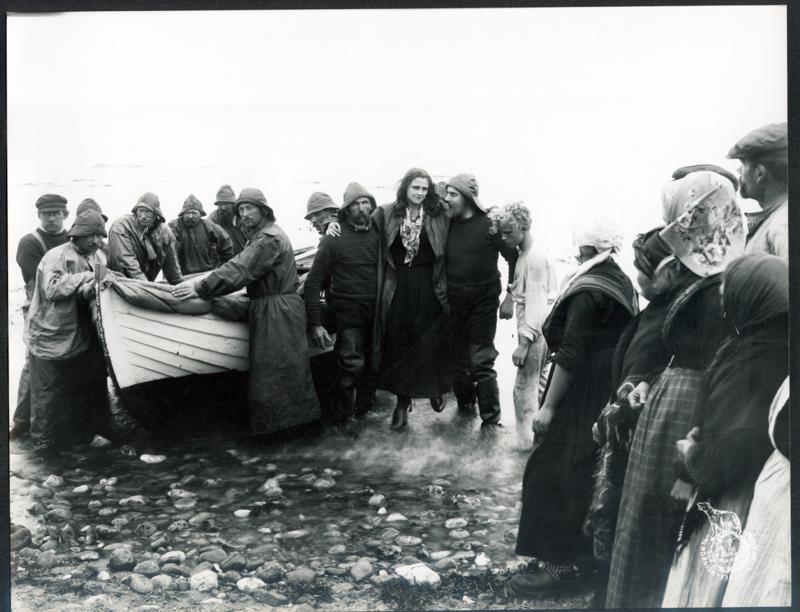
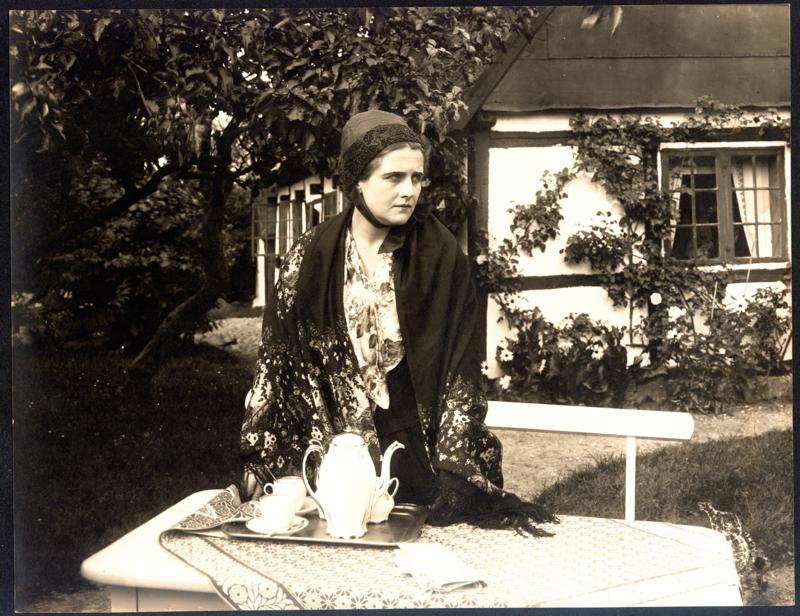
At the heart of this maritime epic lies Elin, portrayed with exquisite sensitivity by Else Frölich. Frölich, a luminary of the Danish silent screen, imbues Elin with a captivating blend of innocence and burgeoning strength. Her expressive eyes, a hallmark of silent acting, convey a vast spectrum of emotions – the naive optimism of young love, the gnawing doubt, and eventually, the profound heartbreak and resolute awakening. Elin is caught in a classic dilemma, a romantic entanglement that feels both timeless and acutely painful. On one side stands Lars, brought to life by Otto Reinwald, whose portrayal is a masterclass in understated heroism. Reinwald’s Lars is the embodiment of the stoic fisherman; his quiet dignity, his unwavering gaze, and his broad, comforting presence speak volumes without a single intertitle. He is the anchor, the steadfast rock against which the turbulent waves of life crash.
Contrasting sharply with Lars is Captain Svend, a role perfectly suited for Rasmus Christiansen's charismatic, yet subtly menacing, screen persona. Christiansen crafts Svend as a figure of dangerous allure, his charm a seductive veil over a calculating heart. He represents the intoxicating pull of ambition and the corrupting influence of greed, a man willing to gamble with lives for illicit gain. His performance is a testament to the power of silent film villainy, where a sneer, a furtive glance, or a dismissive gesture can convey depths of depravity. The friction between these two archetypes – the noble protector and the treacherous opportunist – creates a potent dramatic tension that propels the narrative forward with an almost unbearable inevitability.
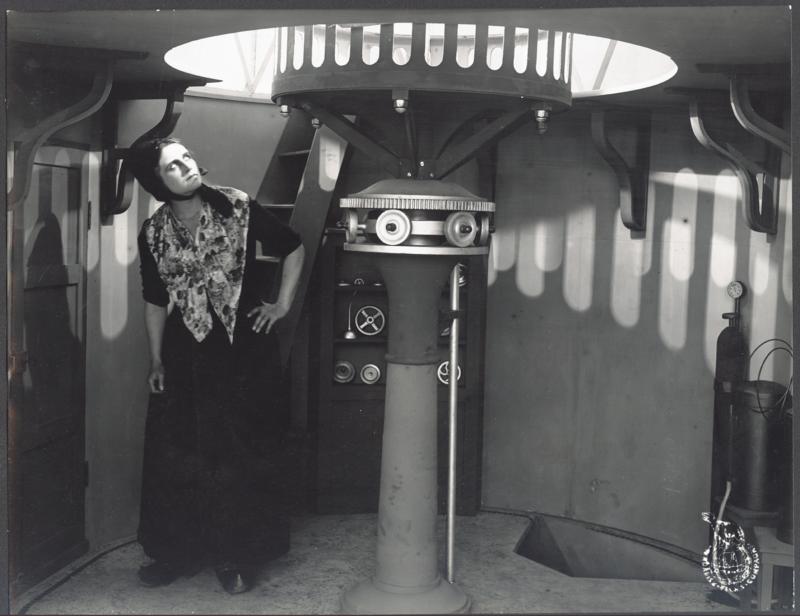
Further enriching this emotional tapestry are the supporting performances. Johanne Krum-Hunderup, as Elin’s older sister Maren, delivers a nuanced portrayal of pragmatic wisdom. Her silent warnings, conveyed through concerned glances and subtle gestures, add a layer of tragic foreshadowing to Elin’s burgeoning romance with Svend. Maren’s character serves as a vital moral compass, a voice of caution that, tragically, Elin is initially too smitten to heed. Carl Lauritzen, as the weathered lighthouse keeper and father, embodies the quiet strength and profound weariness of a man intimately familiar with the sea’s capricious nature. His presence, often a silent sentinel observing the unfolding drama, grounds the film in a sense of authentic rural life, his eyes reflecting the collective anxiety and resilience of the community. Mathilde Felumb Friis, though perhaps in a smaller role, adds to the rich ensemble, contributing to the vibrant, lived-in feel of the village setting. The ensemble truly elevates the material, transforming what could have been a simple melodrama into a poignant study of human fortitude and frailty.
Erich Sagert’s direction of 'Katastrofen i Kattegat' is nothing short of masterful, particularly when viewed through the lens of early cinematic techniques. Sagert possesses an innate understanding of visual storytelling, using the camera not just to record events but to evoke mood, amplify emotion, and underscore thematic resonance. His use of dramatic lighting, particularly in the interior scenes, creates a chiaroscuro effect that heightens the psychological tension, casting long shadows that mirror the moral ambiguities at play. When the narrative shifts to the exterior, the cinematography expands, embracing the raw grandeur of the Kattegat. Wide shots of the churning sea, often dwarfing the human figures against the vast, indifferent horizon, serve as a constant reminder of humanity’s fragile place in the natural order. This visual strategy is reminiscent of other silent era epics that pitted man against nature, such as The Squaw Man, though Sagert's approach feels more intimately tied to the specific, unforgiving landscape of the Danish coast.
The storm sequence, the titular catastrophe, is undoubtedly the film’s technical and emotional apex. Sagert employs a combination of innovative special effects for the era – miniature work, clever editing, and dynamic camera angles – to convey the terrifying power of the gale. The sense of peril is palpable, the audience truly feels the spray, hears the howl of the wind, and experiences the desperate struggle for survival. This sequence is not merely spectacle; it is intrinsically linked to the character arcs, serving as the ultimate crucible. The juxtaposition of Lars’s selfless bravery against Svend’s abject cowardice during the shipwreck is rendered with such stark visual contrast that the moral implications are undeniable. It's a sequence that could stand proudly alongside the most thrilling moments in films like The Danger Signal, demonstrating Sagert's skill in crafting suspense and high-stakes drama.
Beyond its technical prowess and compelling performances, 'Katastrofen i Kattegat' resonates deeply through its exploration of universal themes. The film is a profound meditation on the nature of love – distinguishing between superficial infatuation and enduring, selfless devotion. Elin’s journey is one of painful disillusionment and eventual enlightenment, a coming-of-age story set against a backdrop of life-or-death stakes. Her initial blindness to Svend’s true character, fueled by his intoxicating charm, is a poignant portrayal of youthful naiveté. The film doesn't shy away from depicting the devastating consequences of betrayal, both personal and communal. Svend's actions, driven by avarice, threaten not only individual lives but also the very fabric of trust within the close-knit fishing village. This thematic thread of betrayal and its ripple effects can be seen in other contemporary dramas like Jealousy, though 'Katastrofen i Kattegat' embeds it within a more visceral, life-threatening context.
Ultimately, however, the film is a powerful testament to redemption and the enduring strength of the human spirit. Lars’s unwavering heroism, performed without expectation of reward, offers a beacon of hope amidst the chaos. His actions speak to a deeper, more profound form of love – one that prioritizes the well-being of others, even those who have wronged him. The community’s rallying efforts in the aftermath of the disaster further underscore the theme of collective resilience. It’s a narrative that suggests even in the face of immense tragedy, there is the possibility of renewal, of rebuilding, and of finding solace in genuine connection. This spirit of overcoming adversity and finding strength in unity echoes the powerful communal narratives found in films such as The Battles of a Nation, albeit on a more localized, personal scale.
'Katastrofen i Kattegat' stands as a compelling example of early Nordic cinema’s ability to weave intricate psychological dramas into grand, visually arresting narratives. It demonstrates a sophistication in storytelling and character development that belies its age. The film’s pacing, while deliberate by modern standards, allows for a deep immersion into its world, building tension gradually and allowing emotional beats to fully resonate. The reliance on facial expressions, body language, and the art of the intertitle (which, in this film, are used judiciously and effectively) showcases the unique craft of silent acting. One can draw parallels to the nuanced emotional portrayals in films like The Shadow of Her Past or A Woman's Fight, where the internal struggles of characters are paramount despite the lack of spoken dialogue.
For contemporary audiences, encountering 'Katastrofen i Kattegat' offers a rare glimpse into the foundational elements of cinematic art. It’s a powerful reminder that compelling narratives and profound human insights are not contingent upon technological advancements, but rather on the skill of the storytellers and the authenticity of their vision. The film's depiction of the sea, both as a source of livelihood and a force of destructive power, remains strikingly relevant in its ecological undertones, highlighting humanity’s perpetual dance with nature. It’s a film that demands patience but rewards it tenfold, unfolding a narrative rich in emotional depth and visual splendor. Its enduring power lies in its capacity to evoke universal feelings – love, loss, courage, and the relentless pursuit of a better future – without uttering a single spoken word, leaving a powerful, resonant echo in the mind of the viewer.
In an era where the clamor of sound and spectacle often overshadows genuine storytelling, revisiting 'Katastrofen i Kattegat' is a refreshing, almost spiritual, experience. It serves as a potent reminder of cinema's foundational magic, its ability to transport, to move, and to illuminate the human condition through the sheer artistry of light and shadow. Erich Sagert, along with his talented cast, crafted not just a film, but a timeless piece of art that continues to speak volumes about the eternal struggles and triumphs of the human heart against the backdrop of an indifferent, yet awe-inspiring, world. It's a silent masterpiece, waiting to be rediscovered and cherished by a new generation of cinephiles. Its resonance is as deep and vast as the Kattegat itself.

IMDb 5.6
1932
Community
Log in to comment.