DbcultAccessing Vault...
6.3/10
Senior Film Conservator
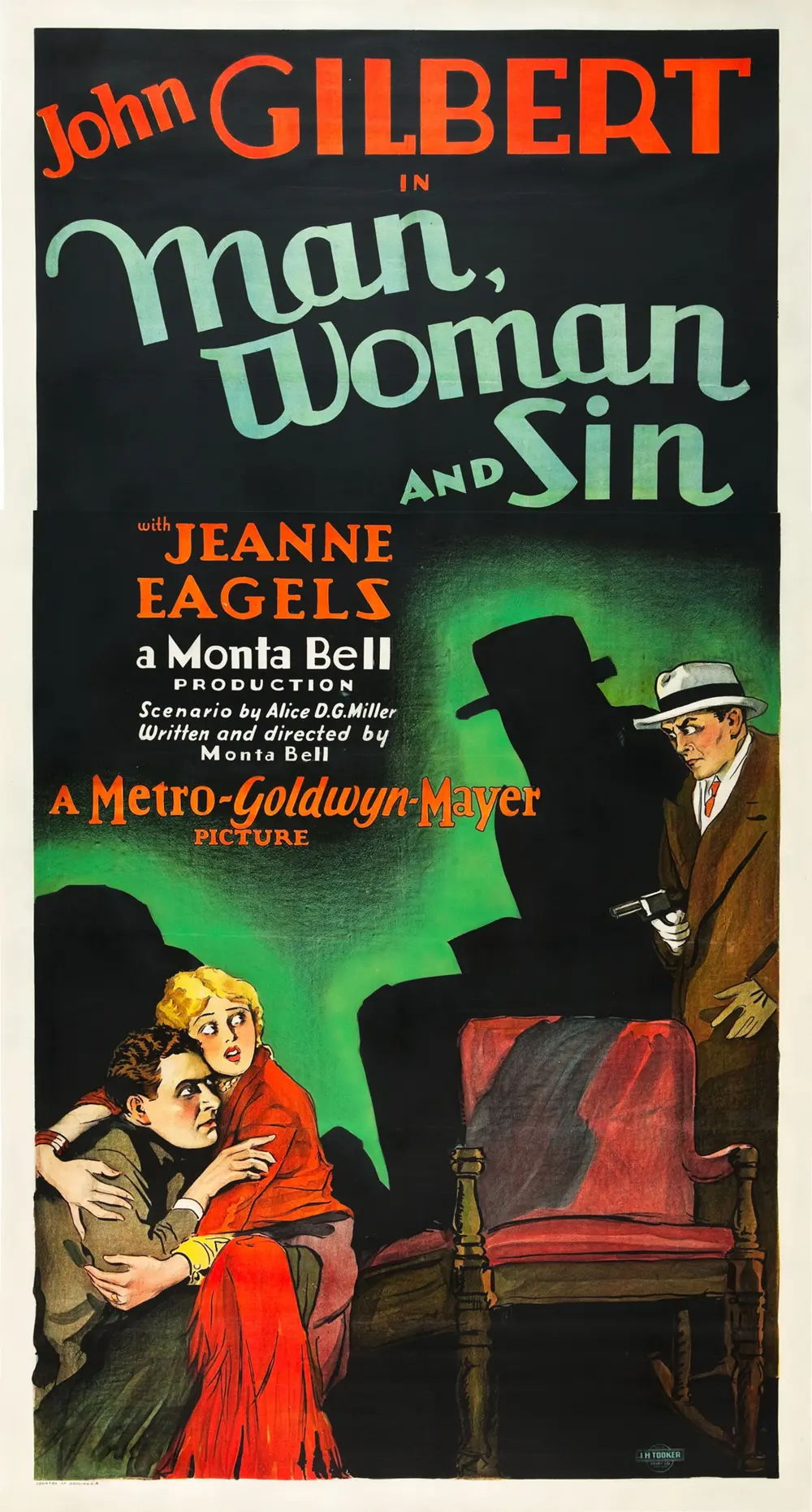
A definitive 6.3/10 rating for a film that redefined the boundaries of cult cinema. Man, Woman and Sin remains a cornerstone of transgressive art.
Is Monta Bell’s 1927 silent drama, Man, Woman and Sin, a film worth seeking out in today's crowded cinematic landscape? Short answer: yes, but with significant caveats. This is a film for those who appreciate the nuanced artistry of the silent era and are willing to engage with a narrative that prioritizes emotional complexity over narrative neatness.
It is decidedly not for viewers seeking fast-paced action, those intolerant of silent film conventions, or anyone expecting a clear-cut moral tale with easy resolutions. Instead, it offers a fascinating window into early Hollywood's exploration of social drama, ambition, and the often-messy realities of human relationships.
Man, Woman and Sin weaves a tale that, at its heart, grapples with the universal themes of ambition, the pursuit of security, and the dangerous allure of forbidden love. Our protagonist, a young man (played with earnest conviction by John Gilbert), embodies the American dream of self-improvement. His singular focus is to earn enough to provide a home for his mother, a goal that immediately grounds his character in relatable, empathetic motivations.

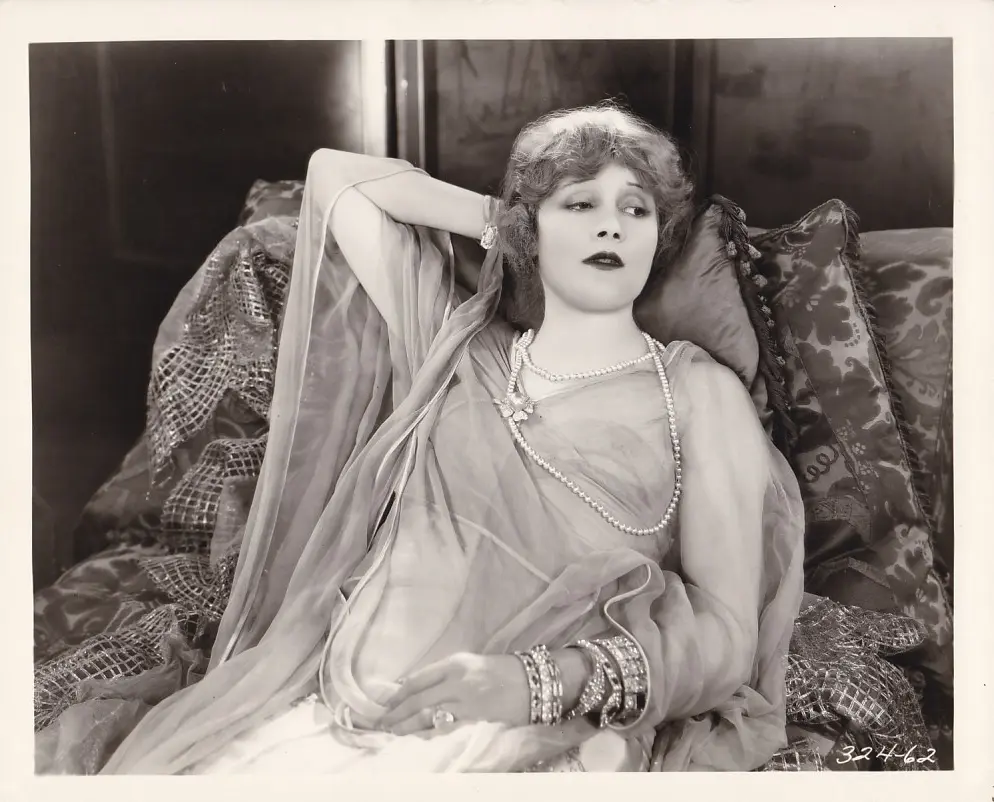
His journey takes him into the bustling, cutthroat world of a newspaper office, a setting that provides a vibrant backdrop for the era's social dynamics. Here, he encounters Vera Worth (Nanci Price), the paper’s glamorous society editor. Vera is a woman of her time, sophisticated and seemingly in control, yet deeply entangled in a clandestine affair with the married managing editor, played by Hayden Stevenson.
The film’s central conflict ignites when Vera, driven by a desire to rekindle her lover’s waning interest, begins to feign affection for the young idealist. This calculated manipulation, however, backfires spectacularly. Price’s performance here is particularly compelling, as she navigates the subtle shift from artifice to genuine feeling. The emotional landscape of the film becomes increasingly intricate as Vera finds herself genuinely falling for the man she initially intended to use.
The narrative, penned by John Colton, Alice D.G. Miller, and Monta Bell, is less about grand gestures and more about the internal turmoil of its characters. It’s a study in moral ambiguity, where desires clash with societal expectations, and the lines between right and wrong blur under the weight of personal longing. This makes it a surprisingly modern story for its time, challenging conventional notions of hero and villain.
Let’s be direct about its merits and shortcomings.
This film works because of its surprisingly nuanced character development and the genuine emotional stakes it establishes. Nanci Price, in particular, delivers a performance that transcends the typical silent film melodrama, injecting Vera with a palpable internal struggle. Her journey from manipulative coquette to a woman genuinely caught between two loves is the film's strongest asset.
This film fails because its pacing occasionally falters, particularly in the mid-section where the love triangle’s machinations can feel drawn out. Some of the melodramatic flourishes, while common for the era, can pull a modern viewer out of the narrative. The resolution, too, feels a touch too neat, perhaps a concession to studio expectations of the time, rather than a natural conclusion to the complex emotional threads woven throughout.
You should watch it if you are fascinated by the evolution of cinematic storytelling, appreciate strong character performances in the silent era, and are willing to overlook some period-specific narrative conventions for the sake of a compelling human drama.
Monta Bell's direction in Man, Woman and Sin is largely competent, often displaying a keen eye for character interaction. Bell, known for his work with Greta Garbo and for his understanding of human psychology, brings a certain observational quality to the proceedings. He uses close-ups effectively to convey the characters' internal states, especially during moments of emotional conflict. Consider the subtle shift in Vera's expression when she first realizes her 'game' has become real; Bell lingers on Price's face, allowing the audience to witness the dawning of genuine affection.
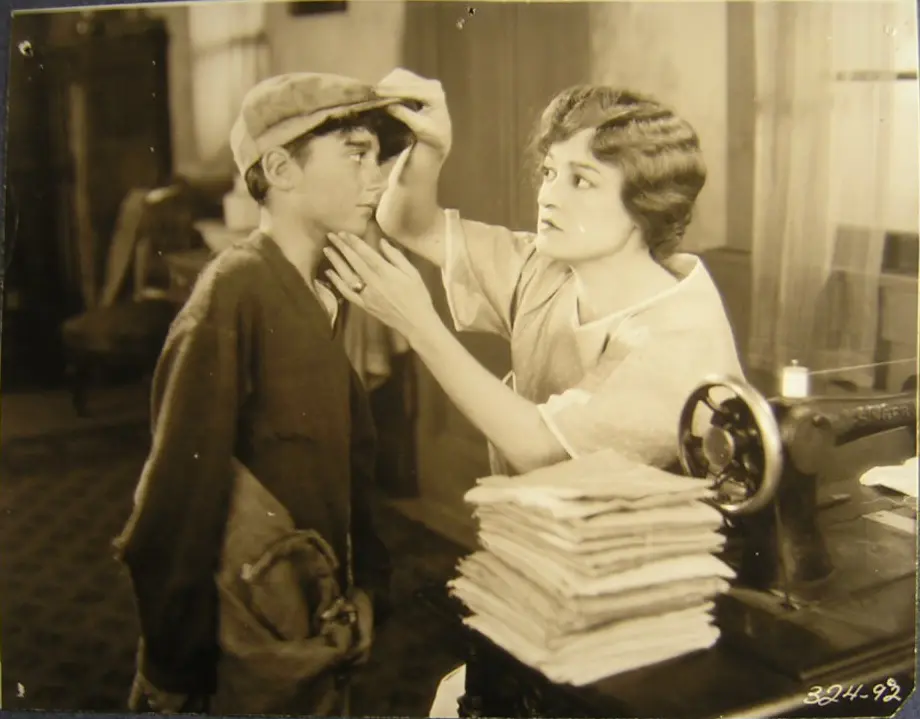
John Gilbert, a major star of the era, brings his characteristic earnestness and youthful vigor to the role of the ambitious young man. He embodies a certain innocent idealism that makes his eventual entanglement all the more poignant. His scenes with his mother, portrayed by Aileen Manning, are particularly touching, providing a bedrock of sincerity against the backdrop of romantic deceit. While Gilbert's performance is strong, it's Price who truly shines, imbuing Vera with a complexity that makes her more than just a femme fatale or a damsel in distress.
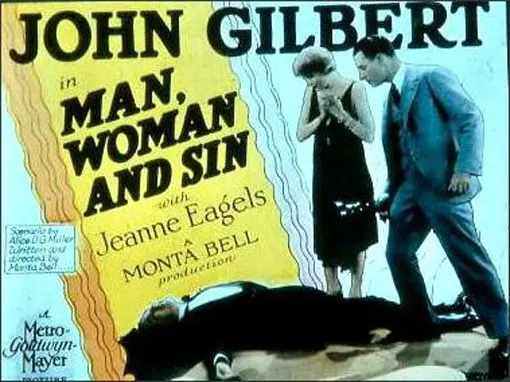
Hayden Stevenson as the managing editor offers a suitably slick and somewhat detached portrayal of the older, married lover. His character is less developed than the other two, serving primarily as the catalyst for Vera's initial deception. Yet, Stevenson conveys the character's casual entitlement and eventual pique with understated effectiveness. The ensemble cast, including Audrey Howell and Margaret Jones, fills out the newsroom and society scenes, adding to the film's sense of period authenticity.
The cinematography, while not groundbreaking, effectively captures the mood and setting. The bustling energy of the newspaper office is contrasted with the more opulent, yet often stifling, environments of society gatherings. Lighting is used to delineate character, with Vera often bathed in a softer, more alluring glow, while the young man is typically presented in more straightforward, honest illumination. One particularly memorable sequence involves a montage of newspaper headlines and printing presses, effectively conveying the passage of time and the protagonist's growing success within the industry.
Pacing is perhaps the film’s most noticeable weakness. Silent films often relied on a slower build-up, but there are moments here where the narrative momentum flags. The initial establishment of the young man’s ambition and his mother’s illness feels purposeful, but the extended cat-and-mouse game between Vera and her two lovers can test the patience of a modern viewer accustomed to more rapid developments. However, when the emotional stakes are high, such as the confrontation scenes, the film regains its urgency.
The tone shifts subtly throughout. It begins with a hopeful, almost Dickensian sense of a young man making his way in the world. This quickly gives way to a more sophisticated, cynical tone once the love triangle fully forms, delving into themes of manipulation and forbidden passion. By the film's conclusion, there's a definite undercurrent of melancholic reflection, even amidst a somewhat tidy resolution.
Man, Woman and Sin arrives late in the silent era, just on the cusp of the sound revolution. As such, it benefits from the accumulated artistry of silent filmmaking, particularly in its reliance on strong visual storytelling and nuanced acting. It doesn't quite reach the narrative complexity of a Murnau or the epic scale of a DeMille, but it holds its own as a compelling character study.
IMDb —
1928
Community
Log in to comment.