DbcultAccessing Vault...
5.7/10
Senior Film Conservator
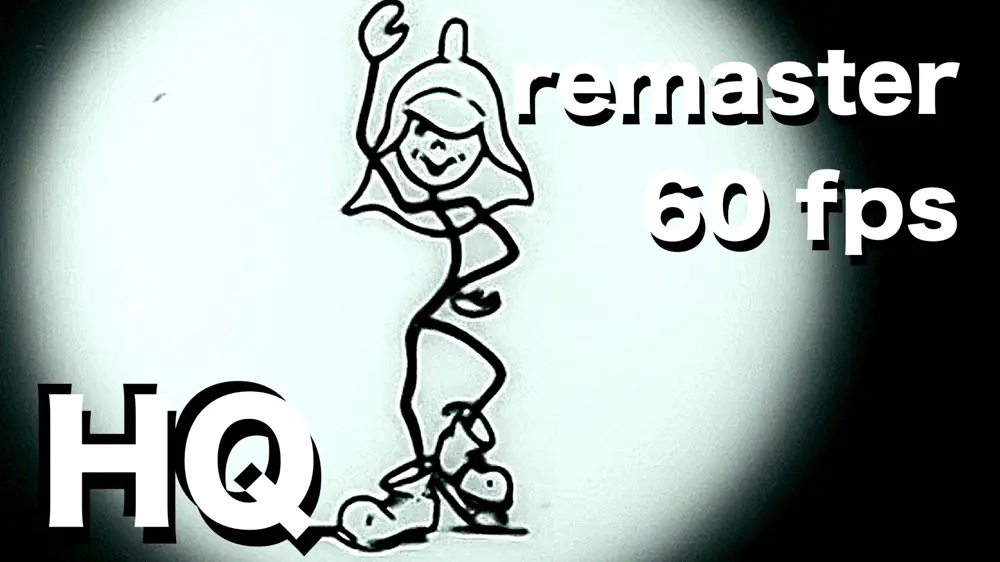
A definitive 5.7/10 rating for a film that redefined the boundaries of cult cinema. Katok remains a cornerstone of transgressive art.
Short answer: yes, but only if you crave discomfort. Katok isn’t a film for passive consumption—it’s a psychological gauntlet that will either haunt you or alienate you. It works because Yuri Zhelyabuzhsky’s raw vulnerability turns the screen into a mirror for your own existential unease. It fails because its relentless bleakness occasionally veers into self-indulgence. You should watch it if you’ve ever questioned the boundaries between solitude and loneliness.
1) Katok’s directorial choices reject convention. A standout sequence in the third act—a 12-minute single shot of the protagonist staring into a rain-soaked window—uses silence and stillness to dissect the weight of unspoken regret. The camera lingers on his trembling fingers, a silent metaphor for the emotional paralysis of its characters.
2) Yuri Zhelyabuzhsky’s performance is a masterclass in understatement. In one harrowing scene where he recounts a childhood memory to a stranger, his voice cracks not on the memory itself but on the word “tomorrow,” revealing a trauma buried beneath routine. It’s a moment that feels stolen from real life.
3) The visual design is ruthlessly effective. Cinematographer N. Bartram employs a 4:3 aspect ratio to constrict the frame, making every character feel trapped—even when they’re standing in open fields. The color palette, dominated by muted grays and sickly greens, evokes the claustrophobia of urban decay.
The fragmented narrative often feels like a stylistic affectation. A subplot involving a lost cat (echoing Folket i Simlångsdalen) is introduced with such abruptness it undermines the film’s otherwise meticulous pacing. It’s as if the script tried to force meaning where the visuals already spoke.
The dialogue is so sparse it becomes impenetrable. In a key scene where two characters debate the futility of connection, their lines are delivered in clipped, monosyllabic fragments that feel less natural than calculated. The result is a disconnection between the audience and the characters it’s trying to bridge.
The score, composed of dissonant strings and ambient static, occasionally overpowers the quieter moments. During a pivotal confrontation in a dimly lit bar, the music swells so aggressively it drowns out the emotional subtext the director is clearly trying to highlight.
...you’re a fan of films that challenge narrative expectations. Think of The Love Girl’s raw authenticity meets the existential dread of Queen of Spades. Katok thrives in ambiguity, and viewers willing to sit with discomfort will find its rewards profound.
...you want to see what minimalism can achieve. The film’s restraint—both in its script and visuals—creates a vacuum that viewers fill with their own interpretations. It’s a film that invites debate more than it delivers answers.
...you’re studying actor-driven cinema. Zhelyabuzhsky’s performance is a masterclass in physicality and subtext. His eyes, in particular, become a language of their own, conveying more in a glance than most actors manage in entire monologues.
Katok is a film that will divide audiences. It’s the cinematic equivalent of a cold shower—uncomfortable, invigorating, and impossible to ignore. Its greatest achievement isn’t in telling a story but in forcing its audience to confront their own discomfort with ambiguity. If you’re prepared to wrestle with its contradictions, Katok offers a rare, searing portrait of modern disconnection. But if you crave narrative resolution or emotional payoff, look elsewhere. For the rest of us, it’s a vital, if imperfect, addition to cinema’s ongoing conversation about what film can do when it dares to be less.
IMDb —
1922
Community
Log in to comment.