DbcultAccessing Vault...
Cult Review
Senior Film Conservator
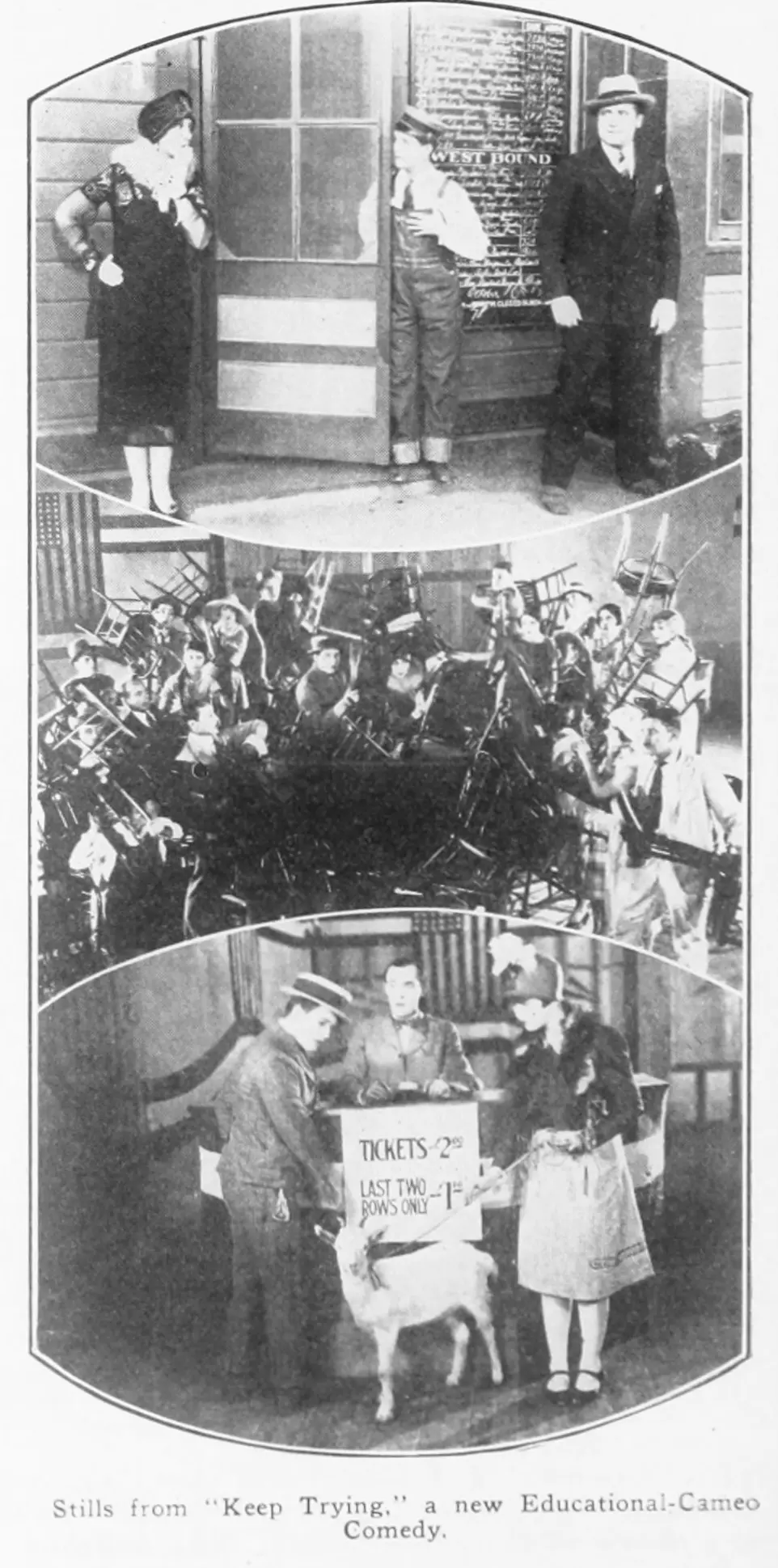
Is Keep Trying worth watching today? Short answer: Yes, but primarily for those who appreciate the raw, unpolished energy of early physical comedy rather than a polished narrative. This film is for silent-era enthusiasts who enjoy watching a performer struggle against both physical objects and social expectations; it is not for viewers who require modern pacing or high-stakes drama.
1) This film works because Cliff Bowes possesses a unique, rubbery physicality that turns mundane baggage handling into a choreographed dance of frustration.
2) This film fails because the transition from the railroad station to the theatrical stage feels jarringly episodic, losing the grounded charm of the opening act.
3) You should watch it if you have an interest in how early cinema satirized the 'self-improvement' craze of the 1920s through the use of the instructional manual trope.
Keep Trying is a film that lives and dies by the movement of its lead. Cliff Bowes isn't trying to be Buster Keaton, and he isn't trying to be Charlie Chaplin. He occupies a middle ground—a man who is competent at his job but utterly incompetent at the performance of 'manliness' required to win over a stern father. The opening sequence, where Cliff manages the chaos of the baggage station, is a masterclass in low-stakes tension. Every trunk is a potential disaster, and every whistle of the train is a reminder of his low social standing.
The film’s central conceit—the 'How to Make Love' manual—is where the comedy finds its bite. In an era where films like The Dawn of a Tomorrow were exploring heavy themes of redemption and fate, Keep Trying opts for something far more relatable: the sheer embarrassment of trying too hard. Watching Cliff consult a book while trying to woo Zelma creates a fantastic friction. It’s a brutally simple observation on human nature. We all want a shortcut to charisma.
Yes, for the historical context alone. While it lacks the grand scale of The Miracle, it offers a window into the everyday comedy that populated the nickelodeons and early theaters. It is a short, punchy experience that doesn't overstay its welcome. It works. But it’s flawed in its structure.
The film is worth it for the 'failed' theatrical performance at the end. There is something deeply human about watching characters fail at their secondary ambitions only to succeed in their primary ones. Cliff and Zelma are terrible actors, but they are great partners. That distinction is the heart of the movie.
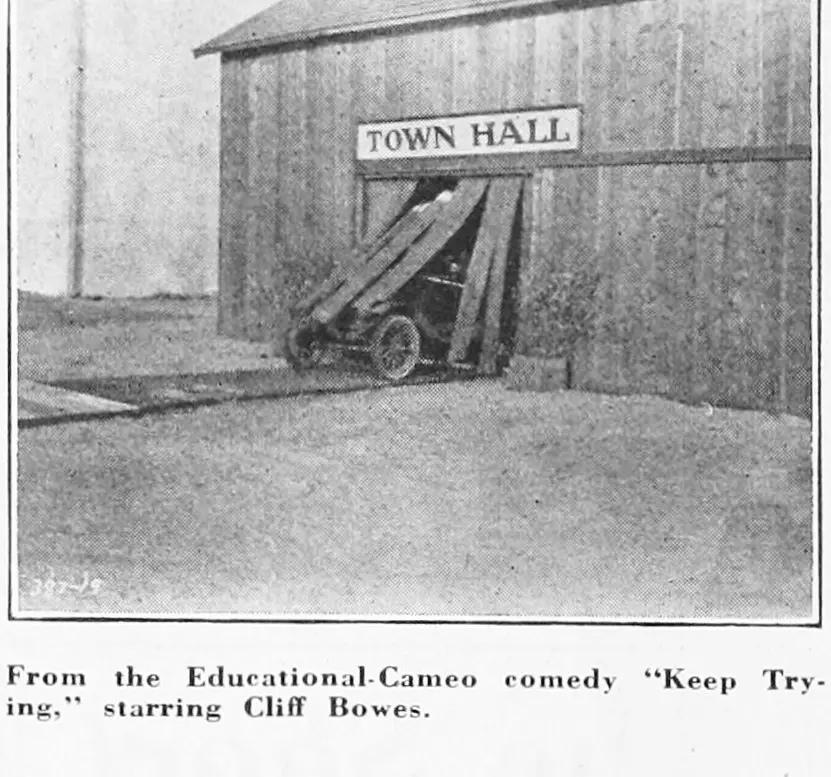
There is a specific scene where Cliff tries to apply a 'passionate gaze'—as instructed by his book—while standing next to a pile of dirty crates. The juxtaposition is perfect. It highlights the absurdity of the self-help movement of the 1920s. The film suggests that masculinity isn't something you can learn from a pamphlet; it’s something forged in the heat of a crisis, even if that crisis is just a failing stage play.
Compare this to the more traditional romantic structures found in The Foolish Virgin. While that film deals with the moral weight of romance, Keep Trying is interested in the mechanics of it. How do you hold your hands? Where do you look? The film deconstructs the romantic lead, showing us the sweaty, nervous reality underneath the silver-screen archetype.
The cinematography in the station scenes is surprisingly effective. The use of steam and the deep perspective of the tracks creates a sense of a world that is moving while Cliff is stuck. This visual metaphor is more sophisticated than the script might suggest. Unlike the more static environments of Little Miss Nobody, the world of Keep Trying feels lived-in and abrasive.
When the bad actors arrive, the tone shifts. The film moves from a character study of a baggage handler to a broader farce. This is where the pacing stumbles slightly. The 'show within a show' is a tired trope, even for the 1920s, but Bowes and O'Neal have enough chemistry to carry it through. Zelma O'Neal, in particular, provides a grounded presence that balances Bowes’ more manic energy. She isn't just a prize to be won; she's a co-conspirator in the chaos.
Pros:
Cons:
Keep Trying is a minor work that contains major moments of comedic insight. It doesn't have the thematic weight of The Branded Woman or the adventurous spirit of The Speeding Venus, but it doesn't need them. It is a film about the dignity of trying, failing, and trying again. In a world of polished, focus-grouped comedies, there is something refreshing about the raw, desperate energy of Cliff Bowes trying to follow a book that clearly wasn't written for a man in his position.
"A scrappy, slightly disjointed comedy that succeeds because it understands that the funniest thing in the world is a man with a plan that is doomed to fail."
Ultimately, the film is a success because it remains grounded in the reality of its characters. Even when the show 'fizzles,' the relationship between Cliff and Zelma feels earned. They didn't win because they were great actors; they won because they were willing to look like fools together. That is a sentiment that translates across any century. It’s a solid, if unremarkable, piece of silent cinema that deserves a look for its charm and its grit.
IMDb —
1923
Community
Log in to comment.