DbcultAccessing Vault...
Cult Review
Senior Film Conservator
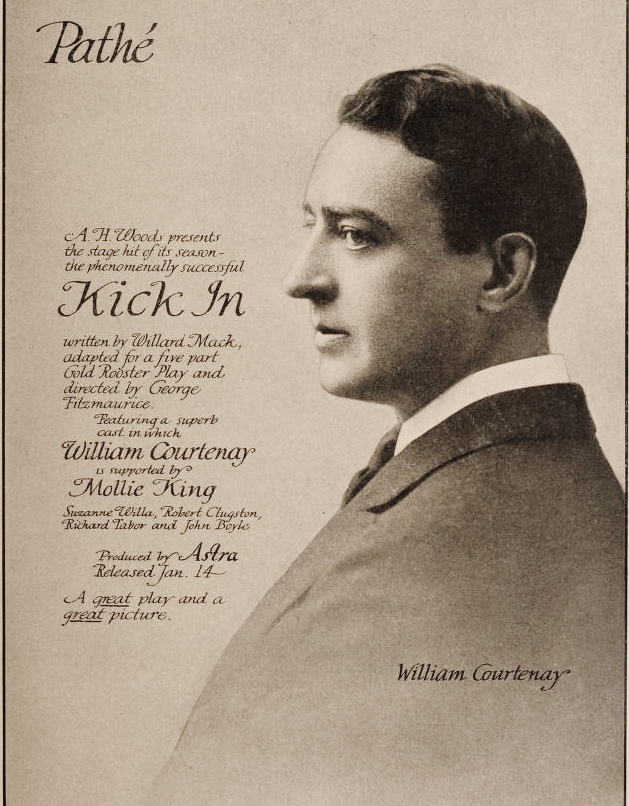
In the shadowy, pulsating heart of the East Side, where the cobblestones echo with the whispers of forgotten dreams and the grim realities of survival, unfolds the compelling drama of "Kick In". This cinematic artifact, a potent distillation of early 20th-century moral quandaries, delves deep into the lives irrevocably shaped by circumstance and choice. At its core is Chick Hewes, a character forged in the crucible of urban deprivation, whose journey from street urchin to hardened gangster, and then to a man desperately clinging to the fringes of respectability, forms the film’s poignant spine. His tale is not merely one of crime and punishment, but a profound exploration of loyalty, the inexorable pull of the past, and the elusive promise of redemption. It's a narrative that, even after a century, retains a raw, visceral power, inviting us to ponder the true cost of breaking free from the shackles of one's origins.
The film opens with a stark depiction of Chick and his erstwhile companion, Benny, two products of a harsh environment, their youthful transgressions having ripened into the calculated risks of professional criminality. Their world is one of hushed plans and swift action, a dangerous dance with the law that inevitably culminates in a botched robbery. The ensuing chase is a masterclass in tension, a frantic scramble through the labyrinthine streets that leaves Benny ensnared by the long arm of the law. Chick, however, finds a fleeting reprieve, seeking refuge in the unlikeliest of places: the modest flat of Molly Carey, a woman whose life is about to become inextricably linked with his own. This initial encounter, born of desperation and illicit proximity, sows the seeds of a relationship that will anchor Chick through his darkest hours. Molly's flat, situated precariously above the very den of thieves Chick once frequented, becomes both a sanctuary and, ultimately, a trap. His capture and subsequent incarceration, colloquially termed "sent up," mark a turning point. Yet, even within the confines of his gloomy existence, a single, luminous promise from Molly—her vow to wait—becomes his solitary ray of sunshine, a fragile hope against the encroaching despair. This early segment of the film masterfully establishes the high stakes and the emotional core that will propel the narrative forward, setting the stage for a saga of moral reckoning and relentless pursuit of a second chance.
Upon his release, Chick emerges a changed man, or so he desperately hopes. The intervening years have clearly impressed upon him the futility and harsh consequences of his former life. His marriage to Molly is a testament to his earnest desire for a clean slate, a commitment to the "straight and narrow path" that stands in stark contrast to his tumultuous past. Their domestic life, presumably modest but imbued with a newfound peace, represents Chick's hard-won redemption. He has, it appears, successfully broken the chains of his criminal past, much like characters in films that explore similar themes of liberation from societal constraints. However, the past, as this film so powerfully illustrates, is not easily shed. It lurks in the shadows, waiting for an opportune moment to resurface. That moment arrives with the unexpected, dramatic re-entry of Benny. Wounded, desperate, and laden with the spoils of a freshly executed necklace robbery, Benny eludes the police and, with a fateful sense of inevitability, seeks refuge in Chick's now-respectable home. This unforeseen intrusion immediately shatters the fragile peace Chick and Molly have meticulously constructed. The dilemma is agonizing: betray a boyhood pal, a connection forged in the fires of shared hardship, or jeopardize the precious new life he has so painstakingly built. The weight of this decision is palpable, a cruel test of Chick's reformed character. His profound loyalty to Benny, a relic of their shared, illicit history, ultimately compels him to conceal his friend in the attic. This act, while deeply human in its compassion, is fraught with immense danger, placing Chick and Molly squarely back in the crosshairs of the law. The tragic consequence of this clandestine care, or rather, the lack thereof, is Benny's demise; his wound, left untreated, proves fatal. This pivotal event plunges Chick back into the moral abyss he had so earnestly tried to escape, forcing him to confront the inescapable pull of his past and the devastating repercussions of his choices. The death of Benny, far from offering a resolution, merely escalates the tension, casting a long, ominous shadow over Chick's every move and setting the stage for a relentless cat-and-mouse game with the authorities.
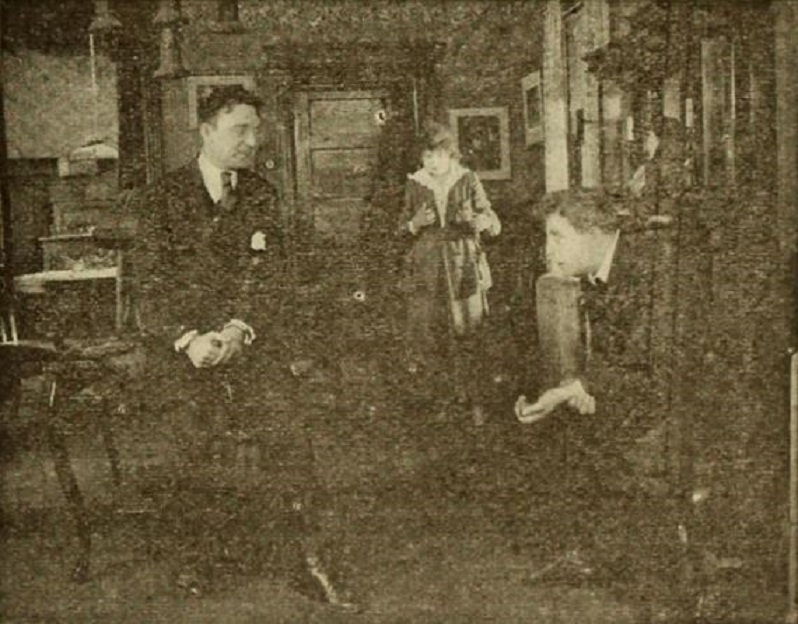
The subsequent disposal of Benny's body, executed with the reluctant assistance of Chick's old associates, is a grim, desperate affair, a testament to the enduring, if unsavory, bonds of the criminal underworld. Yet, such clandestine efforts rarely escape the keen eye of the law. The police, already suspicious and undoubtedly aware of Chick’s past affiliations, immediately place his flat under constant surveillance. His newfound respectability crumbles under the weight of this intense scrutiny, transforming his home from a sanctuary into a virtual prison. Every shadow seems to hold a watching gaze, every sound a potential informant. The atmosphere thickens with paranoia and dread, mirroring the psychological torment of a man trapped between his past and his desperate yearning for a future free from its grasp. This period of intense vigilance for Chick and Molly is punctuated by a startling, almost unbelievable, discovery: Molly’s brother, a character previously alluded to only by his unfortunate addiction, had, in a moment of desperate opportunism, pilfered the stolen necklace from the dying Benny. This revelation adds another agonizing layer of complexity to an already tangled web of deceit and misfortune. It’s a twist that highlights the pervasive nature of desperation within their community, where even family ties are strained by the relentless pressures of poverty and vice. The couple, now armed with this crucial piece of information, decides to make a clean breast of everything, hoping that the truth, however convoluted, might finally set them free. However, fate, or perhaps simply the relentless machinery of justice, intervenes before they can act. Molly’s brother is apprehended, removing their intended avenue for clearing their names and further entangling them in the legal quagmire. Chick’s subsequent attempt to "square things" with the authorities is met with a treacherous double-cross by a detective, a cynical maneuver designed to ensnare him for the robbery. It’s a moment of acute peril, averted only by Molly’s quick thinking and decisive action, showcasing her resilience and unwavering loyalty to Chick. This sequence vividly illustrates the dangers inherent in navigating a system that often views the reformed criminal with suspicion, always ready to assume the worst. The couple, now fully aware of the forces arrayed against them and the futility of individual efforts, resolves to collectively confess, believing that a full disclosure is their only remaining option. Their journey to make this confession is abruptly intercepted by a police official, disguised as a chauffeur, a masterstroke of deception that underscores the pervasive reach of the law. They are ensnared, taken to police headquarters, their hopes for a straightforward resolution dashed, and their future hanging precariously in the balance. This narrative trajectory, where a protagonist tries to escape a life of crime but is constantly pulled back, resonates with other classic tales of the era, where individuals find themselves on the run not just from the law, but from their own pasts.
At police headquarters, facing the grim reality of severe penalties, Chick’s thoughts turn not to his own fate, but to the woman who has stood by him through thick and thin. His heartfelt plea for leniency for Molly, who is now pregnant, is a moment of profound emotional resonance. It’s a stark demonstration of his transformation, his selfless concern for his wife and unborn child overriding his own instinct for self-preservation. This act of vulnerability and love is a pivotal point in the narrative, highlighting the film’s central theme of redemption through personal sacrifice. The police chief, the stern arbiter of justice, finds himself in possession of the stolen necklace, the very object that set this tragic chain of events in motion. He understands the gravity of the conviction that looms over Chick and Molly, the life-altering consequences for both the individual and the nascent family. Yet, it is not merely the evidence or the legal implications that sway him. In a beautifully crafted moment of narrative synchronicity, the chief receives news of his own newborn son. This personal revelation, a sudden, unexpected connection to the very miracle of life that Chick and Molly are about to experience, softens his hardened resolve. The universal joy and responsibility of fatherhood become a bridge between the lawman and the lawbreakers, fostering a rare moment of empathy and understanding. He is confronted with the human cost of his decisions, seeing in Chick and Molly a reflection of his own hopes for a happy, secure future for his child. For the sake of the young couple's happiness, and perhaps for the sake of his own newfound paternal tenderness, he makes the extraordinary decision to release them. This conclusion, while perhaps offering a touch of cinematic idealism, powerfully underscores the film’s underlying message: that compassion, understanding, and the transformative power of love can sometimes transcend the rigid confines of justice. It suggests that true redemption lies not just in punishment, but in the opportunity for a new beginning, particularly when a new life is on the horizon. The chief's decision is a profound act of grace, echoing the sentiments found in other narratives where the prospect of motherhood or fatherhood can dramatically alter fates and inspire clemency. It is a moment that elevates "Kick In" beyond a mere crime drama, imbuing it with a timeless message about forgiveness and the enduring strength of the human spirit.
The beauty of "Kick In" lies not just in its intricate plot, but in its nuanced portrayal of characters caught in the moral maelstrom of their era. Mollie King as Molly Carey delivers a performance of quiet strength and unwavering loyalty, her character serving as the moral compass and emotional anchor for Chick. Her resilience in the face of adversity, her steadfast belief in Chick's capacity for good, and her quick thinking in moments of crisis make her a truly compelling figure. She is not merely a damsel in distress but an active participant in their struggle for survival and redemption. William Courtenay, as Chick Hewes, masterfully conveys the internal conflict of a man torn between his ingrained past and his aspirations for a legitimate future. His portrayal is one of vulnerability and determination, allowing the audience to empathize with his plight even as he makes questionable choices. The supporting cast, including Robert Clugston as Benny, effectively fleshes out the world of the East Side, bringing a sense of authenticity to the narrative. The film, penned by Ouida Bergère and Willard Mack, showcases a remarkable understanding of human psychology and the societal pressures of the time. Their script weaves a complex tapestry of loyalty, betrayal, and the relentless pursuit of a life free from the shadow of crime. The narrative structure, while perhaps adhering to certain conventions of early cinema, manages to surprise with its twists and turns, particularly the revelation concerning Molly's brother and the unexpected resolution at the police station. It's a testament to their storytelling prowess that the film maintains its grip on the audience throughout, building suspense and emotional investment with each unfolding event. The dramatic tension is expertly managed, from the initial robbery and chase to the agonizing dilemma of sheltering Benny, and finally to the high-stakes confrontation with the police chief. Each scene contributes to the overarching themes, deepening our understanding of the characters' motivations and the harsh realities of their world.
One cannot discuss "Kick In" without acknowledging its broader social commentary. The film, set against the backdrop of the East Side, implicitly critiques the systemic issues that funnel individuals like Chick and Benny into a life of crime. It’s a world where opportunities are scarce, and the allure of quick, illicit gains can easily overshadow the promise of honest, yet arduous, labor. The narrative subtly questions the efficacy of a justice system that often punishes without offering a genuine path to rehabilitation, a theme that remains profoundly relevant even today. The film challenges viewers to consider the circumstances that lead individuals to crime and the societal responsibility in offering avenues for true reform. The character of Molly’s drug-addicted brother serves as a poignant reminder of the collateral damage wrought by poverty and addiction, further complicating the moral landscape and underscoring the interconnectedness of their struggles. His actions, born of desperation, inadvertently become a catalyst for Chick and Molly's final confrontation with the law, demonstrating how one individual's plight can ripple through an entire community. The resolution, while leaning towards a hopeful idealism, is not entirely devoid of realism. The chief’s decision is not just an act of mercy but also a recognition of the complex human factors at play, a tacit acknowledgment that sometimes, a strict adherence to the letter of the law can be less just than an act of compassionate understanding. It's a powerful statement about the potential for empathy to bridge divides and offer a path forward where rigid rules might only lead to further despair. This nuanced approach to justice and social issues makes "Kick In" more than just a period piece; it's a timeless reflection on human nature, societal pressures, and the enduring quest for redemption. The film, in its quiet intensity, invites us to look beyond the labels of "crook" and "straight," and to see the complex individuals beneath, striving for a better life against formidable odds. It’s a narrative that, in its heart, is about the resilience of the human spirit and the profound impact of love and forgiveness in a world often defined by harsh judgments and unforgiving circumstances. The emotional journey of Chick and Molly, from the depths of despair to the glimmer of a hopeful future, resonates deeply, affirming the power of second chances and the enduring belief in the possibility of a better tomorrow. This film reminds us that even in the darkest corners of society, the light of human connection and compassion can illuminate a path to redemption, making it a truly impactful and memorable cinematic experience.
IMDb 5.9
1931
Community
Log in to comment.