DbcultAccessing Vault...
5.2/10
Senior Film Conservator
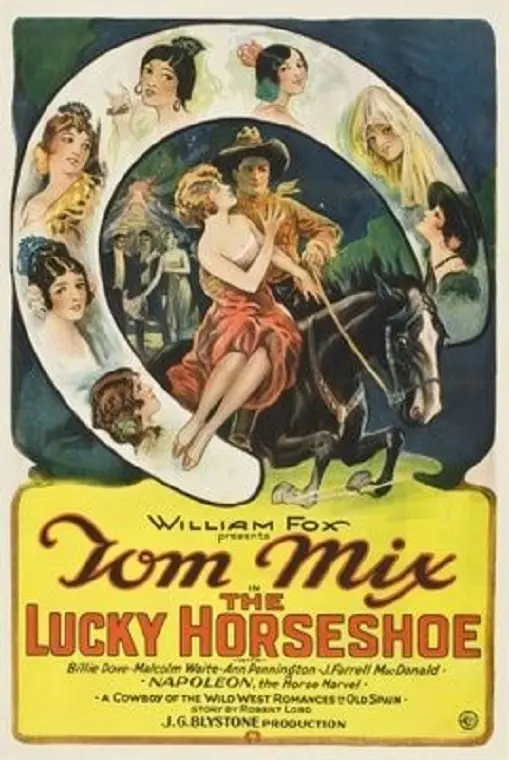
A definitive 5.2/10 rating for a film that redefined the boundaries of cult cinema. The Lucky Horseshoe remains a cornerstone of transgressive art.
The Lucky Horseshoe, a 1932 romantic drama, presents a captivating tale of unrequited love, ingenuity, and the transformative power of devotion. Gary Cooper stars as the ranch foreman, whose ardor for his boss' daughter, played by Billie Dove, is callously rebuffed.
The narrative unfolds with the foreman, driven by his love, ingeniously converting the ranch into a thriving tourist destination. This bold move not only showcases his business acumen but also underscores his determination to prove himself worthy of his beloved's affection.
However, fate has other plans. The boss' daughter returns with a purportedly affluent European fiancé, with whom she intends to wed at the very same ranch. The foreman's devotion remains unabated, even in the face of her engagement. This unwavering dedication sparks a series of events that propel the narrative towards a thrilling climax.
As tensions escalate, the fiancé, exasperated by the foreman's unwavering dedication, orchestrates his abduction, ordering his servants to keep him clandestinely confined until the nuptials. Undaunted, the foreman, driven by his unrequited love and a nascent determination, uncovers compromising information about his beloved's fiancé.
This Lone Round-Up-esque tale of love and perseverance expertly weaves together elements of romance, drama, and intrigue, creating a cinematic experience that is both captivating and emotionally resonant.
The Lucky Horseshoe boasts an impressive cast, including Tony the Horse, J. Farrell MacDonald, and Ann Pennington. The film's cinematography is equally impressive, capturing the rustic beauty of the ranch and the grandeur of the European fiancé's lavish lifestyle.
Upon closer inspection, The Lucky Horseshoe reveals itself to be a nuanced exploration of love, class, and social status. The film deftly critiques the societal norms of the time, highlighting the tensions between old money and new, as well as the limitations placed on individuals based on their socio-economic standing.
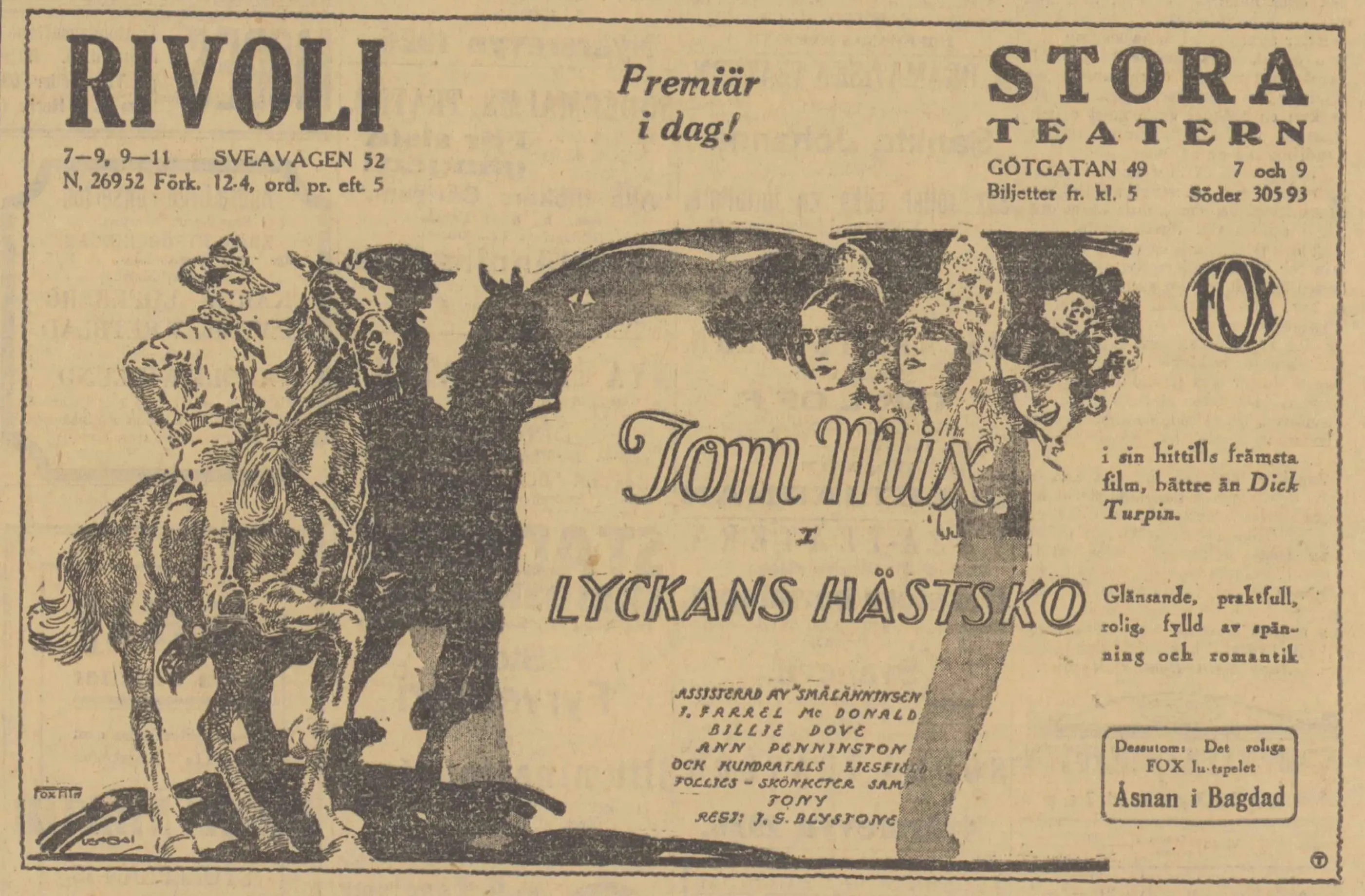
In this regard, The Lucky Horseshoe bears some resemblance to Disraeli, which also explores the complexities of social class and the corrupting influence of power.
The film's portrayal of the European fiancé as a symbol of old money and aristocracy serves as a clever foil to the foreman's humble, yet endearing, nature. This dichotomy underscores the notion that true love knows no bounds, not even those of social class.
Furthermore, The Lucky Horseshoe features a number of impressive set pieces, including a thrilling horseback chase and a dramatic showdown between the foreman and the fiancé's henchmen.
In terms of its place within the broader cinematic landscape, The Lucky Horseshoe can be seen as part of a larger tradition of romantic dramas that explore the complexities of love and relationships. Films such as Footlights and The Heart of Jennifer also examine the intricacies of the human heart, albeit in different contexts.
The Lucky Horseshoe's influence can also be seen in later films, such as Why Elephants Leave Home and Terror Trail, which share similar themes of love, adventure, and perseverance.
In conclusion, The Lucky Horseshoe is a timeless romantic drama that continues to captivate audiences with its engaging narrative, memorable characters, and impressive cinematography. This charming film is a must-see for fans of classic cinema and those who appreciate a well-crafted tale of love and devotion.
With its richly detailed setting, nuanced characterizations, and thrilling plot twists, The Lucky Horseshoe is a film that will leave you spellbound and eager to experience its magic once again.
IMDb —
1921
Community
Log in to comment.