DbcultAccessing Vault...
6.5/10
Senior Film Conservator
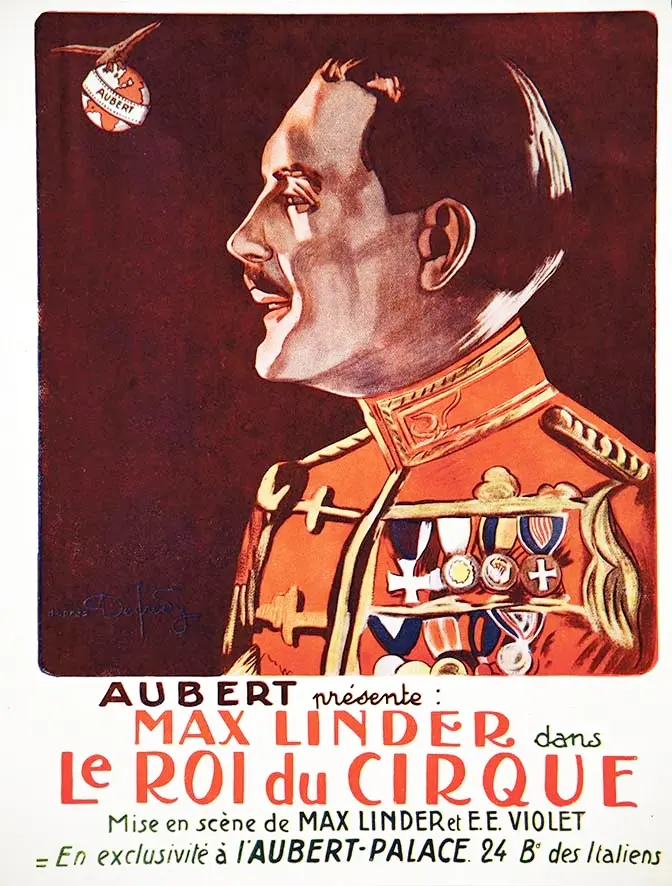
A definitive 6.5/10 rating for a film that redefined the boundaries of cult cinema. King of the Circus remains a cornerstone of transgressive art.
In the shimmering firmament of silent cinema, few stars burned with as complex a luster as Max Linder. By 1924, the year of King of the Circus (originally titled Le Roi du cirque), Linder was already a legend whose influence on Charlie Chaplin was not merely anecdotal but foundational. This film, a collaborative effort involving Linder’s own sharp wit as a writer, presents a fascinating study of the "dandy" archetype pushed to its absolute thematic limits. Unlike the more rugged slapstick found in contemporary works like The Handy Man, Linder’s comedy is one of refined movement, even when his character is ostensibly falling apart at the seams.
The premise of King of the Circus hinges on a classic trope—the transformative power of love—but Linder imbues it with a peculiar, almost tragicomic gravity. His character, Max, is introduced as a man whose primary relationship is with the decanter. This isn't just the lighthearted tipsiness of a socialite; it is a pervasive, existential drunkenness that defines his interaction with the world. However, the arrival of the circus director’s daughter, played with a luminous grace by Vilma Bánky, shifts the gravitational pull of the narrative. Bánky, who would later become a silent screen icon in Hollywood, provides a perfect foil to Linder’s frantic, alcohol-fueled energy. Her presence is the catalyst that forces Max to confront the emptiness of his bourgeois lifestyle.
The conflict arises from the director himself, portrayed by Gyula Szöreghy with a stern, unyielding authoritarianism. The circus is presented not just as a place of entertainment, but as a closed guild with its own vernacular and codes of conduct. To the director, Max is a 'civilian,' an interloper who lacks the discipline and the lineage required to belong to the nomadic royalty of the big top. This theme of the outsider seeking entry into a specialized world is a recurring motif in cinema, often seen in more fantastical settings like Aladdin and the Wonderful Lamp, yet here it is grounded in the physical peril of circus life.
The visual composition of King of the Circus is remarkably sophisticated for its era. The camera captures the sprawling scale of the circus tents while maintaining an intimate focus on Linder’s expressive physiognomy. There is a specific sequence involving a lion’s cage that remains a masterclass in tension and comedic timing. Linder’s ability to manipulate his body—becoming fluid and unpredictable—mirrors the unpredictability of the beasts he faces. The cinematography utilizes the natural light of the outdoor scenes to contrast with the shadowed, atmospheric interiors of the circus caravans, creating a visual shorthand for the duality of the performer’s life: public spectacle versus private struggle.
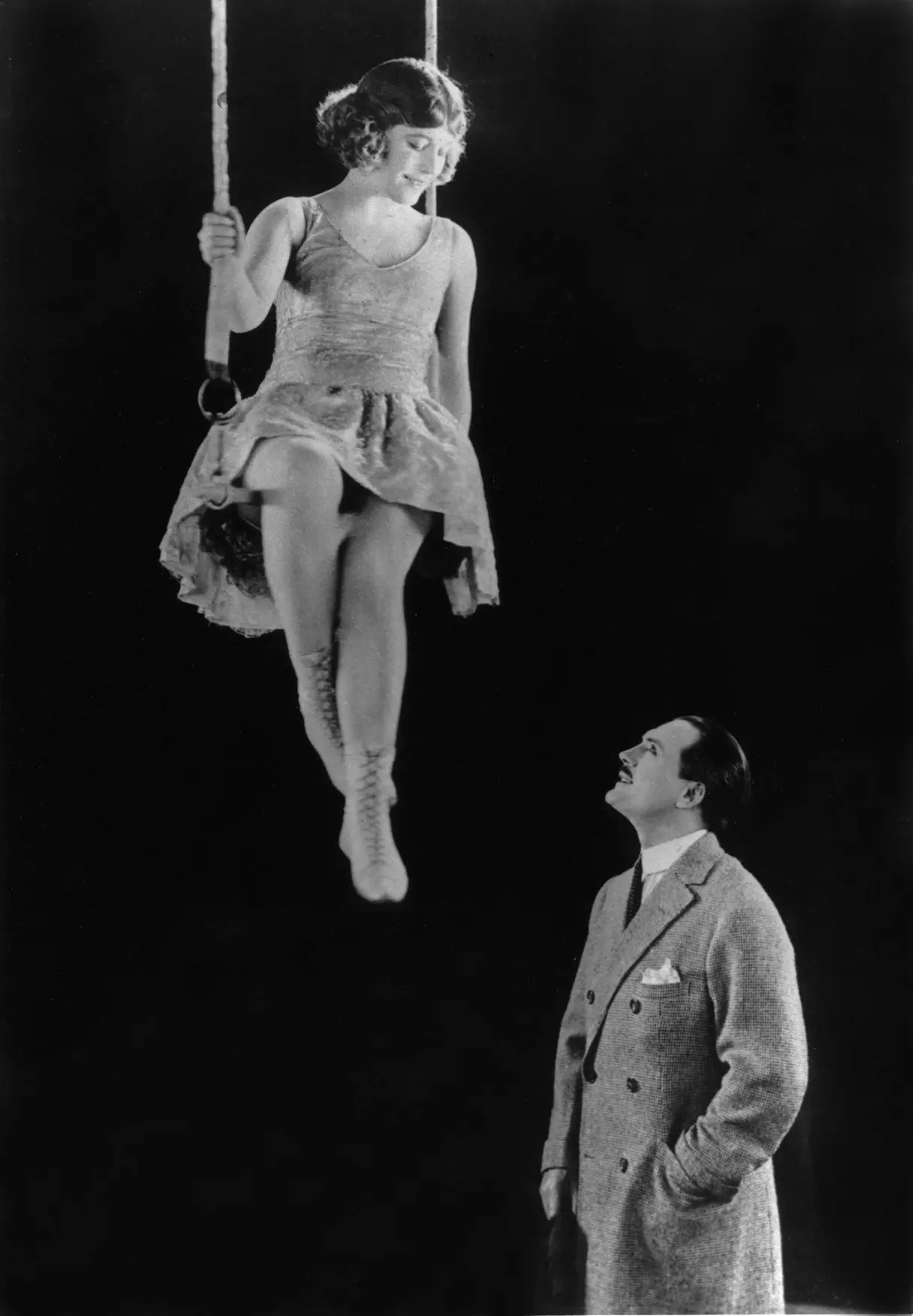
When comparing the technical execution of this film to something like A Perfect 36, one notices Linder’s superior grasp of pacing. He understands that the gag is not just the punchline, but the agonizingly slow build-up of social embarrassment. Max’s attempts to perform circus feats while maintaining his dandyish dignity are where the film finds its most resonant humor. It is the comedy of the man who refuses to acknowledge he is out of his depth until the water is well above his head.
The ensemble cast, including Eugen Burg and Kurt Kasznar, populates a world that feels lived-in and authentic. The circus isn't just a backdrop; it’s a living organism. The performers are depicted with a sense of weary professionalism that contrasts sharply with Max’s amateurish enthusiasm. This dynamic highlights the film’s underlying social commentary: the idle rich playing at the labors of the working class. While the film never becomes a heavy-handed social critique, the friction between the 'outsider' and the 'professional' is palpable, echoing the class tensions explored in more dramatic works like Shattered.
It is impossible to view King of the Circus without the somber context of Linder’s own life. Produced only a year before his tragic death, the film’s focus on a man trying to find meaning through performance takes on a haunting quality. Max’s struggle for sobriety and acceptance on screen mirrors the artist’s own battles with melancholia and the pressures of fame. There is a scene where Max, dressed in full regalia, looks into a mirror; for a brief moment, the mask of the comedian slips, revealing a profound sense of exhaustion. This depth of character elevates the film above mere slapstick, placing it in the company of works that explore the human condition through the lens of the 'sad clown,' much like the thematic undertones in Az utolsó bohém.
The direction (credited to Linder and Édouard-Émile Violet) is characterized by a fluid movement that was quite avant-garde for 1924. The use of depth of field during the crowded circus sequences allows the viewer to absorb the chaotic environment without losing track of the central romantic plot. The editing is crisp, ensuring that the gags land with rhythmic precision. For instance, the sequence where Max attempts to 'help' with the circus animals is edited with an increasing tempo that mimics a panic attack, a technique that would be perfected in later decades but was here in its nascent, brilliant form.
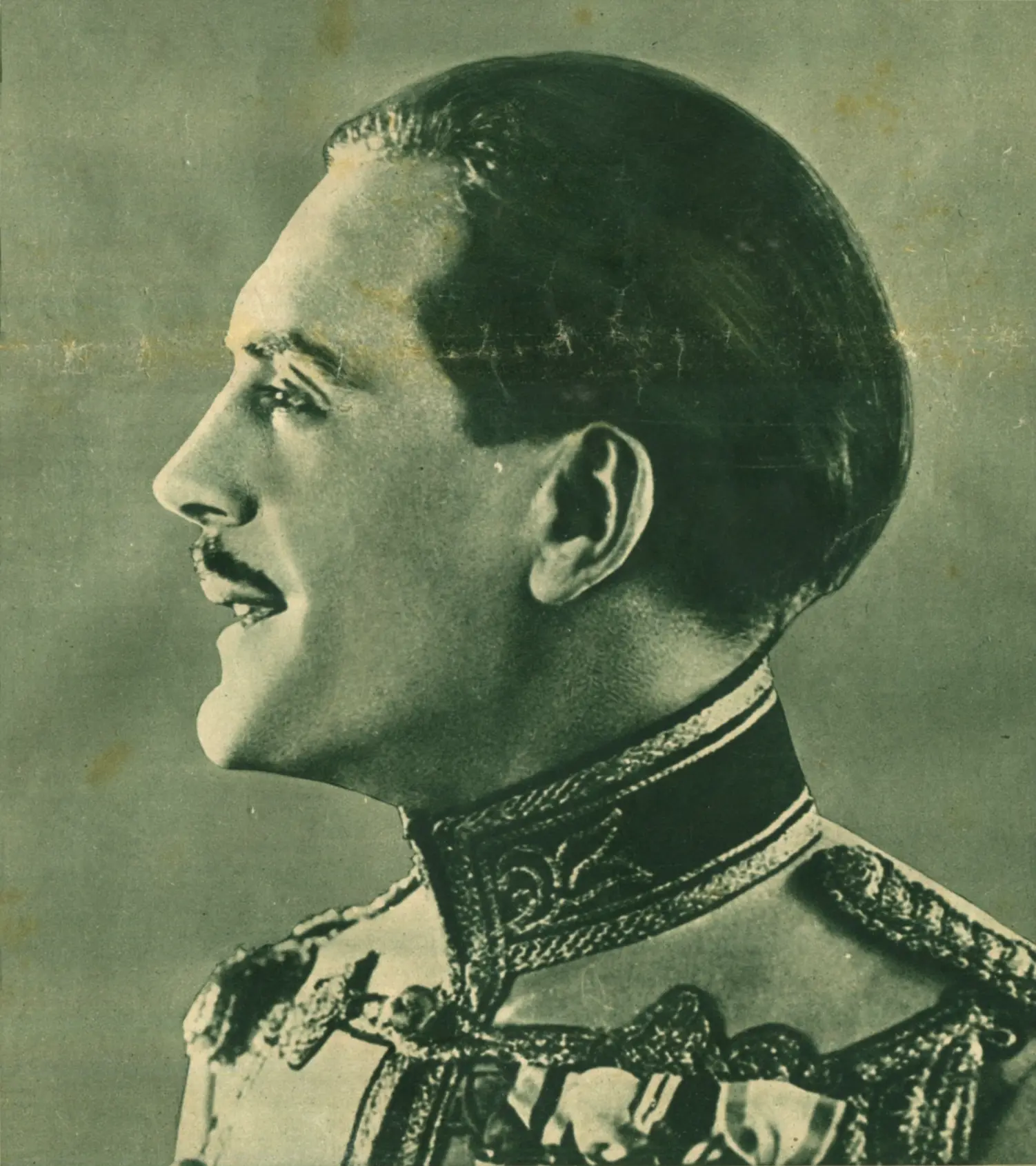
The film also excels in its use of intertitles, which are kept to a minimum, allowing the physical performance to carry the narrative weight. This is pure visual storytelling. Unlike the exposition-heavy A Child of Mystery, King of the Circus trusts its audience to interpret the nuances of a raised eyebrow or a fumbled gesture. It is a testament to Linder’s belief in the universal language of pantomime.
Ultimately, King of the Circus is a vibrant, multifaceted work that captures the essence of an era in transition. It bridges the gap between the simple 'chase' films of the early 1910s and the sophisticated feature-length comedies of the late 1920s. Max Linder’s performance is a tour de force, blending the physical agility of an acrobat with the psychological depth of a dramatic actor. While it contains moments of sheer, unadulterated joy, there is a persistent thread of yearning—a desire for connection that transcends social barriers and personal failings.
For those accustomed to the more aggressive humor of the modern age, King of the Circus offers a refreshing return to a time when comedy was a ballet of errors. It stands as a reminder of Linder’s genius—a man who could find humor in the bottom of a bottle and redemption in the center of a circus ring. It is a vital piece of cinematic history that demands to be seen, not just as a relic, but as a living, breathing piece of art that continues to resonate with anyone who has ever felt like an outsider looking in.
A masterful synthesis of physical comedy and romantic pathos. Max Linder's performance is nothing short of transcendent, proving that even in the sawdust of a circus, a true king can find his throne. Essential viewing for anyone interested in the evolution of the comedic form.
IMDb —
1917
Community
Log in to comment.