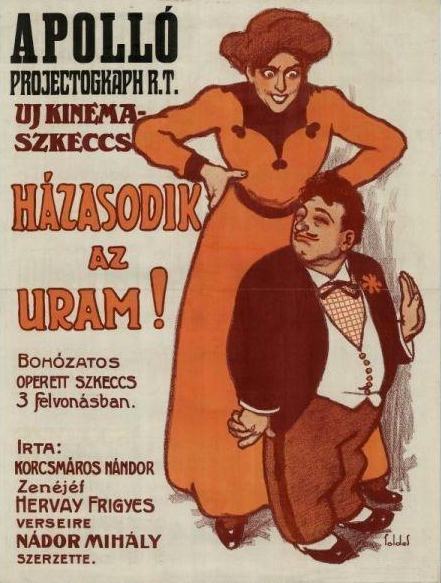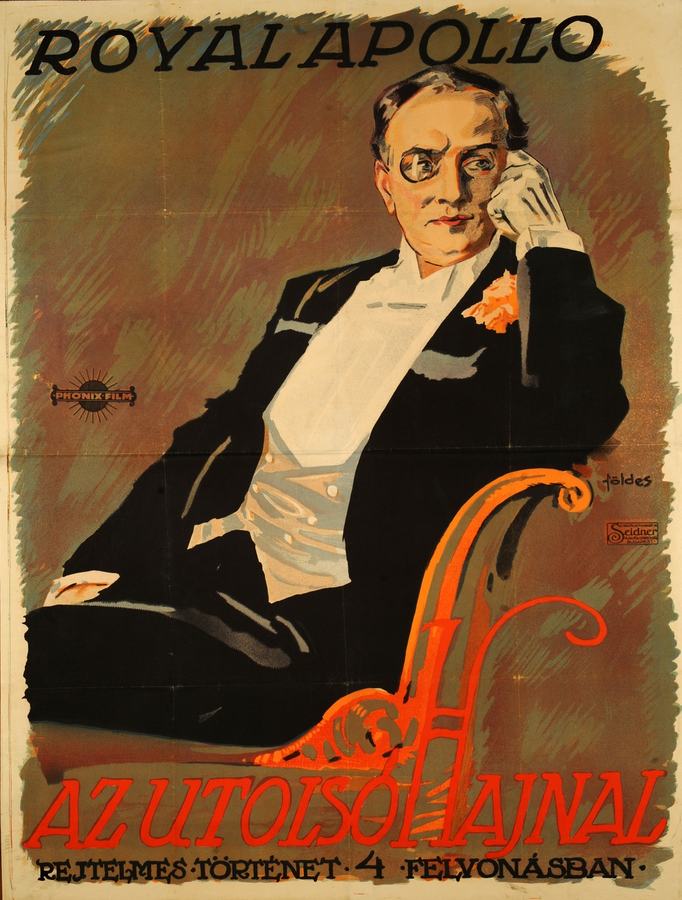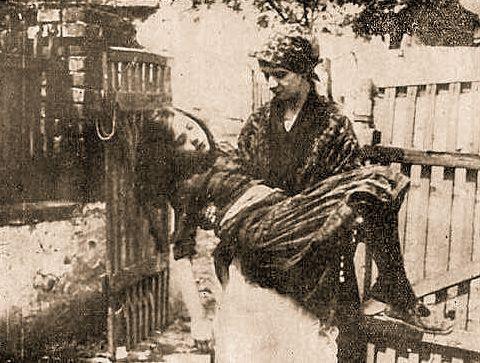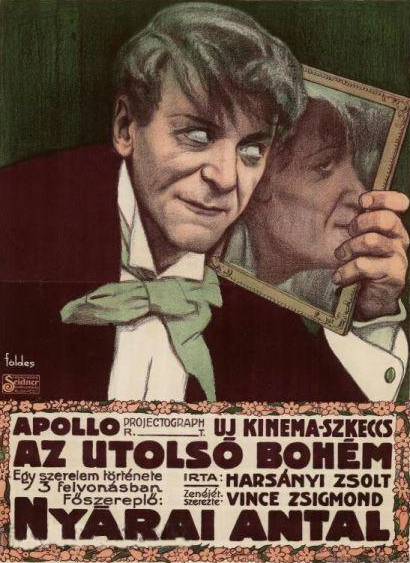
There is a moment—about two-thirds through Zsolt Harsányi’s 1912 elegy Az utolsó bohém—when the celluloid itself seems to inhale ether and exhale ghosts. The camera, starved of light yet drunk on contrast, lingers on Béla Bodonyi’s cheekbones: two razor-thin ridges rising from the hollow dusk of his face like the corr...
Comparing the cinematic DNA and archive impact of two defining moments in cult history.
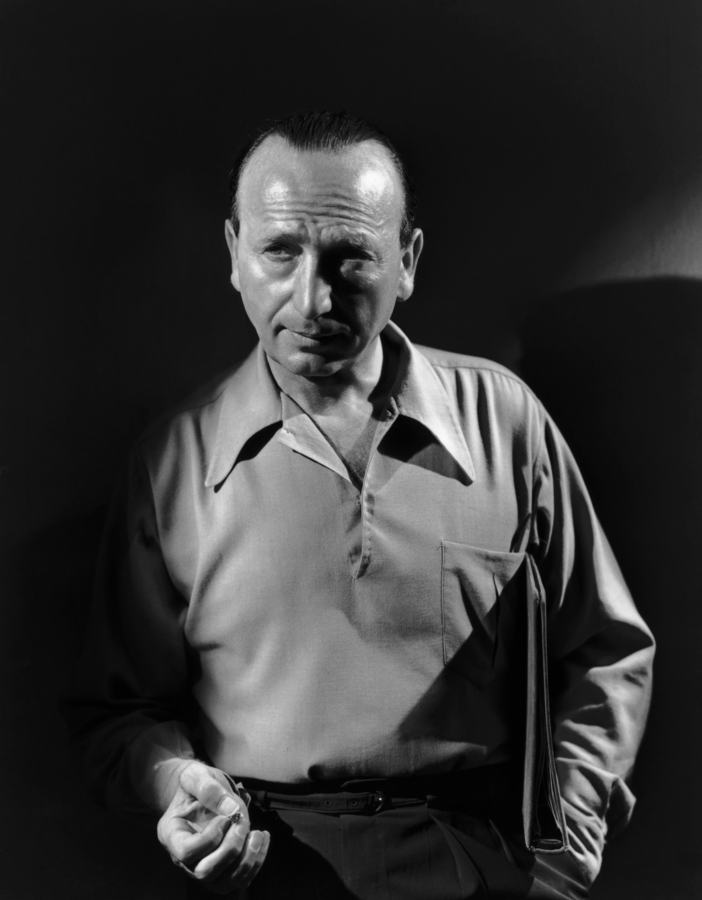
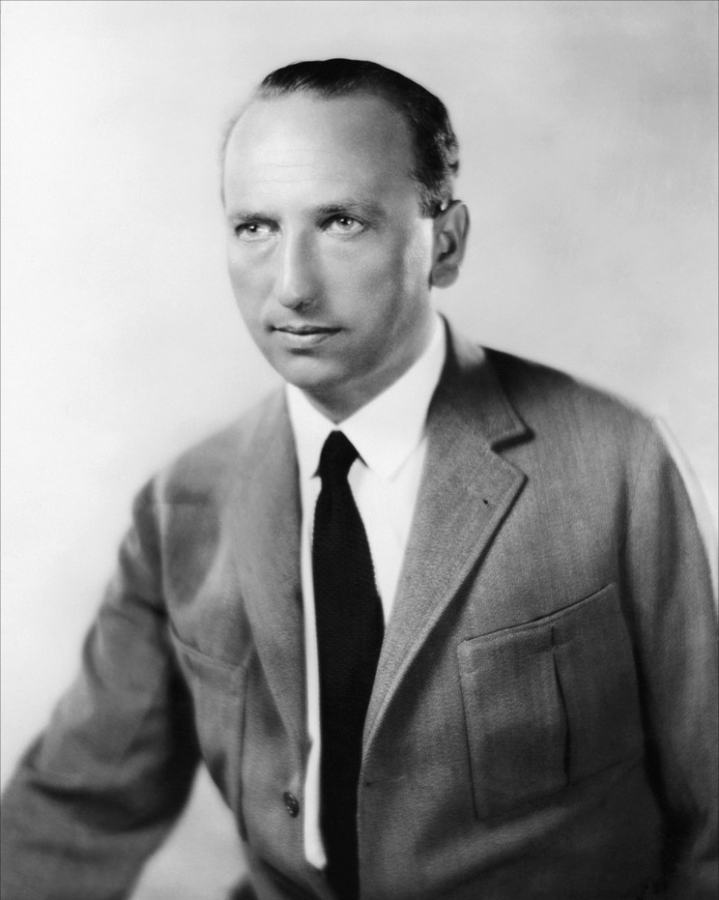
Michael Curtiz
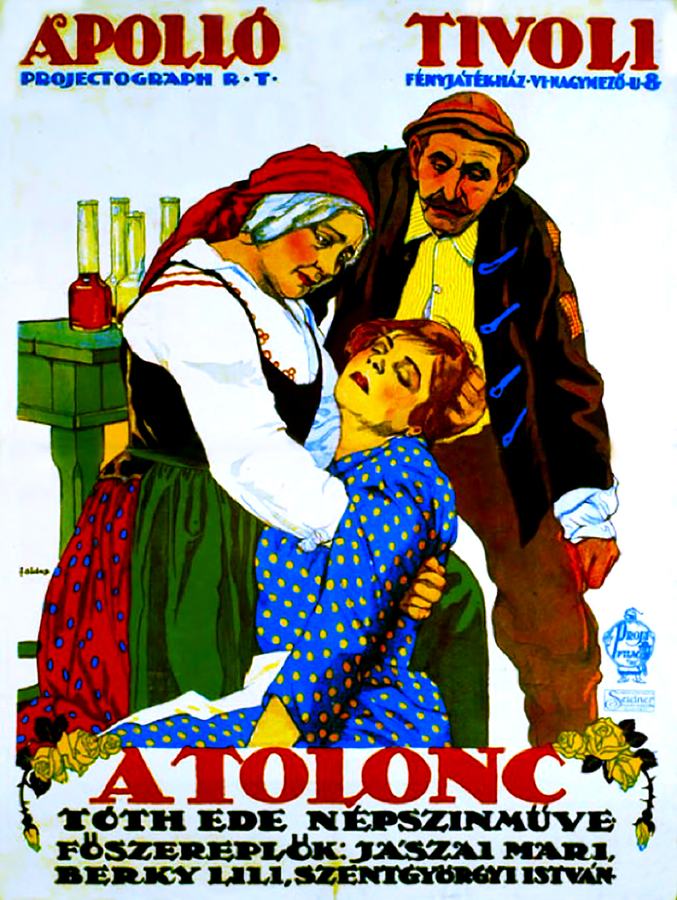
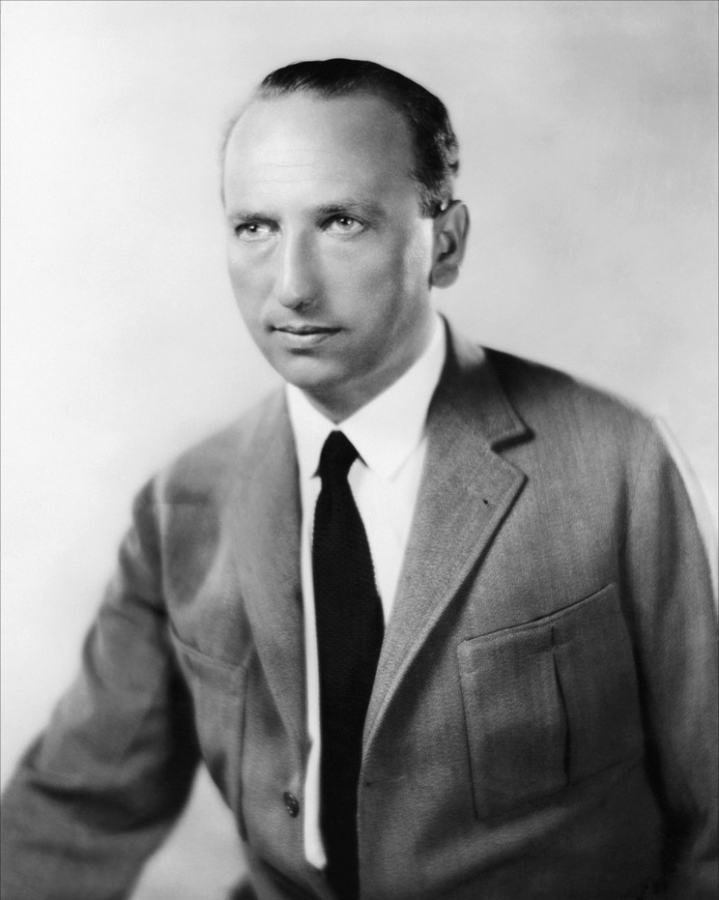
Michael Curtiz
Community
Log in to comment.
" There is a moment—about two-thirds through Zsolt Harsányi’s 1912 elegy Az utolsó bohém—when the celluloid itself seems to inhale ether and exhale ghosts. The camera, starved of light yet drunk on contrast, lingers on Béla Bodonyi’s cheekbones: two razor-thin ridges rising from the hollow dusk of his face like the corroded battlements of some abandoned fortress. Behind him, Antal Nyáray’s violin droops, a pendulum counting down not time but temperature; the gut strings slacken in the clammy flat..."
Deep dive into the cult classic
Discover similar cinematic experiences
A Directorial Spotlight on Michael Curtiz