DbcultAccessing Vault...
6.9/10
Senior Film Conservator
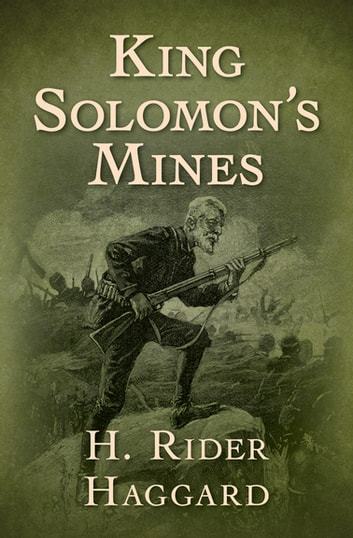
A definitive 6.9/10 rating for a film that redefined the boundaries of cult cinema. King Solomon's Mines remains a cornerstone of transgressive art.
From the moment the flickering images of King Solomon's Mines first graced the silver screen, a new benchmark for cinematic adventure was irrevocably set. This isn't just a film; it's an archaeological expedition into the very genesis of a genre, a roaring testament to the power of myth, and a grand, sweeping narrative that continues to resonate with audiences across generations. Adapted from H. Rider Haggard's seminal 1885 novel, this early cinematic endeavor, with its ambitious scope and pioneering spirit, invites us to cast off the shackles of modernity and plunge headfirst into a world where legends breathe and fortunes lie buried beneath the sun-baked earth of an uncharted Africa.
At its heart, King Solomon's Mines is a narrative tapestry woven with threads of audacious exploration, the insatiable hunger for discovery, and the profound human desire to conquer the unconquerable. We are introduced to Allan Quatermain, portrayed with a compelling blend of rugged stoicism and underlying weariness by Frank Fillis Jnr. Quatermain is no mere fortune hunter; he is an adventurer by vocation, a man whose life has been sculpted by the unforgiving African wilderness. His latest, and perhaps most daunting, undertaking is to lead an expedition into the perilous heart of Africa, a journey sparked by the mysterious disappearance of an explorer who was, himself, consumed by the quest for the legendary gold mines of King Solomon.
The plot unfurls with a deliberate, almost hypnotic rhythm, each step deeper into the continent mirroring a deeper descent into the very fabric of ancient lore. The stakes are monumental: not only the rescue of a lost soul but the potential unearthing of a treasure so vast it defies imagination. Yet, the film understands that the true treasure often lies not in gold, but in the journey itself—the encounters, the trials, and the transformative power of the unknown. The narrative is a masterclass in building suspense, relying heavily on the visual language of early cinema to convey the vastness of the landscapes and the palpable tension of impending danger.
The ensemble cast, though operating within the dramatic conventions of early cinema, delivers performances that etch themselves into the viewer's memory. Frank Fillis Jnr, as Quatermain, embodies the quintessential Victorian adventurer—resourceful, brave, yet tinged with a philosophical resignation born of his experiences. He is the anchor, the moral compass, and the driving force of the expedition. His portrayal is nuanced, hinting at the internal struggles beneath the hardened exterior, a complexity that elevates him beyond a mere action hero.
The supporting players contribute significantly to the film's rich texture. Phyllis Solomon brings a certain gravitas to her role, her presence adding depth to the human drama unfolding against the epic backdrop. Umpikayiboni, in particular, stands out, offering a portrayal that, for its time, attempts to lend authenticity to the indigenous characters, often serving as a bridge between the European explorers and the profound mysteries of the land. His performance, while viewed through a historical lens, underscores the film's ambition to represent, however imperfectly, the diverse tapestry of the African continent.
The cast, including Albert Lawrence, H.J. Hamlin, Edna Joyce, Vivien Talleur, Claude Ramsay, Raymond Brown, and Bertie Gordon, collectively crafts a believable world of intrepid explorers, enigmatic guides, and formidable tribal leaders. Each character, even in their brief appearances, contributes to the film's grand tapestry, making the journey feel populated and fraught with diverse human elements, rather than a mere trek through an empty wilderness.
The genius of H. Rider Haggard's original novel lies in its ability to blend meticulous geographical detail with fantastical elements, creating a world that feels both real and impossibly grand. The cinematic adaptation of King Solomon's Mines endeavors, with remarkable success for its era, to translate this rich literary landscape to the screen. The vastness of the African vistas, the imposing scale of the mountains, and the claustrophobic darkness of the mines are all rendered with a visual language that speaks volumes, even in the absence of spoken dialogue (assuming an early silent version, which aligns with the historical context of such cast lists).
The filmmakers understood that the novel’s power came from its evocative descriptions and its relentless forward momentum. They focused on delivering a visceral experience, using location shooting (or clever set design and miniatures) to convey the untamed beauty and inherent dangers of the continent. While contemporary audiences might find some of the pacing deliberate, it allows for a deeper immersion into the journey, mirroring the slow, arduous progress of actual expeditions. This commitment to portraying the physical and emotional toll of such a quest is what truly grounds the fantastical elements.
For a film of its vintage, King Solomon's Mines exhibits a remarkable degree of cinematic ambition. The visual compositions are often breathtaking, capturing the grandeur of the landscapes and the intensity of the action sequences. The use of natural light, combined with the often stark contrasts of the African setting, creates a visually arresting experience. The filmmakers made ingenious use of the available technology to convey movement, scale, and emotion, relying on close-ups to emphasize character reactions and wide shots to establish the epic scope of the adventure.
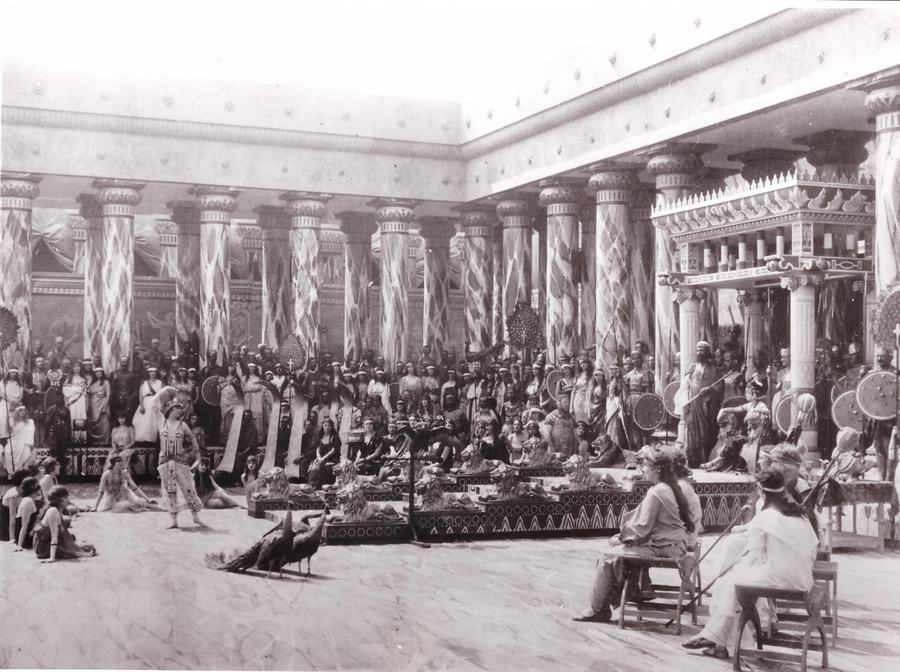
The editing, while adhering to the conventions of its time, skillfully builds tension and propels the narrative forward. Sequences depicting encounters with wildlife, treacherous climbs, and confrontations with rival tribes are handled with a dynamic energy that belies the film's age. It's a testament to the early pioneers of cinema that they could evoke such a vivid sense of place and danger with relatively limited resources. In a subtle way, the film’s visual language echoes the pioneering spirit seen in other early adventure narratives, establishing a visual grammar for future epics.
Beyond the thrilling surface, King Solomon's Mines delves into profound thematic territory. The most obvious is the relentless pursuit of wealth, the siren song of untold riches that drives men to the ends of the earth. Yet, the film also subtly critiques this obsession, showing the dangers and moral compromises inherent in such a quest. The gold, while a powerful motivator, often serves as a catalyst for conflict and a test of character.
The theme of exploration, of course, is central. It's a celebration of human curiosity and the drive to push beyond known boundaries. However, it's impossible to discuss this film without acknowledging the colonial gaze through which much of its narrative is filtered. Produced during an era of fervent European expansion into Africa, the film, like its source material, reflects prevailing attitudes towards the continent and its indigenous populations. While it attempts to portray some African characters with dignity, it often positions them as either exotic 'others' or obstacles to be overcome by the European protagonists. This aspect, while a product of its time, invites critical reflection today, much like other historical artifacts such as The Man Inside, which explores internal struggles rather than external conquests, offering a contrasting lens on human ambition.
The clash of cultures, the struggle for survival, and the question of loyalty are also explored. Quatermain, though a product of his time, often acts as a bridge, understanding and respecting aspects of the indigenous cultures he encounters, even as he ultimately serves an imperial ambition. This nuanced portrayal adds layers to a film that could easily have devolved into a simplistic 'good vs. evil' adventure.
The impact of King Solomon's Mines on the adventure genre is immeasurable. It solidified many of the tropes that would become hallmarks of future exploration narratives: the grizzled, experienced guide; the perilous journey to a hidden land; the discovery of ancient civilizations; and the ultimate confrontation over a legendary treasure. Its influence can be traced through countless films, from subsequent adaptations of Haggard's work to the Indiana Jones franchise, which owes a significant debt to the adventurous spirit and narrative structure pioneered here.
Compared to other films of its era, such as the more intimate drama of A Man and the Woman or the lighthearted escapism of The Wood Nymph, King Solomon's Mines stands as a colossal achievement in its sheer scale and ambition. It demonstrated that cinema could transport audiences to exotic locales and immerse them in grand, epic tales in a way that rivaled the most popular novels. It paved the way for future cinematic spectacles like Seeing America, which, while focusing on domestic landscapes, shared a similar ambition for visual scope and a sense of discovery, albeit on a different continent.
It is a foundational text, not just for adventure films but for the very idea of cinematic escapism. It proved that audiences craved stories of heroism, discovery, and danger, set against backdrops far removed from their everyday lives. This film, alongside others like The Mystery of No. 47, which delved into the thrill of the unknown through detective work, showcased the diverse ways early cinema captivated its viewers, but none with quite the geographical and historical sweep of Haggard's masterpiece.
In conclusion, King Solomon's Mines remains a monumental achievement in early cinema. It's a film that, despite the passage of decades and the evolution of filmmaking technology, retains its power to transport and enthrall. It's a journey not just to a mythical location, but into the very heart of what makes us human: our desire for discovery, our capacity for courage, and our enduring fascination with the legends that shape our world. While its historical context demands a nuanced viewing, its sheer adventurous spirit and pioneering cinematic ambition are undeniable.
For anyone interested in the roots of adventure cinema, the enduring appeal of H. Rider Haggard's tales, or simply a grand, sweeping narrative that defies the constraints of time, King Solomon's Mines is an essential viewing experience. It's more than just a relic; it's a vibrant, pulsating piece of cinematic history that continues to inspire and entertain, proving that some stories, like the gold they seek, are truly timeless. Its narrative courage and visual spectacle set a high bar, influencing subsequent generations of filmmakers and solidifying its place as a cornerstone of the adventure genre.

IMDb —
1920
Community
Log in to comment.