DbcultAccessing Vault...
6.3/10
Senior Film Conservator
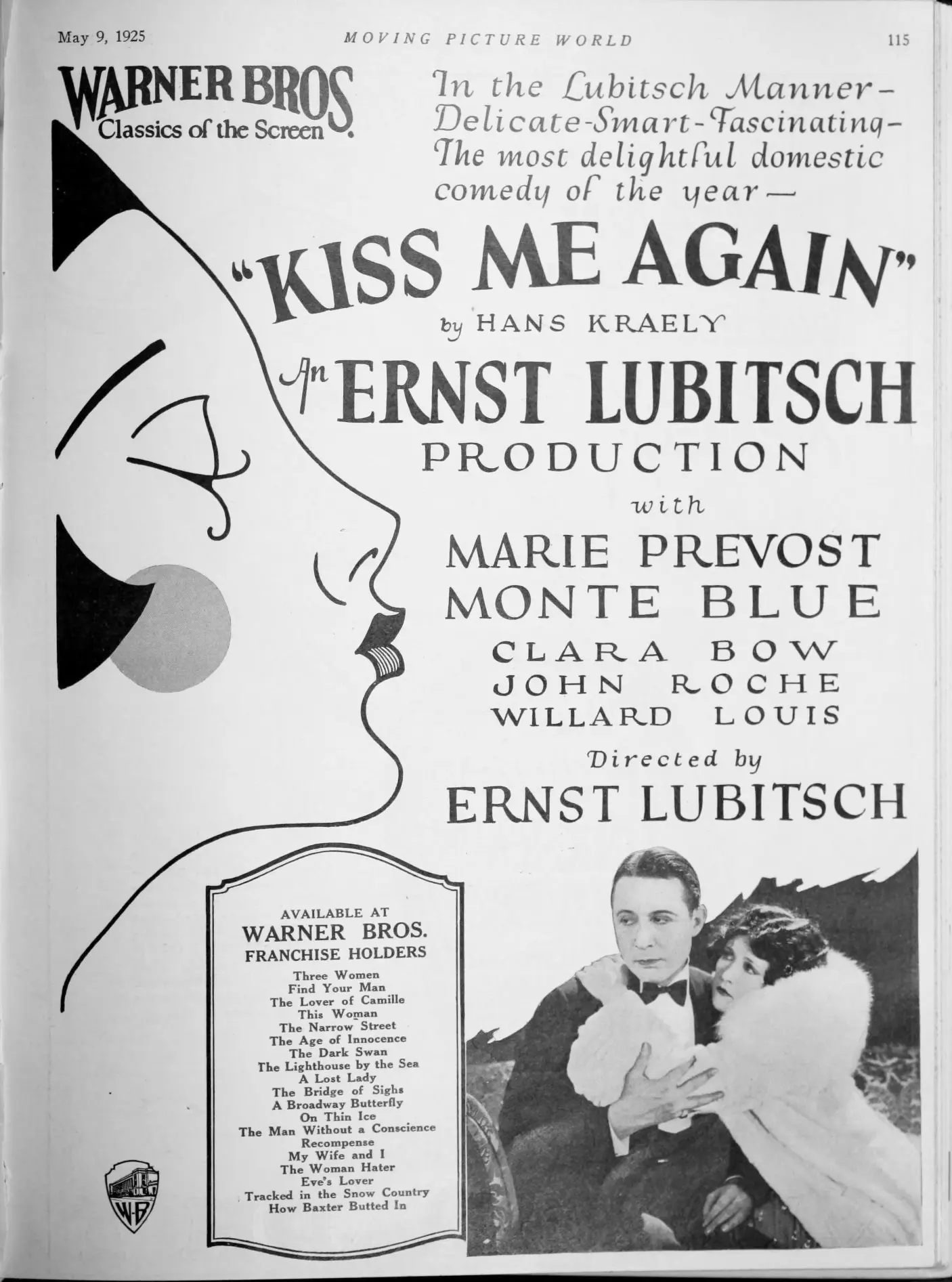
A definitive 6.3/10 rating for a film that redefined the boundaries of cult cinema. Kiss Me Again remains a cornerstone of transgressive art.
Kiss Me Again (1927) Review: A Silent Symphony of Deception and Desire
In the pantheon of 1920s cinema, few films dissect the fragility of marriage with the surgical precision of Kiss Me Again. This silent melodrama, directed with a razor-sharp eye for emotional subtext, transforms a seemingly mundane marital conflict into a taut psychological thriller. Marie Prevost, in her prime, delivers a performance that is equal parts vulnerability and volatility, while Monte Blue’s calculated husband becomes an archetype of silent-era menace. The film’s narrative, penned by Emile DeNajac, Hanns Kräly, and Victorien Sardou, unfolds like a chess match where every move is both a threat and a seduction.
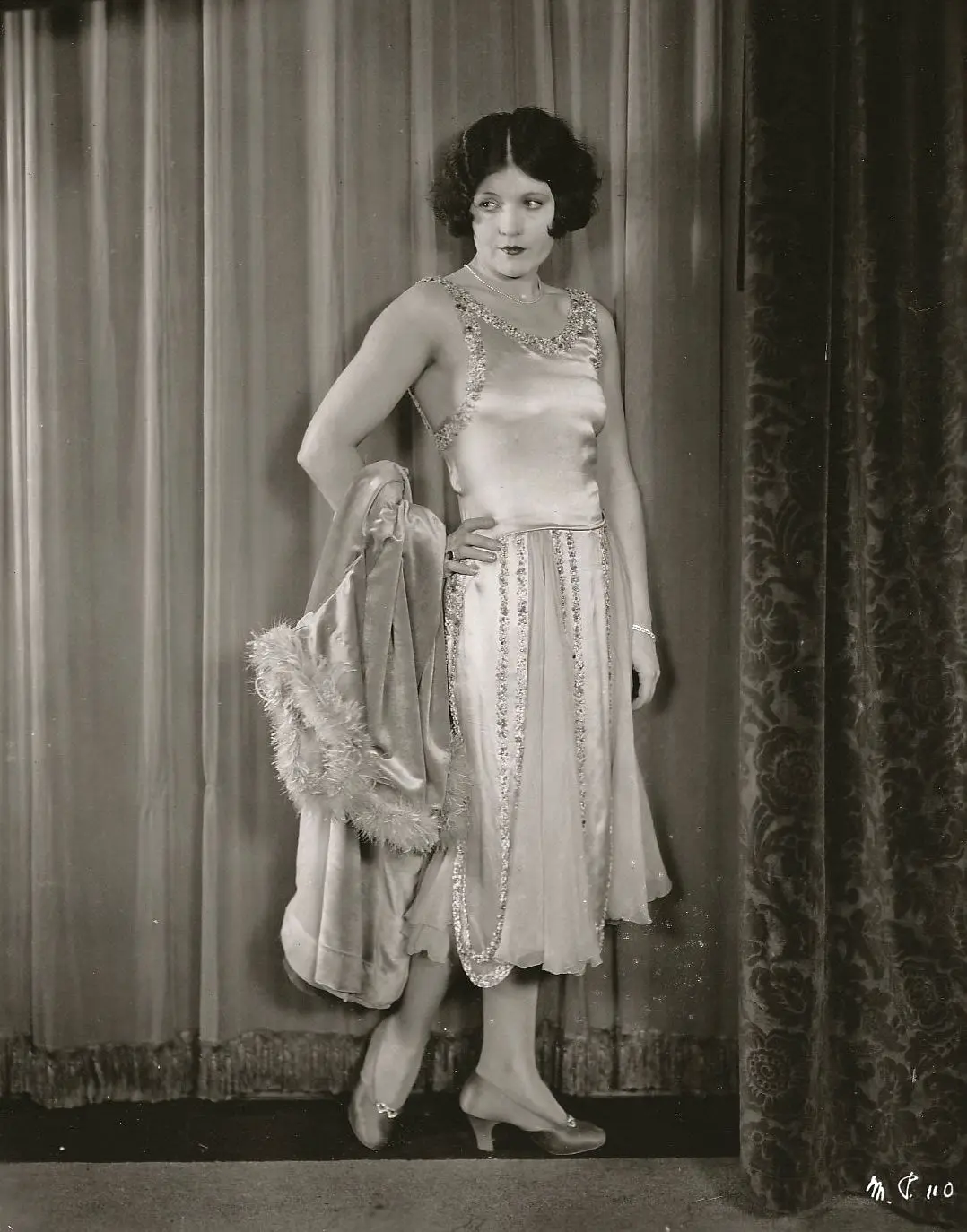
The film’s opening act establishes a domestic tension that is palpably suffocating. Gaston Fleury (Monte Blue), a man whose every gesture exudes controlled dominance, watches his wife Loulou (Marie Prevost) with the detached curiosity of a collector admiring a prized specimen. Their marriage, though outwardly stable, is a gilded cage of unspoken resentments. When Loulou’s casual flirtation with the earnest but unassuming musician Maurice (John Roche) begins to disrupt this fragile equilibrium, Gaston’s response is nothing short of masterful. He feigns willingness to grant her a divorce, a theatrical gesture that masks his true intent: to force her to confront the emptiness of her infatuation.
Prevost’s portrayal of Loulou is a masterclass in silent film acting. Her eyes, wide and darting, betray a woman torn between the comfort of familiarity and the intoxicating allure of novelty. In one particularly striking scene, she sits at the piano, her fingers moving mechanically across the keys as her gaze drifts to Maurice. The music, a superficial metaphor for her emotional state, becomes a backdrop to her internal conflict. Roche’s Maurice, though less nuanced, embodies the archetype of the charming outsider—his presence in Loulou’s life is a catalyst, not a resolution.
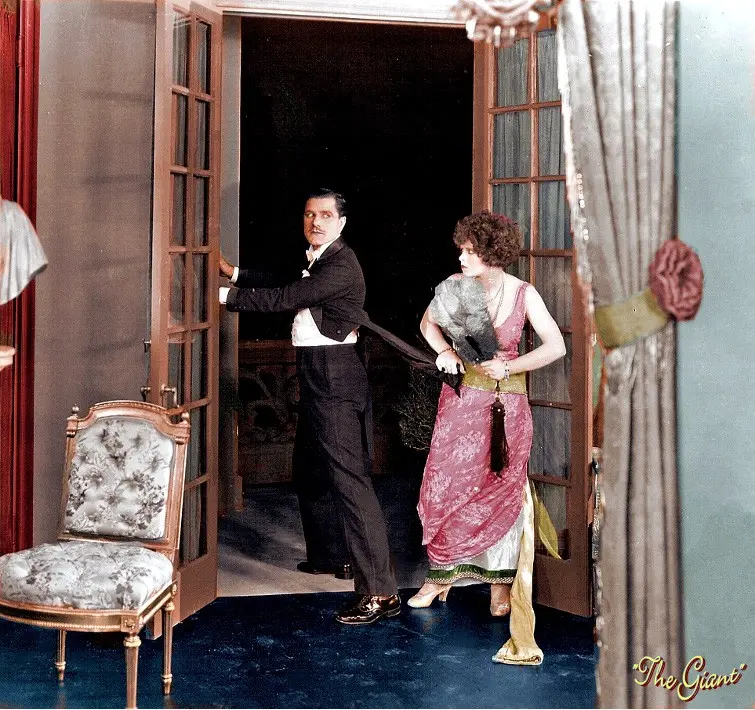
Monte Blue, however, steals the film with a performance that is both chilling and oddly sympathetic. His Gaston is not a villain in the traditional sense but a man who understands the rules of emotional warfare better than his wife. His manipulation is subtle: a raised eyebrow, a lingering pause before a response, a strategically timed absence. The film’s second act hinges on his ability to rekindle Loulou’s desire for him, a process that unfolds with the inevitability of a Greek tragedy. By the time she begs for reconciliation, the audience is left questioning whether her desperation is genuine or another pawn in Gaston’s game.
The film’s visual language is equally compelling. Director Emile DeNajac employs tight close-ups to amplify the emotional stakes, framing Loulou’s face in such a way that every micro-expression becomes a narrative device. The use of light and shadow is particularly effective during the nighttime scenes, where the stark contrast between Loulou’s illuminated face and the surrounding darkness mirrors her internal turmoil. One standout sequence involves a rain-soaked confrontation between Gaston and Maurice, where the downpour becomes a metaphor for the emotional deluge that both men must navigate.
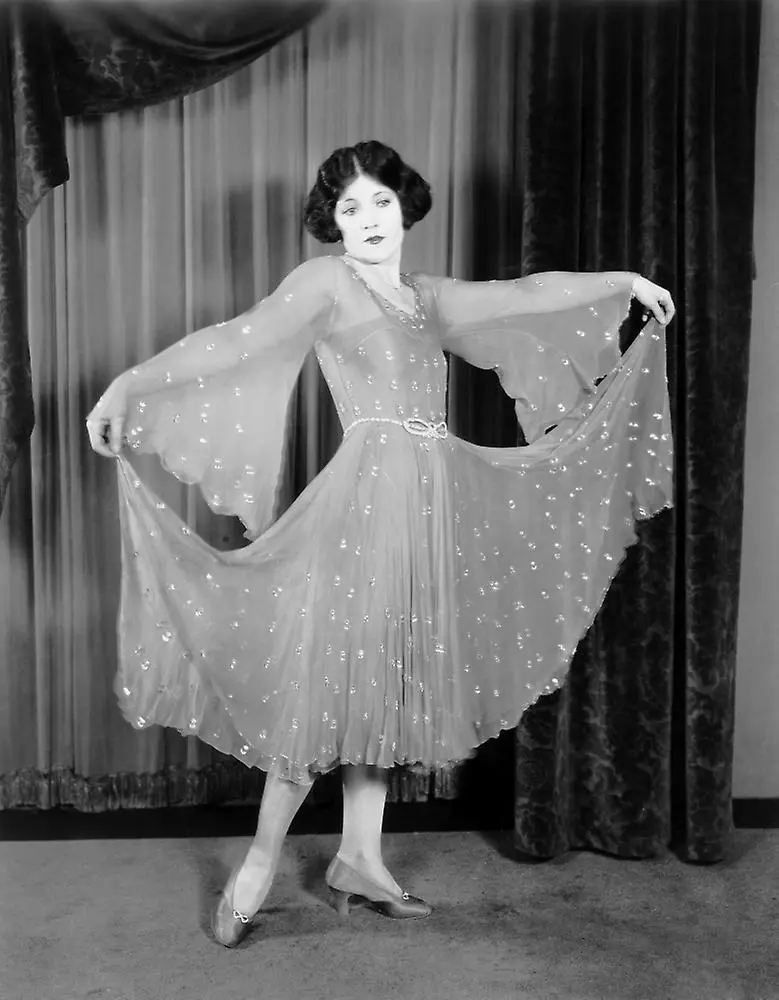
Comparisons to other silent-era dramas are inevitable. The Writing on the Wall, with its emphasis on moral decay, shares thematic parallels, as does The Changing Woman, which similarly explores the tension between tradition and modernity. Yet Kiss Me Again distinguishes itself through its focus on the psychological rather than the societal. Unlike the more overtly sensational The Golem, this film’s horror lies not in the supernatural but in the quiet, everyday betrayals of love.
The screenplay’s strength lies in its refusal to offer easy resolutions. Loulou’s reconciliation with Gaston is not a happy ending but a pragmatic one. The final scene, where she clings to him with a desperation that mirrors her earlier infatuation with Maurice, is a haunting reminder of the cyclical nature of emotional manipulation. It’s a conclusion that lingers long after the credits roll, a testament to the film’s unflinching exploration of human frailty.
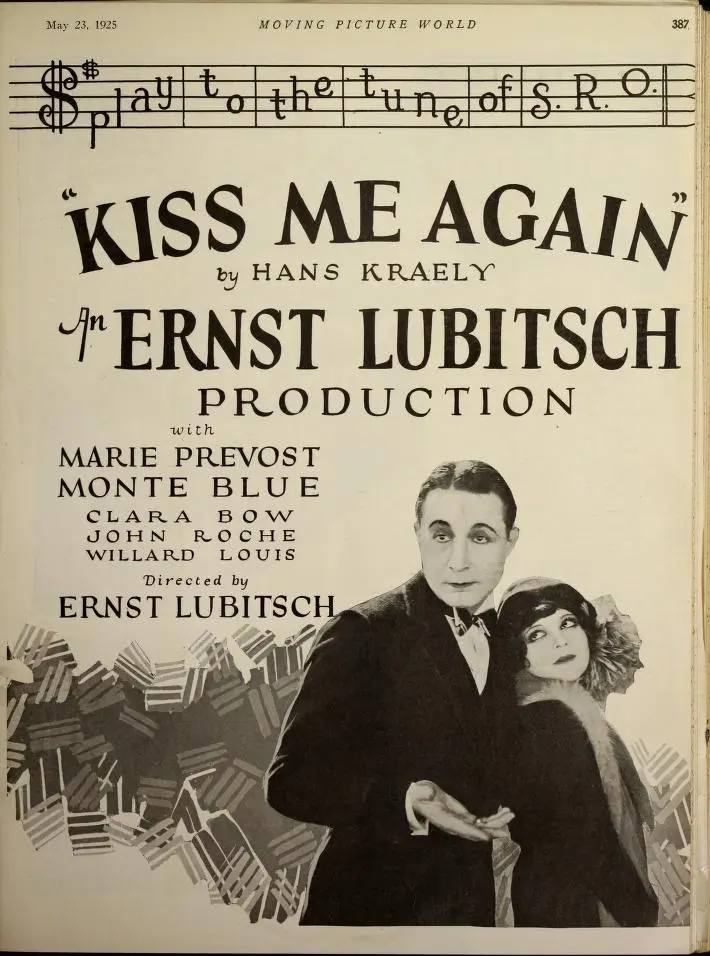
Technically, the film is a marvel. The score, though secondary to the visual storytelling, swells at key moments to punctuate the emotional beats. The cinematography, with its use of high-contrast lighting and dynamic angles, elevates the narrative into something almost operatic. Even the title cards, typically a utilitarian element in silent films, are designed with typographic flair that enhances the story’s rhythm.
For modern audiences, Kiss Me Again serves as both a historical artifact and a timeless study of power dynamics. Its themes of control and submission, though framed within a 1920s context, resonate with the same urgency as contemporary discourse on toxic relationships. The film’s relevance is further underscored by its parallels to Salvation Nell, another silent-era exploration of women navigating societal constraints.
In the broader landscape of 1920s cinema, Kiss Me Again holds its own against the more commercially successful Under Four Flags and the avant-garde Nattens datter II. Its blend of psychological depth and technical innovation places it in the upper echelon of pre-Code Hollywood. The film’s enduring appeal lies in its ability to balance melodrama with intellectual rigor, a feat that few of its contemporaries managed.
Ultimately, Kiss Me Again is more than a relic of the silent film era—it is a prescient exploration of the emotional labor that underpins all relationships. Gaston’s manipulation, Loulou’s ambivalence, and Maurice’s unwitting role as a pawn are not just characters in a film but archetypes that reflect the universal struggle for agency. In an age where storytelling often prioritizes spectacle over substance, this film reminds us that the most compelling narratives are those that dare to look unflinchingly at the human condition.
For cinephiles and newcomers alike, Kiss Me Again offers a window into the artistry of early cinema. Its nuanced performances, innovative direction, and timeless themes ensure that it remains a vital piece of film history. As we continue to revisit the classics, this film stands as a testament to the enduring power of storytelling in its purest form.
IMDb 6.2
1933
Community
Log in to comment.