DbcultAccessing Vault...
Cult Review
Senior Film Conservator
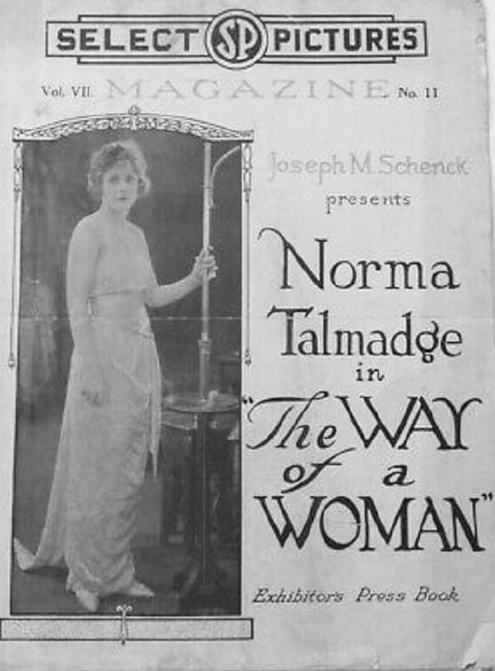
Ah, the silent era! A time when emotions were writ large across the screen, conveyed through the eloquent dance of gesture, the poignant gaze, and the dramatic sweep of a narrative unburdened by dialogue. And few artists embodied this expressive power quite like Norma Talmadge, whose luminous presence in films such as The Way of a Woman (1919) continues to resonate with a haunting beauty. This isn't just a film; it's a window into the societal anxieties, moral quandaries, and deeply personal sacrifices that defined an epoch, all filtered through the lens of a genuinely compelling protagonist. Penned by H. Crownin Wilson and Eugene Walter, the narrative is a masterclass in emotional manipulation, in the best possible sense, drawing the viewer into a vortex of duty, desire, and despair.
From the very outset, we are introduced to Nancy Lee, portrayed with exquisite sensitivity by Talmadge, a young woman whose life is ostensibly blessed by her Virginia aristocratic lineage. Yet, beneath the veneer of privilege, a profound internal conflict brews. Her heart, vibrant and unyielding, is irrevocably given to a man whom her father, a staunch guardian of social convention, deems beneath their station. This isn't merely a disagreement; it's a clash of worldviews, a brutal confrontation between an individual's yearning for authentic connection and the oppressive weight of inherited expectation. The father's decree, delivered with the unyielding authority of his generation, casts a long shadow over Nancy's nascent happiness. It's a predicament not unlike the moral labyrinths explored in Dostoevsky's Raskolnikov, where societal pressures and personal ethics collide with devastating force, albeit here the stakes are romantic and social rather than existential and criminal.
The film then pivots on a crucial decision, one born not of love, but of obligation. Nancy, witnessing her family's financial struggles, makes the agonizing choice to forsake her true love and marry a wealthy suitor. This act of self-sacrifice is rendered with such raw vulnerability by Talmadge that it transcends mere melodrama. It becomes a testament to the societal constraints placed upon women of that era, who often found their personal agency curtailed by familial duty and economic necessity. Her marriage, intended as a balm for her family's woes, instead becomes a gilded cage, a stark reminder of a love lost and a future unfulfilled. This theme of inescapable circumstance and the heavy burden of the past echoes the emotional resonance found in films like Chains of the Past, where characters grapple with the indelible marks left by their previous choices and societal expectations.
The narrative then transports us to New York, where Nancy's life takes an even more desolate turn. Her wealthy husband, the very man she sacrificed her happiness for, abandons her, leaving her a widow adrift in the impersonal vastness of the metropolis. Here, the film delves into the harrowing reality of a woman stripped of her social standing and financial security. Talmadge's portrayal of Nancy's isolation and growing desperation is nothing short of masterful. Her attempts to navigate this new, harsh reality, to extricate herself from the ignominy of her situation, only serve to ensnare her further, drawing her into a spiral of shame and potential disaster. The urban landscape becomes a character in itself, indifferent and unforgiving, a stark contrast to the genteel, albeit restrictive, confines of her Virginia home. It's a poignant exploration of how quickly one's fortunes can turn, and how precarious a woman's position could be without the protective shield of a husband or family name.
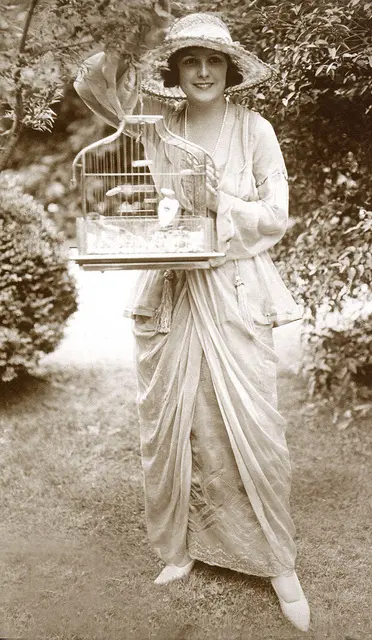
The supporting cast, while not always given the same depth as Talmadge, nonetheless contributes effectively to the unfolding drama. Conway Tearle, as the original love interest, exudes a quiet strength and unwavering devotion that makes his eventual role as Nancy's potential savior all the more compelling. Jobyna Howland and Gertrude Berkeley, though in less prominent roles, paint a vivid picture of the social fabric Nancy inhabits, from the judgmental gossips to the sympathetic confidantes. William Humphrey and May McAvoy round out a cast that, under the direction, manages to convey a rich tapestry of human emotion without uttering a single word. The film's strength lies not just in its star, but in the collective effort to articulate a complex narrative through visual storytelling.
One cannot discuss The Way of a Woman without acknowledging the sheer artistry of its visual composition. Silent films often relied heavily on elaborate sets, dramatic lighting, and innovative camera work to convey mood and meaning, and this production is no exception. The opulence of the Virginia aristocracy is contrasted sharply with the bleakness of Nancy's New York existence, utilizing set design and cinematography to underscore the character's emotional journey. The use of close-ups on Talmadge's expressive face is particularly effective, allowing the audience to witness every tremor of her despair, every flicker of hope. These visual cues are crucial in building empathy for Nancy's plight, making her struggles feel deeply personal and immediate.
The thematic core of the film — sacrifice, social injustice, and the enduring power of love — is explored with a nuance that elevates it beyond typical melodrama. It asks profound questions about the true cost of societal expectations and the moral compromises individuals are forced to make. Nancy's journey is not merely one of suffering, but also of resilience, a testament to the human spirit's capacity to endure and fight for redemption. Her dilemma is a timeless one, echoing the struggles of characters in other classic narratives where individuals are pitted against the unyielding forces of society, much like the tragic romanticism found in The Light That Failed, where love and fate conspire against happiness.
As Nancy's situation grows increasingly dire, the narrative skillfully builds tension, leaving the audience on the edge of their seats, wondering if she can truly be saved. The looming disaster feels palpable, a testament to the writers' ability to craft a compelling arc. It's in these moments of profound vulnerability that the film truly shines, allowing Talmadge to deliver a performance that is both heartbreaking and inspiring. The hope that her original love, the man she was forbidden to marry, might still be her salvation, introduces a powerful element of romantic idealism into an otherwise stark portrayal of hardship. This narrative device, while perhaps a touch romanticized, serves as a crucial counterpoint to the relentless realism of her suffering, offering a glimpse of potential solace and restoration.
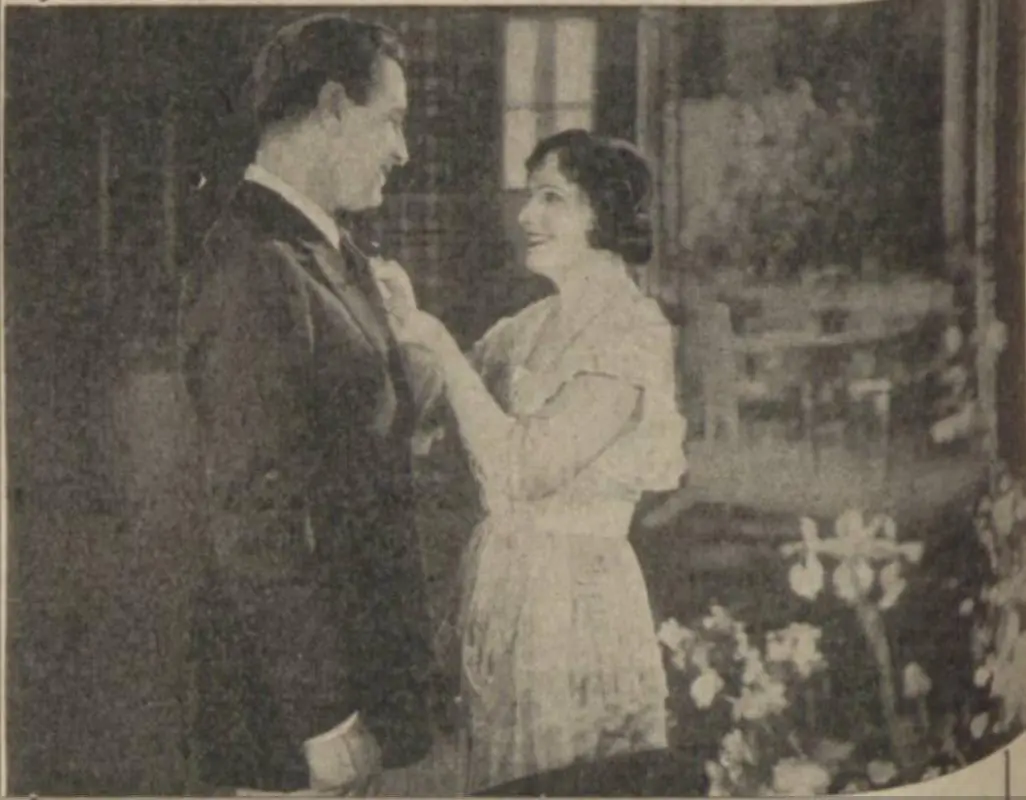
The film's exploration of the 'way of a woman' in early 20th-century America is particularly insightful. It dissects the limited choices available to women, particularly those from privileged backgrounds who were expected to uphold social facades regardless of personal cost. Nancy's story is a microcosm of a larger societal struggle, where personal fulfillment often took a backseat to reputation and lineage. This nuanced portrayal avoids simplistic moralizing, instead presenting a complex picture of a woman caught between conflicting loyalties and desires. It’s a compelling look at the often-unseen struggles behind the elegant doors of high society, a theme that also subtly underpins the machinations within a story like House of Cards, albeit in a dramatically different context of power and ambition.
The emotional climax, where the possibility of rescue by her true love emerges, is handled with a delicate touch, avoiding overt sentimentality while still delivering a powerful emotional punch. It's a reminder that even in the darkest hours, genuine connection can offer a path to redemption and solace. The film doesn't shy away from the harsh realities Nancy faces, but it also champions the resilience of the human heart and the enduring power of a love that transcends social barriers and personal misfortunes. This resolution, while providing a sense of closure, doesn't erase the trials Nancy endured, but rather validates her strength in overcoming them.
In an era dominated by the grandeur of epics and the slapstick of comedies, The Way of a Woman stands out as a poignant character study, a testament to the power of dramatic realism within the silent film medium. Norma Talmadge's performance is the beating heart of the film, carrying its emotional weight with a grace and intensity that remains captivating even today. Her ability to convey such a vast spectrum of feelings — from youthful joy to profound sorrow, from desperate resolve to burgeoning hope — without uttering a single word is a masterclass in acting. It's a performance that solidifies her status as one of the true luminaries of the silent screen, an actress whose legacy continues to inspire and move audiences.
Beyond the individual performances, the film's significance lies in its keen observation of societal norms and the silent battles fought within the confines of polite society. It’s a narrative that resonates because it touches upon universal themes of duty versus desire, the search for identity, and the yearning for authentic connection in a world often dictated by superficialities. While not as overtly political as some contemporary films, its quiet critique of class distinctions and the plight of women in a patriarchal society is undeniably potent. It reminds us that the struggles of the past, though perhaps expressed differently, often mirror our own contemporary challenges in finding balance between personal happiness and societal expectations.
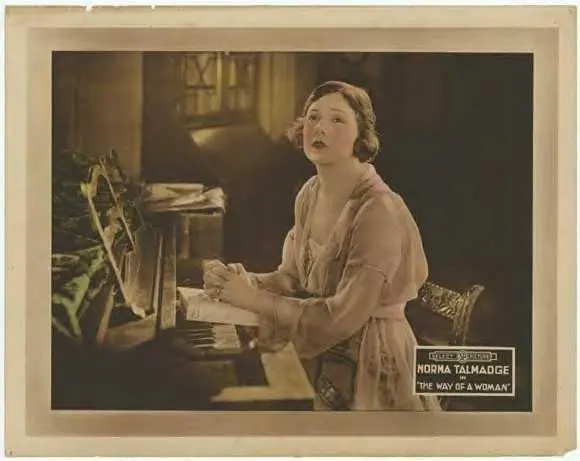
Watching The Way of a Woman today is not just an exercise in historical appreciation; it's an immersive emotional experience. It invites us to reflect on the enduring nature of love, the corrosive effects of social prejudice, and the indomitable spirit of those who dare to defy the conventional path. The film, despite its age, feels remarkably fresh in its emotional honesty and its portrayal of a woman's journey through adversity. It’s a film that asks us to consider the choices we make, the sacrifices we endure, and the true meaning of salvation. It's a compelling piece of cinematic history that deserves to be rediscovered and celebrated, not just for its technical achievements or star power, but for its timeless narrative and profound human insight.
The narrative's exploration of social inequality and its impact on personal lives is particularly striking. Nancy's father's prohibition is not based on any moral failing of her beloved, but purely on perceived social disparity. This rigid adherence to class structure, which dictates who one can and cannot love, marry, or even associate with, forms the central conflict. It's a stark reminder of how deeply ingrained such prejudices were and, to some extent, still are. The film subtly critiques this system by showcasing the immense suffering it causes Nancy, a woman who is otherwise virtuous and deserving of happiness. This critique is a powerful undercurrent, making the film more than just a romantic drama, but also a social commentary on the societal barriers that dictate individual destinies.
The journey Nancy undertakes, from the sheltered opulence of Virginia to the desolate anonymity of New York, is also a profound psychological one. She is forced to confront her own vulnerabilities and strengths outside the protective bubble of her aristocratic upbringing. This transition is crucial to her character development, transforming her from a somewhat passive figure, bound by filial duty, into a woman who, despite her misfortunes, actively seeks to reclaim her life. The shame she experiences is not merely external; it's an internal battle against the societal expectations that dictate her worth. Her struggle to extricate herself from her dilemma, even if it leads to further complications, highlights her innate resilience and her refusal to simply succumb to fate. It’s this spirit that makes her such a compelling protagonist, one whose journey resonates with an enduring power.
Ultimately, The Way of a Woman is a beautifully crafted silent film that uses its dramatic narrative to explore universal themes of love, sacrifice, and redemption. It’s a testament to the enduring power of storytelling through visual means, anchored by a truly remarkable performance from Norma Talmadge. For anyone interested in the rich tapestry of silent cinema, or simply a compelling human drama, this film is an absolute must-see. It’s a journey into the heart of a woman, navigating a world that often sought to dictate her path, yet ultimately finding her own way through courage and unwavering love. The emotional landscape it paints is as relevant today as it was a century ago, a timeless portrayal of the human spirit's capacity for both profound suffering and ultimate triumph.
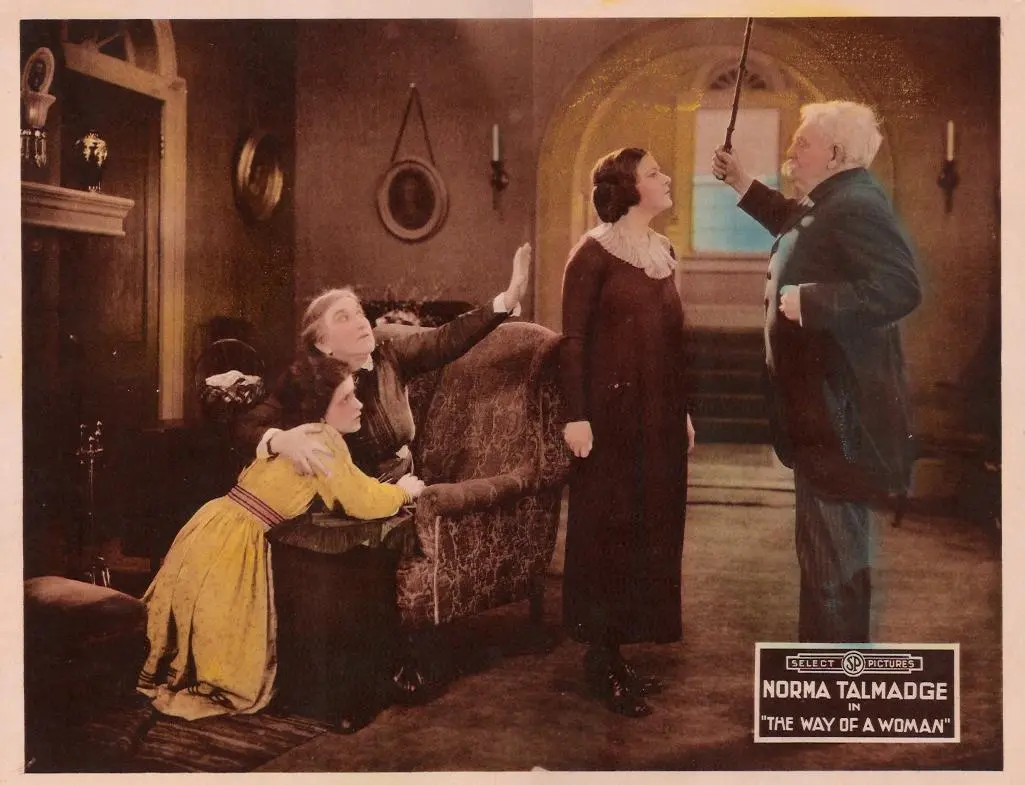
The collaborative efforts of writers H. Crownin Wilson and Eugene Walter are evident in the intricate plotting and character development that propel the story forward. Their ability to craft a narrative that, despite its melodramatic flourishes, remains grounded in believable human emotion is commendable. They understood the nuances of silent film storytelling, allowing for visual metaphors and heightened emotional states to convey deep meaning without the crutch of dialogue. This is a film that speaks volumes through its silence, a testament to the power of well-conceived writing executed through expert direction and compelling performances. It's a cinematic experience that stays with you, prompting reflection on the societal constructs that shape our lives and the enduring strength of the human heart.
The casting choices for The Way of a Woman are particularly strong, extending beyond its luminous star. Conway Tearle, for instance, brings a quiet dignity to his role as Nancy's true love, making his character's unwavering devotion both believable and deeply affecting. His presence provides a crucial anchor of hope throughout Nancy's trials, a steady beacon in her storm-tossed life. The contrast between his genuine affection and the transactional nature of her arranged marriage is sharply drawn, amplifying the tragedy of her initial choice. The ensemble, including Frank DeVernon, Stuart Holmes, Hassard Short, and George LeGuere, each contribute to the authentic portrayal of the social milieu, creating a believable world in which Nancy's personal drama unfolds. Their collective efforts ensure that the film's emotional core is supported by a robust and convincing narrative framework.
The enduring legacy of films like The Way of a Woman lies not just in their historical significance, but in their timeless appeal. They offer a window into a bygone era, yet the human emotions and dilemmas they portray remain universally understandable. Nancy Lee's struggle with societal expectations, her sacrifice for family, and her quest for personal happiness resonate with audiences across generations. It's a powerful reminder that cinema, even in its earliest forms, possessed the capacity to explore complex human experiences with depth and sensitivity. This film stands as a testament to the artistry of silent era filmmaking, a compelling drama that continues to speak volumes about the intricate 'way of a woman' in a world constantly striving for balance between duty and desire.
In conclusion, The Way of a Woman is far more than a historical artifact; it is a vibrant, emotionally resonant piece of cinema that offers deep insights into the human condition. It masterfully uses the unique expressive capabilities of the silent film medium to tell a story of profound personal sacrifice and enduring love. Norma Talmadge's performance is, without hyperbole, a tour de force, embodying the struggles and triumphs of her character with breathtaking authenticity. This film is an essential viewing for anyone seeking to understand the power and beauty of early cinema, and a poignant reminder of the timeless conflicts that shape our lives. It’s a journey worth taking, a story worth experiencing, and a film that leaves an indelible mark on the heart and mind, proving that some narratives transcend the limitations of their era to speak to the universal human experience.
IMDb —
1926
Community
Log in to comment.