DbcultAccessing Vault...
5.2/10
Senior Film Conservator
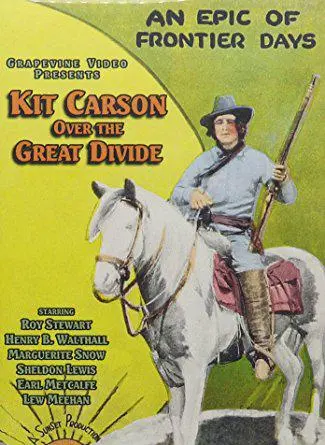
A definitive 5.2/10 rating for a film that redefined the boundaries of cult cinema. Kit Carson Over the Great Divide remains a cornerstone of transgressive art.
Is this film worth watching today? Short answer: yes, but only if you have a deep-seated appreciation for the structural bones of the American Western and the patience for silent-era pacing. This film is for the cinematic historian and the frontier enthusiast; it is decidedly not for the modern viewer who requires rapid-fire editing or complex psychological subplots.
Kit Carson Over the Great Divide is a relic that demands a specific mindset. It doesn't offer the polished heroism of later John Wayne vehicles. Instead, it provides a dusty, somewhat abrasive look at the mechanics of the wagon train subgenre before it became a set of tired clichés. It is a film about the dirt under the fingernails of the pioneers.
This film works because it captures the sheer scale of the American landscape without the safety net of modern visual effects, relying on authentic locations that dwarf the human players.
This film fails because its narrative structure is repetitive, often stalling the momentum of the journey for melodramatic asides that haven't aged as well as the scenery.
You should watch it if you want to see the foundational tropes of the Western scout being built in real-time by Roy Stewart and a cast of silent-era stalwarts.
Roy Stewart’s performance as Kit Carson is a fascinating study in early screen presence. Unlike the hyper-emotive acting often found in domestic dramas like We Moderns, Stewart opts for a minimalist approach. He uses his physicality—the way he sits in a saddle, the way he scans the horizon—to convey authority. It is a performance rooted in action rather than expression.
In one specific sequence where the wagon train reaches the base of the Divide, Stewart’s face remains remarkably still while the settlers around him panic. This contrast highlights the 'Carson' myth: the man who remains calm while the world is falling apart. It’s a stark difference from the urban intensity seen in films like The Heart Bandit, where every emotion is broadcast to the back row. Stewart understands that the Western hero needs to be an enigma.
However, the script by Frank S. Mattison and J.C. Hull doesn't always give Stewart enough to work with. There are moments where the plot feels as thin as the mountain air. The film relies heavily on the audience's preexisting knowledge of who Kit Carson is, rather than building his character through unique dialogue or specific choices. He is a symbol first and a person second. It works. But it’s flawed.
Director Frank S. Mattison utilizes the great outdoors with a sense of reverence that was becoming the hallmark of the 1920s Western. The cinematography isn't just about capturing the actors; it’s about capturing the struggle against the environment. The way the cameras are positioned to show the long line of wagons snaking up a narrow ridge is genuinely impressive for 1925.
Consider the lighting in the night-time camp scenes. While many silent films of the era, such as Forbidden Fruit, used elaborate studio lighting to create a sense of luxury, Kit Carson Over the Great Divide feels much more raw. The shadows are deep, and the flickers of the campfire feel authentic. This grounded aesthetic helps sell the danger of the crossing. You can almost feel the cold coming off the screen.
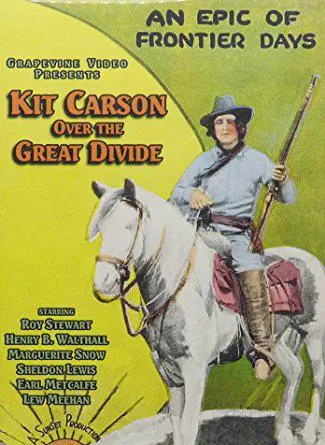
Compare this to the more ethereal, stylized visuals of Northern Lights. While that film sought a poetic beauty, Mattison is looking for a documentary-like grit. He wants you to see the strain on the horses and the weariness in the eyes of the cast. It is a masterclass in using location as a character, a technique that many modern directors still struggle to perfect.
The film benefits immensely from its deep bench of character actors. Henry B. Walthall, a man who carried the weight of the early silent era on his shoulders, brings a level of gravitas to his role that elevates the entire production. Even in a smaller capacity, Walthall’s ability to convey a lifetime of regret with a single look is unparalleled. He provides the emotional counterweight to Stewart’s stoicism.
Then there is Sheldon Lewis. Every good Western needs a villain you love to hate, and Lewis delivers a performance that is just the right side of hammy. He doesn't have the sophisticated malice of the antagonists in The Pleasure Buyers, but he doesn't need it. In the wilderness, villainy is simple: greed and survival. Lewis plays into these primal motivations with relish.
Charlotte Stevens also deserves mention. While the female roles in 1920s Westerns were often relegated to the 'damsel' or the 'homesteader's wife,' Stevens manages to inject a sense of agency into her scenes. She isn't just waiting to be rescued; she is part of the survival effort. It’s a subtle shift, but one that makes the film feel slightly more progressive than its contemporaries like The Light Within.
For the casual viewer, the answer is likely no. The pacing is a significant hurdle. Like many films from the mid-20s, such as Potash and Perlmutter, the narrative can feel episodic. It lacks the tight, three-act structure that modern audiences crave. There are long stretches where very little 'happens' in terms of plot advancement, as the film focuses on the minutiae of the journey.
However, for the cinephile, the answer is a resounding yes. To watch Kit Carson Over the Great Divide is to watch the birth of a genre. You can see the DNA of every great Western that followed—from Ford to Peckinpah—embedded in these frames. The film captures a specific moment in American history and a specific moment in film history simultaneously. That dual perspective is rare and valuable.
From a technical standpoint, the film is a triumph of logistics. Moving a full cast and crew into the mountains in 1925 was no small feat. The production value is evident in every frame. Unlike the stage-bound feel of many early silents, this film feels expansive. It breathes.
The editing, while slow by today's standards, is effective at building tension during the more perilous moments of the climb. There is a sequence involving a broken wagon wheel on a cliff edge that is edited with surprising precision. It uses close-ups of the fraying ropes and the sweating horses to create a sense of immediate danger. It’s a primitive but effective form of suspense that still works today.
We see similar attempts at building tension in films like The Wooing of Princess Pat, but in a much more theatrical setting. Mattison’s work here is more cinematic. He understands that the camera can be a participant in the action, not just an observer. This is a crucial distinction in the evolution of the medium.
Kit Carson Over the Great Divide is a rugged, unpolished gem of the silent era. It doesn't have the grace of a high-budget studio production, but it has something better: authenticity. It feels like a dispatch from a lost world. While the story may be simple and the acting occasionally broad, the film’s commitment to its setting and its hero makes it a journey worth taking. It isn't a masterpiece. It’s a workhorse. And in the world of the Western, that’s often more important.
IMDb 5.4
1925
Community
Log in to comment.