DbcultAccessing Vault...
4.4/10
Senior Film Conservator
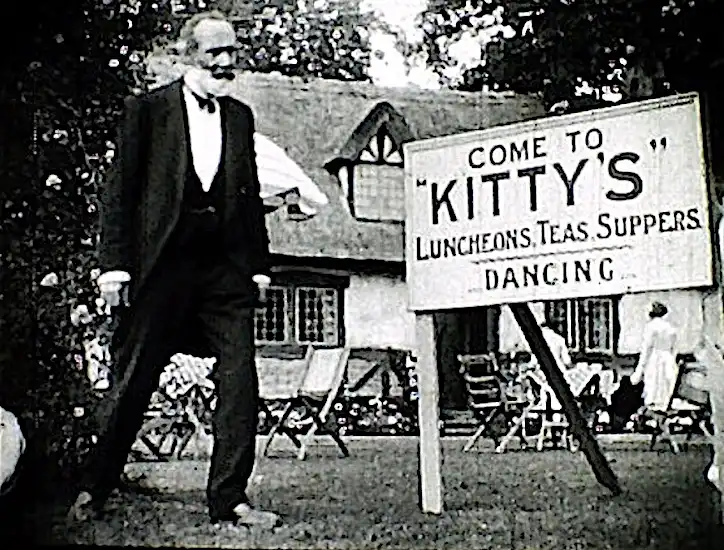
A definitive 4.4/10 rating for a film that redefined the boundaries of cult cinema. Kitty remains a cornerstone of transgressive art.
So, is Kitty from 1929 worth your time today? Look, if you’re into the wild, *wild* melodrama of late silent films, or just curious about British cinema from that era, then yeah, absolutely. Anyone looking for a quiet, subtle drama should probably just walk away right now; this thing is big and bold, sometimes almost too much. It’s a definite watch for silent film buffs, but a hard pass for casual viewers hoping for something easy.
The premise alone, right? A shopgirl, Kitty (Estelle Brody), falls for this rich fella, Roland (John Stuart), who’s had a terrible accident. He's paralyzed, can’t remember a thing, and his mother (Marie Ault) has him wrapped around her little finger. Kitty just decides, "Nope, this won't do," and literally *takes* him. It’s just so incredibly audacious, you almost gotta respect it. 😲
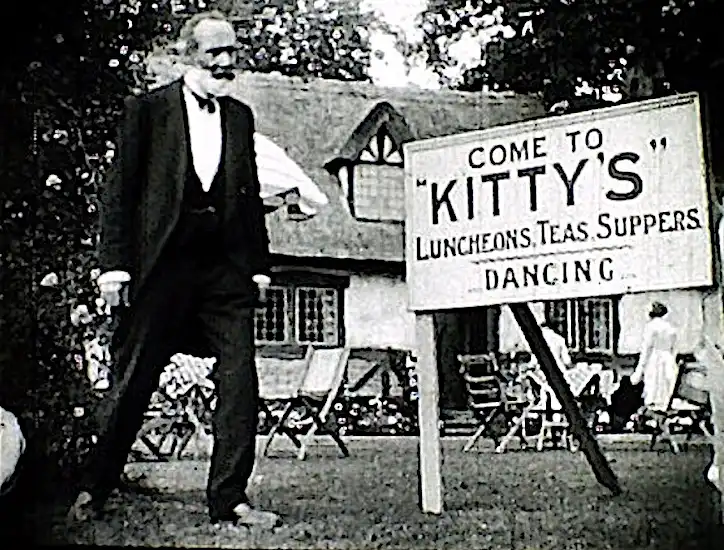
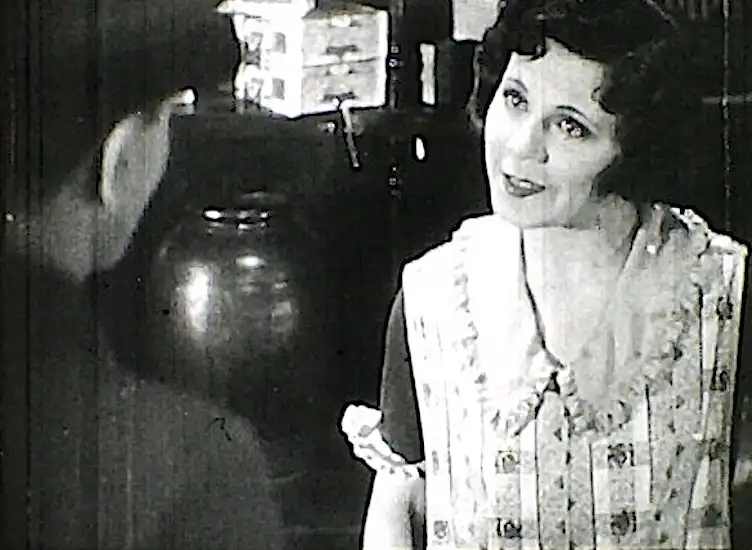
Estelle Brody as Kitty, oh man. She throws herself into it. You see her working in the shop, all proper, then the moment she sees Roland, it’s like a switch flips. Her eyes, her expressions, they just scream fixation. She's not just in love; she's got a mission. It’s a lot.
And then there’s Marie Ault as Mrs. Keen. She is the epitome of the overprotective, interfering mother. Her glare could melt steel. You really feel the suffocating grip she has on Roland, which makes Kitty's extreme actions almost understandable, almost.
The whole build-up to the kidnapping is pretty tense, actually. It's not some grand scheme; it feels almost spur-of-the-moment, born of pure desperation. There's a scene where Kitty is just watching Roland, and you can practically see the idea forming in her head, like a little cartoon lightbulb. You almost feel the movie trying to convince you this moment matters.
When she actually does it... well, it's not exactly a Bond movie heist. More like a very determined, slightly clumsy, and *very* emotional young woman just, uh, *borrowing* a person. The way Roland is portrayed as so utterly helpless just amplifies the whole thing. He's like a prop for half the film. His blank stare gets to you after a while, honestly.
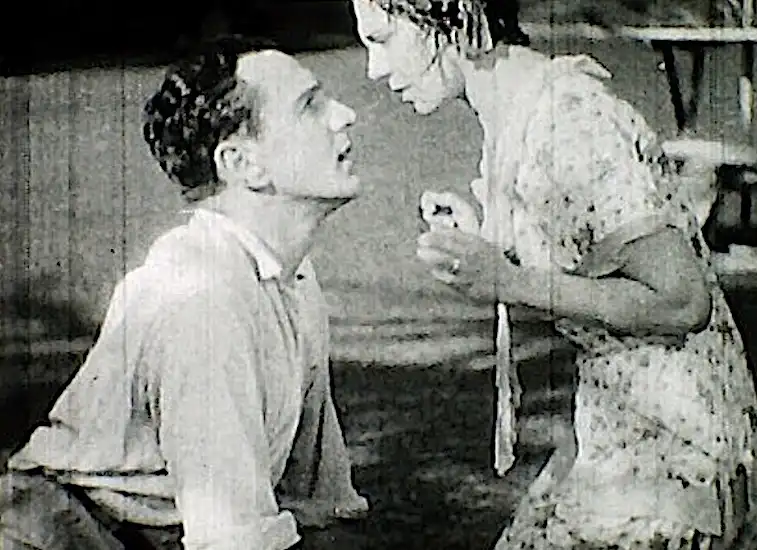
The silence, of course, plays a huge part. Every glance, every gesture, every dramatic sigh has to carry so much weight. Sometimes it works brilliantly, especially in the close-ups of Brody’s face. Other times, an intertitle pops up that just states the obvious, and you’re like, “Yeah, we got it.”
There's a really interesting contrast in Kitty’s world versus Roland’s. Her shop, all bustling and common. His house, all grand and stifling. You can almost feel the dust in the air of his sickroom, compared to the fresh-air hope Kitty represents. Or thinks she represents, anyway.
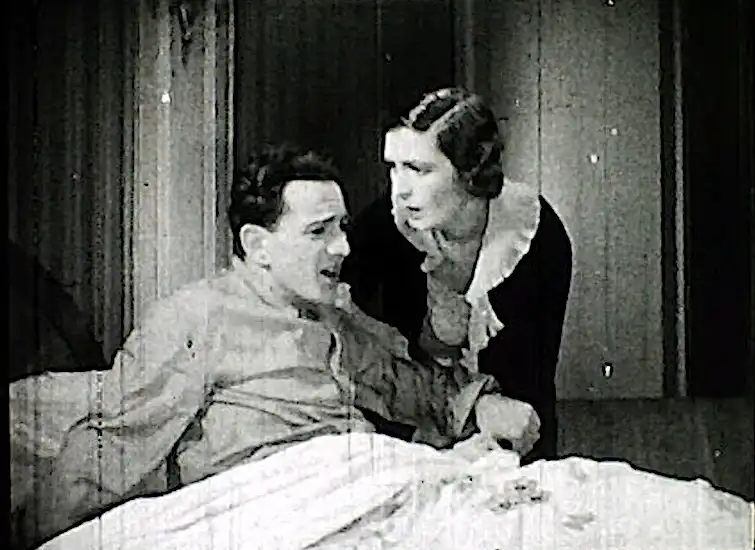
The film doesn’t shy away from showing Kitty’s single-mindedness, which borders on obsession. Is she a heroine, or a little bit unhinged? The movie lets you chew on that. She truly believes she can *love* him back to health, back to his memories. It’s a very romantic, if totally unrealistic, notion.
One reaction shot of Mrs. Keen, when she realizes Roland is gone, lingers so long it becomes funny. You just keep expecting her to burst a blood vessel. It’s a bit much, but then, so is the whole movie. This isn't subtle filmmaking, not at all. It’s like they turned the melodrama dial all the way to 11. 😱
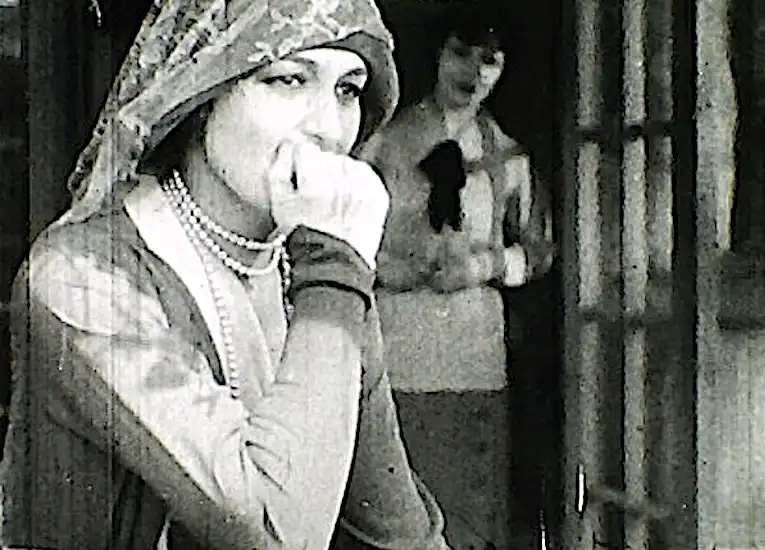
The performances are very much of their time. Big. Expressive. Sometimes a little bit hammy. But that’s part of the charm, isn't it? It’s a window into how stories were told when words couldn't be spoken. John Stuart as Roland does a good job of conveying absolute helplessness, which is harder than it sounds.
I found myself wondering, during the middle section, how long can this go on? Kitty caring for Roland, Roland slowly… maybe… possibly… improving? It does drag a *tad* in places. The daily routine feels a bit repetitive, even with the dramatic stakes. It needed a few more quick cuts, I think.
The climax is, predictably, quite the show. Everything comes to a head. There’s no quiet resolution here. It’s all big reveals and emotional outbursts. You can practically hear the dramatic music swelling, even though it’s a silent film. It kinda reminds me of some of the over-the-top stuff you’d see in a G.W. Pabst film, but with a distinctly British flavor. Think Pandora's Box but less, um, morally ambiguous maybe.
IMDb 6.8
1934
Community
Log in to comment.