DbcultAccessing Vault...
5.3/10
Senior Film Conservator
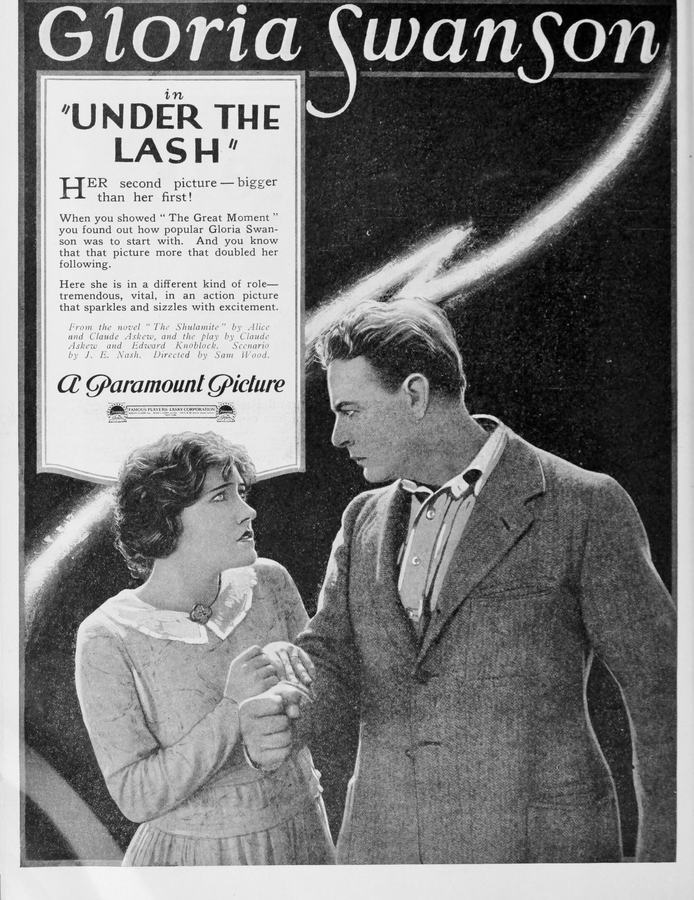
A definitive 5.3/10 rating for a film that redefined the boundaries of cult cinema. Under the Lash remains a cornerstone of transgressive art.
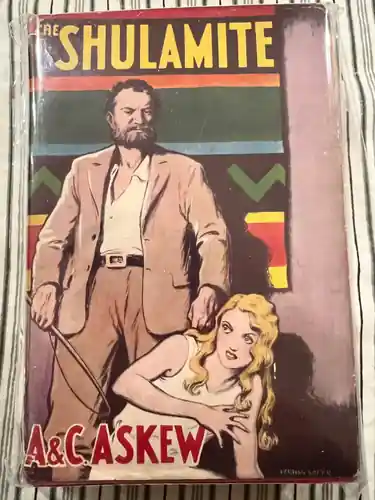
Under the Lash (1921) is a film that crackles with the tension of a dry prairie summer, its narrative as unforgiving as the Boer farmer’s whip. Directed with a stark, almost biblical gravity by an ensemble of writers including Edward Knoblock and Alice Askew, this pre-code drama is not merely a tale of infidelity but a corrosive allegory of power, hypocrisy, and the performative nature of morality. The film’s title—a sly pun on both physical punishment and the invisible binds of societal expectation—sets the tone for a story where every character is both captor and captive.
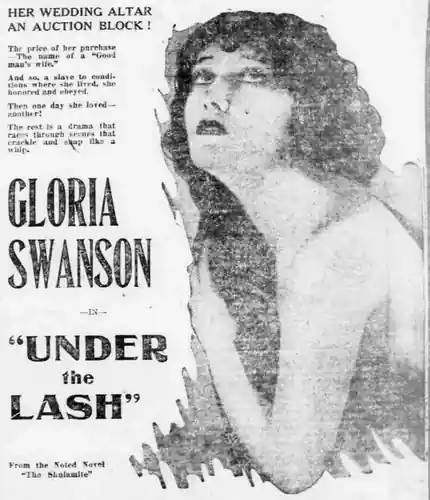
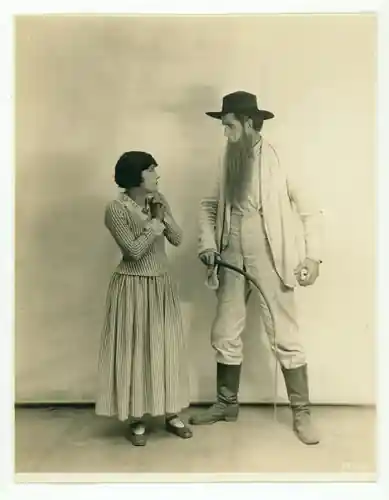
Gloria Swanson, in one of her earliest leading roles, delivers a performance that is as haunting as it is understated. As Deborah Krillet, she channels a restless vulnerability, her eyes flickering with the duality of a woman caught between duty and desire. Her husband, Simeon Krillet (Russell Simpson), is a man carved from the same parched earth that surrounds him. His religious fervor is not born of faith but of control—a weaponized piety that masks his insecurity. The scene where he threatens to beat Deborah for reading Romeo and Juliet is a masterclass in power dynamics. His hand, trembling with righteous fury, contrasts with her poised defiance, a silent negotiation where words are superfluous.
The film’s most audacious stroke is its treatment of deception as both a survival strategy and a moral failure. Deborah’s lie about her pregnancy is not a mere plot device but a metaphor for the falsity of the colonial order itself. By fabricating a child to protect herself from Simeon’s wrath, she becomes the puppeteer of her own fate, even as her actions unravel the moral fabric of her world. Waring (Lincoln Stedman), the English overseer, emerges as a paradoxical hero—his idealism as fragile as the diaries he transcribes, yet his willingness to kill Simeon to save Deborah is tinged with the same self-justification that drives the film’s other characters.
The storm that frames the murder sequence is more than a backdrop; it is a character in its own right. The deluge mirrors the chaos of the characters’ psyches, and the thunderclaps punctuate the violence with a divine irony. When Anna (Tehna Jasper), Simeon’s sister, discovers the truth, her quiet horror is rendered with a restraint that underscores the film’s bleak realism. There is no redemption here, only the cold calculus of consequence. The final act, where Deborah surrenders her husband’s wealth to silence Anna, is a devastating coda—a transaction that confirms her complicity in the system she sought to escape.
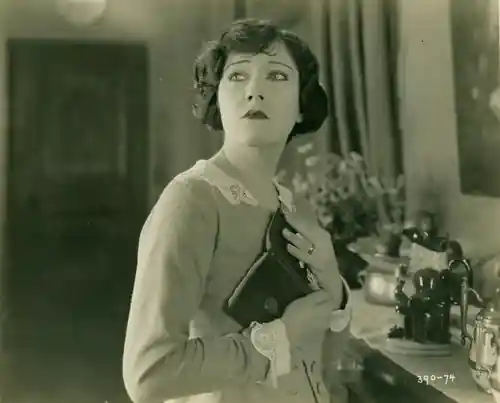
Technically, Under the Lash is a triumph of silent cinema’s visual language. The intertitles are sparse, allowing the actors’ expressions and the desolate landscapes to carry the weight of the narrative. The score, though minimal, swells with the menace of a storm on the horizon. The camera lingers on the empty spaces between characters, emphasizing their isolation and the futility of their connections. When compared to contemporaries like Behind the Mask or The Foundling, Under the Lash stands out for its unflinching exploration of moral ambiguity. It is not a film that offers easy answers but one that challenges the viewer to confront the shadows within its frame—and within themselves.
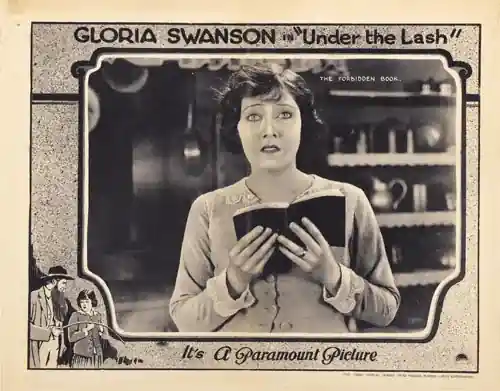
The film’s themes resonate with disturbing clarity in a modern context. The tension between personal desire and societal expectation, the weaponization of religion, and the cyclical nature of violence are as relevant today as they were a century ago. Yet it is the performances, particularly Swanson’s, that elevate this film from a historical curiosity to a timeless study of human frailty. Her Deborah is not a victim in the traditional sense; she is a woman who navigates a world of oppression with a quiet, unyielding will—a will that ultimately consumes her.
The final scene, where Waring and Deborah are united after her divorce, is a masterstroke of irony. Their union is not a resolution but a continuation of the same games played by the same rules. The camera pans to the horizon, where the land stretches endlessly, a metaphor for the inescapability of the characters’ choices. There is no catharsis here, only the lingering unease of a story that refuses to offer closure.
In the pantheon of silent films, Under the Lash occupies a unique space. It is a work that demands patience, rewarding the viewer with layers of meaning hidden in its stark visuals and morally complex narrative. For fans of films like Her Life and His or The Corsican, this film is a must-watch. Its enduring power lies in its ability to make the personal political and the intimate epic—a feat few films achieve.
In conclusion, Under the Lash is not merely a film about love and betrayal. It is a mirror held up to the contradictions of human nature, reflecting the cost of desire in a world where truth is a commodity and survival a performance. The black-and-white cinematography ensures that every shadow and highlight is deliberate, every silence a statement. As the credits roll, the viewer is left with the unsettling sensation that the storm has not passed but merely shifted, waiting to break again.
IMDb —
1919
Community
Log in to comment.