DbcultAccessing Vault...
6.5/10
Senior Film Conservator
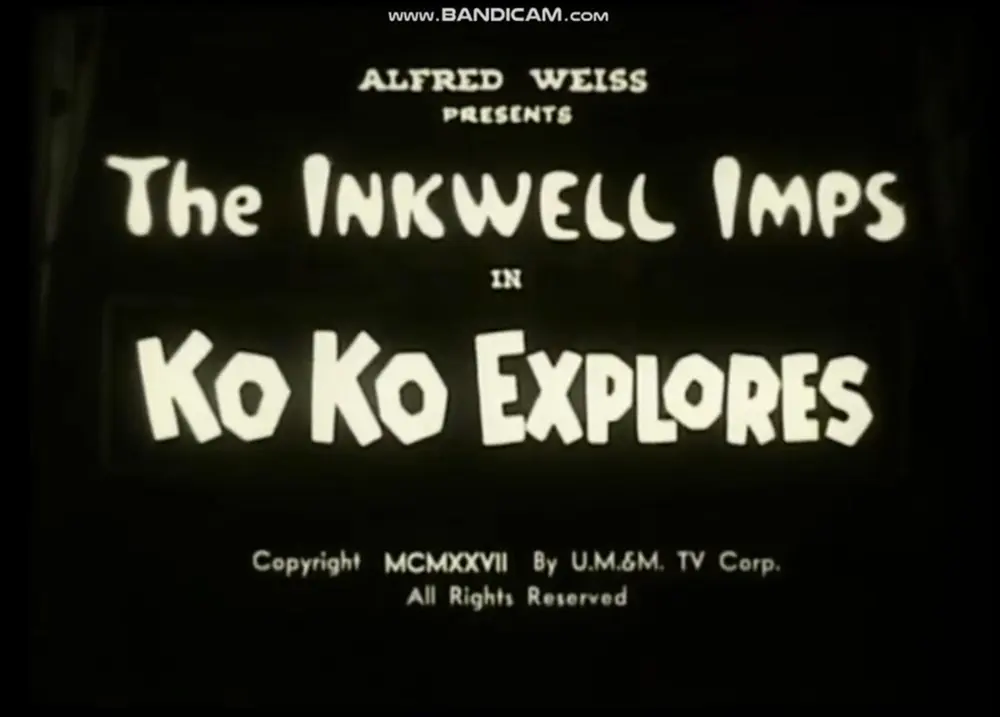
A definitive 6.5/10 rating for a film that redefined the boundaries of cult cinema. Ko-Ko Explores remains a cornerstone of transgressive art.
Is Ko-Ko Explores worth your time in the modern era of high-definition CGI? Short answer: yes, but only if you have the stomach for the jarring racial caricatures of the 1920s and a deep appreciation for the 'Out of the Inkwell' technical wizardry.
This film is for animation historians, surrealism junkies, and those who find beauty in the tactile, mechanical soul of silent cinema. It is emphatically NOT for those who want a comfortable, politically correct viewing experience or a coherent, linear narrative.
1) This film works because: The seamless integration of live-action footage with hand-drawn animation remains more physically convincing than many modern digital composites. The physical comedy of Max Fleischer’s headless body is a masterclass in body horror played for laughs.
2) This film fails because: It leans heavily on the 'cannibal' trope, utilizing offensive ethnic stereotypes that were common in 1925 but remain a massive barrier for contemporary audiences to overcome.
3) You should watch it if: You want to witness the literal birth of meta-fiction in animation, where the artist becomes a victim of his own ink.
Ko-Ko Explores is a testament to the Fleischer brothers' obsession with the rotoscope. While other studios were content with stiff, jerky movements, the Fleischers wanted life. When Max sits at that desk, he isn't just an actor; he is a participant in a dual reality. The way Ko-Ko moves—fluid, bouncy, and eerily human—is the result of hours of tracing live-action footage of Dave Fleischer in a clown suit. It creates a 'uncanny valley' effect that works perfectly for the film's surrealist tone.
The standout sequence involves Max’s headless torso. It is a sequence that feels more at home in a David Lynch film than a children's cartoon. The body fumbles for a pen, reaches for the inkwell, and moves with a blind, desperate energy. This isn't just a gag. It’s a profound commentary on the disconnect between the mind of the artist and the physical labor of creation. Max’s head is in the 'cartoon world' while his hands remain in the 'real world.' It works. But it’s flawed. The pacing in this sequence is frantic, bordering on the chaotic, yet it never loses its internal logic.
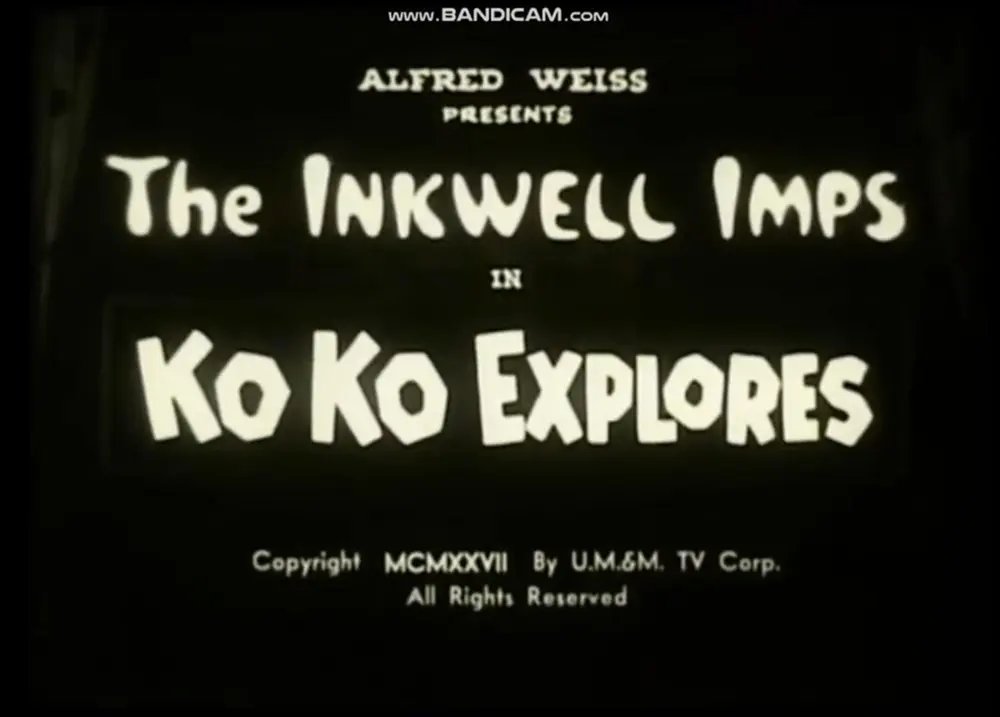
The transition from the flat drawing board to the three-dimensional globe is a stroke of genius. In 1925, the idea of characters 'entering' a physical object in the room was revolutionary. This isn't just a simple cut; Ko-Ko and Fitz actually appear to inhabit the space of the office before diving into the map. It reminds me of the experimentation seen in The Lost City, where geography is treated as a playground for the imagination.
Unlike the more grounded comedy of The Little Boy Scout, Ko-Ko Explores opts for a global scale. By jumping into the globe, the characters are literally exploring the world through the lens of a desk ornament. This meta-textual layer is what separates Fleischer from Disney. Disney wanted to create a world you could believe in; Fleischer wanted to remind you that the world was being drawn by a man in a necktie.
We have to address the elephant in the room: the cannibal headhunter. The character design is a collection of every negative stereotype available at the time. It is brutal, unnecessary, and ugly. However, as a critic, I find a strange, debatable irony here. The 'cannibal' is the only thing that can actually hurt the creator. In a way, the animator’s own narrow-minded tropes come back to literally haunt him. The creation decapitates the creator.
This level of subversion is something you don't see in Chickens or other lighter shorts of the era. There is a darkness in the Fleischer inkwell. The world of Ko-Ko is often a world of traps, tricks, and physical transformations. It’s less about 'magic' and more about 'mechanics.' The cannibal isn't just a villain; he is a malfunction in the creative machine.
Yes, Ko-Ko Explores is worth watching for anyone interested in the history of animation and surrealist film. It offers a unique blend of live-action and hand-drawn art that few modern films can replicate. The short is essential viewing for film historians but may be uncomfortable for those sensitive to 1920s racial stereotypes. It serves as a vital record of both technical brilliance and cultural failure.
Pros:
Cons:
Ko-Ko Explores is a fascinating, if deeply troubled, piece of cinema history. It showcases a level of creative bravery that we rarely see today. Max Fleischer was a better physical comedian than many of his live-action contemporaries, and his ability to interact with his own drawings remains a high-water mark for the medium. The film is a bridge between the stage magic of the 19th century and the digital effects of the 21st. While it is marred by the prejudices of its time, its technical soul is pure. It is a nightmare captured in ink. It is a masterpiece of the mechanical. It is essential, but you must watch it with your eyes wide open to its flaws.
IMDb 5.7
1919
Community
Log in to comment.