DbcultAccessing Vault...
7.2/10
Senior Film Conservator
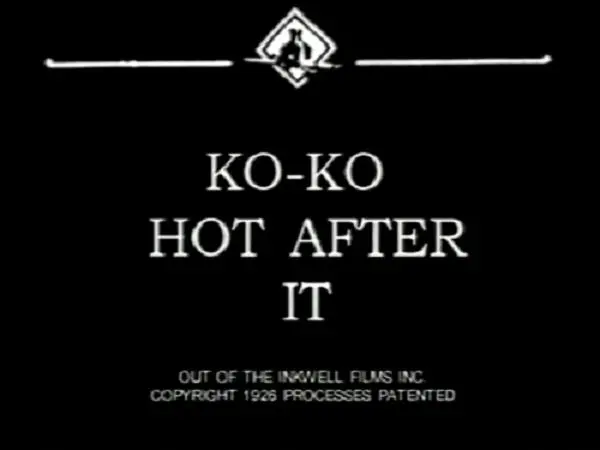
A definitive 7.2/10 rating for a film that redefined the boundaries of cult cinema. Ko-Ko Hot After It remains a cornerstone of transgressive art.
Is "Ko-Ko Hot After It" worth watching today? Short answer: yes, but with significant caveats for the modern viewer.
This early Fleischer Studios animation offers a fascinating glimpse into the nascent days of the medium, making it essential viewing for animation historians and enthusiasts, yet potentially a challenging watch for those accustomed to contemporary pacing and narrative sophistication.
This film works because: Its sheer kinetic energy and inventive animation techniques, particularly the revolutionary rotoscoping that brought Ko-Ko to life, remain captivating. It’s a masterclass in visual storytelling without dialogue, relying on physical comedy and exaggerated movement to convey narrative.
This film fails because: Its narrative simplicity, while charming for its era, can feel underdeveloped by today's standards. The episodic nature, common in early shorts, lacks the sophisticated character arcs or thematic depth expected from a feature-length experience.
You should watch it if: You have a keen interest in animation history, appreciate the foundational work of pioneers like Dave Fleischer, or enjoy exploring the raw, unfiltered creativity of early cinema. It’s also perfect for those seeking a brisk, visually distinct adventure, unburdened by modern filmmaking conventions.
"Ko-Ko Hot After It" stands as more than just an animated short; it's a historical artifact. Released during a period when the very language of animation was being invented, this film, like its contemporaries, laid down the visual grammar that would define decades of cartoons. Dave Fleischer, a name synonymous with innovation in early animation, guides us through a world where anything is possible, and the laws of physics are merely suggestions.
The film’s simple premise – Ko-Ko and Fitz hunting for buried treasure while fending off pirates – is a vehicle for visual experimentation. It’s not about the destination, but the journey, and more specifically, the ingenious ways Fleischer and his team visualize that journey. This era, much like the early newsreels such as Kino-pravda no. 8, was about capturing movement and novelty, pushing boundaries rather than perfecting narratives.
The character of Ko-Ko the Clown, born from the rotoscope technique, possesses an ethereal quality. His movements are fluid, almost rubbery, a stark contrast to the more rigid animation seen elsewhere at the time. This fluidity is the film’s greatest asset, allowing for a dynamic range of physical comedy and action that keeps the eye engaged, even when the plot itself is rudimentary.
Dave Fleischer’s direction in "Ko-Ko Hot After It" is a testament to the power of visual storytelling in a pre-sound era. Every frame is packed with action, a necessity when dialogue is absent. The pacing is relentless, a rapid succession of gags, chases, and confrontations that propel the short forward with an almost breathless energy. There’s no time for exposition; the story is told through Ko-Ko’s frantic movements and the pirates’ exaggerated menacing gestures.
Consider the sequence where Ko-Ko first encounters the pirates. Instead of a slow build-up, the threat is immediate, cartoonishly over-the-top, and yet effective within the film's whimsical logic. The pirates, rather than being truly terrifying, are more like boisterous, comically inept obstacles, a recurring motif in early adventure narratives, whether animated or live-action like The Devil's Cargo.
The cinematography, if one can apply that term to early animation, focuses on clarity and impact. Close-ups are used for emphasis on Ko-Ko's expressions (or lack thereof), while wider shots showcase the chaotic battles and the expansive, if simply drawn, environments. It’s a functional aesthetic, designed to maximize the visual punch of each animated beat.
The heart of Fleischer’s early work, and indeed "Ko-Ko Hot After It," lies in rotoscoping. This technique, where animators trace over live-action footage frame by frame, gave Ko-Ko an uncanny, lifelike movement that set him apart from contemporaries. It’s a fascinating blend of realism and caricature, an artistic choice that yields both strengths and peculiar weaknesses.
The strength is undeniable: Ko-Ko moves with a grace and fluidity that feels genuinely dynamic. When he runs, jumps, or dodges, there’s an organic quality to his motion that still impresses. However, the limitation is that it often anchors the character to human physics, sometimes clashing with the more surreal, "anything goes" aspects of cartoon logic. This creates an interesting tension, a push-pull between the grounded and the fantastical.
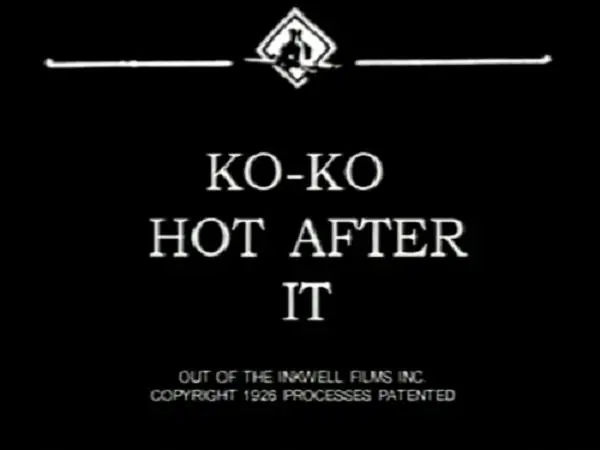
The visual gags are broad, relying on classic slapstick principles. Ko-Ko’s ability to stretch, squish, and reform is deployed with gusto, often at the expense of the pirates. This isn't groundbreaking humor by modern standards, but in its historical context, it was fresh and exciting, contributing to the foundational vocabulary of animated comedy.
With no dialogue to speak of, the character of Ko-Ko must convey everything through action and design. He is a whirlwind of energy, a mischievous trickster perpetually in motion. His wide, expressive eyes and constantly shifting form communicate a sense of playful determination. Fitz, his canine companion, provides a more grounded, if equally animated, presence, often serving as the slightly more sensible foil.
The pirates, while generic in design, serve their purpose effectively as antagonists. Their exaggerated villainy and clumsy attempts to thwart Ko-Ko provide ample opportunity for physical comedy. There’s a theatricality to their movements, a pantomime performance that transcends the lack of spoken words. It’s a testament to the early animators’ understanding of visual communication.
One unconventional observation: the pirates, despite being antagonists, feel less like a true threat and more like an extension of the chaotic, whimsical world Ko-Ko inhabits. They are just another obstacle in an elaborate playground, rather than genuine villains with sinister intent. This choice prioritizes fun over genuine peril, defining the film's lighthearted tone.
The pacing of "Ko-Ko Hot After It" is brisk, almost frenetic. From the moment the treasure hunt begins, the film rarely pauses for breath. This rapid-fire approach ensures constant engagement, a crucial element for silent shorts that needed to capture and hold audience attention without the aid of spoken dialogue or complex narrative threads. The film is essentially one long chase scene, punctuated by smaller, self-contained comedic bits.
The tone is overwhelmingly adventurous and lighthearted. Despite the presence of pirates and the concept of a dangerous treasure hunt, there's never a true sense of dread or high stakes. The humor is paramount, and any perceived danger is quickly resolved through Ko-Ko's ingenuity or sheer luck. It's pure escapism, a fantastical romp designed to delight rather than challenge the viewer.
This relentless energy, while a strength, can also be a weakness for modern viewers. Without moments of quiet reflection or character development, the film can feel like a continuous stream of events, lacking peaks and valleys. It works. But it’s flawed.
Yes, "Ko-Ko Hot After It" is absolutely worth watching, particularly for specific audiences. It is an indispensable piece of animation history.
It showcases the pioneering work of Dave Fleischer and the early use of rotoscoping. For students of film and animation, it provides valuable insight into the medium's development.
However, it is not for everyone. Casual viewers seeking modern narrative depth or sophisticated humor may find its simplicity challenging. This film is best appreciated through a historical lens.
A balanced look at what "Ko-Ko Hot After It" achieves and where it falls short.
"Ko-Ko Hot After It" is undeniably a product of its time, a raw and energetic burst of creativity from animation's formative years. It's a film that demands to be viewed through a specific lens – one that appreciates the sheer effort and ingenuity involved in pioneering a new art form. The sheer visual inventiveness of Fleischer's early work, even in its crudest form, arguably outshines the narrative sophistication of many of its contemporaries, a bold claim given the live-action storytelling advancements of the era, such as those seen in Such a Little Queen or A Thousand to One.
While its narrative is thin and its humor occasionally dated, the film's historical significance and its vibrant, kinetic animation are compelling reasons to seek it out. It's a foundational text, a testament to the fact that even with the simplest of plots – two characters, pirates, and treasure – the medium of animation could conjure worlds of boundless imagination. The "anything goes" logic of early animation, exemplified here, is a superior form of pure escapism compared to the more constrained, narrative-driven animation that followed, which often sacrificed wild imagination for relatable plot points. It’s a vital, if brief, adventure.
"Ko-Ko Hot After It" isn't just a cartoon; it's a living fossil of cinematic innovation, a vibrant splash of ink and motion that reminds us of where it all began. Essential viewing for the curious, a delightful curiosity for all others.

IMDb 5.9
1933
Community
Log in to comment.