A definitive 7.1/10 rating for a film that redefined the boundaries of cult cinema. Ko-Ko's Quest remains a cornerstone of transgressive art.
Is Ko-Ko's Quest worth your time today? Short answer: Yes, but only if you approach it as a piece of living history rather than a traditional narrative experience.
This film is for animation purists, fans of early 20th-century surrealism, and those who enjoy the 'meta' commentary of a creator interacting with their creation. It is definitely NOT for viewers who require high-stakes plotting, modern pacing, or a clear moral lesson.
1) This film works because it treats the screen as a physical playground where ink has weight and the animator is a tangible, often malicious, deity.
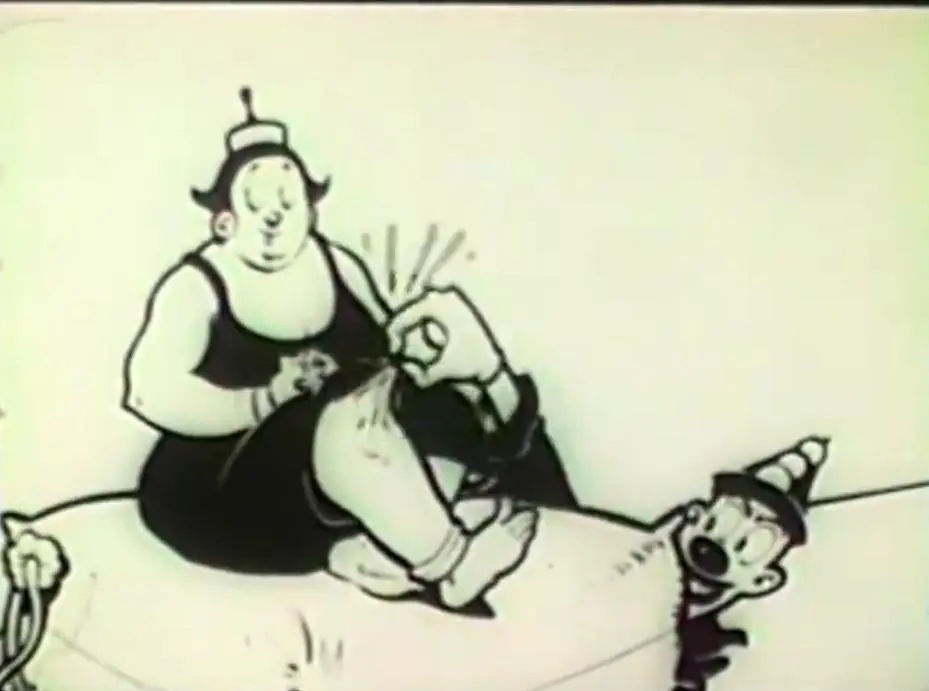
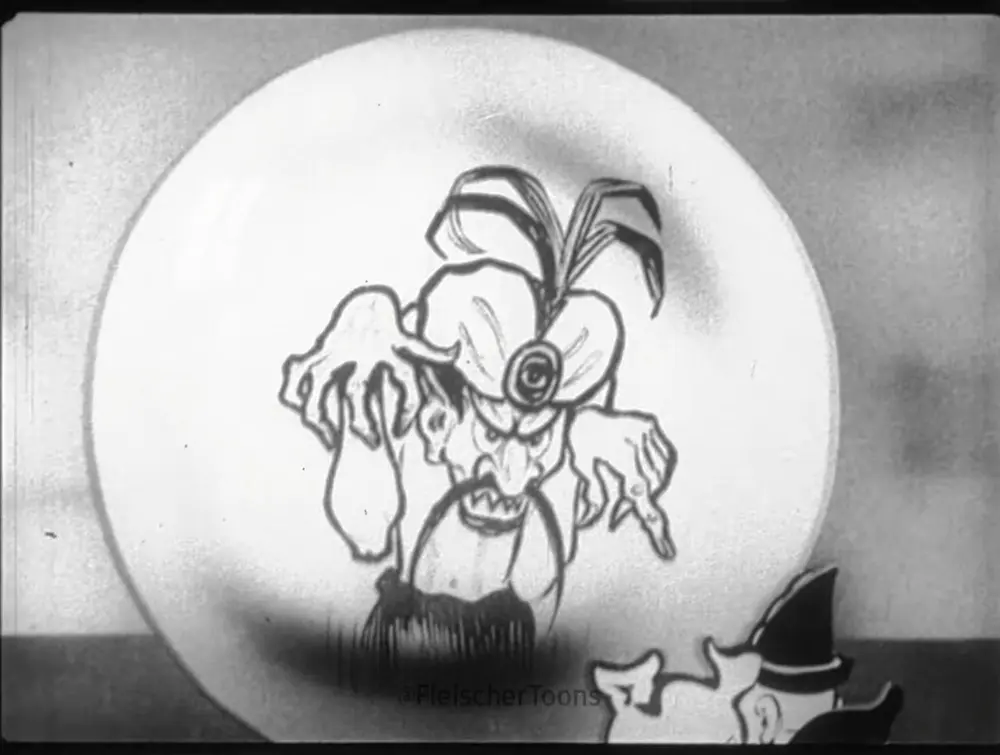
Scene from Ko-Ko's Quest
Cinematic perspective: Exploring the visual vocabulary of Ko-Ko's Quest (1927) through its definitive frames.
2) This film fails because its 'quest' is largely aimless, serving as a series of disconnected gags that lack the narrative drive found in later Fleischer works.
3) You should watch it if you want to see the exact moment animation stopped trying to mimic reality and started trying to deconstruct it.
Is this film worth watching?
In a word: absolutely. But there is a caveat. If you go into Ko-Ko's Quest expecting a story about a hero's journey, you will be disappointed. The 'quest' in the title is almost a red herring. The real story here is the tension between the animator's hand and the clown's survival instincts. It is a fascinating look at the birth of a medium.
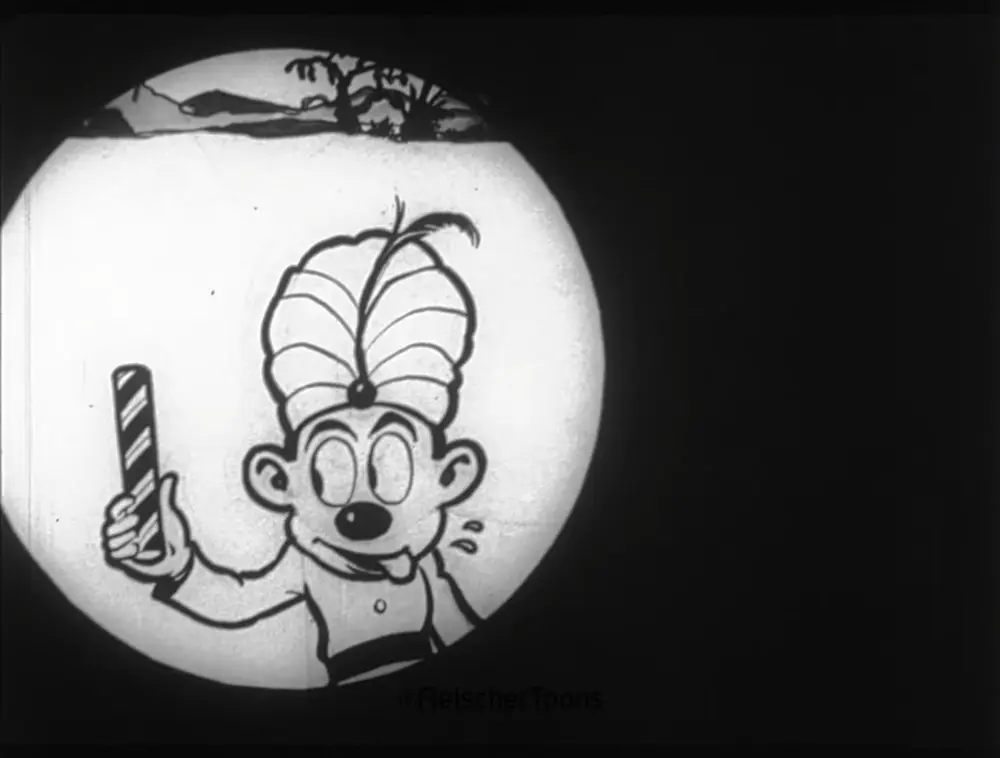
Scene from Ko-Ko's Quest
Cinematic perspective: Exploring the visual vocabulary of Ko-Ko's Quest (1927) through its definitive frames.
The film remains a vital watch because it preserves the raw energy of invention. You can almost feel the Fleischers figuring out the rules of the genre as they go. Unlike The Little Boy Scout, which follows a more traditional gag-per-minute structure, Ko-Ko's Quest is more interested in the texture of the animation itself.
The God Complex: Animator vs. Creation
The central conflict of Ko-Ko's Quest isn't between Ko-Ko and a dragon or a villain; it is between the clown and the pen. Dave Fleischer appears in live-action segments, and his hand becomes the primary antagonist. This creates a fascinating dynamic. The animator isn't just a creator; he is a tormentor. He draws a mountain just to see if Ko-Ko can climb it, then erases the path just as the clown reaches the summit.
One specific moment that stands out is when the pen nib actually pokes Ko-Ko. The reaction of the clown—a mix of surprise and genuine irritation—is a masterclass in character animation. It gives Ko-Ko a level of autonomy that was rare for 1924. He isn't just a puppet; he's a soul trapped in a two-dimensional plane. This existential dread is what separates the Fleischer brothers from their contemporaries.
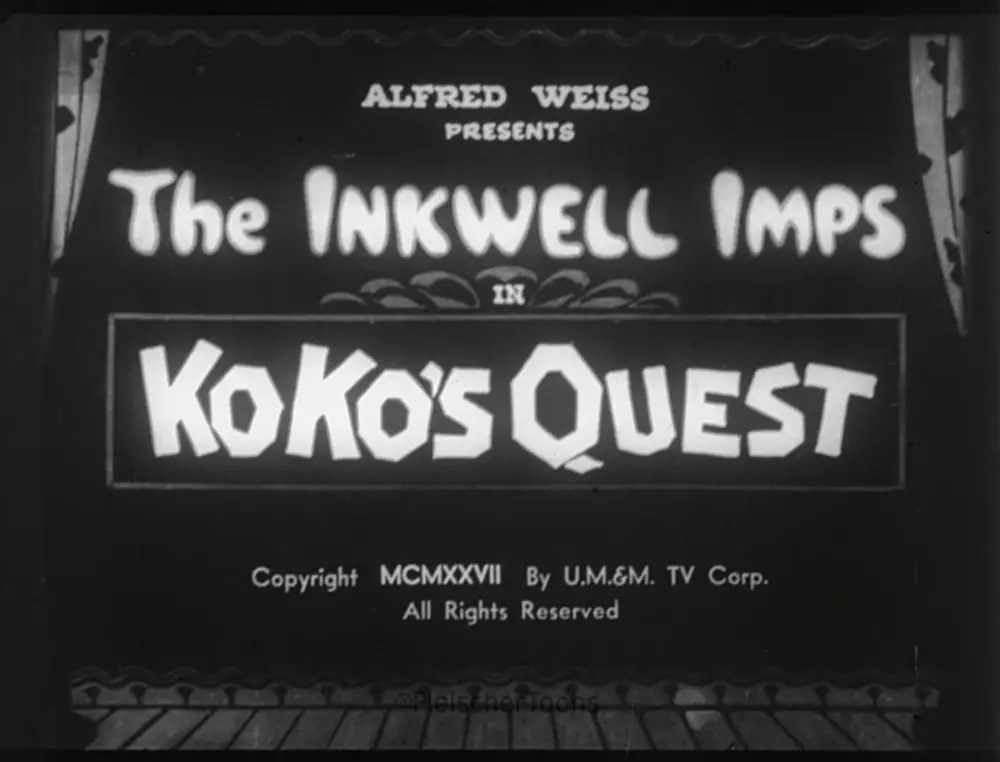
Scene from Ko-Ko's Quest
Cinematic perspective: Exploring the visual vocabulary of Ko-Ko's Quest (1927) through its definitive frames.
Compare this to the more straightforward slapstick found in Chickens. While that film relies on situational comedy, Ko-Ko's Quest relies on the physics of the medium. It is an intellectual kind of humor. It works. But it’s flawed. The lack of a clear objective for Ko-Ko makes some of the middle sequences feel like they are treading water.
Technical Wizardry: Rotoscoping Before the Digital Age
We cannot talk about this film without mentioning rotoscoping. Max Fleischer invented the process, and Ko-Ko's Quest is one of the best early examples of its power. By tracing over live-action footage of Dave Fleischer in a clown suit, the animators achieved a level of fluid, human-like movement that was decades ahead of its time. When Ko-Ko walks, he doesn't just 'bounce' like a rubber-hose character; he has weight, balance, and momentum.
This fluidity creates a strange 'uncanny valley' effect for 1924. The clown moves too realistically for a drawing, which only adds to the surreal, dreamlike quality of the film. In one scene, Ko-Ko has to navigate a series of shifting geometric shapes. The way his body adjusts to the changing terrain is technically staggering. It makes the static backgrounds of films like The Big Adventure look primitive by comparison.
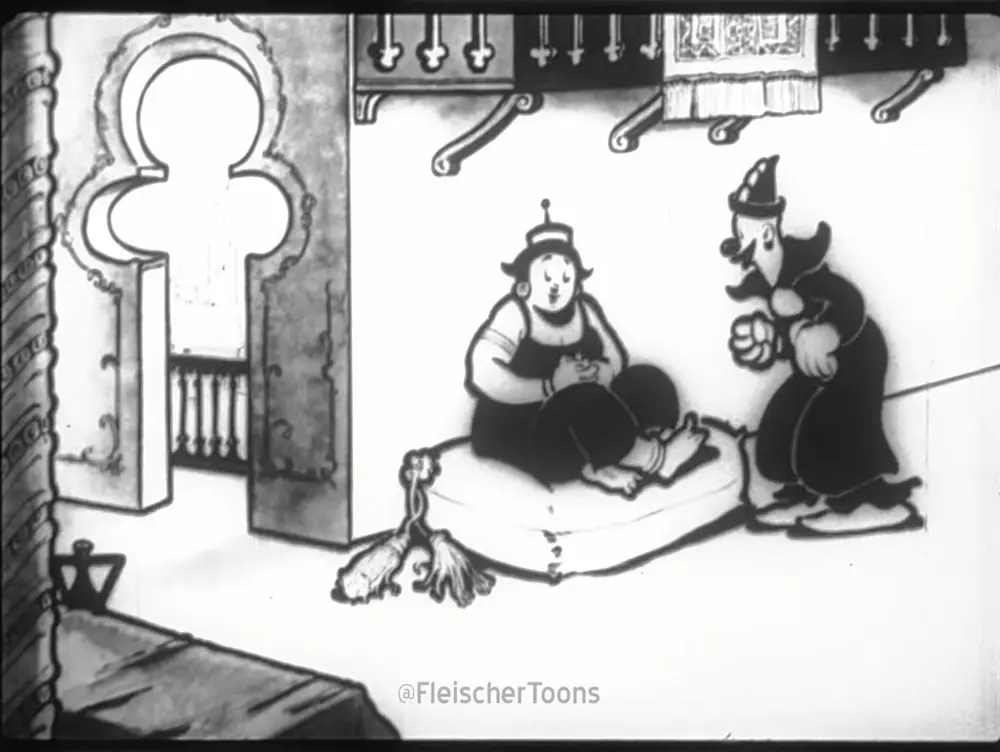
Scene from Ko-Ko's Quest
Cinematic perspective: Exploring the visual vocabulary of Ko-Ko's Quest (1927) through its definitive frames.
However, the technical brilliance sometimes overshadows the entertainment value. There are moments where the film feels like a tech demo. The Fleischers are so proud of the movement that they let scenes linger for five or ten seconds too long. For a modern viewer, this pacing can feel glacial. You have to adjust your internal clock to the 1920s to truly appreciate it.
A Landscape of Ink and Void
The cinematography—if you can call it that in animation—is stark. The film uses a lot of 'white space.' Ko-Ko is often alone on a blank page. This isn't just a budget-saving measure; it's a stylistic choice. It emphasizes his isolation and his dependence on the animator. When the inkwell spills, it isn't just a mess; it's a catastrophic event that reshapes the world.
There is a sequence where the ink begins to form into creatures that Ko-Ko must fight off. The transformation is seamless. A puddle becomes a dog, which becomes a man, which becomes a wall. This fluid metamorphosis is the hallmark of the Fleischer style. It’s more visually inventive than the literalism found in The Lost City. In that film, a wall is a wall. In Ko-Ko's world, a wall is just a temporary suggestion made by a pen.
Scene from Ko-Ko's Quest
Cinematic perspective: Exploring the visual vocabulary of Ko-Ko's Quest (1927) through its definitive frames.
Key Takeaways
Best for: Animation students and those interested in the history of visual effects.
Not for: People who find silent-era pacing frustrating or repetitive.
Standout element: The seamless interaction between Dave Fleischer's real hand and the animated clown.
Biggest flaw: The lack of a satisfying narrative conclusion; it just sort of ends.
Pros and Cons
Pros:
Groundbreaking use of rotoscoping that still looks fluid today.
A unique, surreal tone that modern animation rarely attempts.
Excellent physical comedy from the 'live' Dave Fleischer.
Short runtime makes it an easy historical watch.
Cons:
The 'quest' plot is thin and eventually abandoned.
Some gags feel recycled from earlier 'Out of the Inkwell' shorts.
The soundtrack (in modern restorations) can be hit-or-miss.
Verdict
Ko-Ko's Quest is a fascinating anomaly. It is a film that is more interested in the 'how' than the 'what.' It doesn't care about the destination of the quest; it cares about the ink on the page. While it lacks the narrative complexity of something like Nathan der Weise, it offers a visual language that is entirely its own.
The film is a testament to the power of imagination. In an era before computers, the Fleischers were creating interactive meta-narratives that still feel fresh. It’s not a masterpiece of storytelling, but it is a masterpiece of technique. It works as a window into the past and a blueprint for the future of animation. If you have ten minutes, spend them with Ko-Ko. You won't find a more charmingly frustrated clown in all of cinema.