DbcultAccessing Vault...
6.1/10
Senior Film Conservator
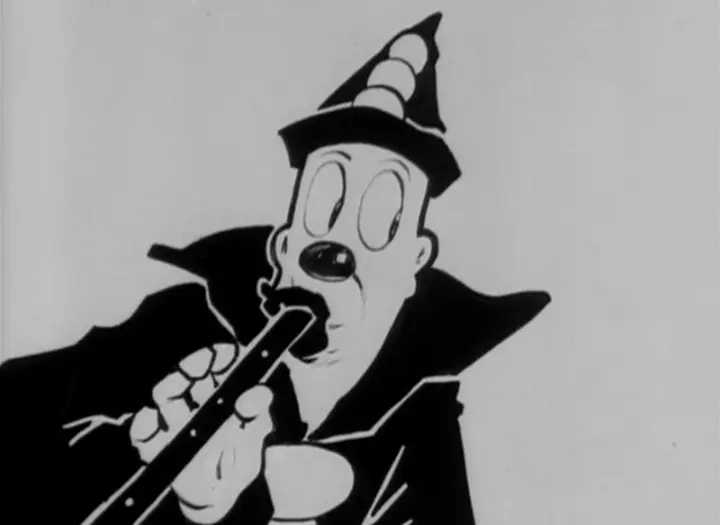
A definitive 6.1/10 rating for a film that redefined the boundaries of cult cinema. Koko Trains 'Em remains a cornerstone of transgressive art.
Max Fleischer's Koko Trains 'Em is a delightful blend of visual comedy and slapstick humor that captures the essence of early 20th-century entertainment. The film, a product of Fleischer Studios, is a testament to the ingenuity and creativity of its time, featuring a well-crafted narrative that plays out in a circus setting, a venue known for its balloons, acrobats, and, of course, trained animals.
The plot revolves around Max, a character whose fascination with a cute puppy inspires him to create a grand spectacle. He presents Ko-Ko with a trained dog to perform at the circus, showcasing an array of impressive tricks that are both impressive and well-executed. The dog's antics are a marvel of precision and flair, as it leaps through hoops, plays the xylophone, and even does a synchronized swim with a trained seal. Each trick is meticulously planned and executed, highlighting the technical prowess of the production team.
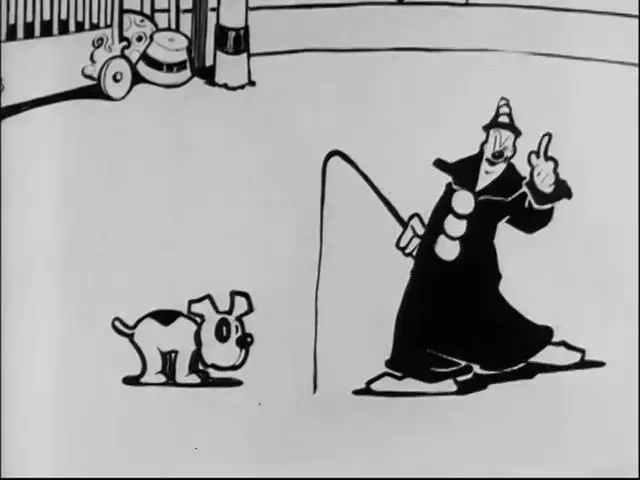
However, as the film progresses, the narrative takes a turn for the chaotic. When Ko-Ko's trained fleas are let loose into the audience, the audience's reactions range from bewilderment to outright panic. The fleas, which were previously trained to perform a specific sequence, now run amok, causing a series of comedic mishaps. A man in the front row is nearly attacked by the fleas, while a woman is sprayed with a mock firework, leading to a moment of unexpected hilarity. The chaos spills over into the ring, where the trained dog and seal are forced to navigate a sea of flitting fleas, resulting in a series of slapstick scenes that are both thrilling and entertaining.
The visual storytelling in Koko Trains 'Em is a masterclass in the art of comedy. Fleischer's use of color and movement is particularly noteworthy. The black-and-white format is enhanced by the use of vibrant colors in the costumes and sets, creating a stark contrast that draws the viewer's attention to the action. The camera work is fluid and dynamic, capturing the action from multiple angles to ensure that the audience is always engaged. The editing is sharp, with quick cuts that heighten the sense of chaos and confusion as the fleas run rampant.
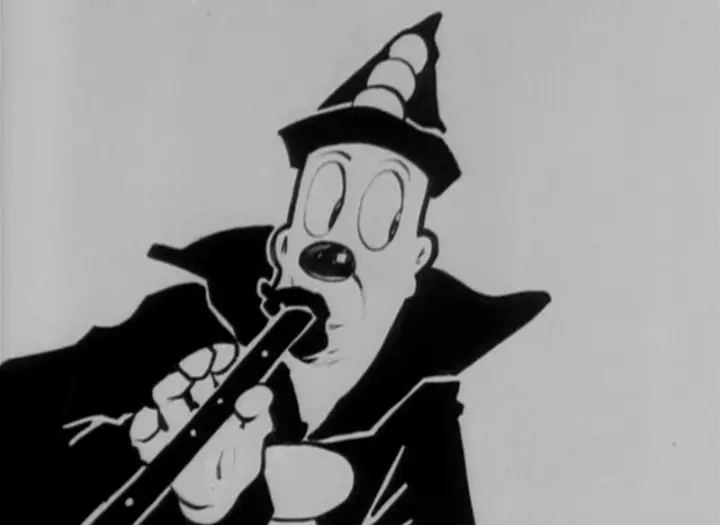
The characters in Koko Trains 'Em are a mix of human and animal, each with their own distinct personalities. Ko-Ko, the main character, is a lovable and somewhat naive figure who is often at the center of the chaos. His reactions to the unfolding events are both endearing and hilarious, providing a running commentary on the absurdity of the situation. The trained dog, with its precise and well-timed movements, is a marvel of animation, showcasing the technical capabilities of the studio. The fleas, while small, are a major force of disruption, their movements capturing the attention of the audience and creating moments of unexpected humor.
In comparison to other films of the era, Koko Trains 'Em stands out for its innovative use of animation and its ability to seamlessly blend live-action with animation. While films like West Meets East and Young Ideas offered a glimpse into the rapid evolution of cinema, Koko Trains 'Em represents a pinnacle of early animation techniques. The film's use of color and the fluidity of the animation are reminiscent of Fantomas: The Mysterious Finger Print, but with a distinctly comedic edge.
Overall, Koko Trains 'Em is a must-see for any fan of classic animation and slapstick comedy. Its blend of visual thrills and comedic timing makes it a timeless classic that continues to entertain and amuse audiences. While the film may not have the same cultural significance as later works like Strike or The Duck Hunter, it remains a delightful and entertaining watch, a true gem of early animation.
IMDb —
1926
Community
Log in to comment.