DbcultAccessing Vault...
Cult Review
Senior Film Conservator
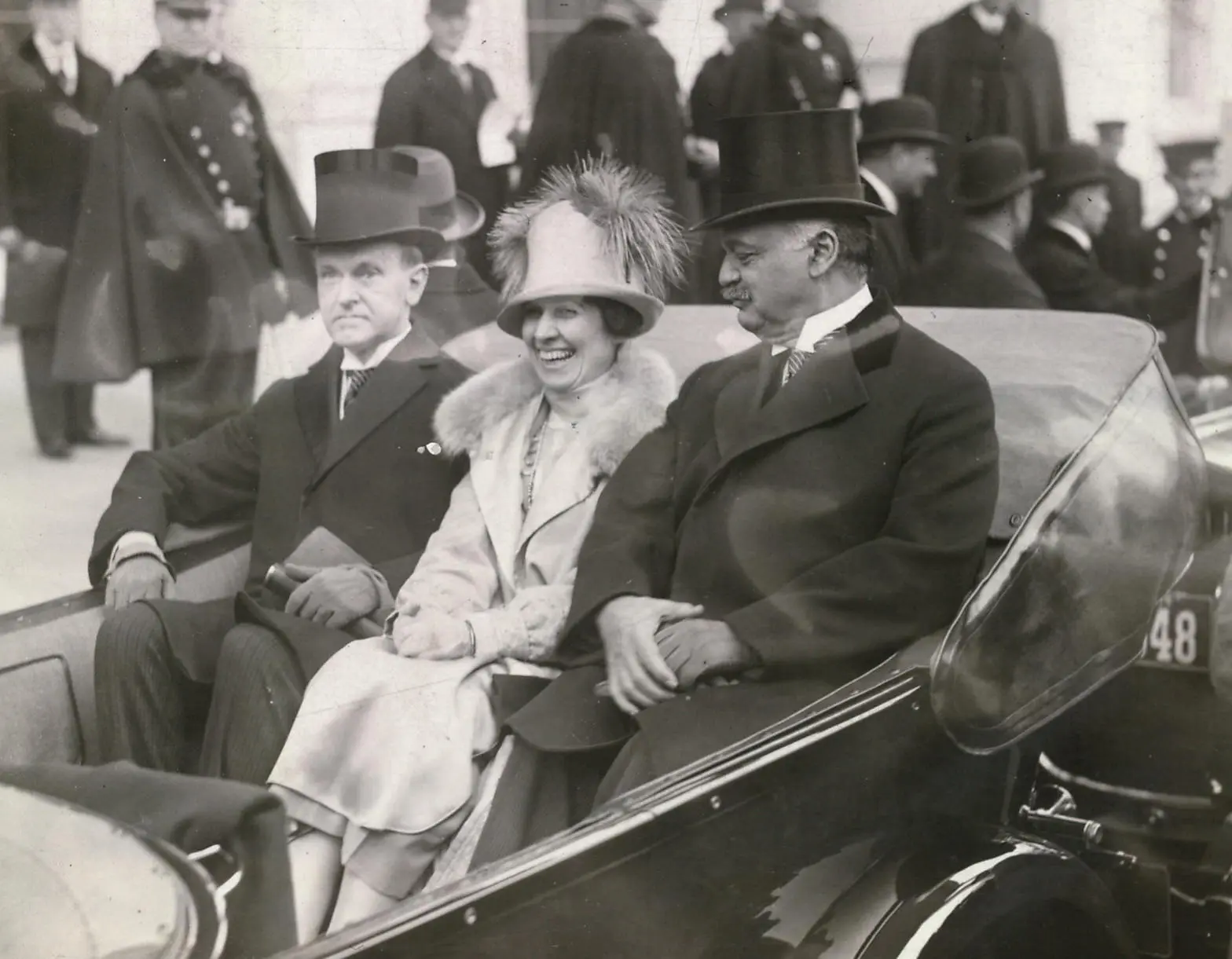
Is 'President Coolidge's Inauguration' worth watching today? Short answer: yes, absolutely, for those fascinated by the raw footage of early 20th-century American political theatre and the nascent art of documentary filmmaking. This film is an essential watch for historians, political science enthusiasts, and anyone curious about the visual records of a bygone era. It is decidedly not for viewers seeking conventional narrative, dramatic performances, or modern cinematic flair.
At its core, this footage from 1925 is more than a historical artifact; it is a profound testament to the power of the moving image to capture and preserve moments of national significance. While it lacks the intricate plots of contemporary feature films like The Golem or the dramatic tension of a mystery such as The Mysterious Stranger, its value is immeasurable in its straightforward presentation of reality.
This film works because it provides an unadulterated, direct portal to a specific historical event, offering invaluable insight into the visual culture and societal norms of 1925 America. It fails because its inherent nature as a newsreel means it lacks a traditional narrative arc, character development, or deliberate cinematic artistry that modern audiences typically expect from a 'film.' You should watch it if your primary interest lies in historical documentation, the evolution of visual media, or understanding the public persona of a pivotal American president from a unique, period-specific perspective.
To approach "President Coolidge's Inauguration" critically, one must first shed contemporary expectations of cinema. This is not a meticulously crafted drama or a fast-paced thriller. Instead, it occupies a unique space within the cinematic landscape of 1925, a year that also saw the release of narrative features like Time Locks and Diamonds and The Dancer of the Nile. While those films aimed to transport audiences into fictional worlds, Coolidge's inauguration sought to ground them firmly in their own reality, albeit a mediated one.
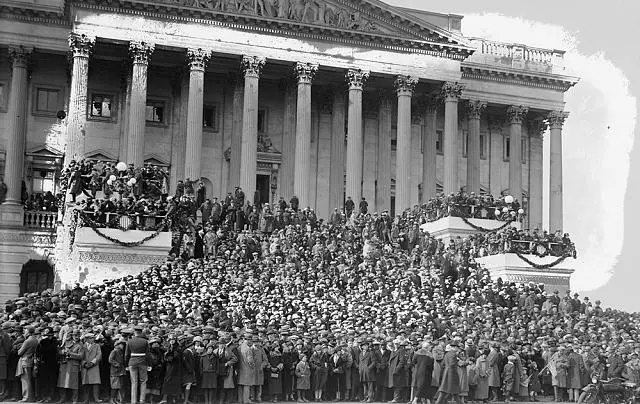
The film serves as a crucial historical document, capturing a moment when the United States was navigating the tumultuous waters of the Roaring Twenties – a period of immense economic prosperity, social change, and political conservatism. Calvin Coolidge, having ascended to the presidency after Warren G. Harding's death, was now being formally elected in his own right. This footage, therefore, isn't just about a man; it's about an era, a nation, and the very fabric of its democratic processes.
What makes this 'film' compelling is its raw honesty. There are no dramatic re-enactments, no clever cuts to heighten tension, and certainly no sound to guide the viewer's emotional response. The audience is left to interpret the solemnity, the patriotism, and the weight of the occasion through visual cues alone. It’s an exercise in visual anthropology as much as it is a cinematic experience.
The silent era, often romanticized for its grand narratives and iconic stars, also played host to a vibrant, essential tradition of newsreels and documentary shorts. "President Coolidge's Inauguration" falls squarely into this category, offering a direct lineage to modern broadcast news, albeit in its most nascent form. It reminds us that film's purpose extends far beyond mere entertainment; it's a powerful tool for historical record-keeping.
While there are no credited directors or writers for this type of archival footage, one can still critically analyze the 'direction' through the choices made in capturing the event. The 'director,' in this context, was likely a team of camera operators and editors tasked with documenting the proceedings comprehensively and respectfully. Their goal was not artistic expression in the modern sense, but rather factual representation.
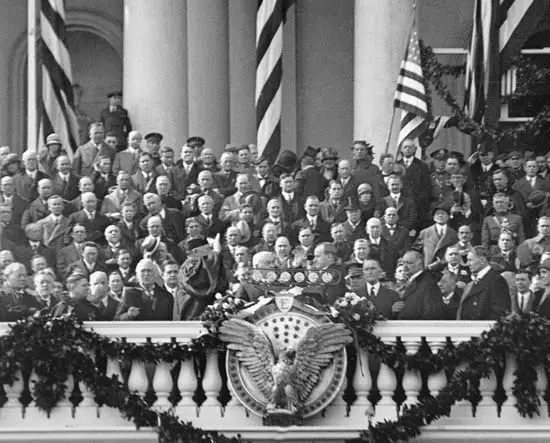
The 'direction' is characterized by its adherence to formality and protocol. Cameras are positioned to give clear, unobstructed views of the key figures and moments: Coolidge taking the oath, the Chief Justice administering it, the assembled dignitaries. There’s a deliberate, almost reverential distance maintained, emphasizing the grandeur of the institution over the individual.
One notable aspect is the lack of intrusive close-ups. Unlike modern political coverage that dissects every facial twitch, this film presents its subjects largely in medium or wide shots. This choice, whether born of technical limitations or a conscious decision to maintain decorum, imbues the footage with a sense of stately observation, allowing the viewer to take in the full scope of the event rather than focusing on isolated expressions.
The 'editing,' if one can call it that, is functional. It moves from one significant moment or vantage point to the next, ensuring continuity and coverage. There’s no kinetic montage or experimental cutting; the rhythm is dictated by the actual pace of the inauguration itself. This makes the 'film' feel less like a constructed narrative and more like a direct observation, a fly on the wall in a moment of national importance. It works. But it’s flawed.
The very absence of overt artistic manipulation in "President Coolidge's Inauguration" is, paradoxically, its greatest artistic triumph. It forces us to confront history not as a dramatized spectacle, but as it unfolded, with all its inherent gravitas and unadorned reality. This is a debatable opinion, as some might argue that all framing is manipulation. But here, the manipulation is minimal, almost accidental.
The cinematography of "President Coolidge's Inauguration" is a fascinating study in early 20th-century technical limitations and burgeoning possibilities. Shot on black and white film stock, the images possess a distinct texture – often grainy, sometimes slightly overexposed in the bright Washington D.C. sun, but always imbued with an undeniable authenticity.
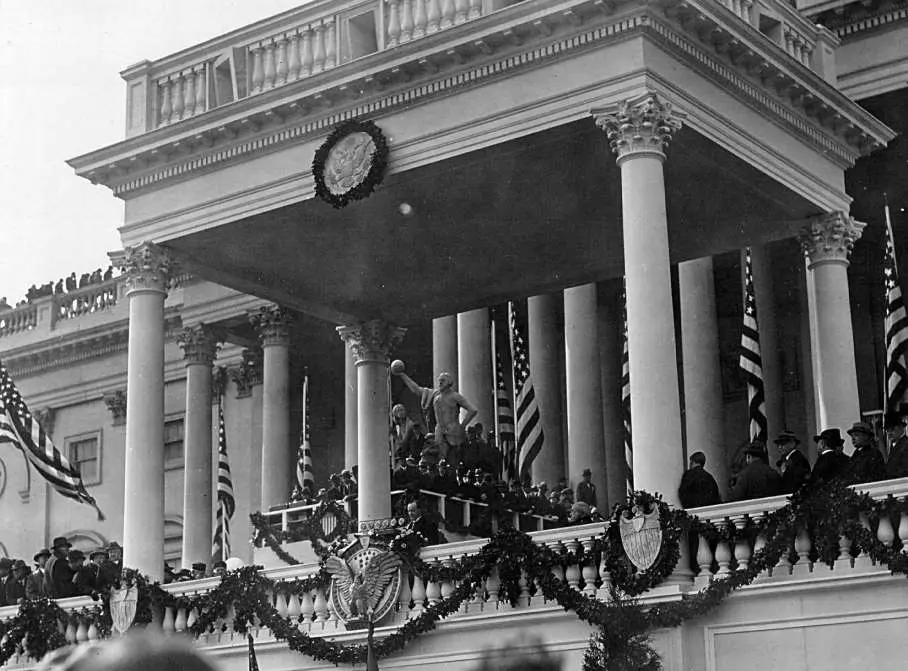
Camera movement is minimal, if present at all. Most shots are static, fixed perspectives that carefully frame the action. This isn't due to a lack of imagination, but rather the cumbersome nature of the cameras of the era and the practicalities of documenting a live, formal event. The result is a series of almost photographic compositions that capture the scale and formality of the occasion with striking clarity for its time.
The lighting is natural, relying entirely on the ambient daylight. This contributes to the film’s raw, unfiltered aesthetic, showcasing the event as it appeared to the naked eye, rather than under the controlled conditions of a studio set. The stark contrast of light and shadow, particularly on the architectural elements of the Capitol, adds an unintended depth and solemnity to the visuals.
The archival value of this footage cannot be overstated. It provides historians and scholars with primary visual evidence of a significant political transition. Beyond the central figures, it offers glimpses of the crowds, the fashion of the era, the vehicles, and the general atmosphere of Washington D.C. in 1925. This incidental detail makes it a rich resource for understanding the broader cultural context of the time, much like how one might analyze the background details in a film like Mania. Die Geschichte einer Zigarettenarbeiterin for social commentary, albeit in a non-fictional setting.
The pacing of "President Coolidge's Inauguration" is dictated entirely by the real-time unfolding of the ceremony itself. It is, by modern standards, slow and deliberate. There are no quick cuts, no sudden shifts in perspective designed to maintain a viewer's fleeting attention. Instead, the film invites a meditative observation, allowing each moment to breathe and sink in.
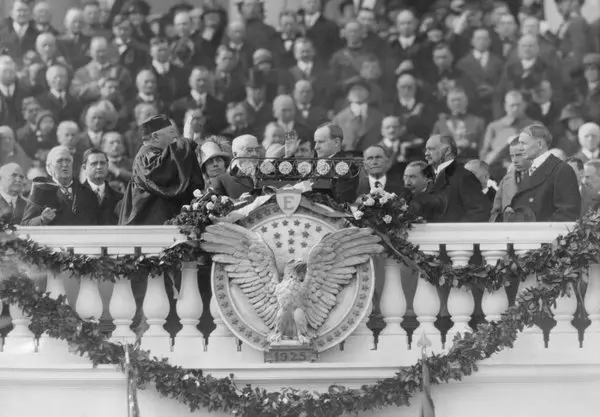
This unhurried rhythm mirrors the formal, ritualistic nature of the inauguration. It reflects an era where public spectacles were consumed differently, without the constant barrage of stimuli that defines contemporary media. Viewers of 1925 would likely have approached such footage with a sense of civic duty and historical curiosity, rather than a demand for rapid entertainment.
The tone is overwhelmingly one of solemnity, gravitas, and national pride. The silent film medium, paradoxically, enhances this. Without a soundtrack or spoken words, the visual cues – the serious expressions of the dignitaries, the respectful stillness of the crowd, the grandeur of the Capitol building – carry the full weight of the occasion. It’s a powerful demonstration of visual storytelling in its purest form, conveying emotion and significance through image alone.
There's an almost sacred quality to the silence, allowing the viewer to project their own understanding and reverence onto the events. This allows for a deeper, more personal engagement with history, making the experience surprisingly immersive for those willing to lean into its unique cadence. It's an unconventional observation, but the silence makes the spectacle louder.
Yes, absolutely, but with specific caveats. "President Coolidge's Inauguration" is not a film to be enjoyed in the traditional sense of entertainment. It offers no thrilling plot, no captivating characters, and no dramatic tension. Instead, its value is primarily historical and academic.
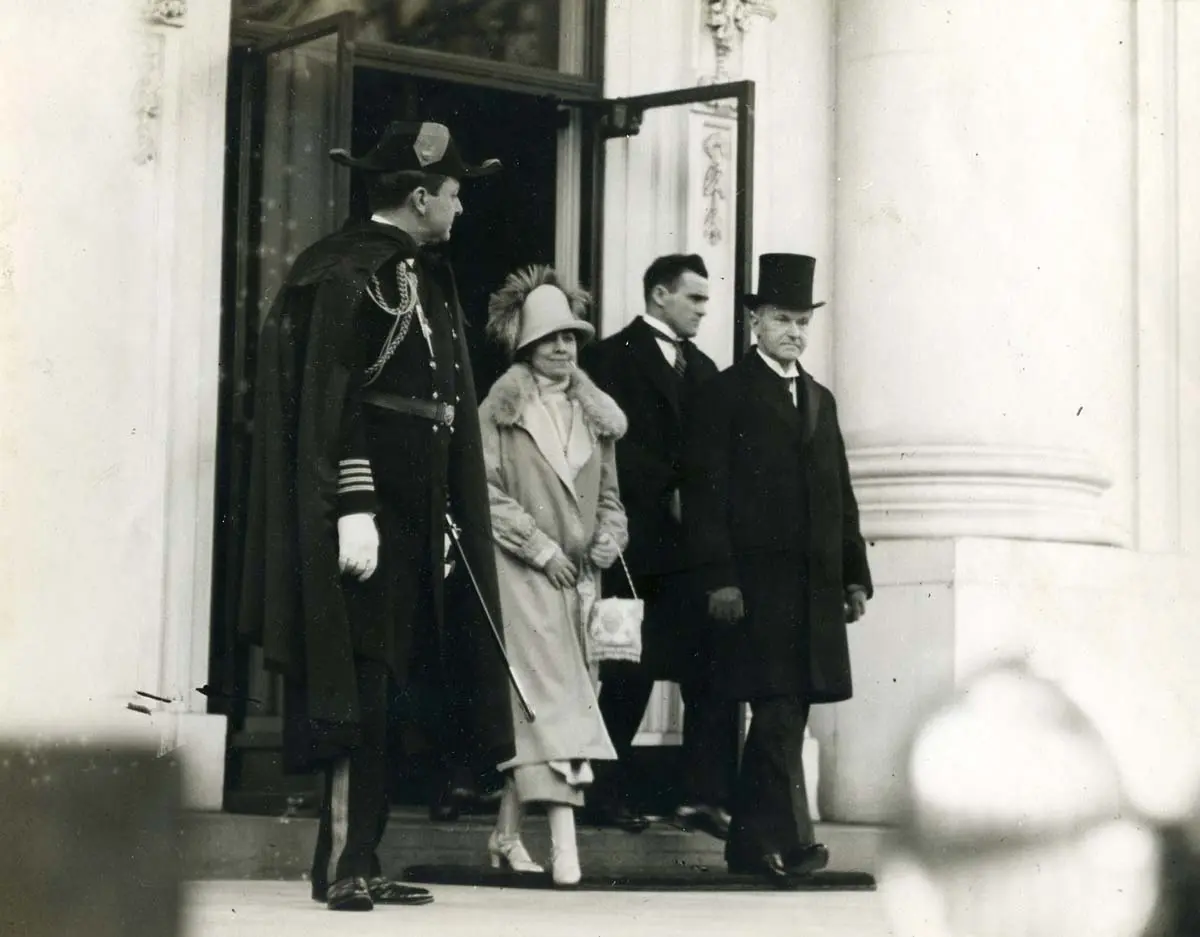
For anyone with an interest in American history, political science, or the evolution of media, this footage is an invaluable resource. It provides a direct, unfiltered glimpse into a significant moment and the visual culture of a bygone era. It's a testament to film's power as a historical archive.
This film is best approached as a historical document, a primary source that allows us to witness history rather than merely read about it. Its slow pace and lack of sound demand patience, but for those willing to engage on its terms, the rewards are substantial.
It serves as a powerful reminder of how far cinematic technology has come, but also of the enduring power of simple, unvarnished documentation. It's a foundational piece in the history of documentary filmmaking, showing us where it all began.
"President Coolidge's Inauguration" is not a film in the blockbuster sense, nor does it aim to be. It is, however, an indispensable piece of cinematic history, a time capsule preserved on celluloid. While it demands a specific kind of engagement – patience, historical curiosity, and an appreciation for the unvarnished truth – the rewards are profound. It offers a tangible, visual link to a past era, allowing us to bear witness to a moment that shaped a nation. It's a film that speaks volumes through its silence, a testament to the enduring power of the moving image to document, to inform, and to connect us across generations.
Do not approach this expecting the dramatic flair of The Power God or the social commentary of Cut It Out: A Day in the Life of a Censor. Instead, view it as an essential, perhaps even sacred, document. Its value lies not in its cinematic polish, but in its unwavering commitment to presenting reality as it was. For those who understand its unique purpose, it is more than worth the watch.
IMDb 2.9
1936
Community
Log in to comment.