DbcultAccessing Vault...
6.1/10
Senior Film Conservator
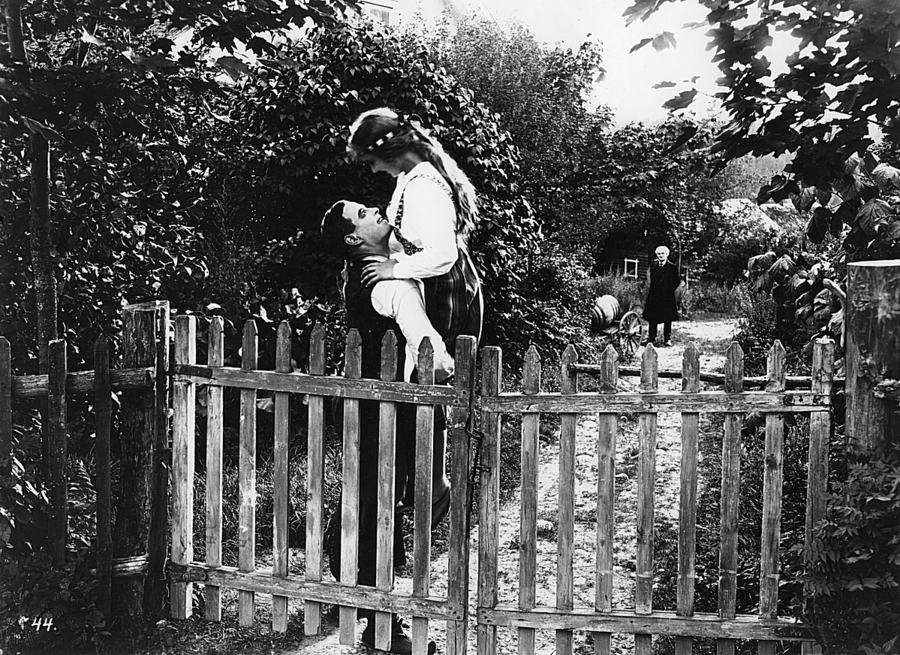
A definitive 6.1/10 rating for a film that redefined the boundaries of cult cinema. Koskenlaskijan morsian remains a cornerstone of transgressive art.
Stepping into the world of early Finnish cinema is akin to unearthing a forgotten treasure, and Erkki Karu's 1923 masterpiece, Koskenlaskijan morsian (The Rapids Shooter's Bride), is precisely that – a lustrous gem reflecting the soul of a nation on the cusp of modernity. This isn't just a film; it's a historical artifact, a vibrant tableau of a bygone era, rendered with an artistry that transcends its silent medium. To truly appreciate its depth, one must peel back the layers of time, understanding the cultural milieu from which it emerged, a Finland still defining its identity post-independence, grappling with the romanticism of its vast, untamed wilderness and the inexorable march of industrial progress.
At its core, Koskenlaskijan morsian is a sweeping romantic drama, yet it possesses an epic scale that belies its simple premise. The story, adapted from Väinö Kataja's novel by Karu himself, plunges us into the rugged lives of those who tame the wild rivers for their livelihood. Joel Rinne, in an early but impactful role, embodies Olli, the titular 'rapids shooter.' Rinne, even in this nascent stage of his illustrious career, projects an undeniable charisma, a raw, masculine grace that perfectly suits his character's dangerous profession. His Olli is not merely a strongman; he's a man deeply connected to the land, almost an extension of the powerful currents he navigates. His movements are fluid, his gaze resolute, conveying a silent strength that anchors the entire film.
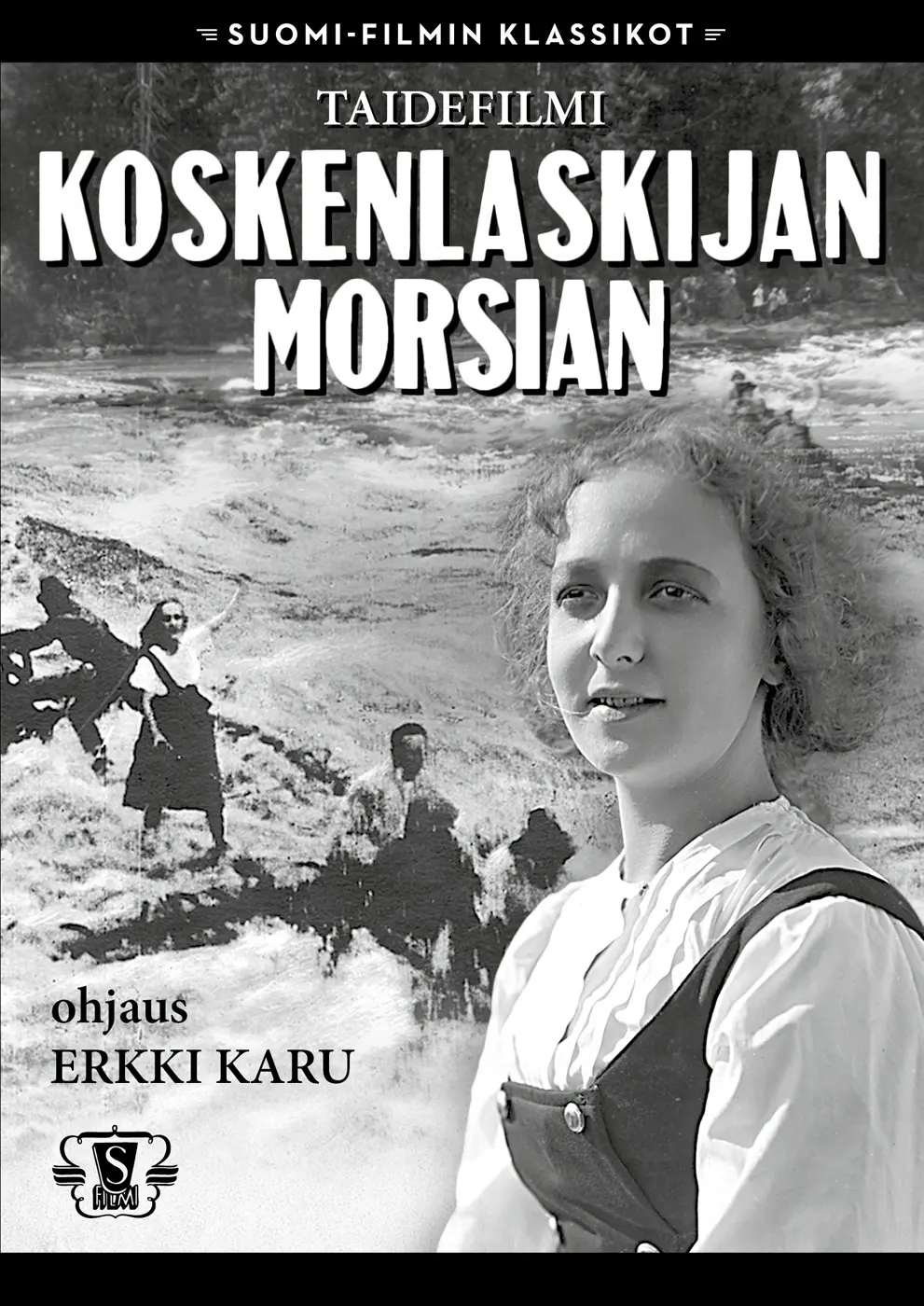
Opposite Rinne is Eva Luttinen as Marja, the spirited and beautiful daughter of a local mill owner. Luttinen brings a delicate yet resilient presence to the screen, her expressive eyes and subtle gestures communicating a world of emotion without uttering a single word. Her portrayal of Marja is not that of a passive damsel but a woman of agency, deeply entwined with her family's fate and the future of their land. The chemistry between Rinne and Luttinen, though unspoken, is palpable, a tender spark igniting amidst the formidable backdrop of the Finnish landscape. Their love story is the emotional fulcrum, around which the larger forces of nature and human greed revolve.
The narrative arc, while familiar in its romantic tropes, is elevated by the relentless pressure exerted by the natural environment and the antagonistic forces. Gunnar Stenblom, as the unscrupulous timber baron, provides a suitable foil. His character represents the encroaching, often destructive, aspects of industrialization, a stark contrast to Olli's harmonious, respectful relationship with nature. This conflict isn't just personal; it's a microcosm of the larger societal shifts occurring in Finland at the time, a struggle between traditional agrarian and resource-based livelihoods and the burgeoning capitalist enterprises.
Erkki Karu, a pivotal figure in early Finnish cinema, demonstrates a remarkable command of visual storytelling. Without dialogue, the camera becomes the primary narrator, and Karu wields it with impressive dexterity. The film is a testament to the power of location shooting, utilizing the breathtaking Finnish rapids not merely as a backdrop but as a dynamic, living entity. The sheer scale and raw power of the white water are captured with an intensity that must have been revolutionary for its time, immersing the audience in the visceral danger of Olli's profession. The camera work, while perhaps lacking the elaborate tracking shots of later eras, is effective in conveying both sweeping grandeur and intimate human drama.
One cannot discuss the cinematography without acknowledging the daring nature of filming in such challenging environments. The sequences involving log rafts hurtling through churning rapids are genuinely thrilling, a testament to the bravery of the crew and, presumably, the actors and stunt performers. These scenes evoke a similar sense of high-stakes, real-world danger seen in adventure serials like The Perils of Pauline, though here, the peril feels less contrived and more organically tied to the characters' livelihoods. The use of natural light, the stark contrasts between the dark, ancient forests and the glistening, foam-flecked rivers, all contribute to a rich visual tapestry that speaks volumes.
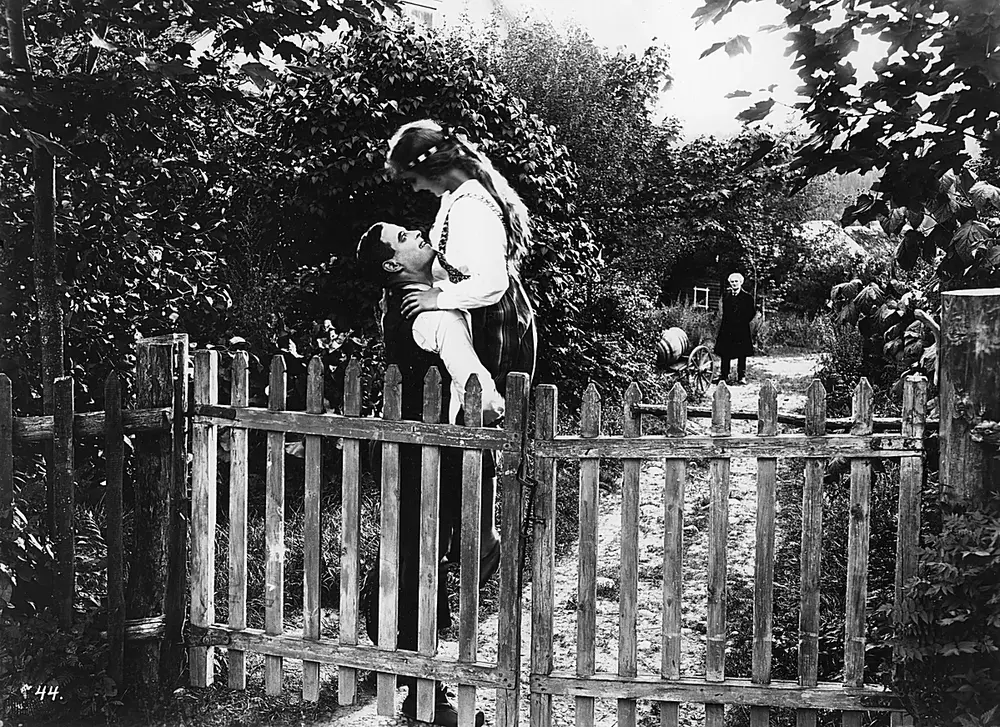
Karu's direction also excels in depicting the communal life of the river folk. There are moments of jovial camaraderie, shared labor, and quiet contemplation that paint a holistic picture of their existence. The supporting cast, including Konrad Tallroth, Oiva Soini, and Aku Käyhkö, contribute to this authentic portrayal, each delivering performances that, while constrained by the silent film aesthetic, add texture and depth to the world Karu creates. Their reactions, their silent conversations, their shared anxieties, all form a crucial part of the film's immersive quality.
The central conflict of Koskenlaskijan morsian reverberates with timeless themes. The struggle of man against the formidable power of nature is a leitmotif throughout the film. Olli, as the 'rapids shooter,' is both master and servant of the river; he understands its moods, respects its power, and relies on his skill to navigate its dangers. This contrasts sharply with the timber baron's desire to simply exploit and conquer nature, viewing it purely as a resource to be subdued. This ecological subtext, though perhaps not overtly intended as such in 1923, resonates powerfully today, offering a silent commentary on sustainable living versus rampant exploitation.
Furthermore, the film subtly explores the tension between traditional ways of life and the relentless march of industrial progress. The mill, while a symbol of industry, is also deeply integrated into the local community and its natural rhythms. The timber baron's plans, however, threaten to disrupt this delicate balance, introducing a more ruthless, impersonal form of capitalism. This thematic thread can be seen in other films of the era that grappled with modernization, though perhaps not always with the same emphasis on environmental impact. It’s a compelling look at a society in transition, its values and livelihoods under scrutiny.
Love and sacrifice are, of course, paramount. Marja's unwavering faith in Olli, even when faced with dire circumstances, and Olli's selfless acts of heroism to protect her and her community, form the emotional bedrock. The film celebrates a rugged, almost mythic form of heroism, one rooted in practical skill, courage, and a deep sense of responsibility. This kind of physical heroism finds parallels in films like Maciste atleta, where the protagonist's physical prowess is central to overcoming obstacles, though Olli's heroism is perhaps more grounded in a specific craft rather than superhuman strength.
The cast of Koskenlaskijan morsian navigates the demanding art of silent acting with commendable skill. Joel Rinne's performance as Olli is a masterclass in conveying emotion through physicality and facial expression. His strong jawline, piercing gaze, and confident posture speak volumes about his character's inner resolve. He communicates determination, love, and fear with remarkable clarity, ensuring that the audience is always connected to his emotional journey. His heroic actions, particularly during the climactic rapids sequence, are rendered believable through his committed physical presence.
Eva Luttinen, as Marja, complements Rinne's robust portrayal with a nuanced performance. Her vulnerability is never weakness; instead, it underscores her strength of spirit. She conveys anxiety, hope, and deep affection through subtle shifts in her posture, the tilt of her head, and the intensity of her eyes. Her portrayal avoids the melodramatic excesses sometimes associated with silent film acting, grounding Marja in a relatable human experience. The silent era demanded a particular kind of performer, one capable of externalizing internal states, and Luttinen rises to this challenge admirably.
Even the supporting characters contribute significantly to the film's texture. Karl Fager, Konrad Tallroth, and others, though with less screen time, create believable personalities that populate this world. Their exaggerated gestures and expressions, characteristic of the era, are employed effectively to convey their roles within the community – from concerned elders to conniving villains. The collective performance paints a vivid picture of a small, interdependent society facing external threats, much like the ensemble cast of a Western drama such as Whispering Smith might portray a frontier town under duress.
Koskenlaskijan morsian holds a significant place in the annals of Finnish cinema. It represents an early, ambitious attempt to tell a uniquely Finnish story using the burgeoning medium of film. At a time when much of European cinema was still finding its footing, Karu and his team crafted a film that was both culturally specific and universally appealing in its themes of love, heroism, and the struggle for survival. The film's success undoubtedly helped pave the way for future Finnish productions, demonstrating the viability of local storytelling.
The film's exploration of Finnish identity, particularly its relationship with nature and its traditional industries, is particularly noteworthy. It romanticizes the hardy spirit of the Finnish people, their resilience in the face of harsh conditions, and their deep connection to the vast forests and waters that define their homeland. This cultural authenticity distinguishes it from many contemporary international films, offering a genuine glimpse into the Finnish psyche of the early 20th century. It stands as a powerful testament to the nascent film industry's ability to capture and reflect national character.
While perhaps not as widely known globally as some of its contemporaries from larger film industries, Koskenlaskijan morsian remains a crucial piece for film historians and enthusiasts of silent cinema. Its technical achievements, particularly the impressive location photography and thrilling action sequences, stand the test of time. The film serves as a reminder that compelling narratives and powerful emotions do not require spoken dialogue; they thrive on visual artistry, expressive performances, and a profound understanding of human experience. Its preservation allows us to connect with a vital period of cinematic and national history, offering insights into the evolution of storytelling on screen.
In an age dominated by sound and spectacle, revisiting a silent film like Koskenlaskijan morsian is a refreshing, almost meditative experience. It forces the viewer to engage on a different level, to pay closer attention to visual cues, to interpret the nuanced expressions, and to allow the narrative to unfold at its own deliberate pace. The absence of dialogue amplifies the power of the natural sounds one imagines – the roar of the rapids, the creak of timber, the rustle of the wind through the pines. It allows the stunning Finnish landscape to speak for itself, becoming an undeniable character in the drama.
Erkki Karu, along with his writers Väinö Kataja and himself, crafted a film that is both a thrilling adventure and a tender romance, underscored by a deep appreciation for its cultural roots. It's a film that resonates with a silent roar, echoing the power of its subject matter and the enduring spirit of its characters. For anyone interested in the foundational works of European cinema, or simply in a beautifully told story of courage and devotion, Koskenlaskijan morsian is an essential viewing experience, a window into a cinematic past that continues to inspire and captivate.
IMDb —
1916
Community
Log in to comment.