DbcultAccessing Vault...
5.1/10
Senior Film Conservator
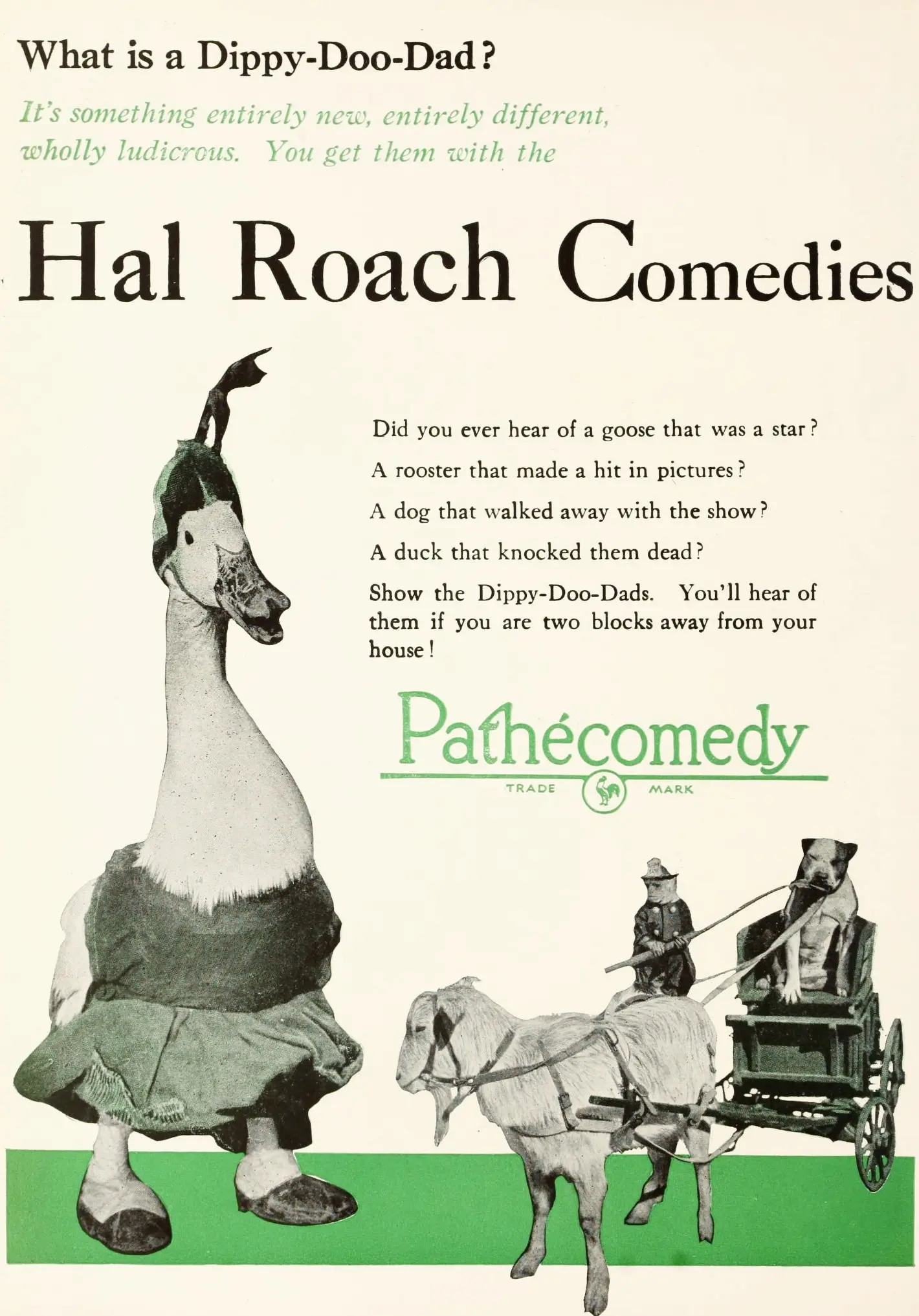
A definitive 5.1/10 rating for a film that redefined the boundaries of cult cinema. Lovey Dovey remains a cornerstone of transgressive art.
From the opening frame, "Lovey Dovey" thrusts the viewer into a technicolored tableau where the gentle quack of a duckling is juxtaposed against the guttural roar of V8 engines. Len Powers, cast as the inscrutable race commissioner, anchors the chaos with a gravitas that feels oddly reminiscent of the stoic overseer in The Heart of a Police Officer. Powers’ measured cadence provides a counterpoint to the frenetic energy of the motor and aerial sequences, allowing the film to breathe between moments of pure kinetic exuberance.
Lila, the titular duckling, is rendered with a tenderness that transcends her avian form. The animators afford her a depth of expression that rivals the human protagonists of Together, granting her a narrative agency rarely afforded to non‑human leads. Milo, the motor‑mad monkey, embodies a reckless joie de vivre; his scenes are drenched in the amber glow of streetlights, a visual homage to the neon‑lit chase sequences of classic road movies. Jax, the aviator, is a study in aerial elegance, his flight sequences choreographed with a balletic precision that recalls the soaring cinematography of The Painted World.
The motor races are not mere set pieces; they function as narrative crucibles where loyalty, jealousy, and ambition are tested. The opening drag race, a blur of chrome and rubber, is filmed with a kinetic camera that darts alongside the competitors, echoing the visceral immediacy of the motor sequences in Mr. Opp. The airplane duel, set against a sunset sky awash in sea blue (#0E7490), elevates the stakes to a literal altitude, turning the love triangle into a three‑dimensional chess match. Each lap, each loop, is a metaphorical heartbeat, syncing the audience’s pulse to the protagonists’ emotional turbulence.
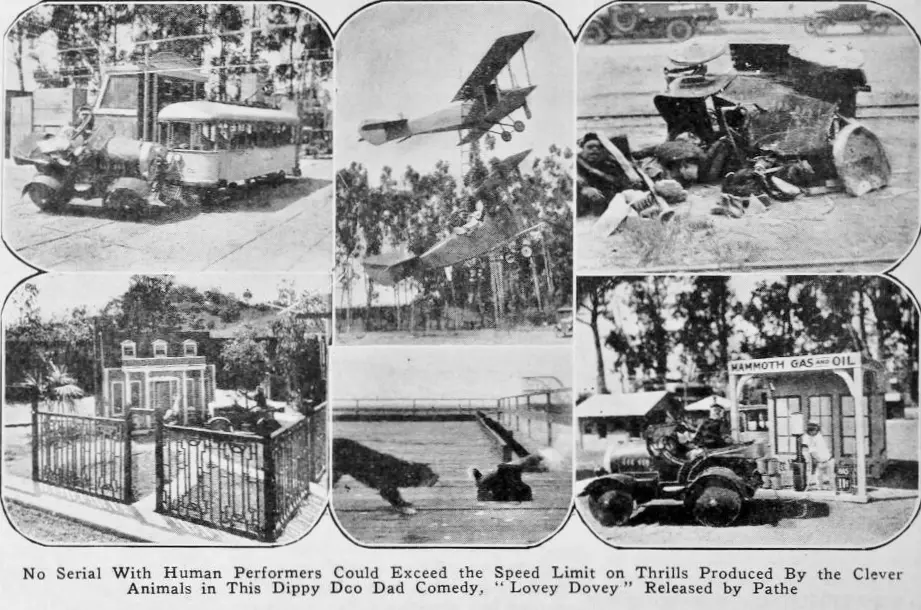
Beneath the surface-level comedy lies a meditation on the performative nature of love. Lila’s choice is framed as a contest, yet the film subtly interrogates the ethics of turning affection into a public spectacle. This thematic thread aligns with the social critique embedded in Cocaine Traffic; or, the Drug Terror, where personal desire is weaponized by external forces. Powers’ character, the race commissioner, manipulates the outcomes for reasons that remain tantalizingly opaque, suggesting a commentary on the commodification of romance in contemporary media.
Visually, the film revels in a palette that juxtaposes the dark orange of rusted metal (#C2410C) with the electric yellow of cockpit instruments (#EAB308). These hues punctuate the black backdrop, creating a chiaroscuro effect that feels both nostalgic and avant‑garde. The sound design is equally meticulous; the revving engines are mixed with a subtle, rhythmic thrum that mirrors Lila’s heartbeat, while the aircraft’s propellers emit a whir that doubles as an auditory motif for longing. Editing-wise, the cross‑cutting between ground and air scenes is executed with a precision that sustains tension without sacrificing narrative clarity.
When placed beside Soldiers of the Emperor, which also blends historical spectacle with personal drama, "Lovey Dovey" distinguishes itself through its absurdist humor and animal protagonists. Its narrative daring echoes the experimental spirit of Der Barbier von Flimersdorf, yet it remains more accessible thanks to its clear emotional core. The film’s pacing, however, occasionally mirrors the languid tempo of Marriage a la Mode, a choice that may alienate viewers seeking relentless adrenaline.
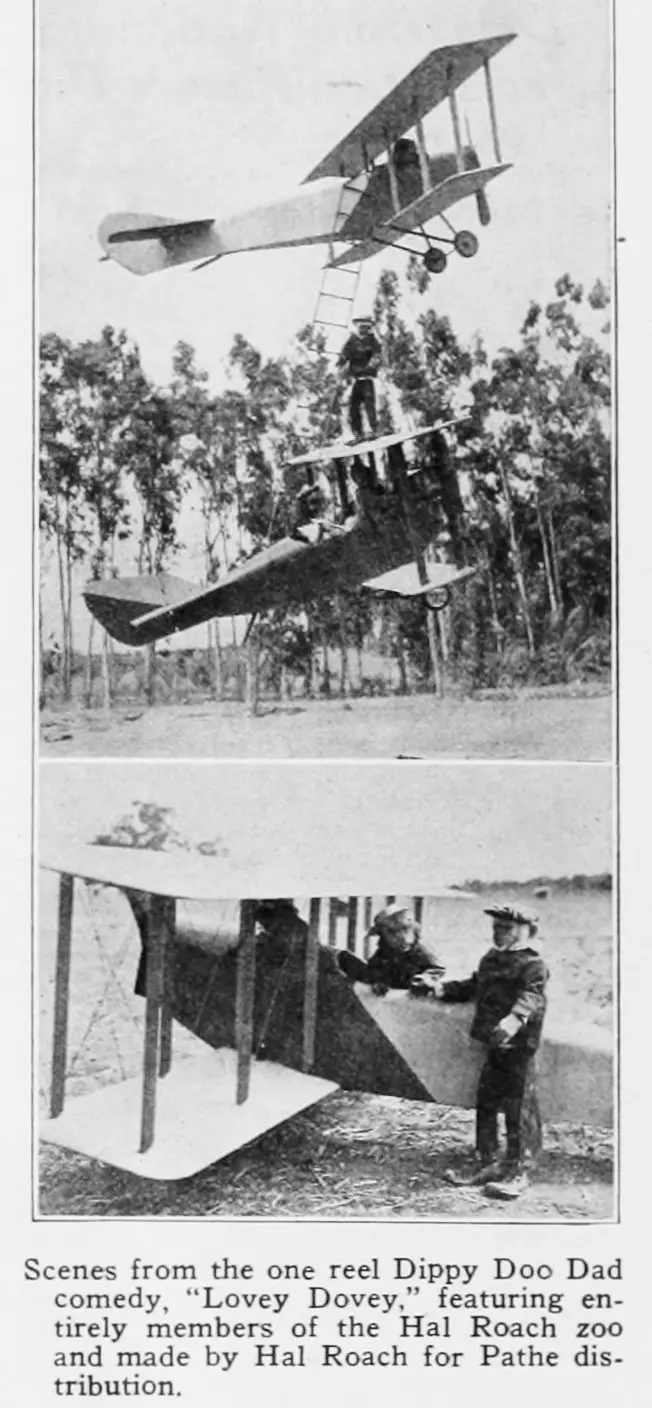
Len Powers delivers a performance that oscillates between sardonic detachment and earnest vulnerability, a duality that enriches the film’s tonal complexity. The voice actors for Lila, Milo, and Jax imbue their characters with distinct personalities, though at times the monkey duo veers into caricature, sacrificing nuance for slapstick. A more restrained approach could have amplified the tragic undercurrents of their rivalry. Moreover, the screenplay, while inventive, occasionally leans on predictable tropes—most notably the “final race decides the heart” climax—that echo the formulaic resolutions of early 20th‑century melodramas such as Not Guilty.
Since its release, "Lovey Dovey" has sparked lively debate on forums dedicated to genre mash‑ups. Viewers praise its audacious blend of romance, comedy, and high‑speed sport, while critics note its uneven tonal balance. The film’s ability to attract both family audiences (drawn by the anthropomorphic leads) and cinephiles (enthralled by its stylistic bravura) underscores its cross‑demographic appeal, a rarity in contemporary cinema.
In sum, "Lovey Dovey" is a daring confection that fuses the frivolity of a cartoon love triangle with the visceral thrills of motor and aerial racing. Its artistic ambition, manifested through vibrant color schemes, meticulous sound design, and layered thematic inquiry, elevates it beyond a mere novelty. While the narrative occasionally succumbs to genre conventions, the film’s inventive spirit and compelling performances render it a memorable entry in the annals of hybrid cinema. For those willing to suspend disbelief and revel in a world where feathered innocence collides with primate bravado, the ride is undeniably exhilarating.
IMDb 6.4
1934
Community
Log in to comment.