DbcultAccessing Vault...
Cult Review
Senior Film Conservator
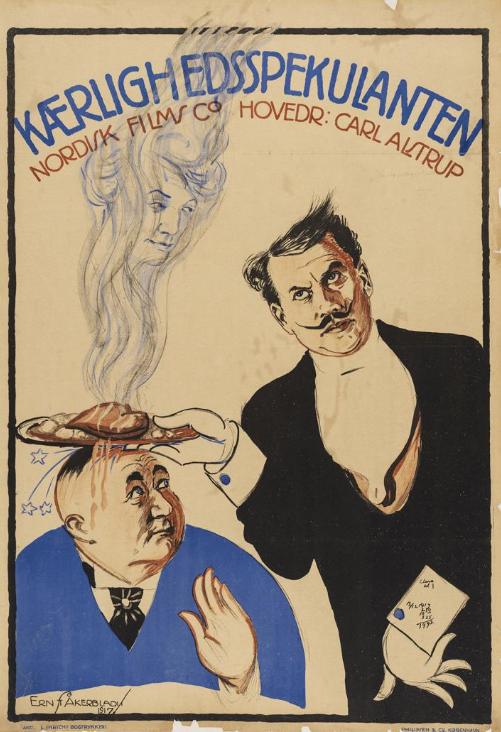
The flickering shadows of early Danish cinema often cast remarkably incisive light on the enduring foibles of the human condition, and few films illustrate this with such poignant clarity as Kærlighedsspekulanten. This silent era gem, whose very title translates with a chilling precision to 'The Love Speculator,' is not merely a period piece; it is a timeless examination of ambition, deceit, and the tragic consequences of treating affection as a mere commodity. Penned by the insightful Mary Hennings, the narrative unfurls with a meticulous, almost surgical, precision, dissecting the anatomy of a calculated heart and the collateral damage it inflicts.
From its opening frames, the film immerses us in a Copenhagen that, despite its early 20th-century trappings, feels strikingly modern in its social complexities. Here, the pursuit of status and financial security often eclipses genuine sentiment, creating fertile ground for predators like Georg Brandt, brought to life with a captivating blend of charm and menace by Frederik Buch. Buch’s portrayal is a masterclass in silent acting, conveying volumes with a subtle shift of the eyes, a knowing smirk, or a feigned gesture of tenderness. He is not a mustache-twirling villain in the traditional sense, but rather a more insidious figure: the charismatic opportunist, whose weapon is not brute force but the calculated manipulation of emotions. His ambition is palpable, a burning desire to transcend his modest origins, and he views love not as an end in itself, but as a means to an end, a strategic investment in his social ascent.
Georg’s chosen target, Else Christensen, played with an ethereal innocence by Grethe Kiær, represents the quintessential victim of such schemes. Kiær imbues Else with a radiant naiveté, a young woman whose heart is open and susceptible to grand romantic gestures. Her performance perfectly captures the intoxicating allure of Georg’s carefully constructed persona. We see her fall, not foolishly, but genuinely, into the trap, her expressions shifting from starry-eyed wonder to burgeoning doubt, and ultimately, to profound heartbreak. It’s a delicate balance, portraying vulnerability without caricature, and Kiær achieves it with remarkable grace.
The stark contrast to Else is Anna Petersen, the gentle seamstress portrayed by Kate Fabian. Fabian’s Anna is the film’s moral compass, a beacon of authentic, unadorned affection. Her love for Georg is pure, uncomplicated by social ambition, and her quiet suffering forms the emotional core of the narrative. Fabian’s nuanced performance, particularly in scenes where she grapples with Georg’s increasing distance and evasiveness, is deeply affecting. She embodies the quiet dignity of the working class, her hopes and dreams tragically intertwined with a man utterly unworthy of them. The film, through Fabian’s portrayal, elevates Anna from a mere casualty to a figure of resilient strength, her ultimate liberation a testament to the enduring power of self-worth.
Betzy Kofoed, as Frøken Jensen, Else’s discerning aunt, provides the much-needed intellectual counterpoint to Georg’s emotional manipulation. Kofoed masterfully conveys suspicion and quiet determination through subtle gestures and piercing gazes. She is the film’s detective, a wise elder whose skepticism is rooted in experience and keen observation. Her methodical unraveling of Georg’s web of lies provides the narrative tension and ultimately, the catalyst for his downfall. Without her astute intervention, the tragedy might have been complete, making her character an essential force for justice in a world prone to illusion. Agnes Andersen, in a supporting role as Ida Sørensen, Anna’s sharp-witted friend, further anchors the narrative in relatable human experience, offering Anna solace and a dose of practical wisdom when she needs it most.
Mary Hennings’ screenplay is a marvel of construction, building suspense with an almost architectural precision. The dual narratives—Georg’s ascent into Else’s world and his continued deception of Anna—are skillfully interwoven, creating a growing sense of dread as the inevitable collision approaches. The pacing, characteristic of the era, allows for moments of quiet contemplation, letting the emotional weight of each scene sink in. The use of intertitles is economical yet impactful, conveying dialogue and internal monologues with poetic brevity, a stark reminder of the unique narrative language of silent film.
The film’s central theme, the commodification of love, resonates with profound contemporary relevance. It explores the dangerous illusion that affection can be bought, sold, or leveraged for personal gain. Georg Brandt is not merely a scoundrel; he is a symbol of a societal tendency to prioritize material wealth and social standing over genuine human connection. This theme is echoed, albeit with different narrative structures, in films like The Man of Shame, where societal pressures and moral compromises lead to personal ruin, or even My Madonna, which might explore the idealized yet often exploited nature of female devotion.
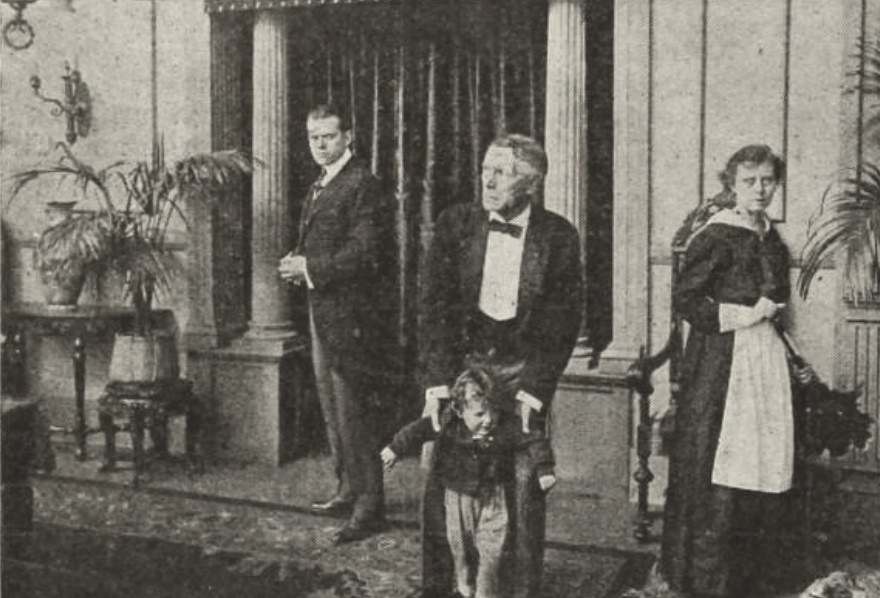
The visual storytelling, while limited by the technological constraints of the time, is remarkably effective. The cinematography, though monochrome, uses light and shadow to great effect, emphasizing emotional states and character dynamics. Close-ups are employed sparingly but powerfully, allowing the actors’ expressive faces to convey the full spectrum of human emotion. The juxtaposition of opulent settings, where Georg plays his charade with Else, against the more humble, intimate spaces shared with Anna, visually reinforces the class divide and the protagonist’s dual existence.
What truly elevates Kærlighedsspekulanten beyond a simple melodrama is its unwavering commitment to moral accountability. Unlike some narratives that might romanticize the rogue or offer a facile redemption, this film ensures that Georg’s schemes yield only an empty, isolated future. His downfall is not merely a plot device; it is the inevitable consequence of his actions, a stark cinematic sermon against the perils of treating human connection as a transactional endeavor. This unflinching portrayal of consequences aligns it with films like The Field of Honor, where moral integrity is tested and often found wanting, leading to significant personal cost.
The film’s resolution, while painful for its characters, offers a glimmer of hope. Anna, though heartbroken, is ultimately liberated, finding strength in her authentic self. Else, wounded but wiser, learns to discern true affection from calculated charm. The narrative avoids simplistic happy endings, instead opting for a more resonant, realistic conclusion: the difficult but necessary process of healing and growth after betrayal. This nuanced approach to resolution is a hallmark of thoughtful storytelling, distinguishing it from more straightforward romantic comedies like Up Romance Road, which often prioritize immediate gratification over profound character development.
The performances across the board are a testament to the talent pool of Danish silent cinema. Frederik Buch’s nuanced villainy is compelling, never devolving into caricature. Grethe Kiær’s portrayal of innocent vulnerability is heartbreakingly real, and Kate Fabian’s quiet strength as Anna provides the film’s emotional anchor. Even in the smaller roles, like Carl Alstrup, whose presence likely added a touch of grounded humanity or perhaps a brief moment of levity, the ensemble works in concert to create a believable and engaging world. Alstrup, known for his comedic and character roles, would have brought a specific texture to any scene he graced, potentially offering a sympathetic ear or a moral counterpoint to Georg's machinations, further enriching the film's social commentary.
Kærlighedsspekulanten stands as a powerful reminder of silent cinema's capacity for complex psychological drama and biting social critique. It's a film that speaks across the decades, its central conflict—the clash between genuine human connection and calculated self-interest—remaining as pertinent today as it was over a century ago. It explores the dark underbelly of social climbing, the corrosive effects of deceit, and the enduring resilience of the human spirit in the face of betrayal. Watching it is not merely an exercise in historical appreciation; it is an immersive experience into a carefully constructed world of moral dilemmas and emotional truths.
The film’s enduring power lies in its ability to provoke introspection. How often do we, even inadvertently, 'speculate' in love, seeking partners for reasons beyond pure affection? How adept are we at discerning sincerity from artifice? These are questions that Kærlighedsspekulanten forces us to confront, proving that a film from the nascent days of the medium can possess a wisdom and an emotional depth that rivals the most sophisticated contemporary dramas. It’s a testament to the visionary writing of Mary Hennings and the expressive talents of its cast that this narrative continues to resonate, offering both a gripping story and a profound moral lesson. It’s a film that deserves to be rediscovered and celebrated, not just as a piece of cinematic history, but as a timeless commentary on the fragility and fierce value of authentic love. Its narrative complexity and emotional weight surpass simpler tales like Over Night or The Red Ace, which might prioritize action or direct suspense over deep character exploration. Instead, it aligns more with the contemplative dramas of its time, such as I pesn ostalas nedopetoy, which also delves into the melancholic and profound aspects of human relationships and unfulfilled desires, albeit within a different cultural context. This Danish masterpiece reminds us that the human heart, when treated as a mere instrument for gain, ultimately yields only emptiness, a lesson beautifully and tragically rendered through the silent art of the moving picture.
IMDb —
1920
Community
Log in to comment.